The striking transformation of a Roman building by thermal waters
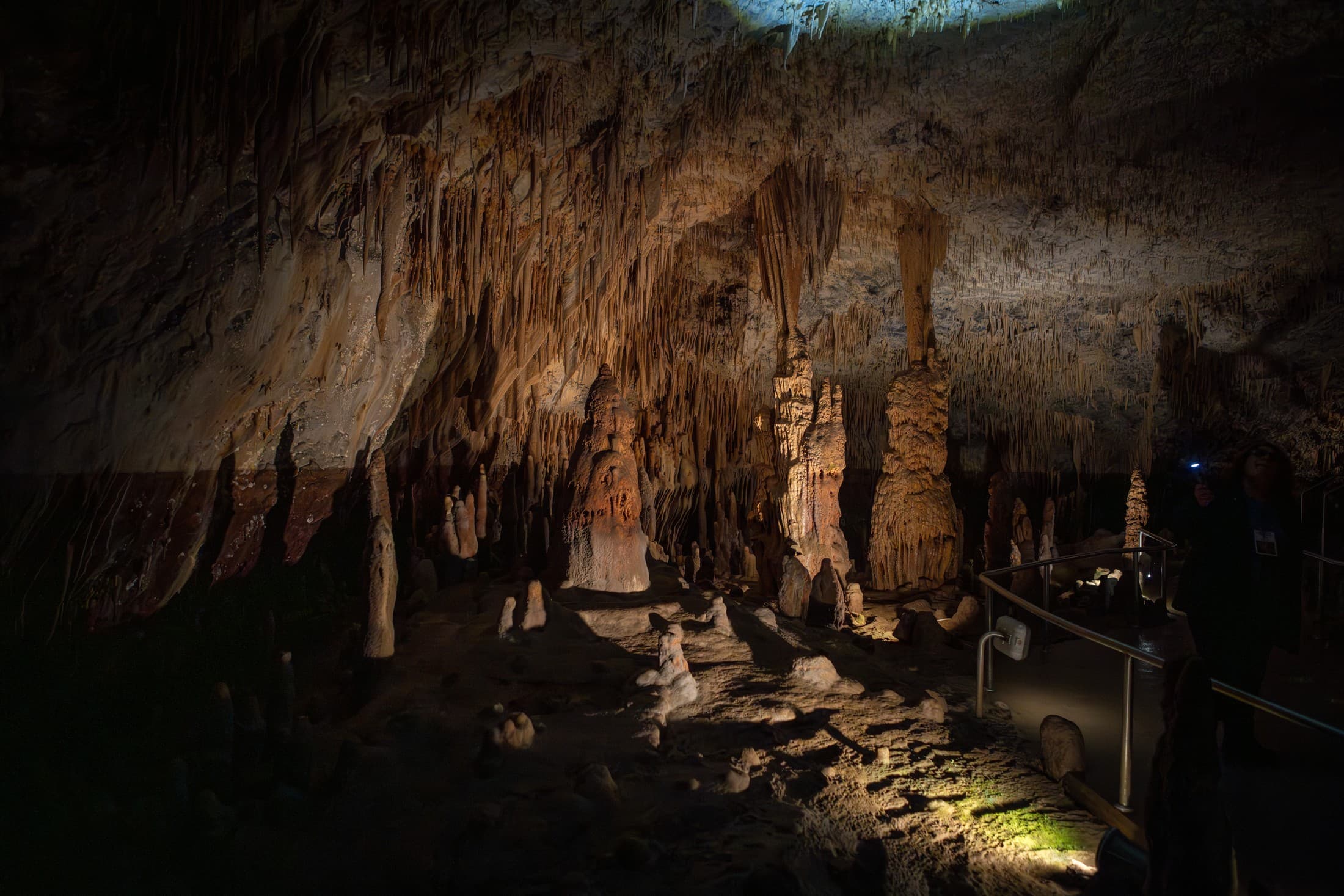
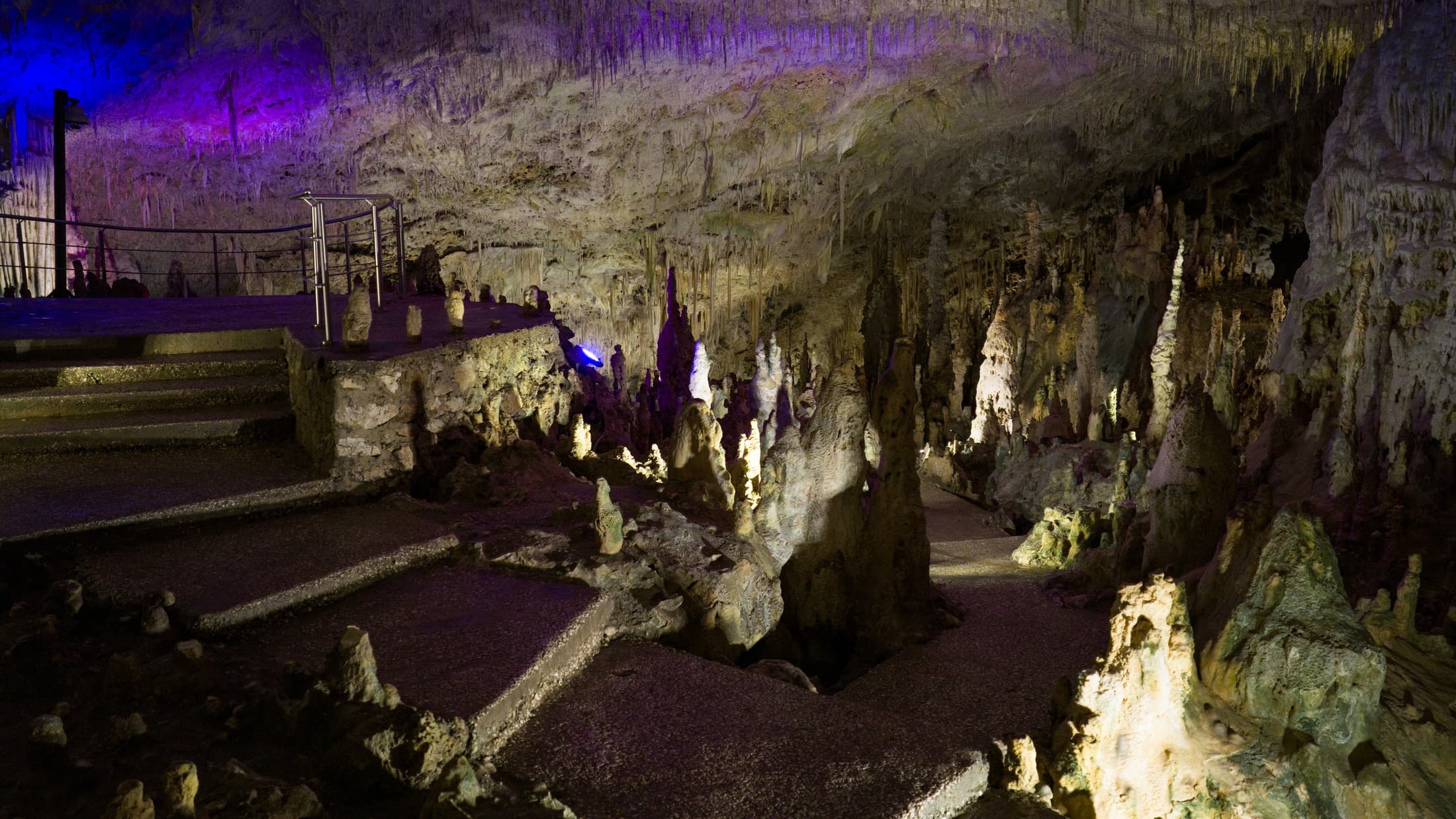
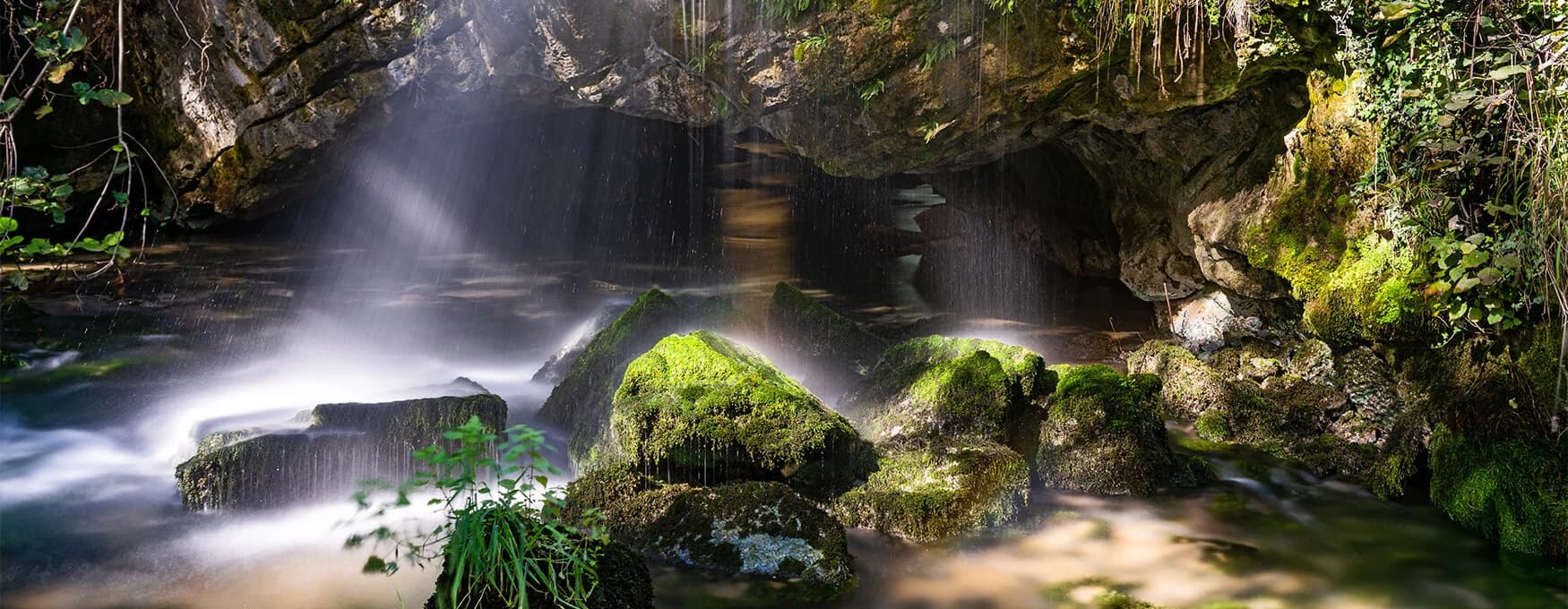
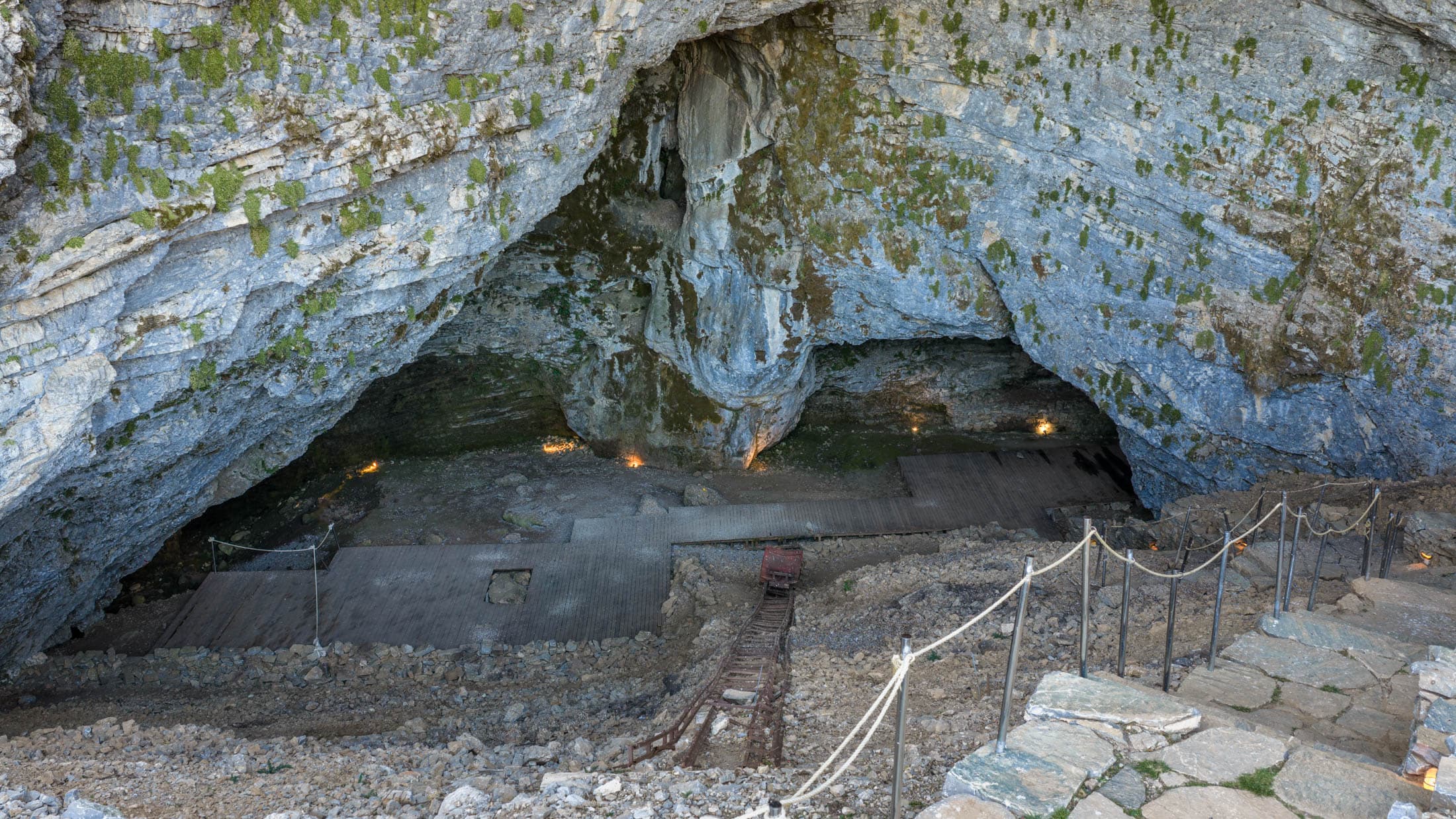
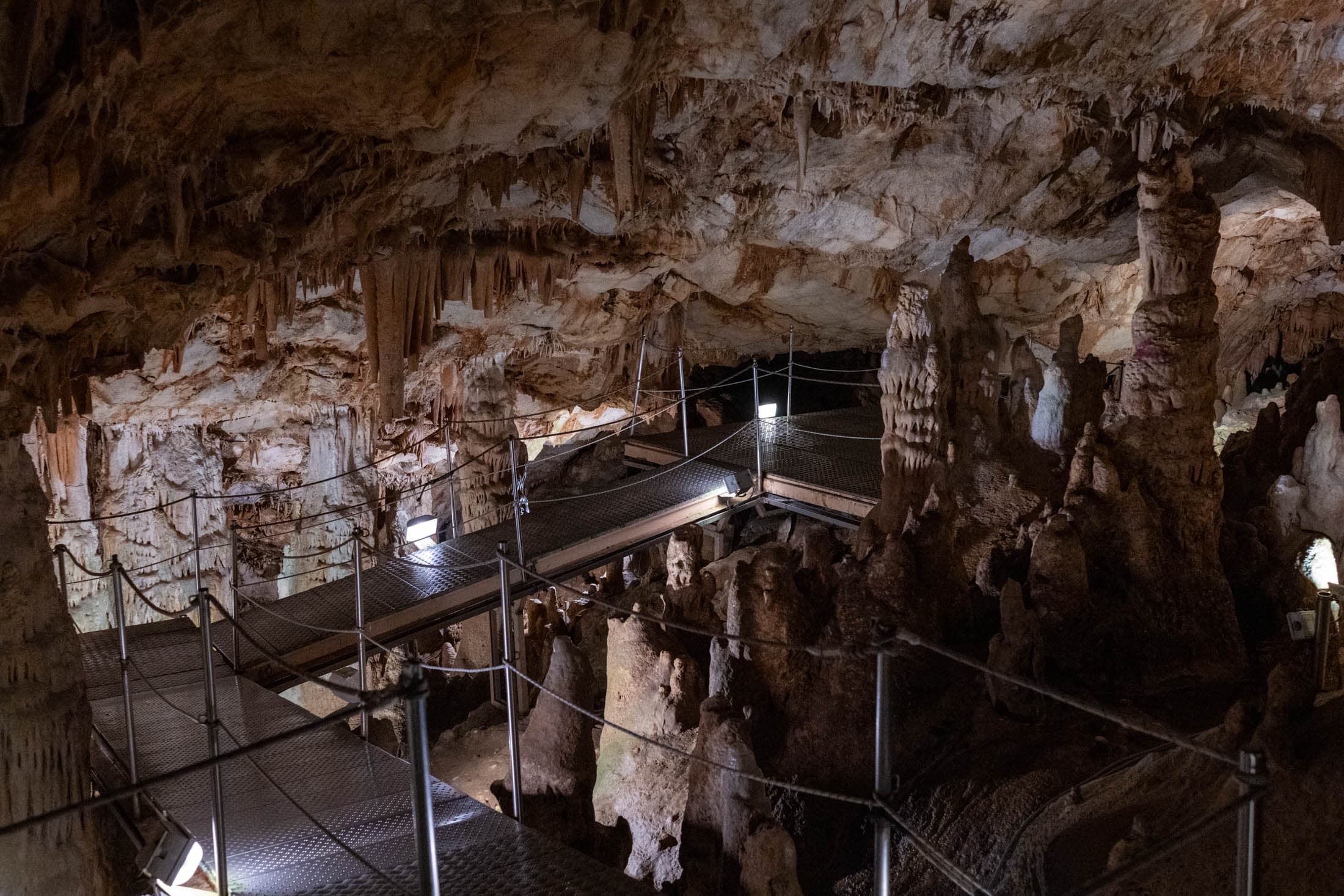
It’s not a true cave, yet that’s the impression you’ll get when you encounter this unusual monument at Loutra Edipsou. Look closely, and you’ll see that it is actually a building resembling a small chapel, its surfaces dramatically coated with mineral deposits from Edipsos famous sulfurous waters.
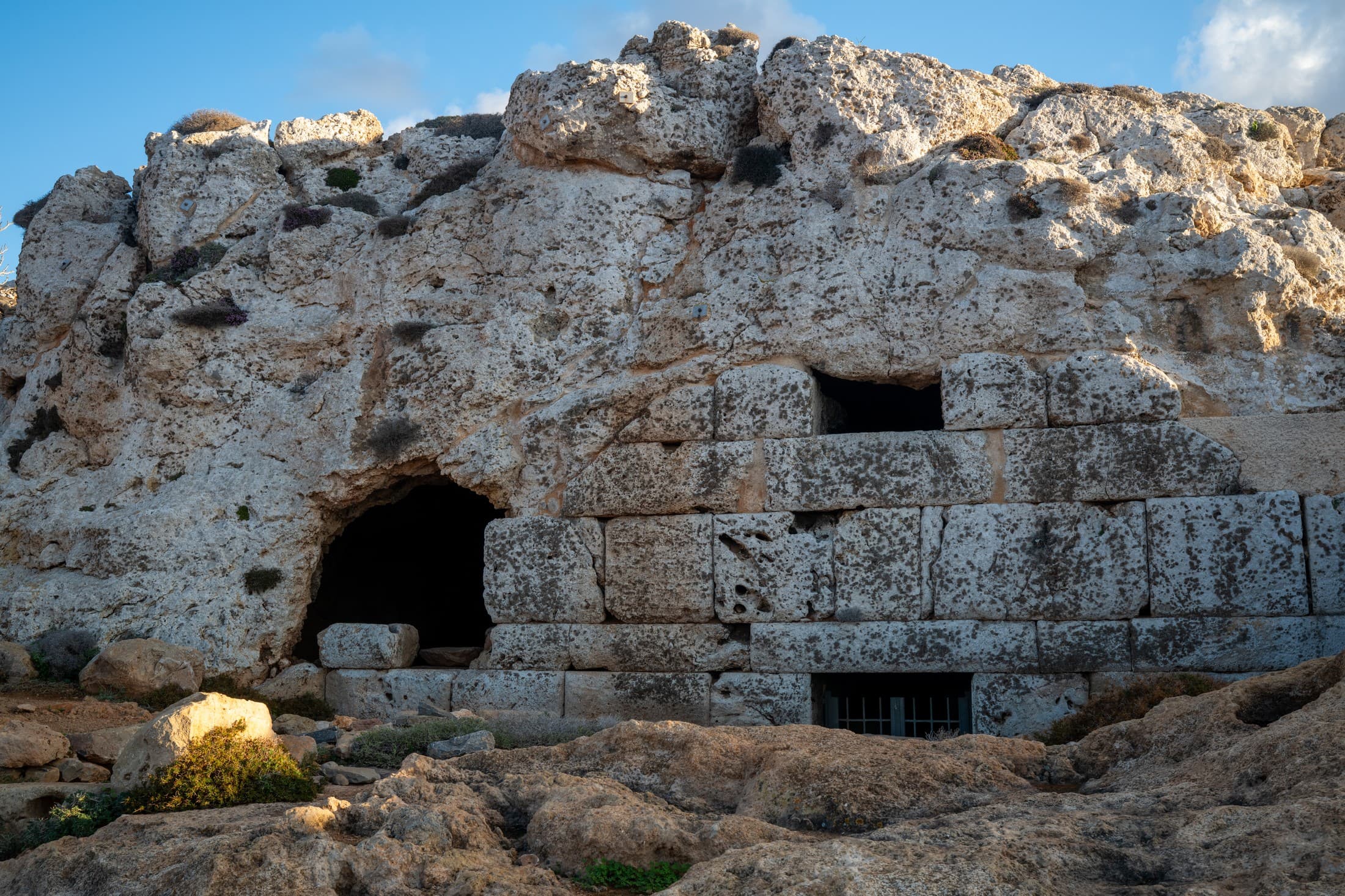
The domed structure dates back to the Roman period and is named after the Roman general Sylla, although he had no real connection to it; the association is purely regional. In fact, Sylla’s Cave was simply the only visible ancient monument in the area during the 19th century, when travellers passed through.
At the entrance of the monument, you’ll notice the pedestals of statues, likely placed there during the Byzantine period, which bear the names of Emperors Hadrian and Septimius Severus.
Although some suggest that the building may have served as a thermal bath, this has not been confirmed. You can visit the site while observing all safety measures and let your imagination run wild with your own interpretations. One thing is certain—you’ll be amazed by the power of nature, which has so many ways of creating real monuments.
The domed structure dates back to the Roman period and is named after the Roman general Sylla, although he had no real connection to it; the association is purely regional. In fact, Sylla’s Cave was simply the only visible ancient monument in the area during the 19th century, when travellers passed through.
At the entrance of the monument, you’ll notice the pedestals of statues, likely placed there during the Byzantine period, which bear the names of Emperors Hadrian and Septimius Severus.
Although some suggest that the building may have served as a thermal bath, this has not been confirmed. You can visit the site while observing all safety measures and let your imagination run wild with your own interpretations. One thing is certain—you’ll be amazed by the power of nature, which has so many ways of creating real monuments.