Sculpted by the wind and the sea
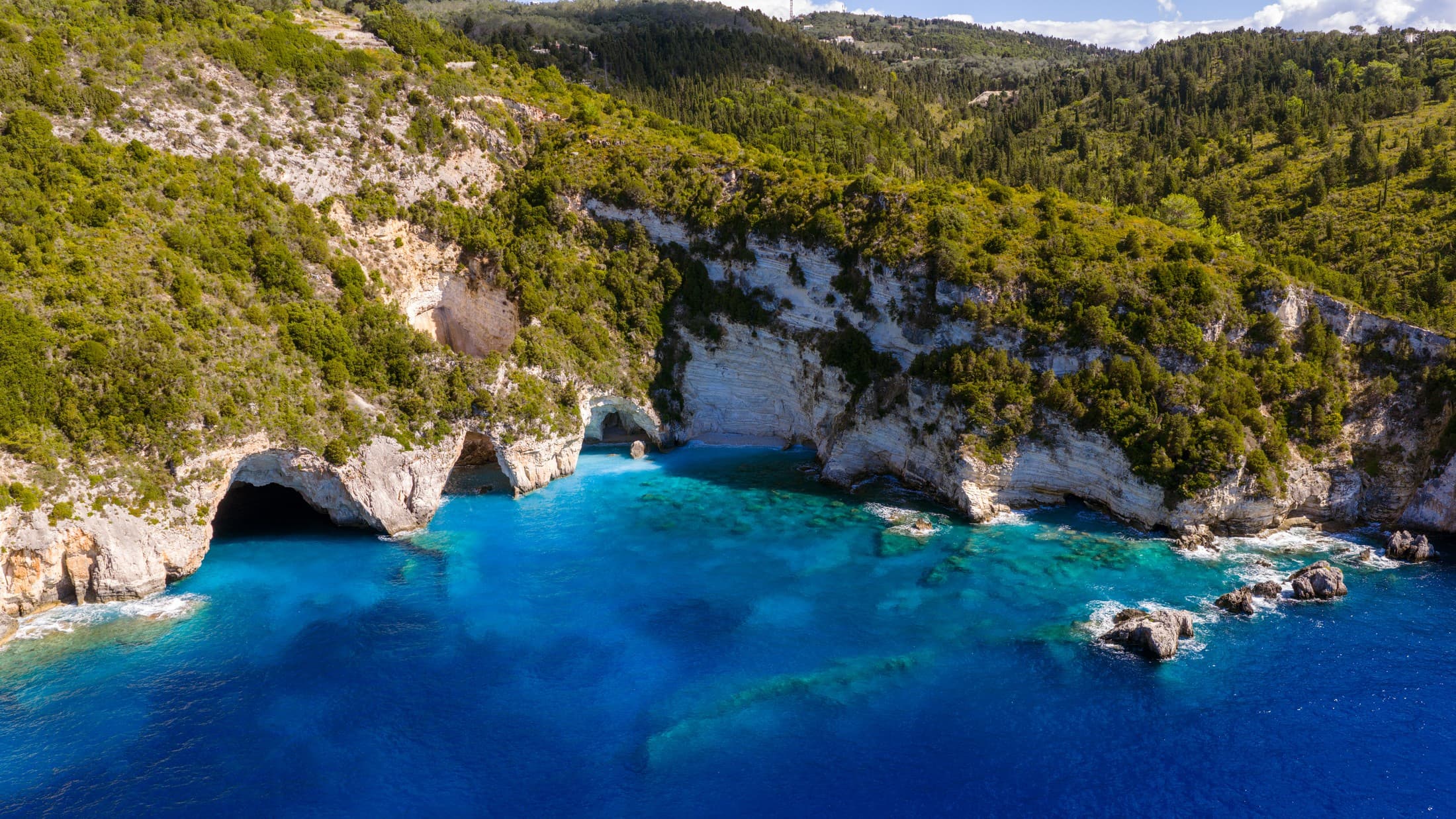
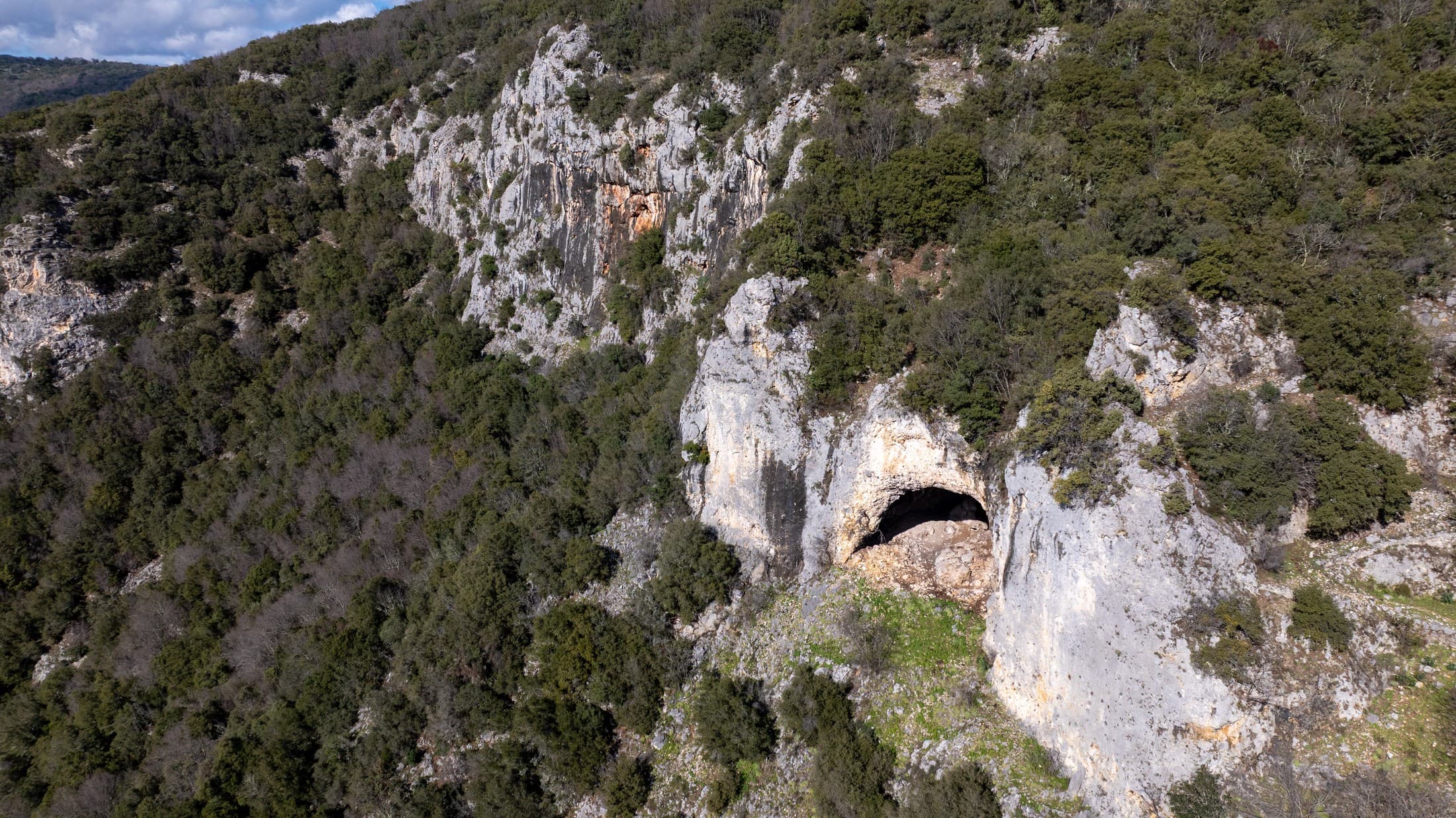
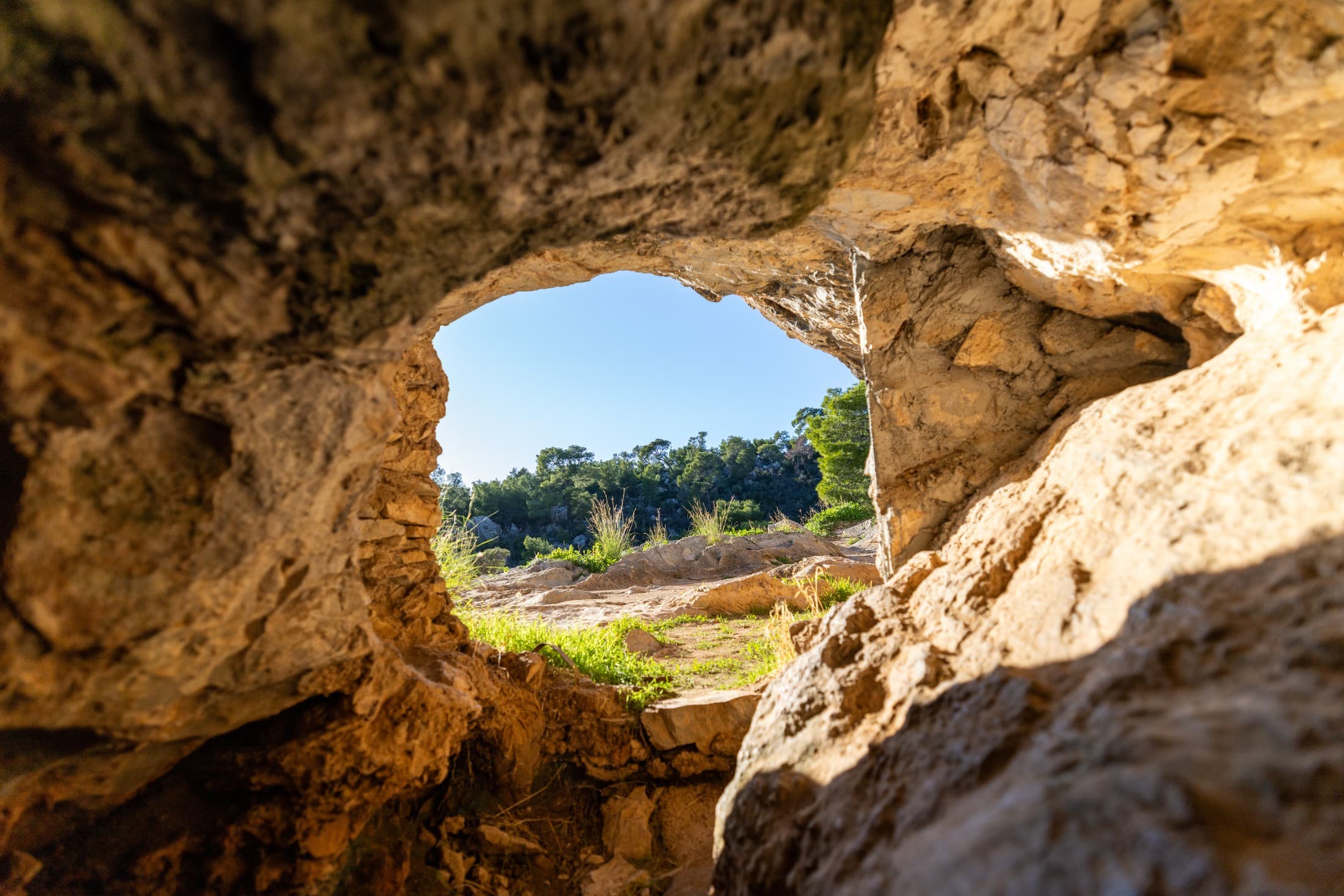
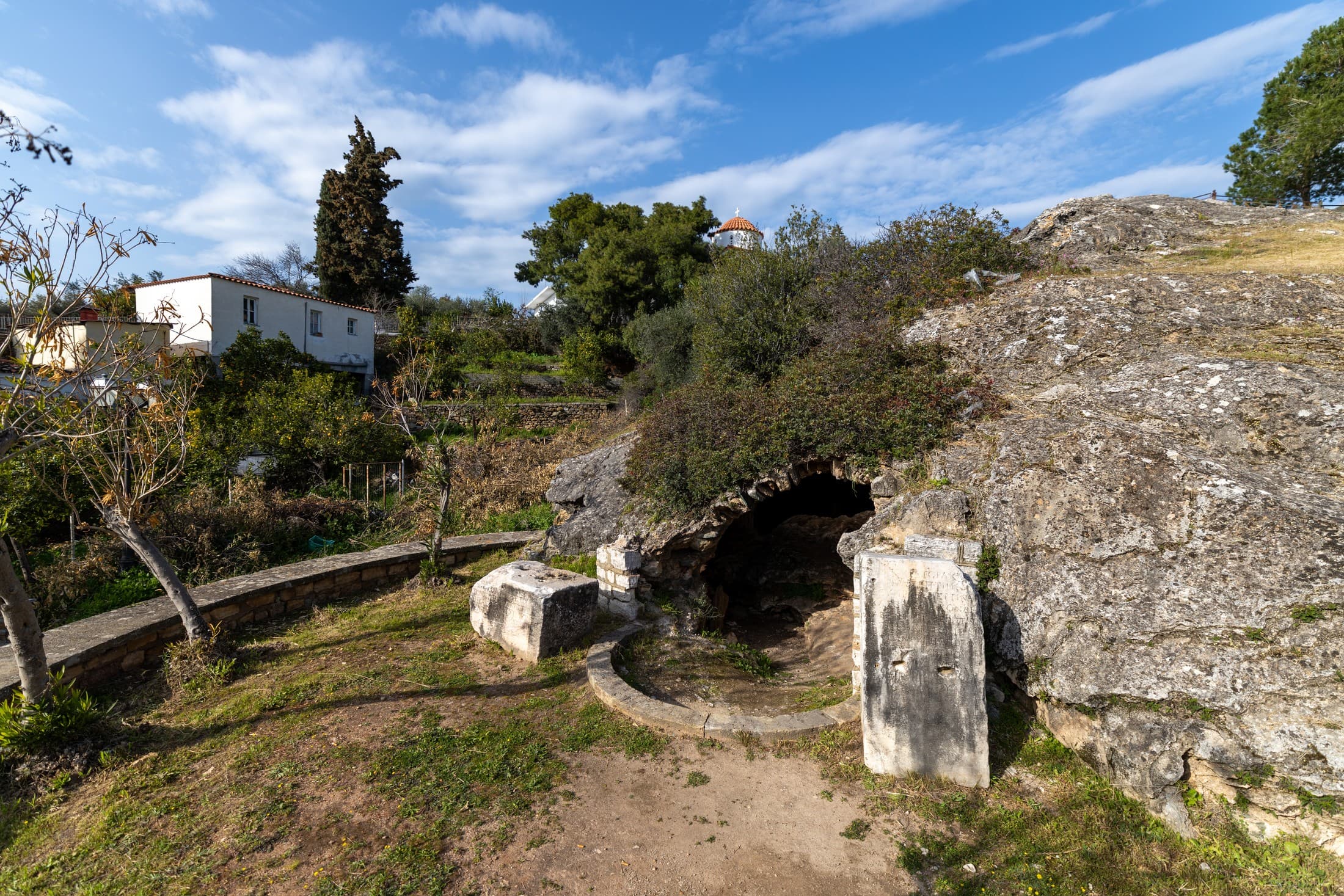
On the north-eastern edge of the Lesser Cyclades, the small and almost untouched island of Donousa hides two of the most impressive caves in the Aegean Sea beneath its white cliffs: the Caves of Tichoma and Fotodotis. According to local tradition, during the 17th century, they served as pirate refuges as well as places of reflection for hermits who lived around the local chapels. Archaeologists have identified traces of ancient settlements on the northern coast, indicating that Donousa has been inhabited since prehistoric times.
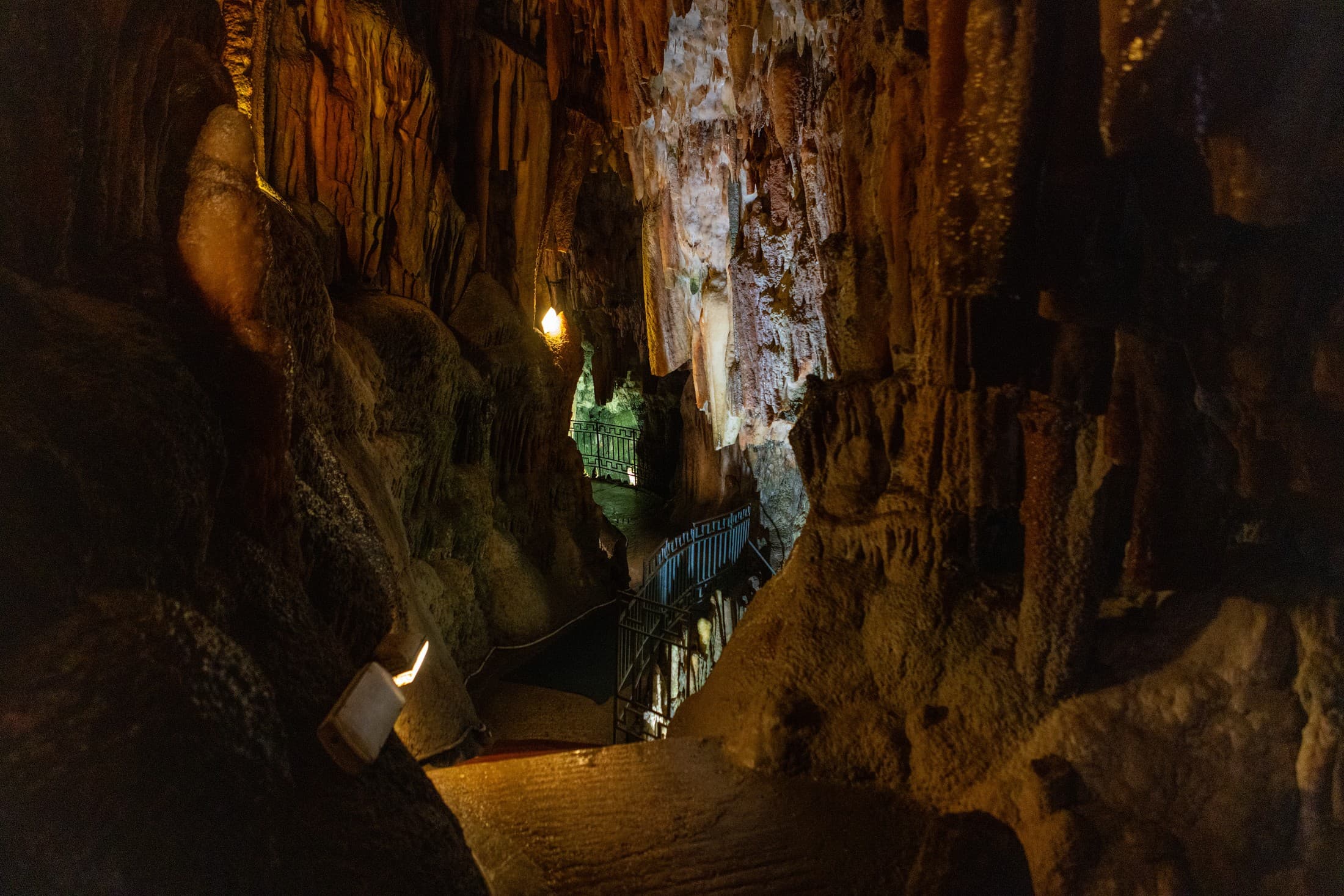
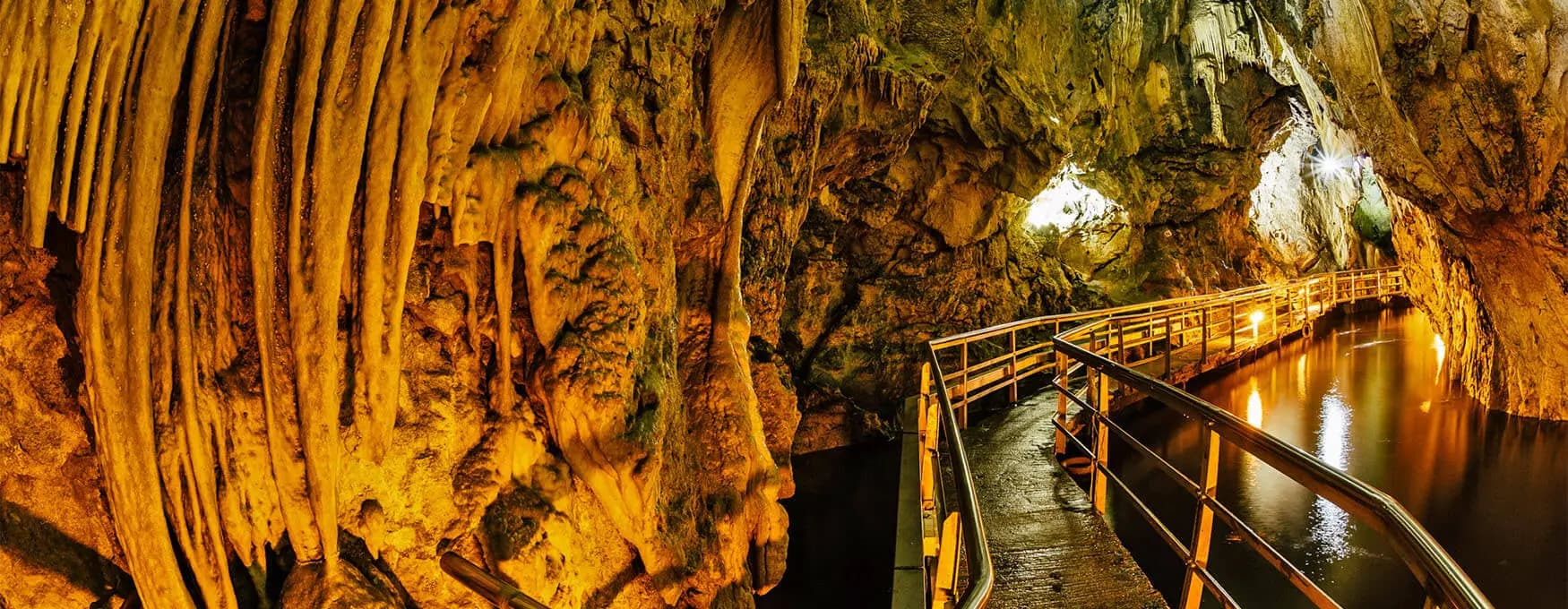
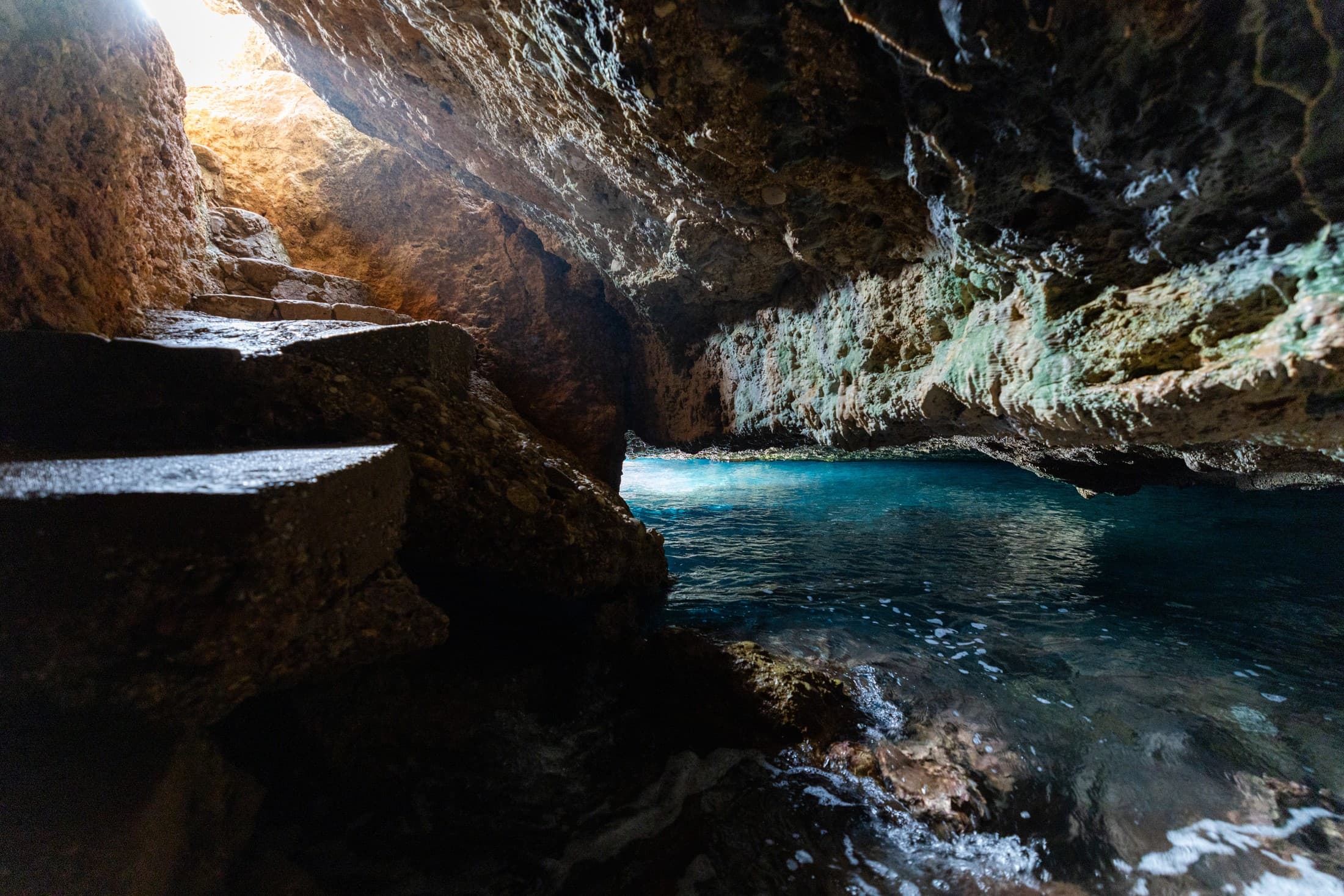
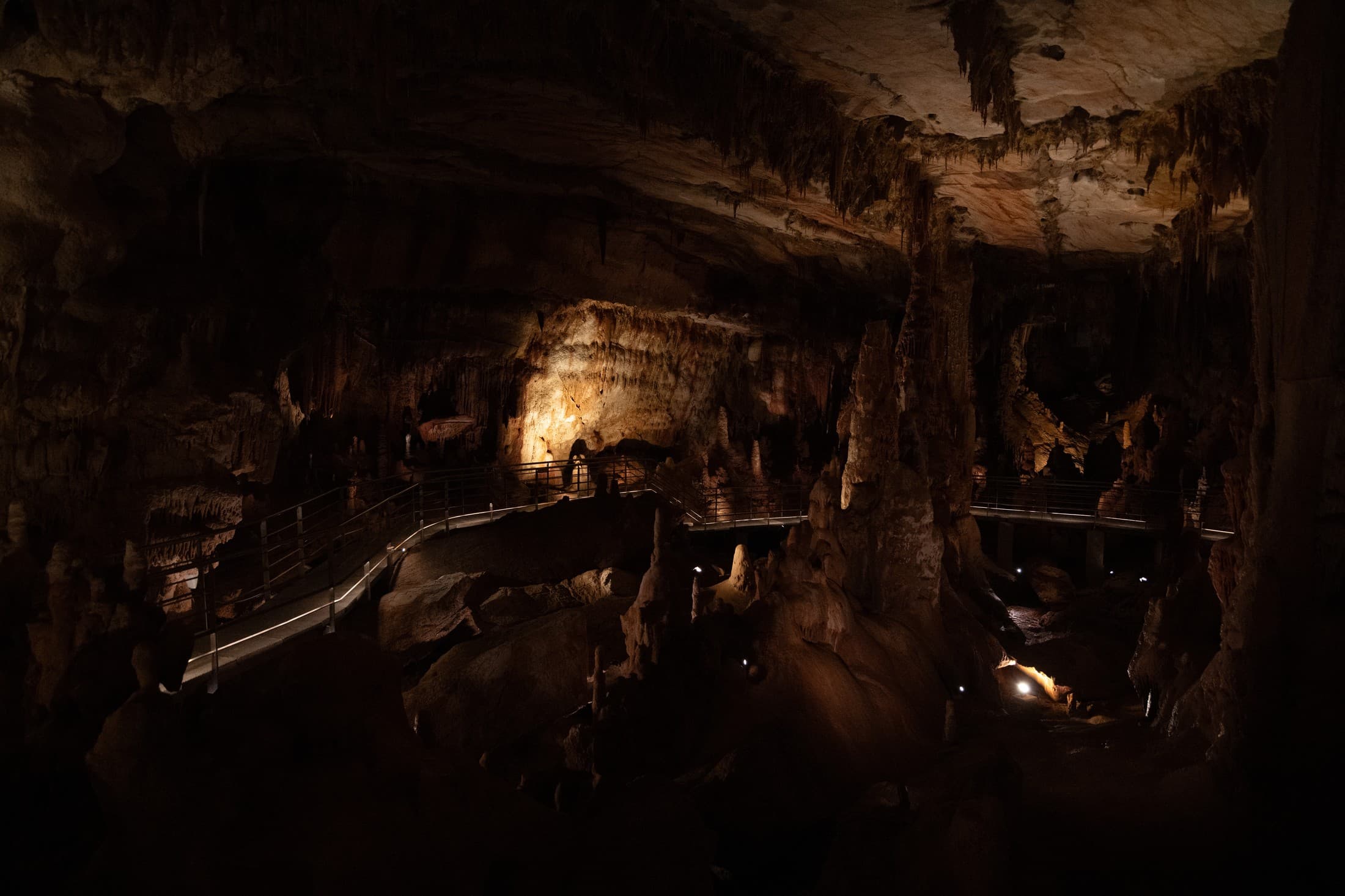
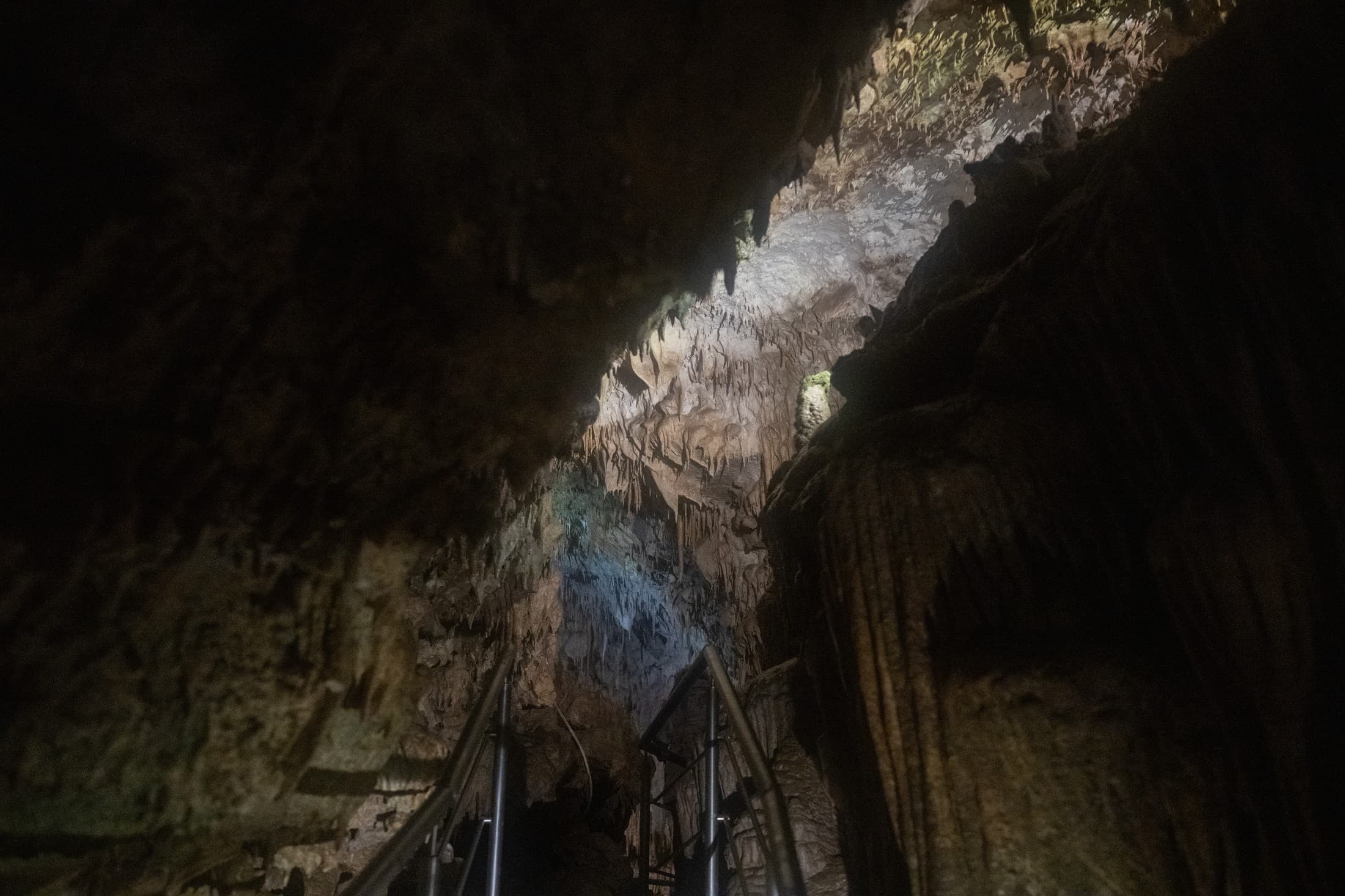
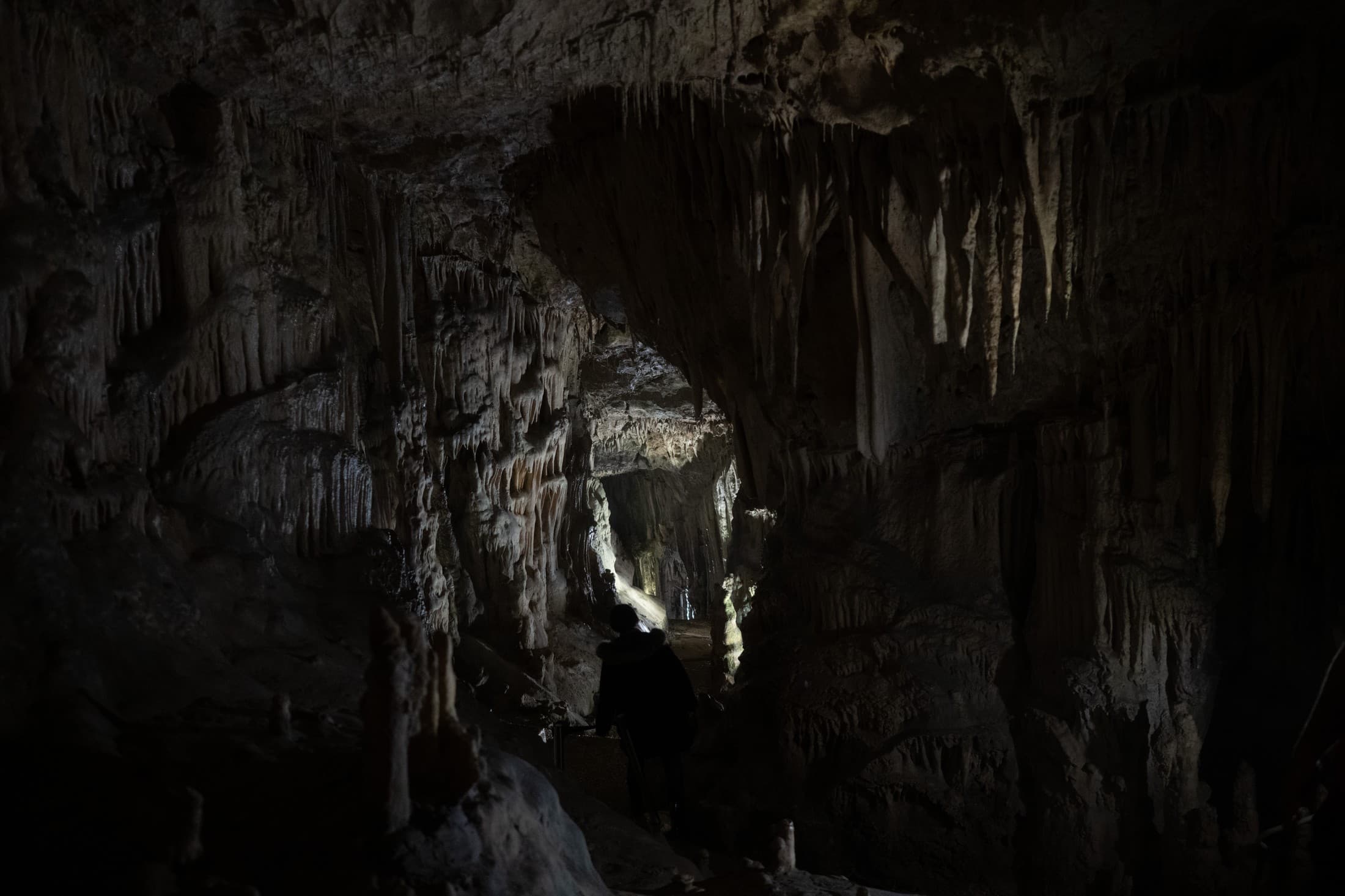
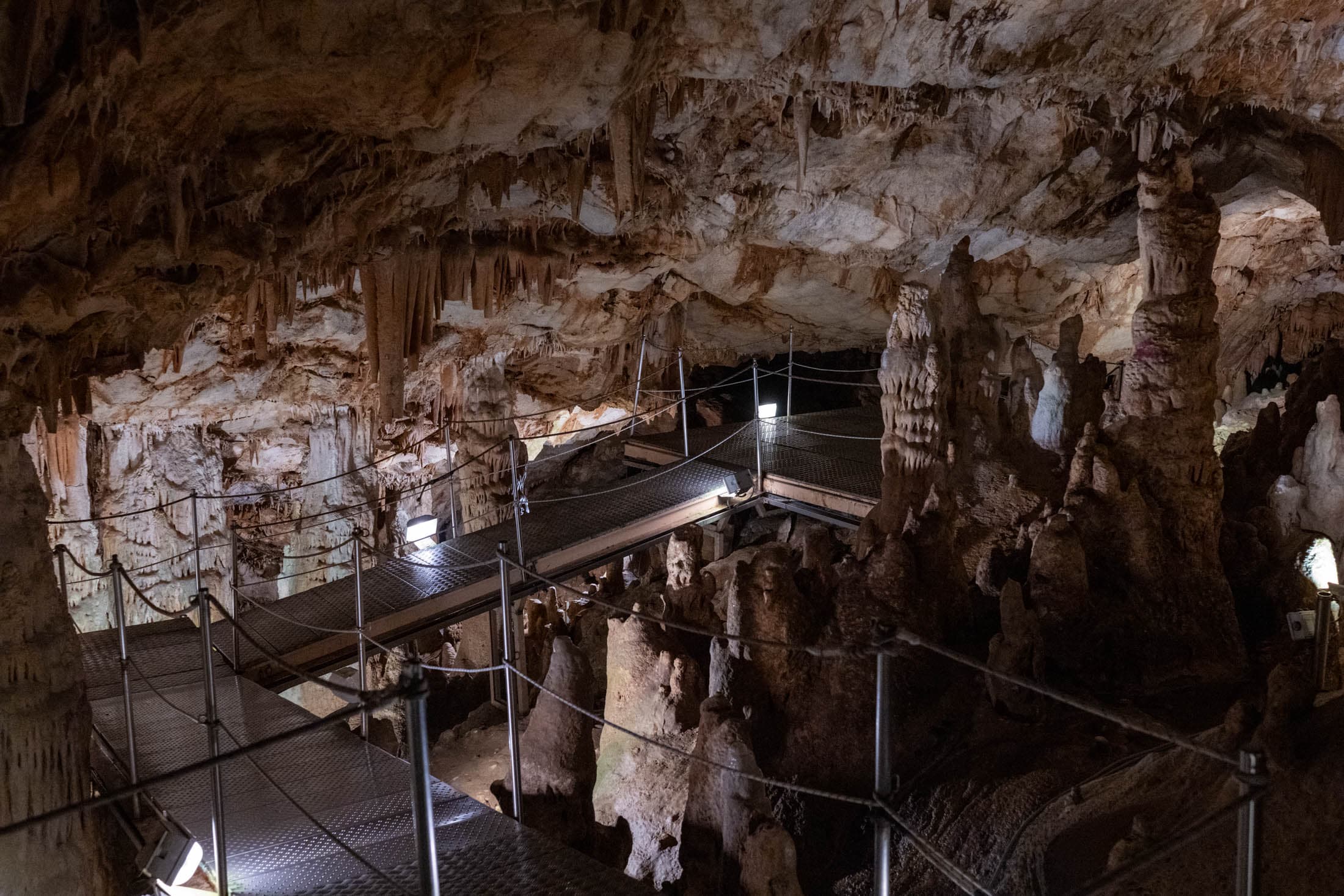
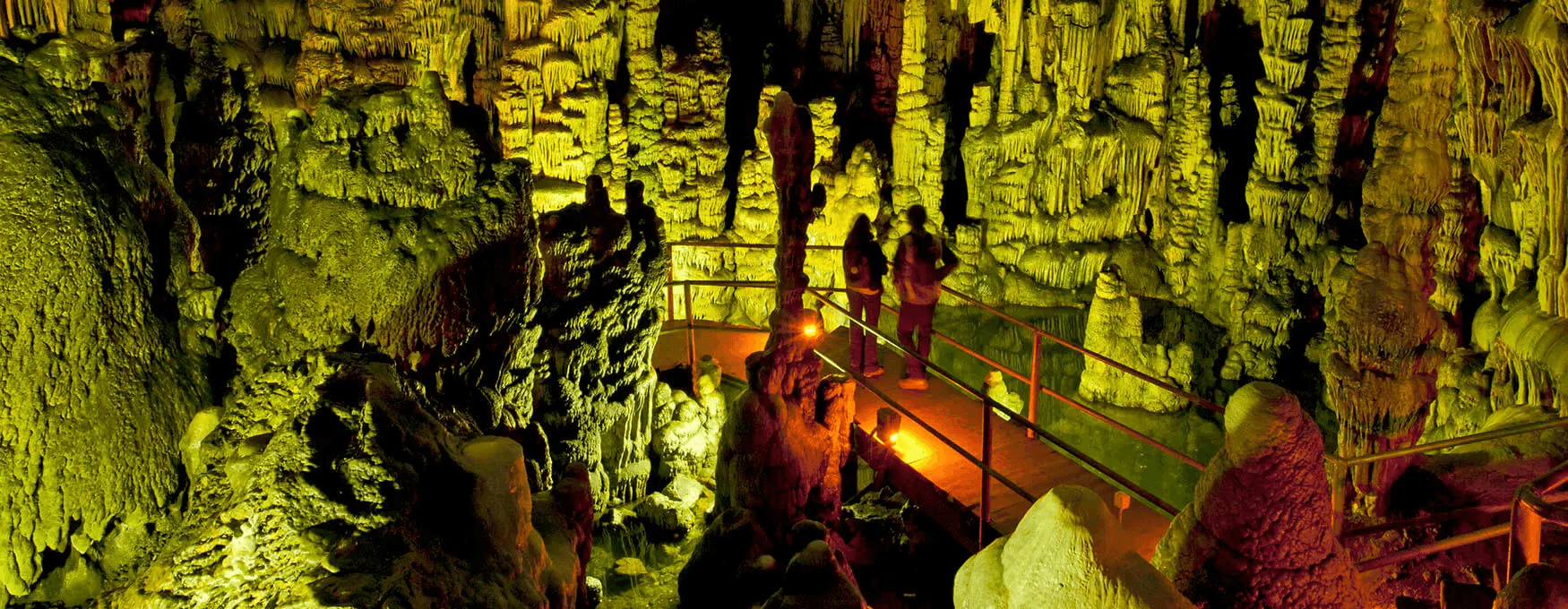
Inside, your gaze will encounter the impressive play of light upon the stalactites and the turquoise waters. Locals call it the “cave of the fairies” because on days when the sun is high, the reflection creates an almost metaphysical light. The formations on the walls bear witness to millions of years of erosion, while the sound of the sea serves as the soundtrack to an experience of absolute tranquillity.
The cave is approximately 70 metres deep, while diving is permitted only for experienced divers, as the depth and currents require specialised equipment.
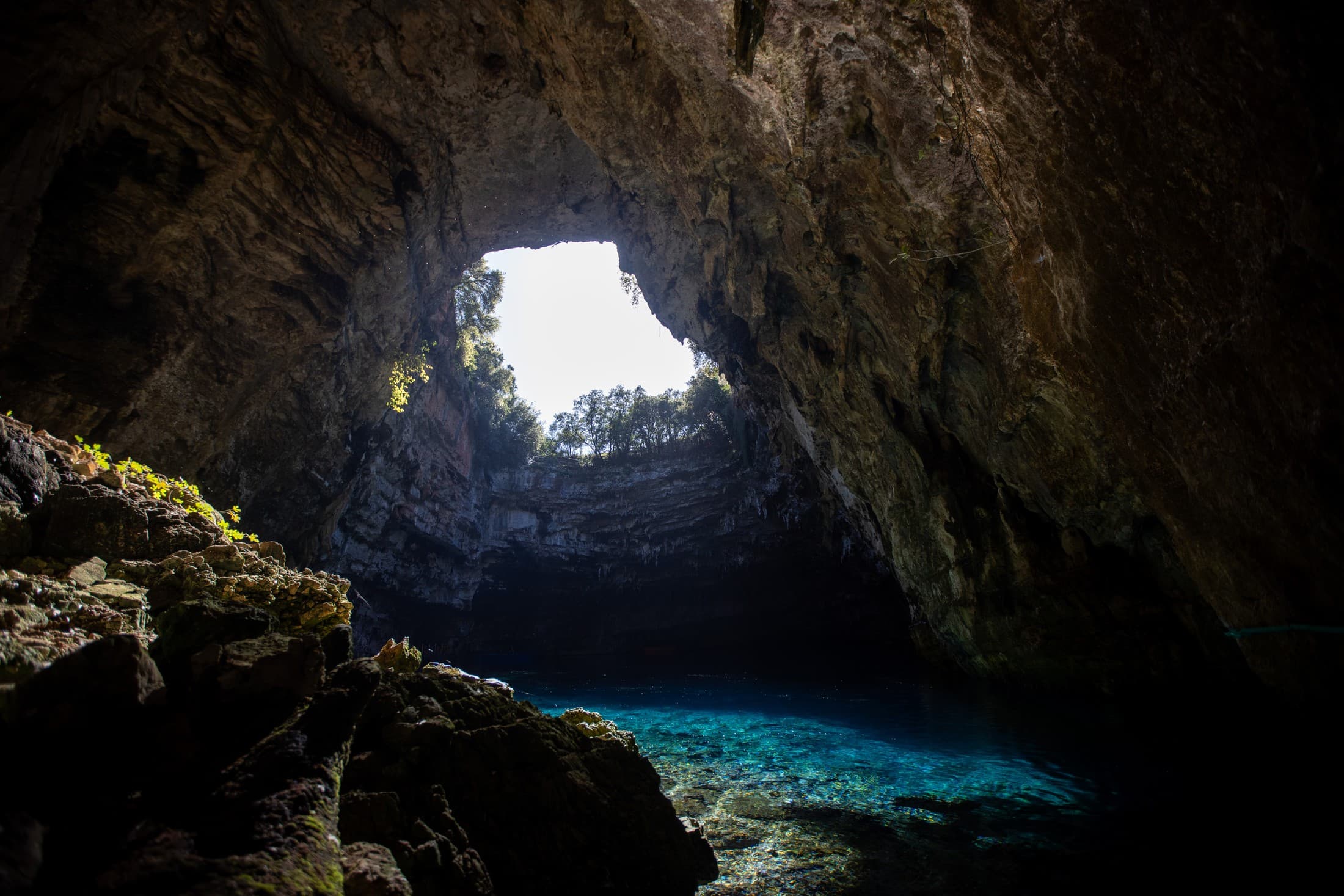
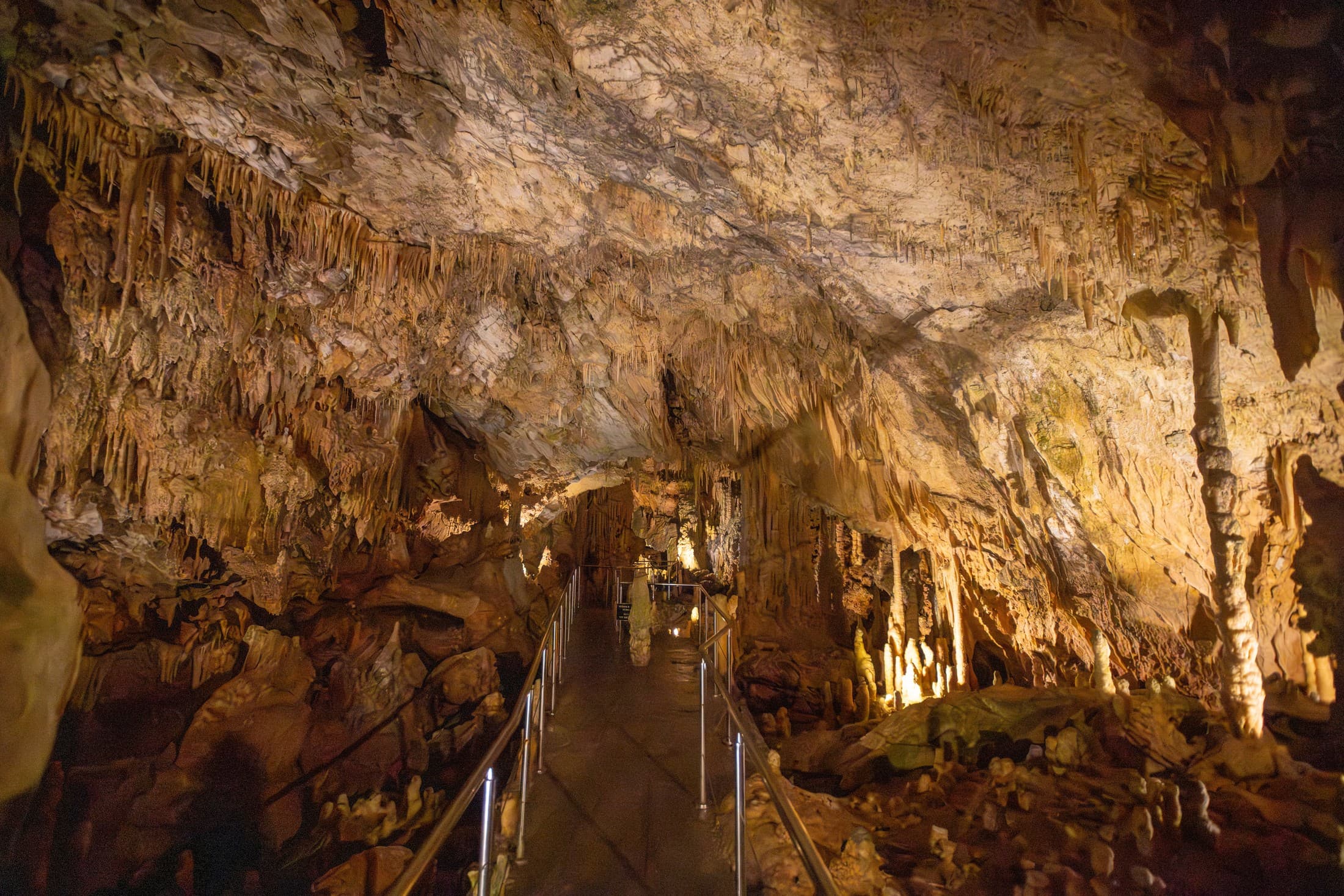
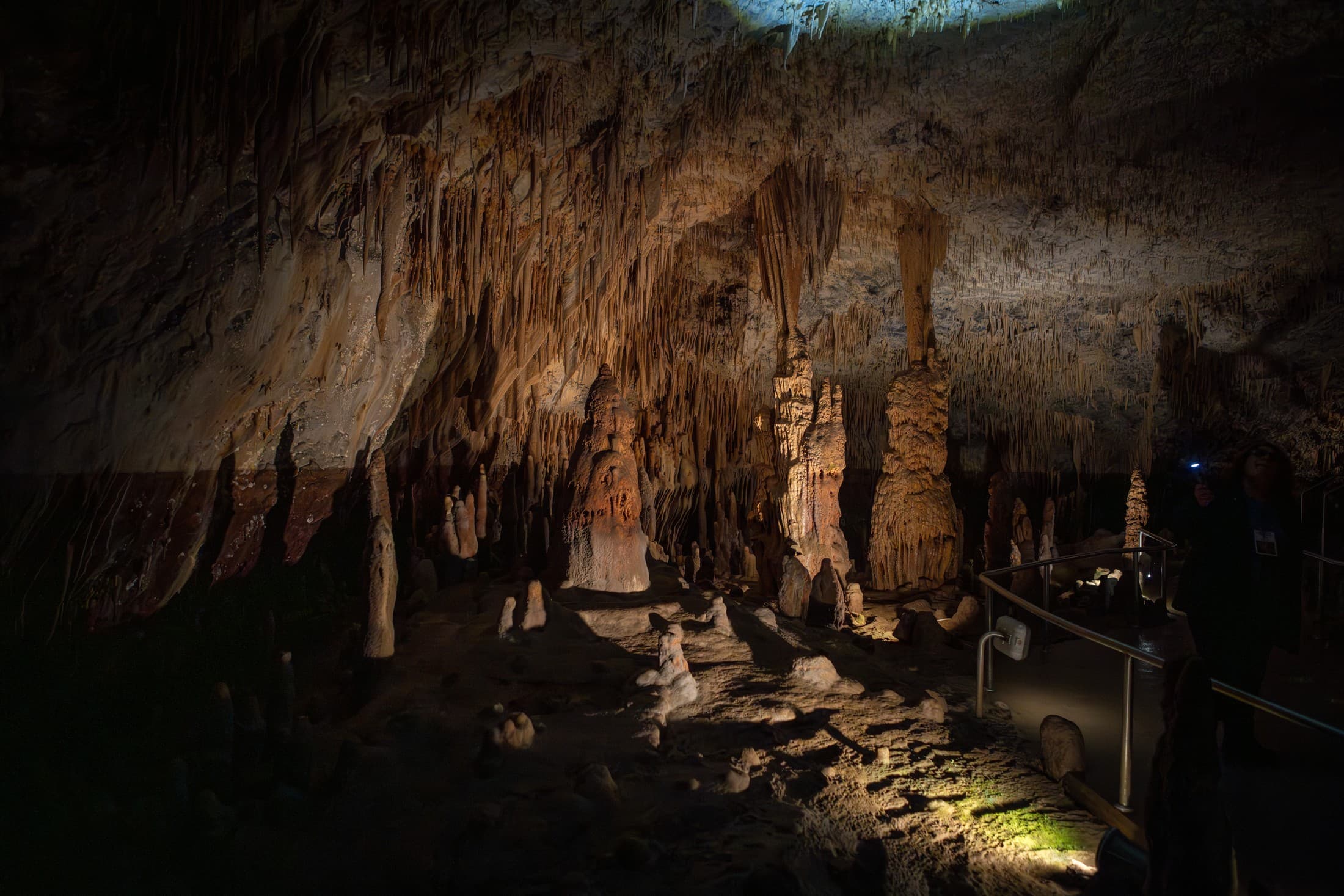
Light enters through a natural opening in the roof, creating an almost theatrical atmosphere, hence the name Fotodotis, meaning “light-giver”. Stalactites and stalagmites form columns reminiscent of capitals, while the waters at the base of the cave have a clear, turquoise hue.
Tichoma Cave
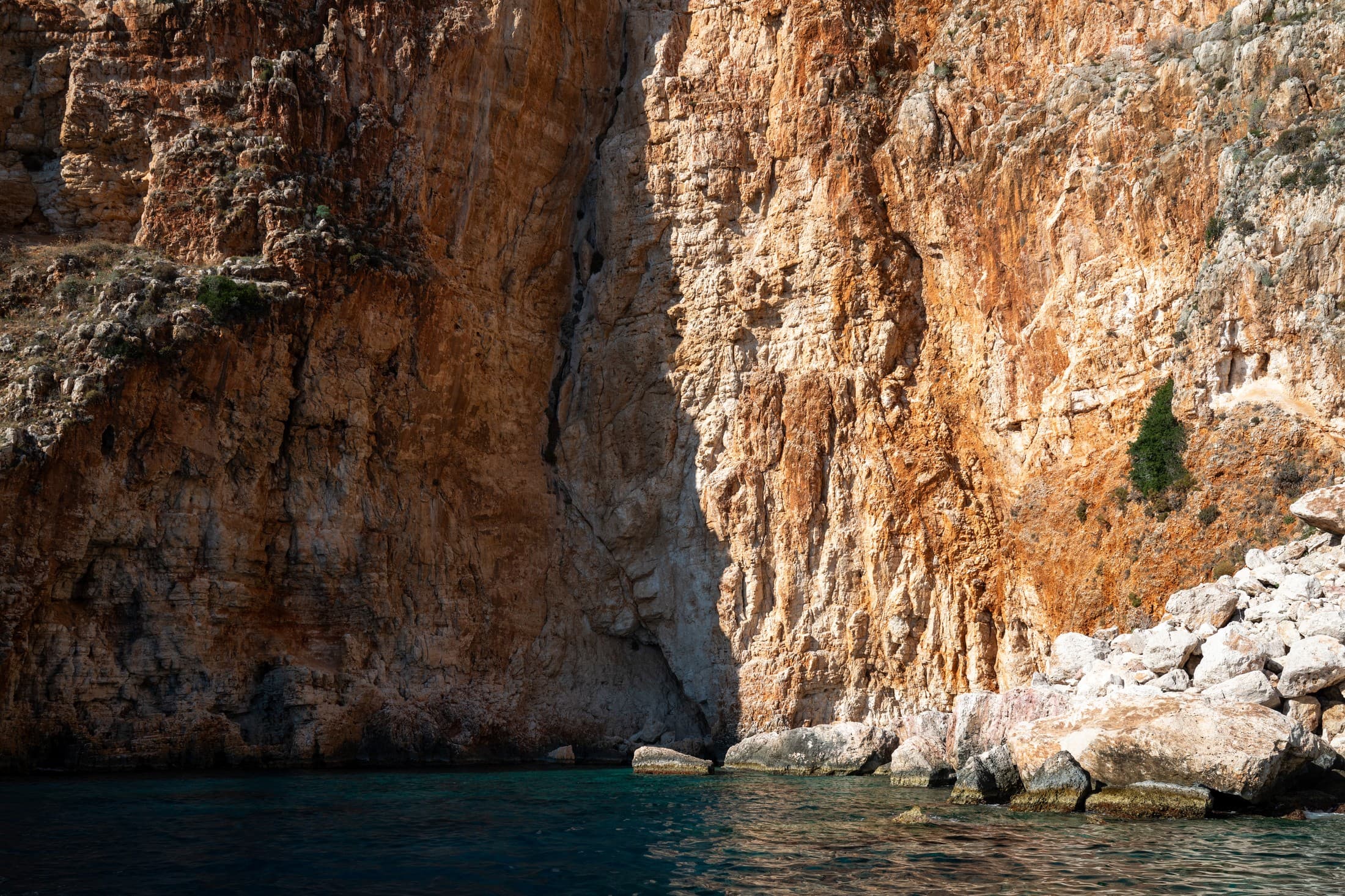
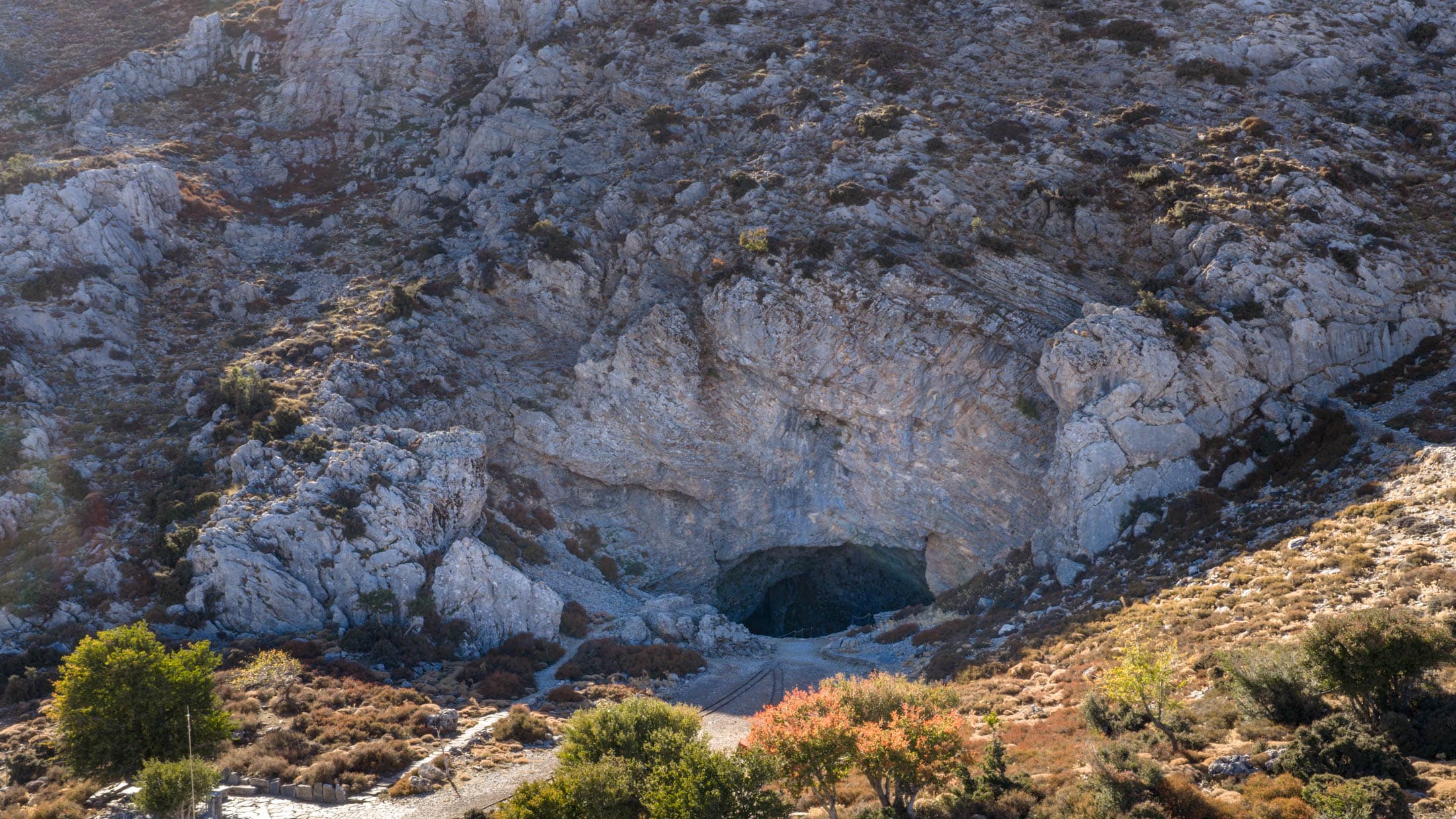
On the northern side of the island, near the cape of Tichoma, the cave of the same name opens into a steep limestone rock with an entrance facing the Aegean Sea. Access is possible only by sea, usually via excursion boats or private vessels departing from the port of Donousa.Inside, your gaze will encounter the impressive play of light upon the stalactites and the turquoise waters. Locals call it the “cave of the fairies” because on days when the sun is high, the reflection creates an almost metaphysical light. The formations on the walls bear witness to millions of years of erosion, while the sound of the sea serves as the soundtrack to an experience of absolute tranquillity.
The cave is approximately 70 metres deep, while diving is permitted only for experienced divers, as the depth and currents require specialised equipment.
Fotodotis Cave
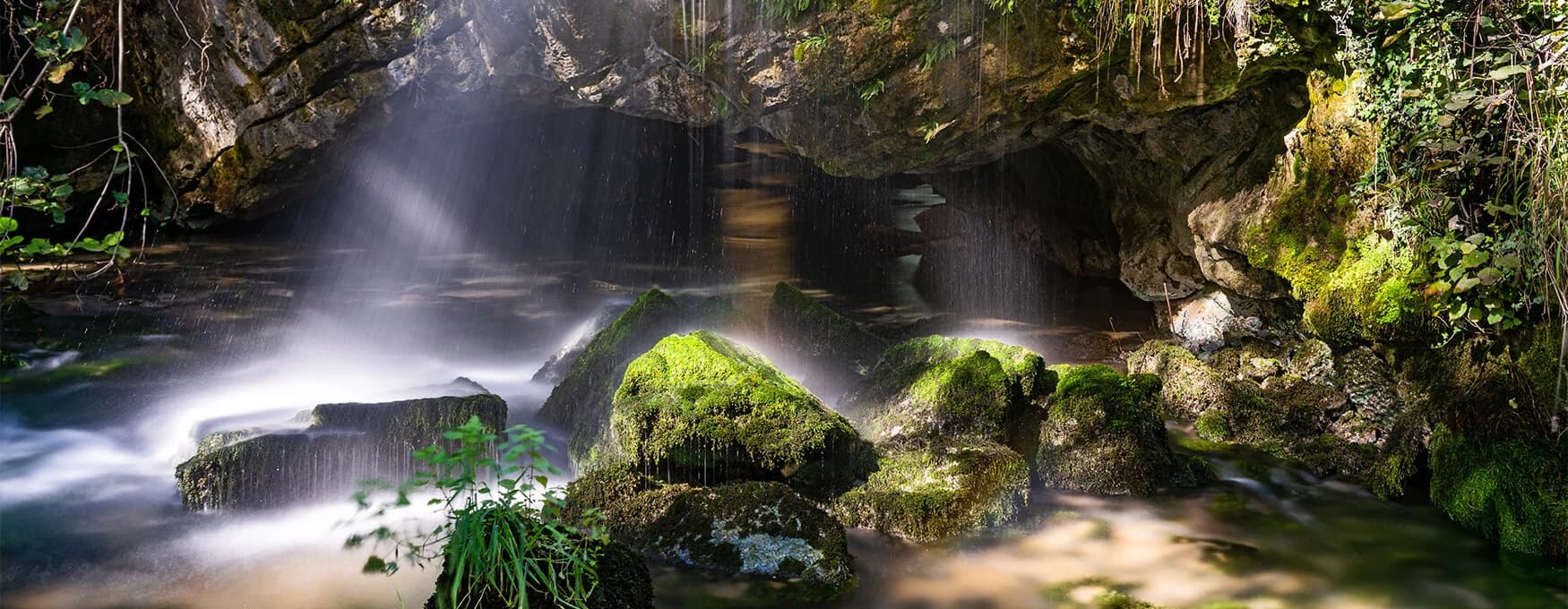
At the south-eastern tip of the island, below the chapel of the Holy Cross of the Fotodotis, lies the most accessible cave on Donousa. The entrance is accessible from land following a short hike from the hamlet of Stavros.Light enters through a natural opening in the roof, creating an almost theatrical atmosphere, hence the name Fotodotis, meaning “light-giver”. Stalactites and stalagmites form columns reminiscent of capitals, while the waters at the base of the cave have a clear, turquoise hue.