Two of the most distinctive neighbourhoods of Athens
Kypseli and Pangrati are two neighbourhoods that embody the multilevel, ever-changing identity of Athens, where the past, present, and future of the city meet in a small circle of streets, cafés, and open-air cinemas.
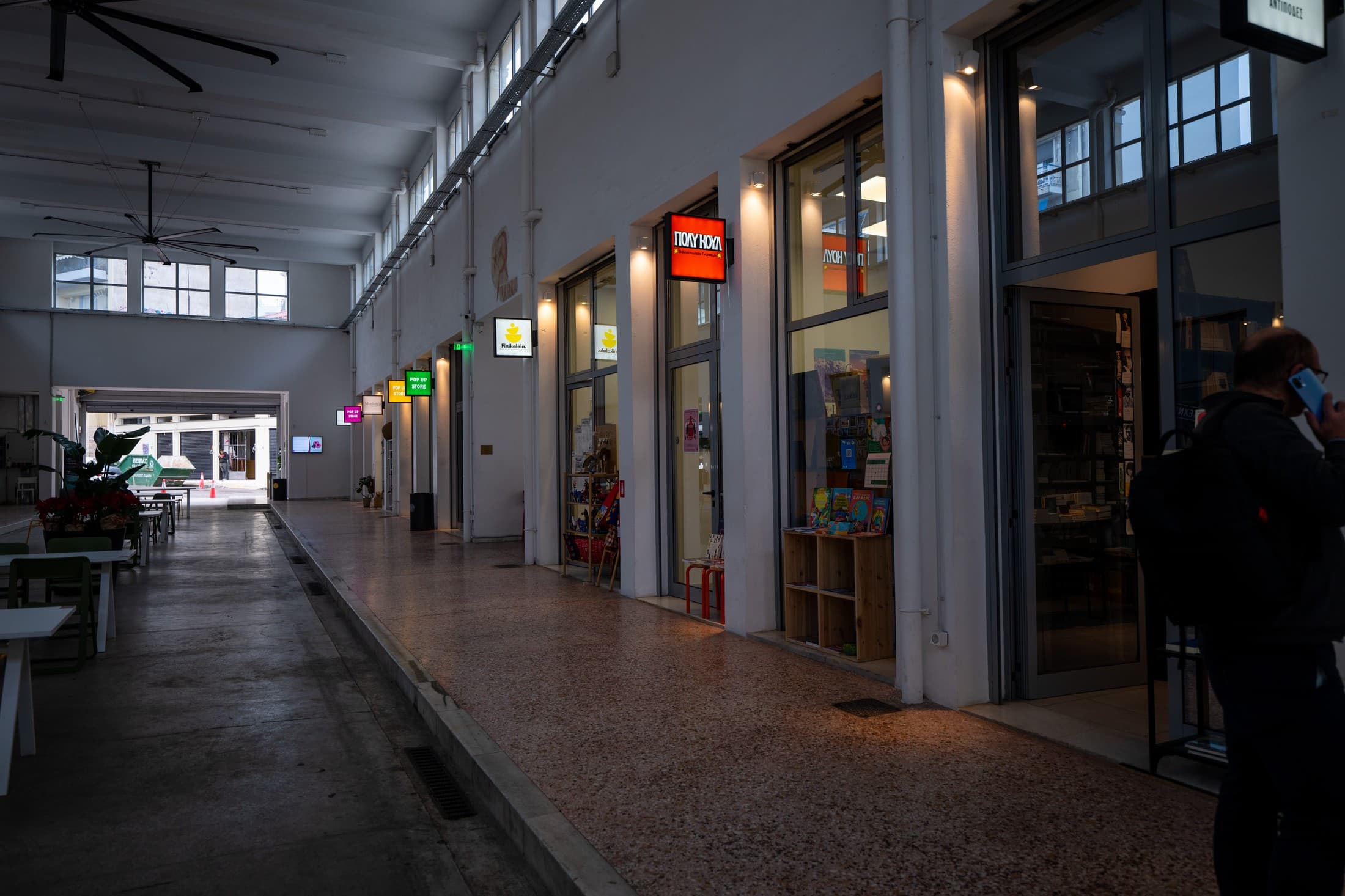
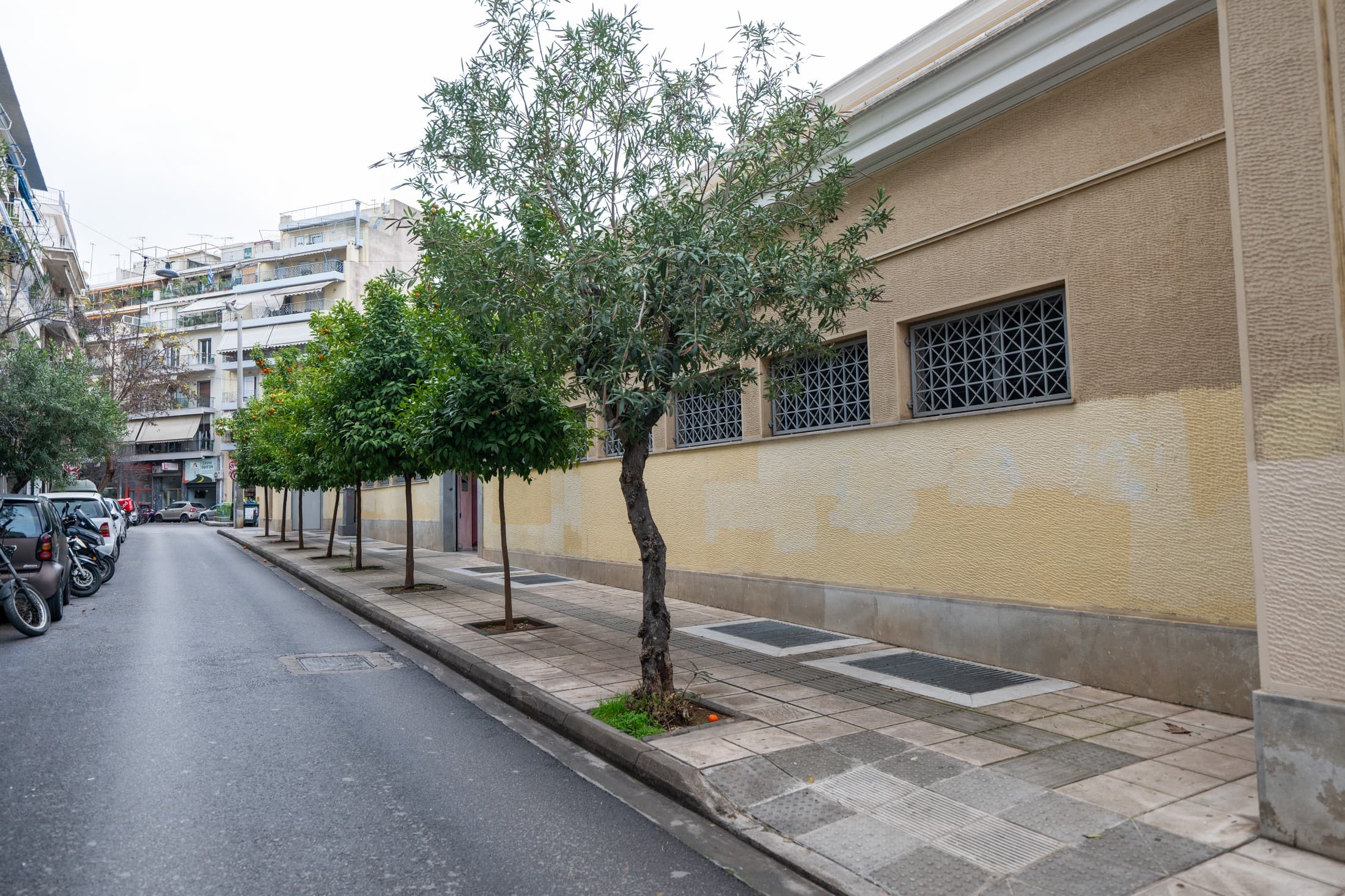
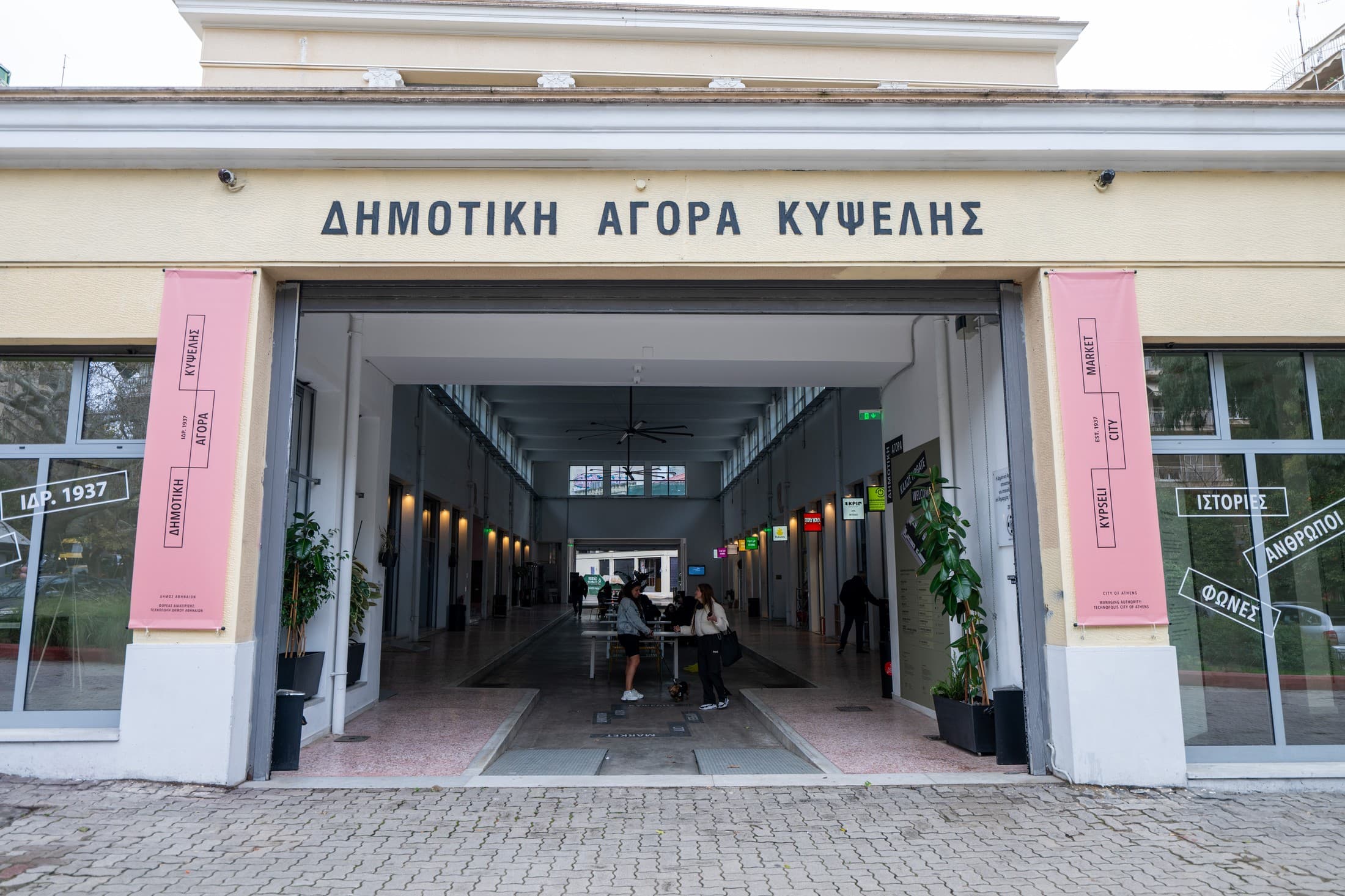
In Kypseli, the neoclassical homes of the early 20th century coexist with interwar blocks of flats that were among the first of their kind in Athens. Its multicultural profile, the result of successive population movements, gave it the reputation of the most vibrant and authentic neighbourhood of the city. It is now a pole of attraction for international artists who choose to set up their studios here, while the area also functions as a creative hub for contemporary art.
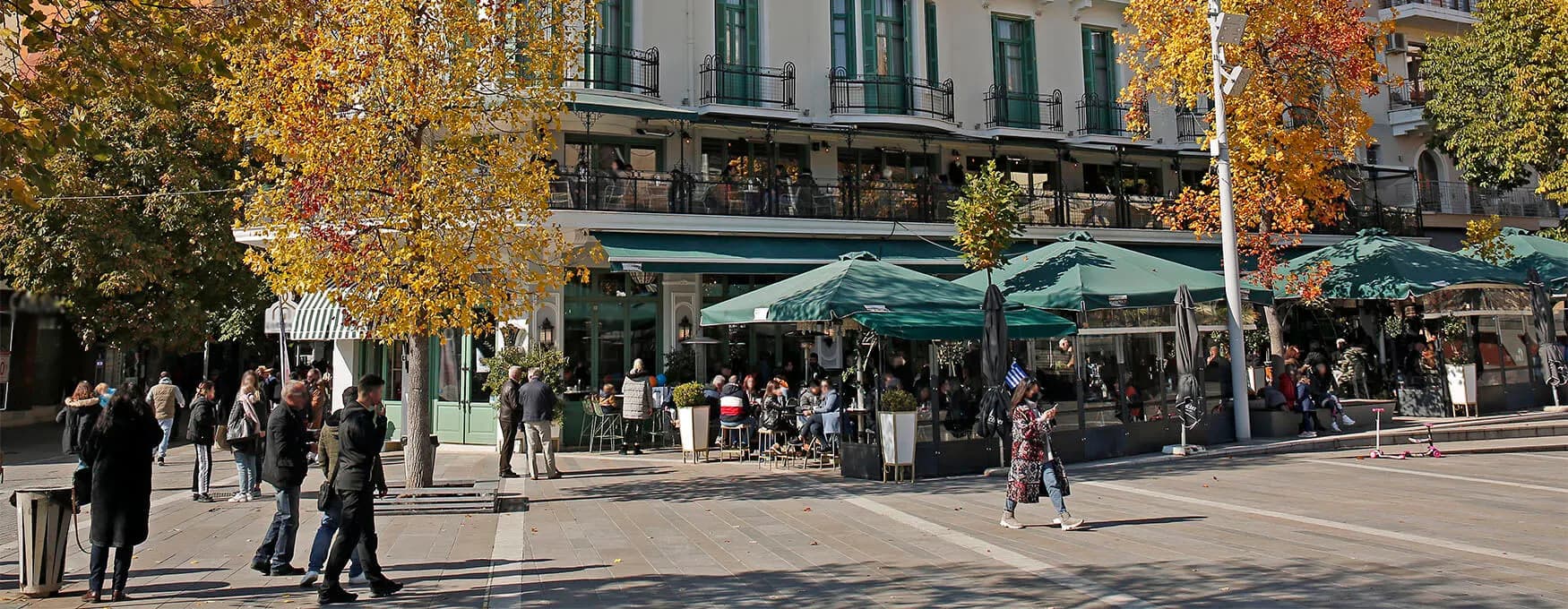
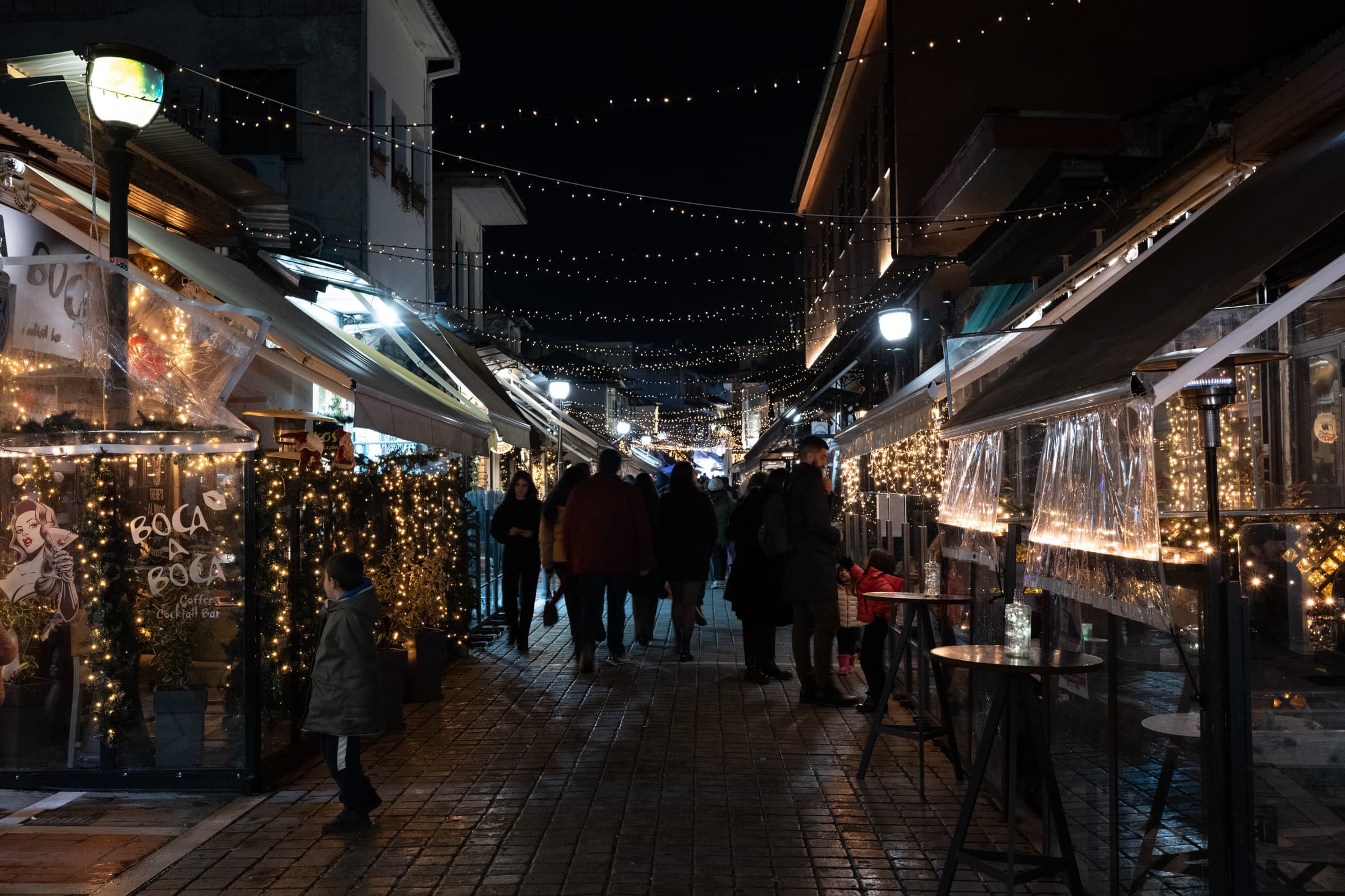
The pedestrian street of Fokionos Negri, lined with trees and adorned with fountains, was once the Athenian boulevard of the 50s, a place to stroll and display elegance. Today, its café tables are bursting with life once more: from classic historic establishments to multicultural restaurants, Kypseli emits a feeling that is most similar to that of a European quarter.
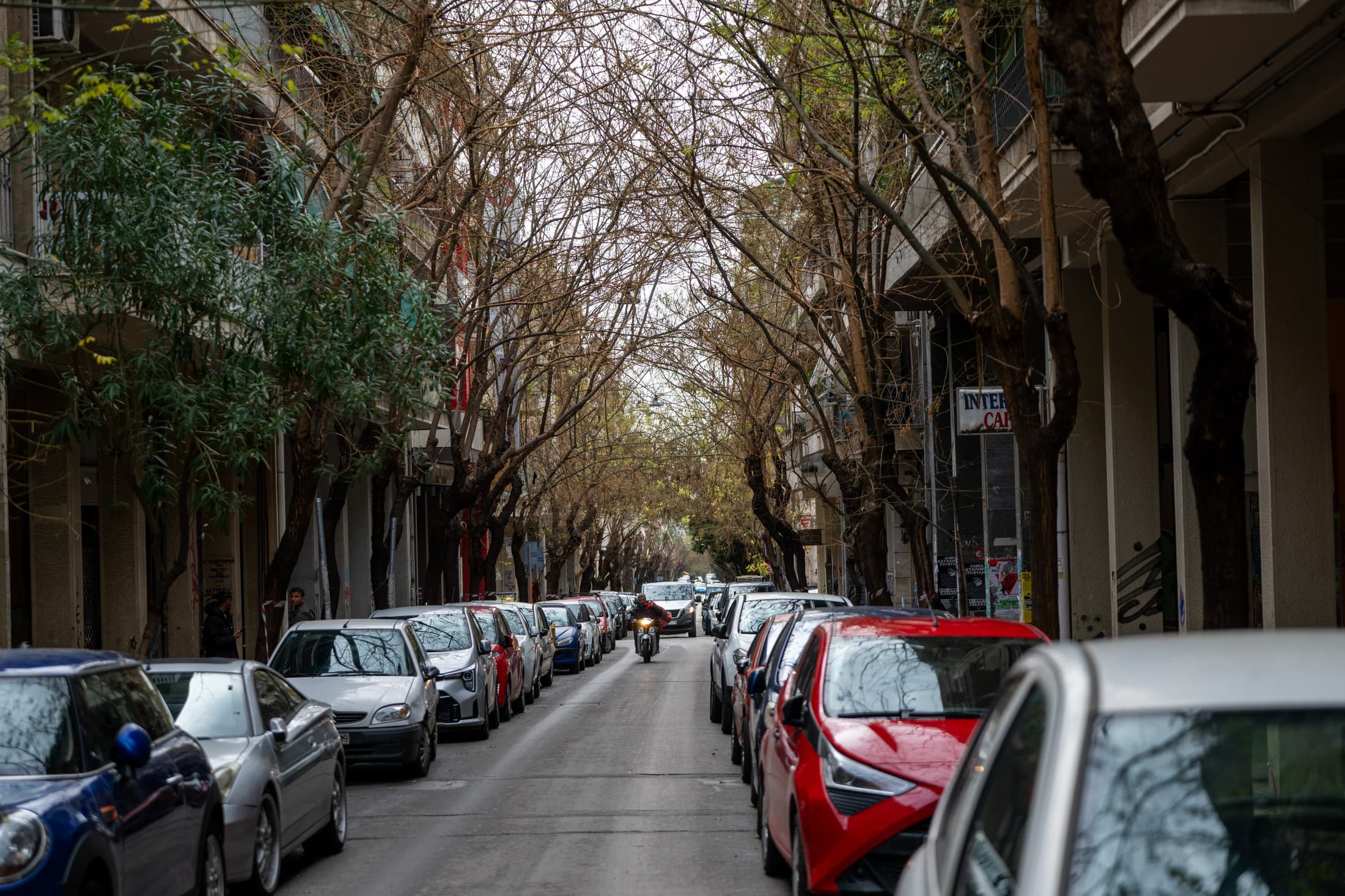
Pangrati, on the other hand, has evolved in recent decades into a nursery of youthful creativity. With its steep uphill streets, the squares of Agios Spyridon, Mesolongi, and Varnavas, the area of Mets and the buildings of the 30s with their art deco railings, it is still reminiscent of an Athens that grew up listening to the radio and leaning out a window onto a marble windowsill. The Basil & Elise Goulandris Foundation Museum has added value to the area by presenting a historical collection of works by artists ranging from El Greco and Giacometti to Pablo Picasso and Francis Bacon.
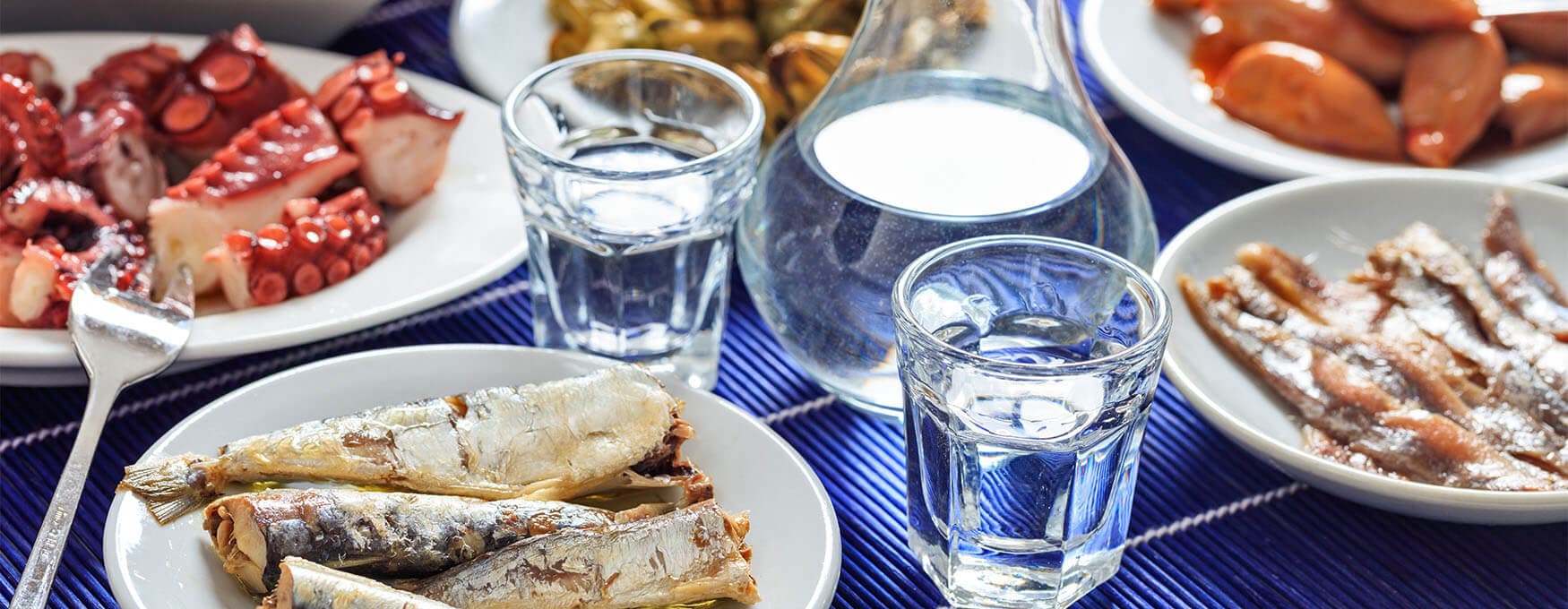
In recent years, Pangrati has become the centre of the new Athenian gastronomy, proposing a landscape of taste that moves between the familiar and the experimental. It has been described as one of the coolest neighbourhoods in the world and that is no accident.
In Kypseli, the neoclassical homes of the early 20th century coexist with interwar blocks of flats that were among the first of their kind in Athens. Its multicultural profile, the result of successive population movements, gave it the reputation of the most vibrant and authentic neighbourhood of the city. It is now a pole of attraction for international artists who choose to set up their studios here, while the area also functions as a creative hub for contemporary art.
The pedestrian street of Fokionos Negri, lined with trees and adorned with fountains, was once the Athenian boulevard of the 50s, a place to stroll and display elegance. Today, its café tables are bursting with life once more: from classic historic establishments to multicultural restaurants, Kypseli emits a feeling that is most similar to that of a European quarter.
Pangrati, on the other hand, has evolved in recent decades into a nursery of youthful creativity. With its steep uphill streets, the squares of Agios Spyridon, Mesolongi, and Varnavas, the area of Mets and the buildings of the 30s with their art deco railings, it is still reminiscent of an Athens that grew up listening to the radio and leaning out a window onto a marble windowsill. The Basil & Elise Goulandris Foundation Museum has added value to the area by presenting a historical collection of works by artists ranging from El Greco and Giacometti to Pablo Picasso and Francis Bacon.
In recent years, Pangrati has become the centre of the new Athenian gastronomy, proposing a landscape of taste that moves between the familiar and the experimental. It has been described as one of the coolest neighbourhoods in the world and that is no accident.