Climbing Mount Olympus. In the paths of gods and humans

Climbing Mount Olympus. In the paths of gods and humans

Share

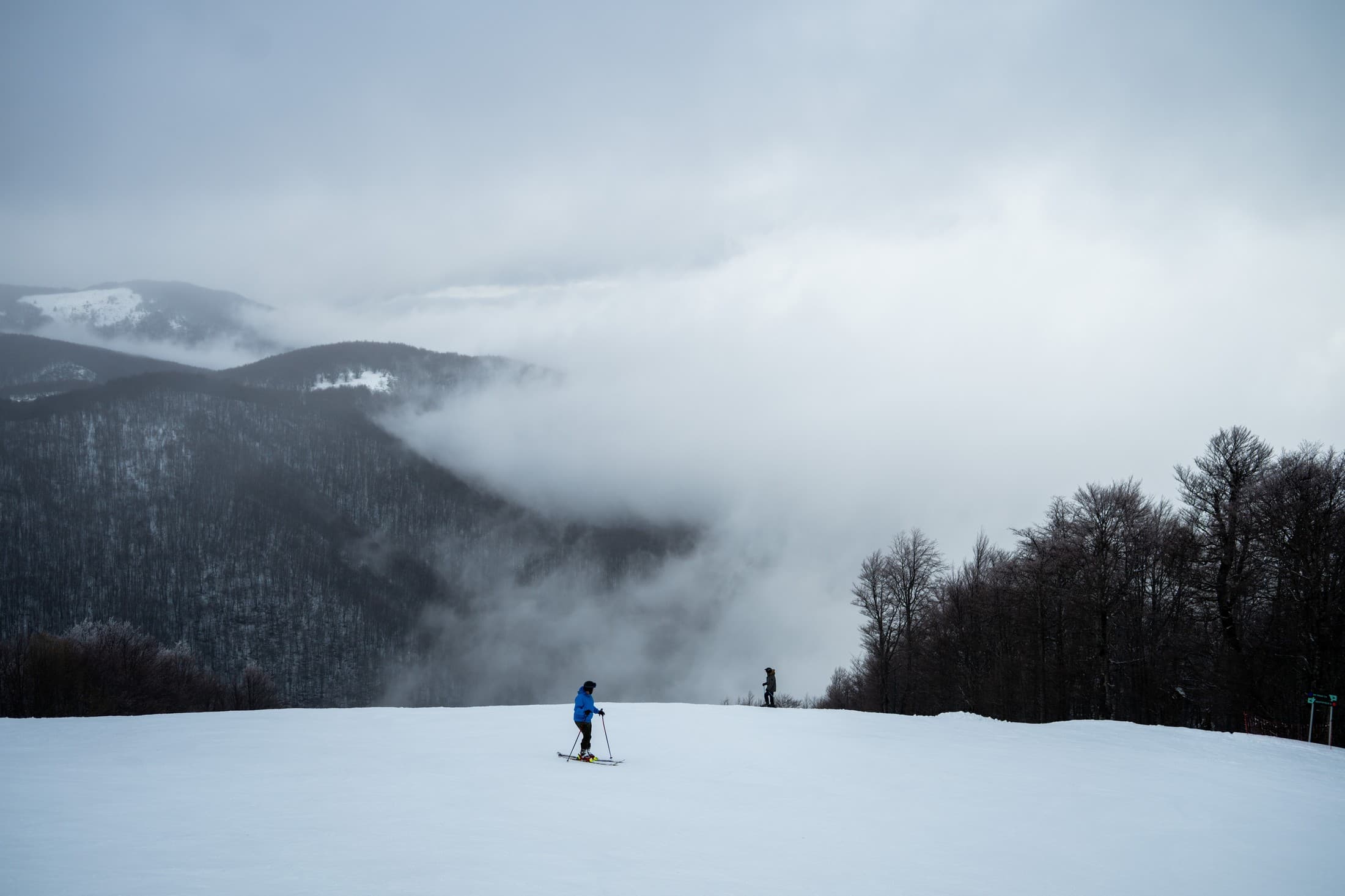
Experience the ultimate mountaineering experience on Mount Olympus, the highest mountain in Greece, the mythical residence of the twelve Olympian gods. A universal symbol and a global monument of culture, it attracts nature lovers from every corner of the Earth. Depending on their experience, preparation and physical condition, they have the opportunity to choose easier or more challenging paths: from the fairytale Enipeas Gorge, winding past running streams and towering cliffs, to Mytikas, the highest peak in Greece at 2,918 m. altitude. Mount Olympus was the first designated National Park in Greece. The area has been recognised as a Biosphere Reserve under the UNESCO Man and Biosphere Programme and has been included in the Natura 2000 network of protected areas.

Macedonia

Route information

Distance

23 km, divided as follows: Crossing of the Enipeas Gorge Litochoro-Prionia (12 km), Prionia-Spilios Agapitos (6.5 km), Spilios Agapitos-Mytikas (4.5 km)

Estimated duration

From 13 to 16 hours, divided as follows: Crossing of the Enipeas Gorge Litochoro-Prionia (6-8 hours), Prionia -Spilios Agapitos (about 4 hours), Spilios Agapitos-Mytikas (3-4 hours).

Route type

Walking

When to go

From May to Octobre. The special microclimate of Mt Olympus, especially at high altitudes, creates unpredictable weather conditions and the mountain can become inhospitable during other months. In any case, climbing to the top of Mytikas requires knowledge, experience, proper equipment and the accompaniment of certified guides in order to safely enjoy this sensational experience.

Visit proposal

Before You Start• Adhere to safety measures, especially in the most difficult points of the route. • Before you leave your base, check the weather conditions on the mountain, both at lower and higher altitudes. • Wear proper footwear and clothing. The use of a helmet is necessary, especially after the altitude of 2,000 metres, for safety reasons. • Carry sufficient water, small snacks and basic first aid equipment.• For safety reasons, it is necessary to be accompanied by a certified guide during the ascent.• Do not feed the animals or pick flowers. • Swimming within Olympus National Park is not allowed. • Do not leave litter behind or write slogans on the rocks. Mt Olympus is an area of high ecological value and we must all protect it.

  • 01

    Not found

    Enipeas Gorge

    Just outside the picturesque village of Litochoro, at the location Myli (altitude 400 m), one of the main entrances to the Olympus National Park, one of the most beautiful hiking trails in Greece begins. Following the E4 path, you will cross the famous Enipeas Gorge all the way to Prionia (12 km, 6-8 hours, 700 m elevation gain, of moderate difficulty), at the sources of the river. From the first metres of the route through the gorge, the landscape inspires and imposes itself: the sound of the river flowing, the air passing through the plane trees, the wooden bridges, the dense vegetation and the shade of the spectacular rocks create a setting of serenity and grandeur. Along the route to Prionia, you will cross the river seven times. Take in the intoxicating aromas of the wild herbs of Olympus, such as thyme, oregano and mountain tea, and walk among beech trees, walnut trees and black pines. The route is demanding, due to both its length and uphill slope, as well as its terrain, which ranges from a manageable path to pebbles and rocks.

  • 02

    Not found

    Cave of Agios Dionysios

    A must-see stop is the Cave of Agios Dionysios (Saint Dionysios), with its single-room chapel, a place of pilgrimage. Saint Dionysios of Olympus, who lived in the area in the mid-16th century, is believed to have been an ascetic. After a 20-minute walk, with a detour of 50 m, you reach the Old Monastery, founded by him in 1542. The monastery flourished during the Ottoman rule, but in 1943 it was blown up by the German occupation troops. Today, the ruins of the katholikon and the north wing are preserved, including the refectory and the tower of the monastery, while restoration works are in progress.

  • 03

    Not found

    Waterfall of Enipeas

    Not far from the Cave of Agios Dionysios, the dense vegetation hides another breathtaking spectacle. Falling from a height of 38 metres, the rushing waterfall of Enipeas forms a beautiful lake with turquoise crystal clear waters. Stand in awe before the grandeur of nature and relax while enjoying the tranquility of the landscape. After resting, continue along the path to Prionia. From there you will return to Litochoro by road (18 km / 30 minutes) or by hiking again, through the same path, as the route is not circular. Alternatively, if your experience allows and you’ve made sure to bring the proper equipment, you can continue even higher. For hikers who want to experience only the crossing of the Enipeas Gorge, the reverse course is recommended, starting from Prionia and finishing at Litochoro. This path is downhill and therefore easier.

  • 04

    Not found

    Spilios Agapitos Shelter

    The most popular mountaineering trail on Mt Olympus starts from Prionia, part of E4 (6.5 km, approximately 4 hours, of moderate difficulty, 1,000 metres elevation gain), leading to the Spilios Agapitos Shelter. The trail is very well maintained and forested for most of its part, with pine, fir and beech trees being the dominant vegetation. If you skip the crossing of the Enipeas Gorge, you can reach Prionia by car from Litochoro, leave your car in the parking lot and start the ascent from there to the shelter. Excellently equipped and organised, it was founded in 1930 and today features 110 beds, divided into three different wings. It operates daily from May to Octobre, and reservations are required if you plan to stay overnight. From its natural balcony, at an altitude of 2,060 metres, you will enjoy one of the most beautiful sunrises – it is worth waking up before dawn to experience it!

  • 05

    Not found

    Mytikas, peak of Mount Olympus

    With the first light of the day and if the weather conditions allow, you can set out from the shelter in order to climb to the highest peak of Mount Olympus, Mytikas (4.5 km, 3-4 hours, 900 m elevation gain). Please note that this is a particularly demanding and uphill route, which should only be attempted with a certified guide or if you have mountaineering experience, good physical condition and the proper mountaineering gear (helmet, mountaineering shoes, rope, etc.), which you will need in the last part of the route to the top. There are two main routes that lead to Mytikas from Spilios Agapitos: one, which is the most common, via Skala, the other, even more difficult, via Louki. After crossing the bare alpine terrain, the ultimate reward comes at 2,918 metres. The magnificent view is breathtaking and fantasy meets reality. Feel awe before the wonders of nature, listen to the absolute silence. Welcome to the residence of the twelve gods of Ancient Greece. And More Below Mytikas, another trail continues towards the famous Plateau of the Muses, at an altitude of 2,650 m. You can approach it via a detour from Zonaria, to see the peaks from another perspective, and especially the iconic Stefani summit, the so-called "throne of Zeus". In the Plateau of the Muses there are two additional shelters, where you can stay overnight (by reservation), if you wish to extend your stay in the mountain.

Let Greece inspire you!

Subscribe to our newsletter and discover unique ideas and hidden treasures for your next trip.