A mosaic of neighbourhoods with a distinct character
Piraeus is a city with neighbourhoods that are fragrant with the scent of salt and memory, toil and grandeur, dreams and movement. Each has its own character imprinted on mansions, tavernas (traditional eateries), and marinas, while even the stones themselves have seen wars, refugees, and shipowners.
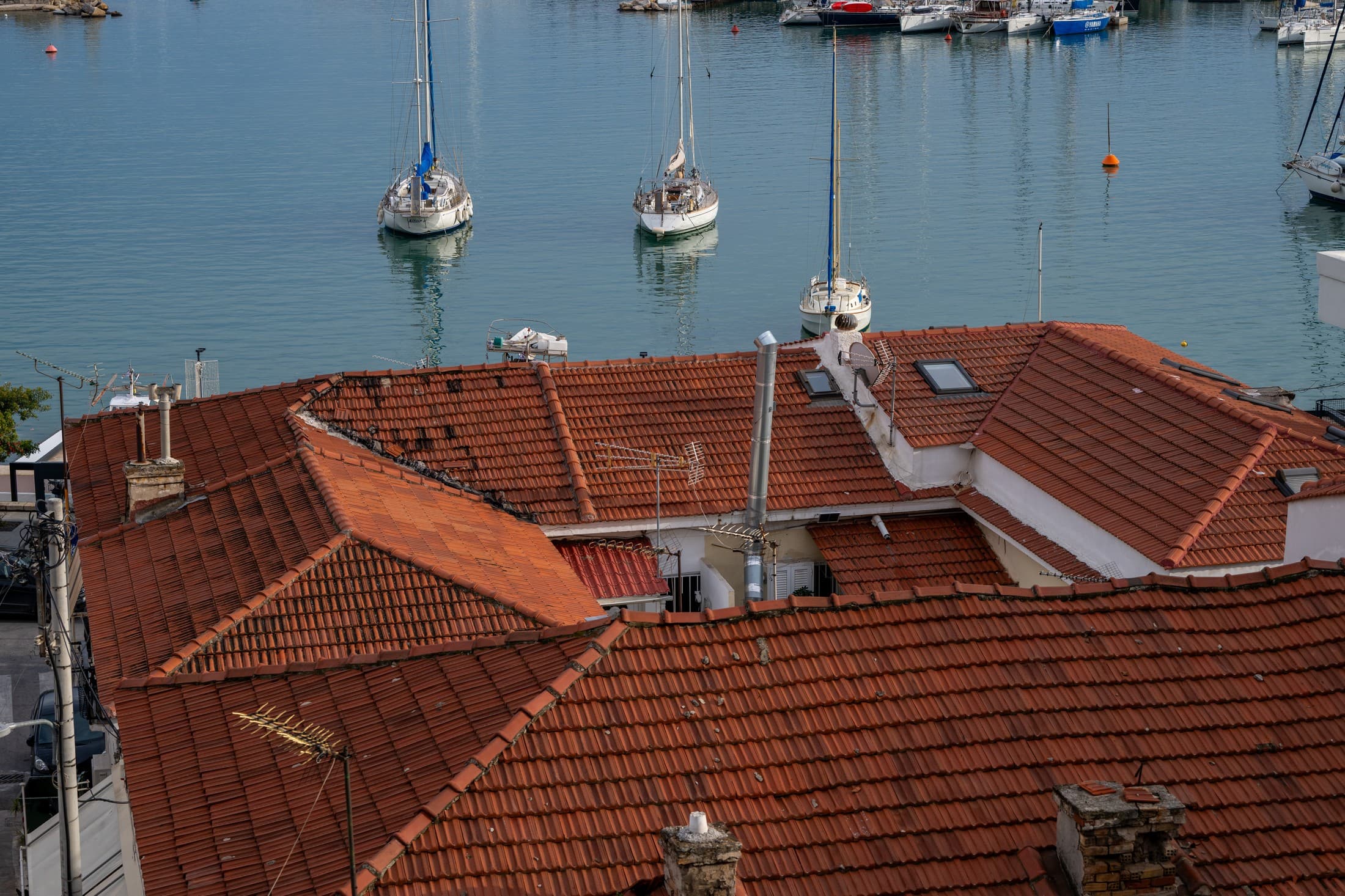
Mikrolimano is the most cosmopolitan side of the port, with nautical clubs, sailboats, and light reflected in the waters like a frame from a film. Old fishing boats share the marina with yachts, while in the evenings the aroma of ouzo and fresh fish dominates the fish tavernas.
Further along, Delfinario (Theater Dolphinarium Menandreio) and Peace and Friendship Stadium attract crowds for theatrical and musical events, sports competitions, and outdoor walks in the seaside park.
In Kastella, the style of the city changes: it features 19th-century neoclassical mansions, narrow steps, and terraces overlooking the sea.
The grove of Profitis Ilias is filled with pine trees and offers panoramic views of the Saronic Gulf, while also hosting the open-air Veakeio Theatre.
As you move deeper inside, the refugee neighbourhoods of the 20s and 30s, such as Kokkinia and Maniatika, retain Piraeus’ identity as belonging to the people. Kafenia (traditional coffee houses) and old barber shops, slogans painted on walls, traditional panigyria (traditional festivals), and the stories of the locals bear witness to the constant presence of the refugee culture and working-class ethos that moulded the identity of the city.
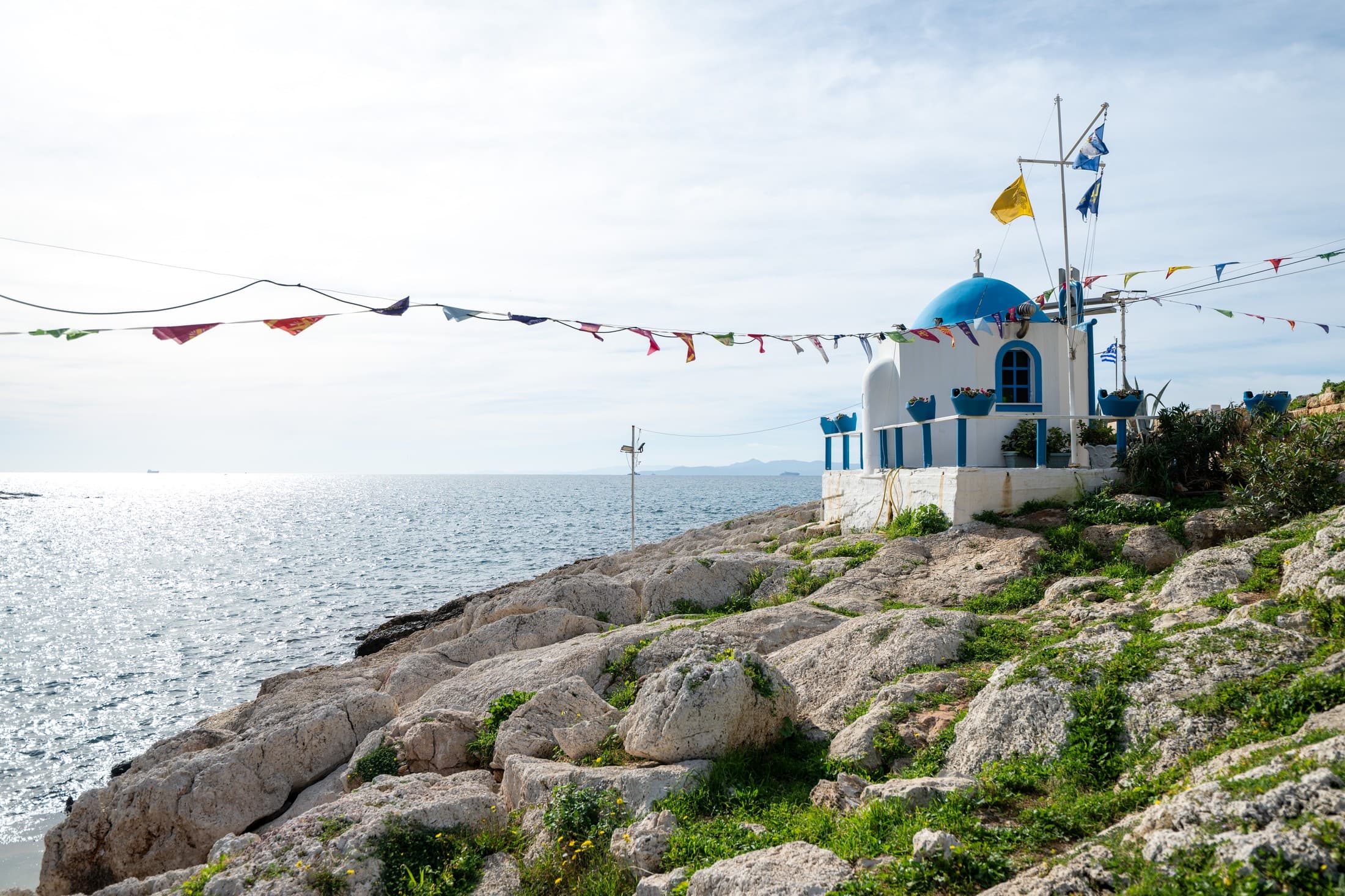
In Piraiki, Piraeus once again meets the sea. The rock gardens, the bay of Aphrodite, the fishing caiques docking before the chapel of Agios Nikolaos, and the sun setting in the Saronic Gulf compose an almost poetic image.
Between Kastella and Pasalimani, Votsalakia is one of the quietest, summery nooks of Piraeus. A small beach with fine pebbles and clear waters, stretching amphitheatrically below the hill of Profitis Ilias. People swim here every day of the year, while the Votsalakia basketball court is on the beach. Next door there is a café and, in the summer, an open-air cinema.
Mikrolimano is the most cosmopolitan side of the port, with nautical clubs, sailboats, and light reflected in the waters like a frame from a film. Old fishing boats share the marina with yachts, while in the evenings the aroma of ouzo and fresh fish dominates the fish tavernas.
Further along, Delfinario (Theater Dolphinarium Menandreio) and Peace and Friendship Stadium attract crowds for theatrical and musical events, sports competitions, and outdoor walks in the seaside park.
In Kastella, the style of the city changes: it features 19th-century neoclassical mansions, narrow steps, and terraces overlooking the sea.
The grove of Profitis Ilias is filled with pine trees and offers panoramic views of the Saronic Gulf, while also hosting the open-air Veakeio Theatre.
As you move deeper inside, the refugee neighbourhoods of the 20s and 30s, such as Kokkinia and Maniatika, retain Piraeus’ identity as belonging to the people. Kafenia (traditional coffee houses) and old barber shops, slogans painted on walls, traditional panigyria (traditional festivals), and the stories of the locals bear witness to the constant presence of the refugee culture and working-class ethos that moulded the identity of the city.
In Piraiki, Piraeus once again meets the sea. The rock gardens, the bay of Aphrodite, the fishing caiques docking before the chapel of Agios Nikolaos, and the sun setting in the Saronic Gulf compose an almost poetic image.
Between Kastella and Pasalimani, Votsalakia is one of the quietest, summery nooks of Piraeus. A small beach with fine pebbles and clear waters, stretching amphitheatrically below the hill of Profitis Ilias. People swim here every day of the year, while the Votsalakia basketball court is on the beach. Next door there is a café and, in the summer, an open-air cinema.