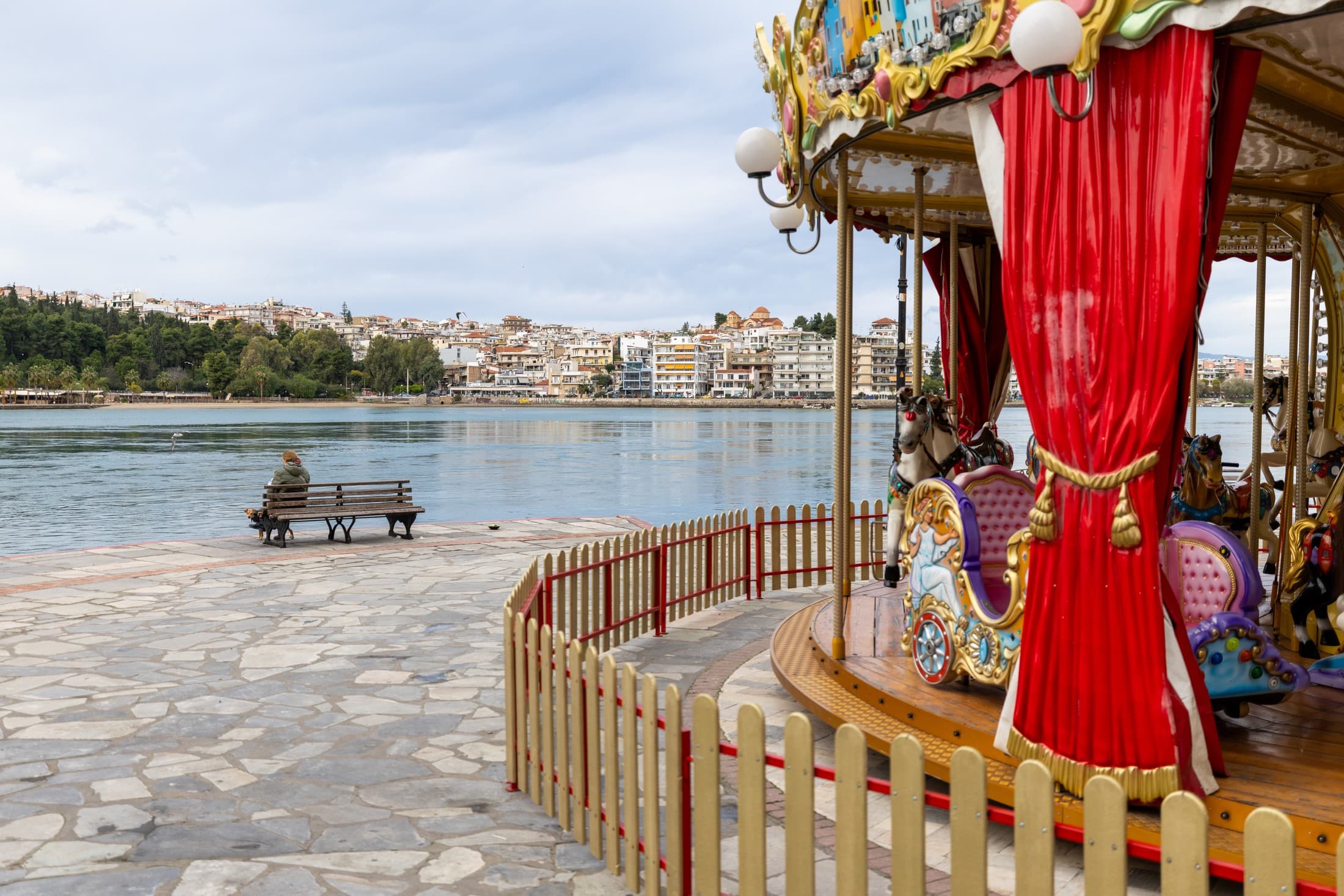
A walk along the waters of the Evripos Strait
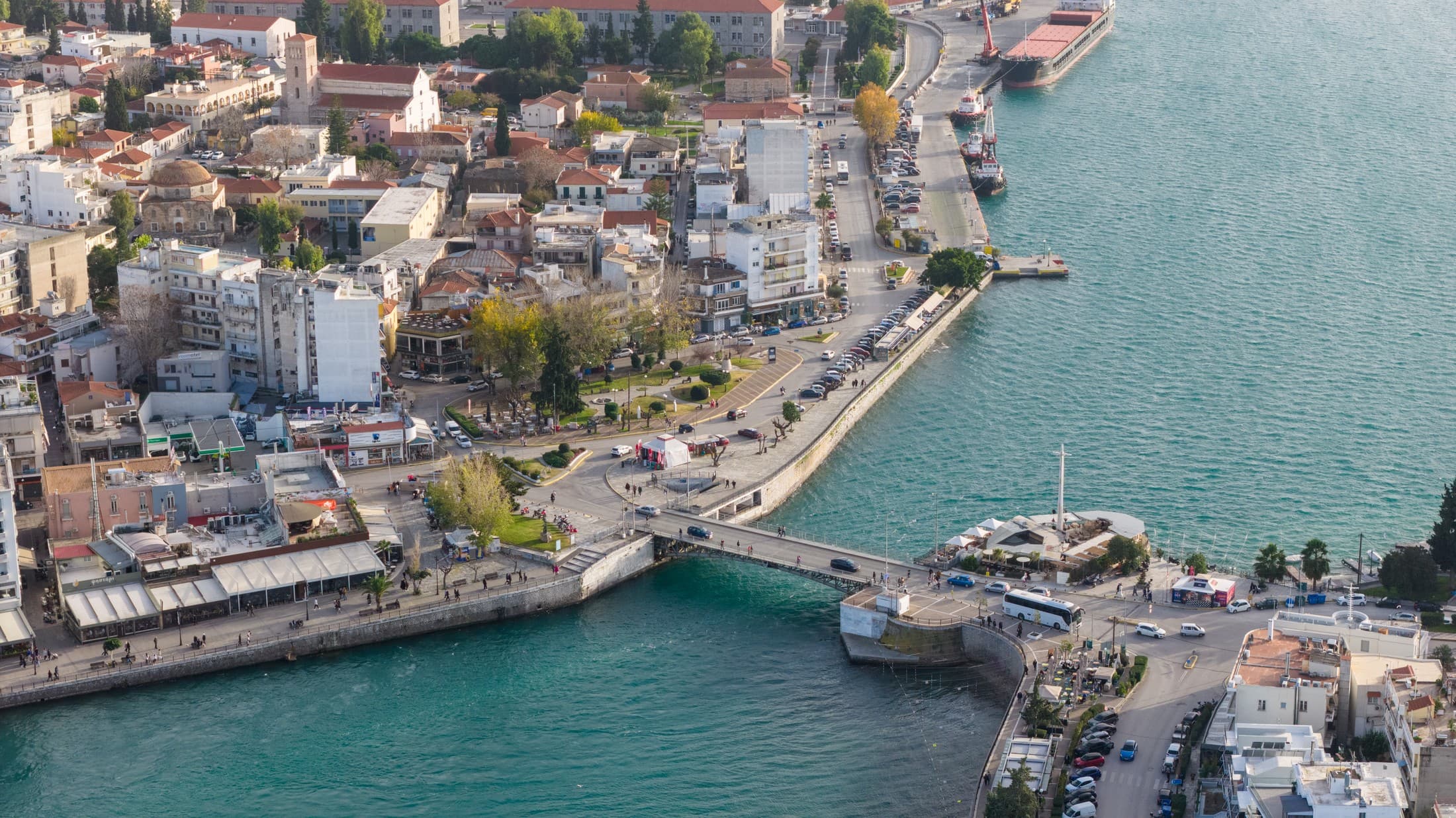
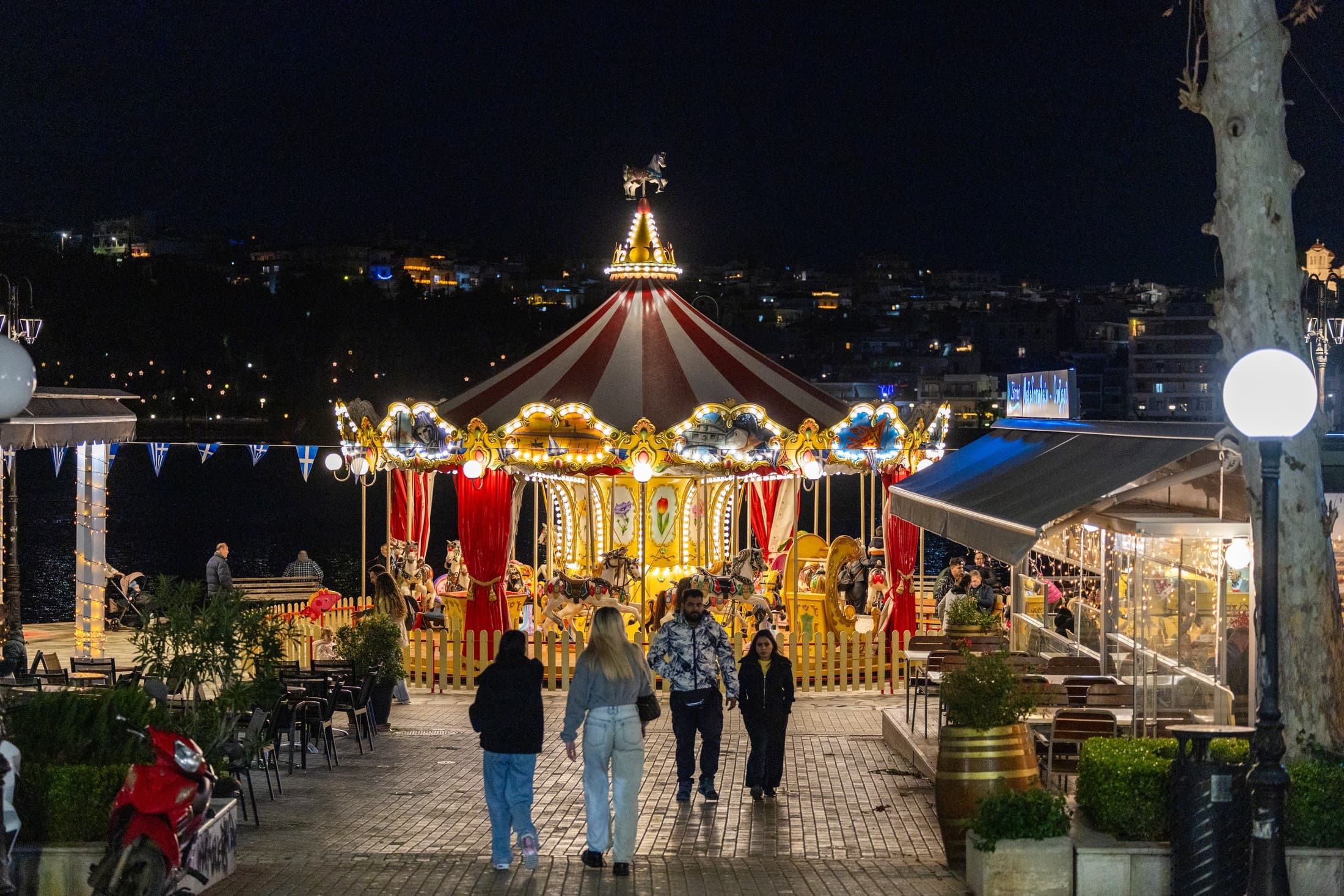
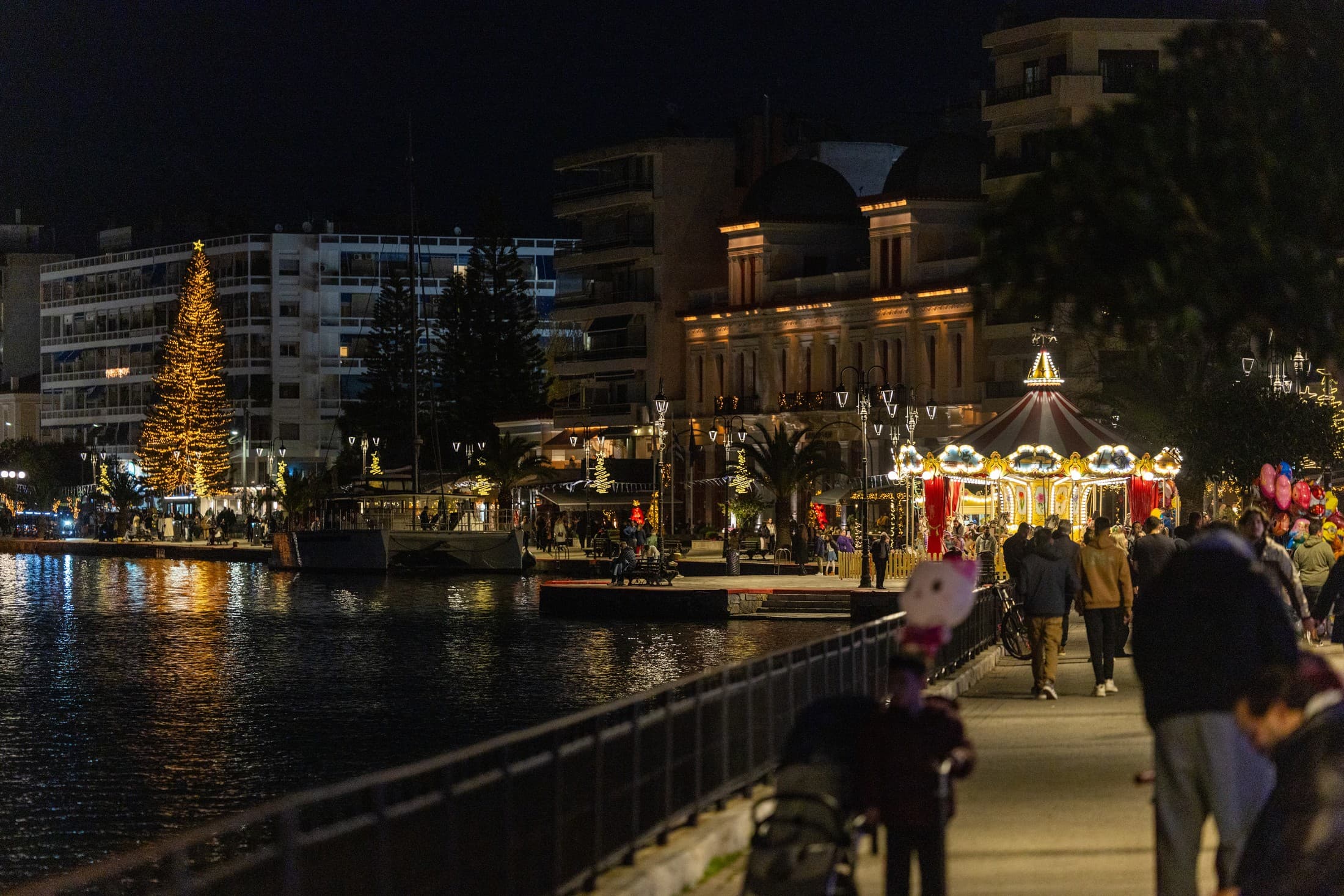
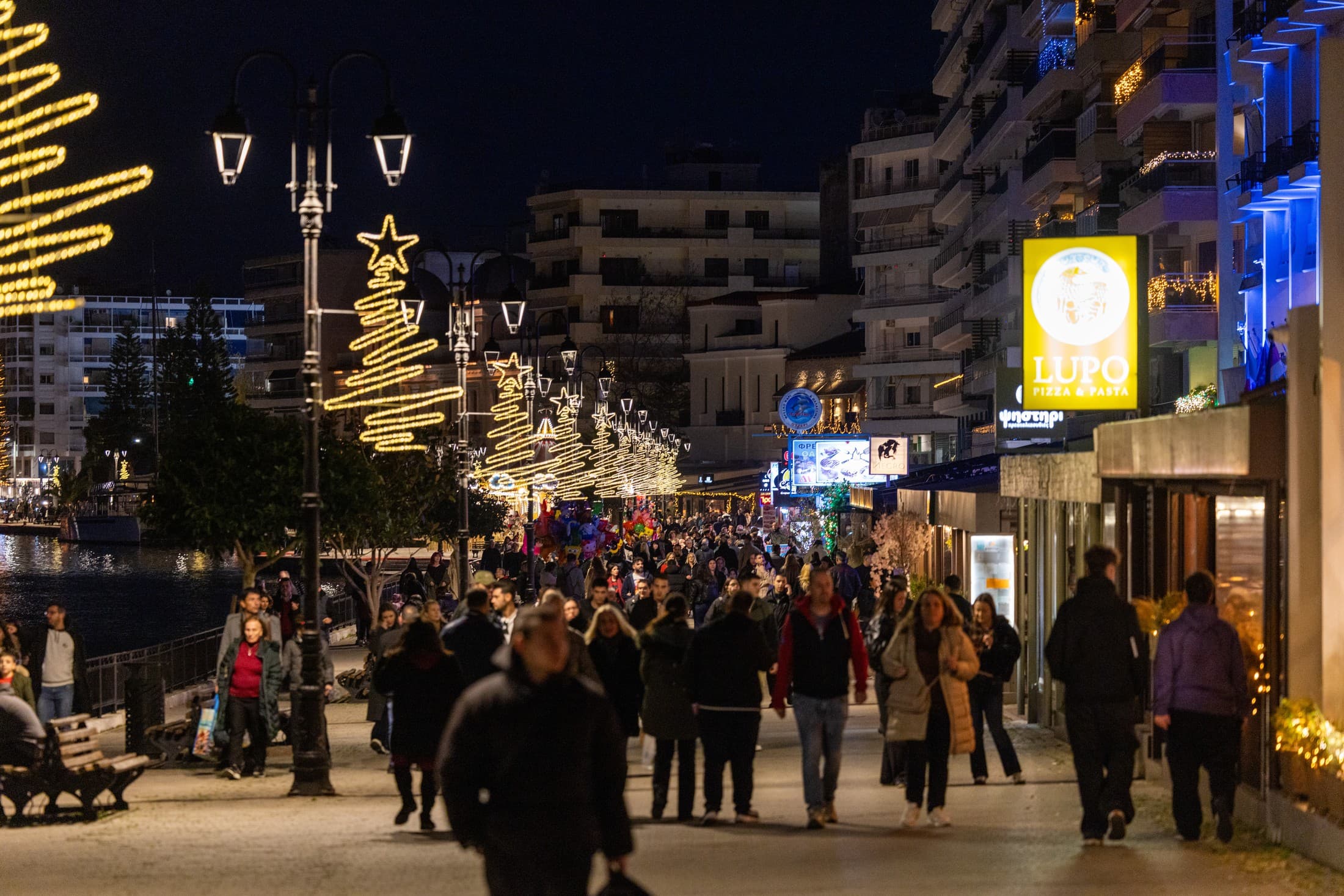
Chalkida’s “paralia” (seafront) is to the city what central squares are to other towns—the heart of daily life. Here, you’ll find everyone taking their strolls: families with children, the elderly, students, and visitors alike. And why not? Alongside the “crazy waters” of the Evripos Strait, which change direction every six hours, with the sliding bridge rising to let ships pass, amateur fishermen, street vendors, countless seagulls, and a lively atmosphere that makes you feel like it’s always summer, the promenade offers endless options for restaurants and cafés.
Your walk can begin at the old bridge over the Evripos, where it’s worth pausing to observe the tidal phenomenon. Studied since ancient times, it has inspired artists throughout the ages and still fascinates today. From here, glance across to the mainland coast of Central Greece, to the hill of Kanithos with the Castle of Karababa. The wide pedestrian walkway is safe for children, with railings along part of the sea-facing side.
Along the route, you’ll pass a spot locals call Agalmata (“Statues”), named for the National Resistance Monument by Georgios Megkoulas, which serves as a popular meeting point. Heading toward the city centre, you’ll reach Agios Nikolaos Square with its namesake church, built between 1890 and 1895.
Your attention will then be drawn to some beautiful neoclassical buildings worth stopping to admire for their architectural details. These include the City Hall, within the Kotsikas Mansion (1906), the House with the Statues (1891), home to the Lyceum Club of Greek Women, and the Red House (1884) at the end of the promenade, which now houses Chalkida’s Knowledge Centre.
Your walk can begin at the old bridge over the Evripos, where it’s worth pausing to observe the tidal phenomenon. Studied since ancient times, it has inspired artists throughout the ages and still fascinates today. From here, glance across to the mainland coast of Central Greece, to the hill of Kanithos with the Castle of Karababa. The wide pedestrian walkway is safe for children, with railings along part of the sea-facing side.
Along the route, you’ll pass a spot locals call Agalmata (“Statues”), named for the National Resistance Monument by Georgios Megkoulas, which serves as a popular meeting point. Heading toward the city centre, you’ll reach Agios Nikolaos Square with its namesake church, built between 1890 and 1895.
Your attention will then be drawn to some beautiful neoclassical buildings worth stopping to admire for their architectural details. These include the City Hall, within the Kotsikas Mansion (1906), the House with the Statues (1891), home to the Lyceum Club of Greek Women, and the Red House (1884) at the end of the promenade, which now houses Chalkida’s Knowledge Centre.