A tribute to an artistic couple
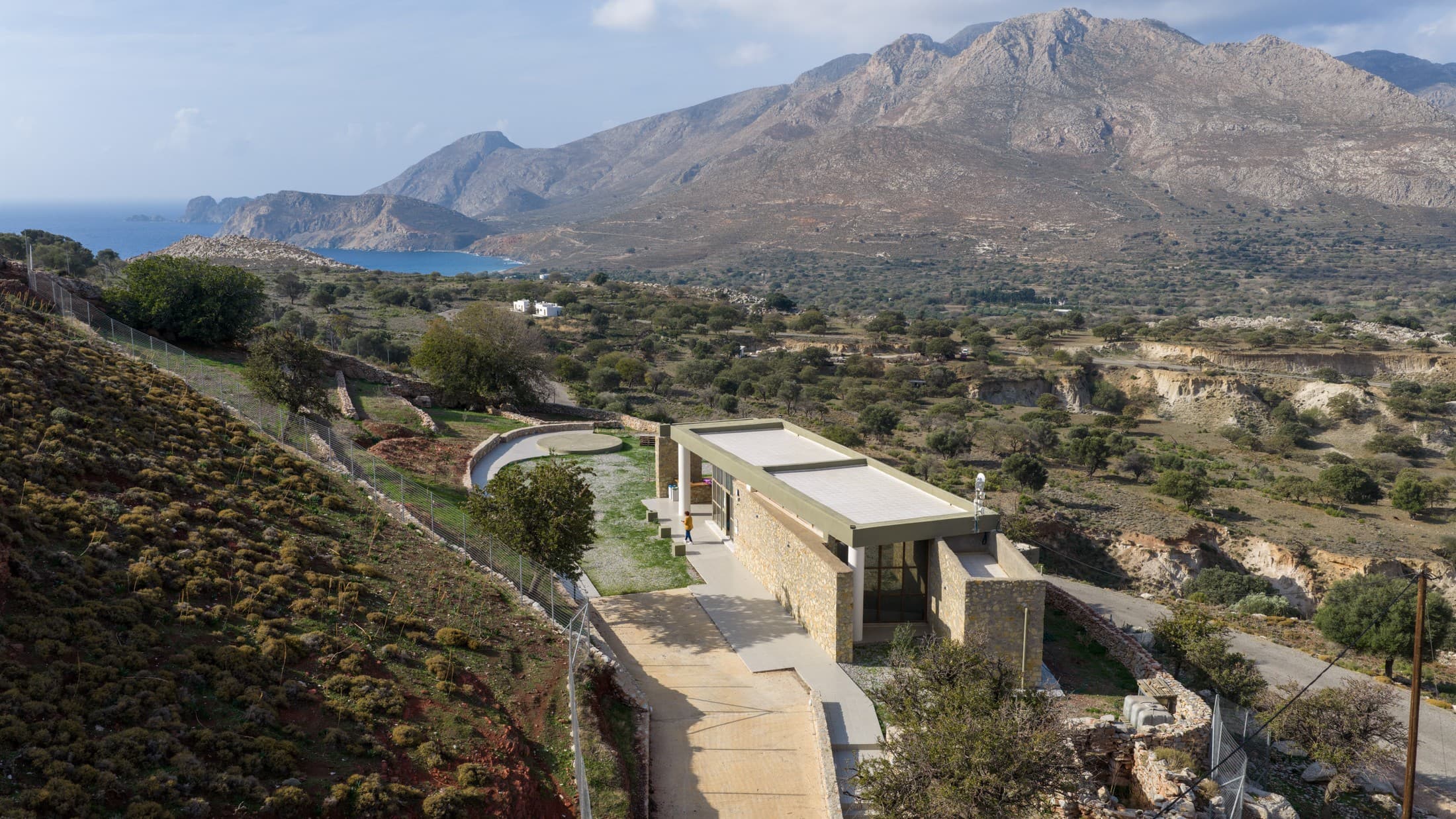
On the hilltop above the Chora of Ios, where the gaze meets Sikinos, Paros, Naxos and, when the air clears, Milos and Sifnos, lies the Gaïtis – Simossi Museum. A place where art seems to have been sculpted by the very light of the Aegean.
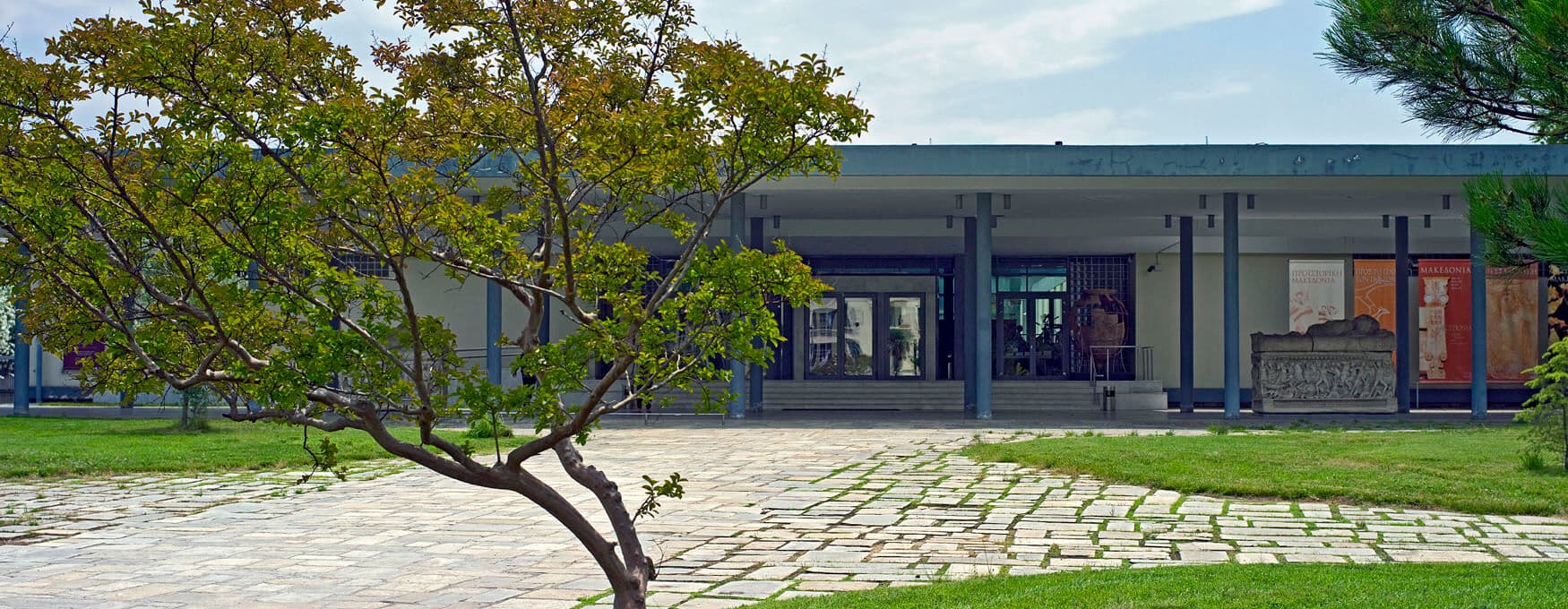
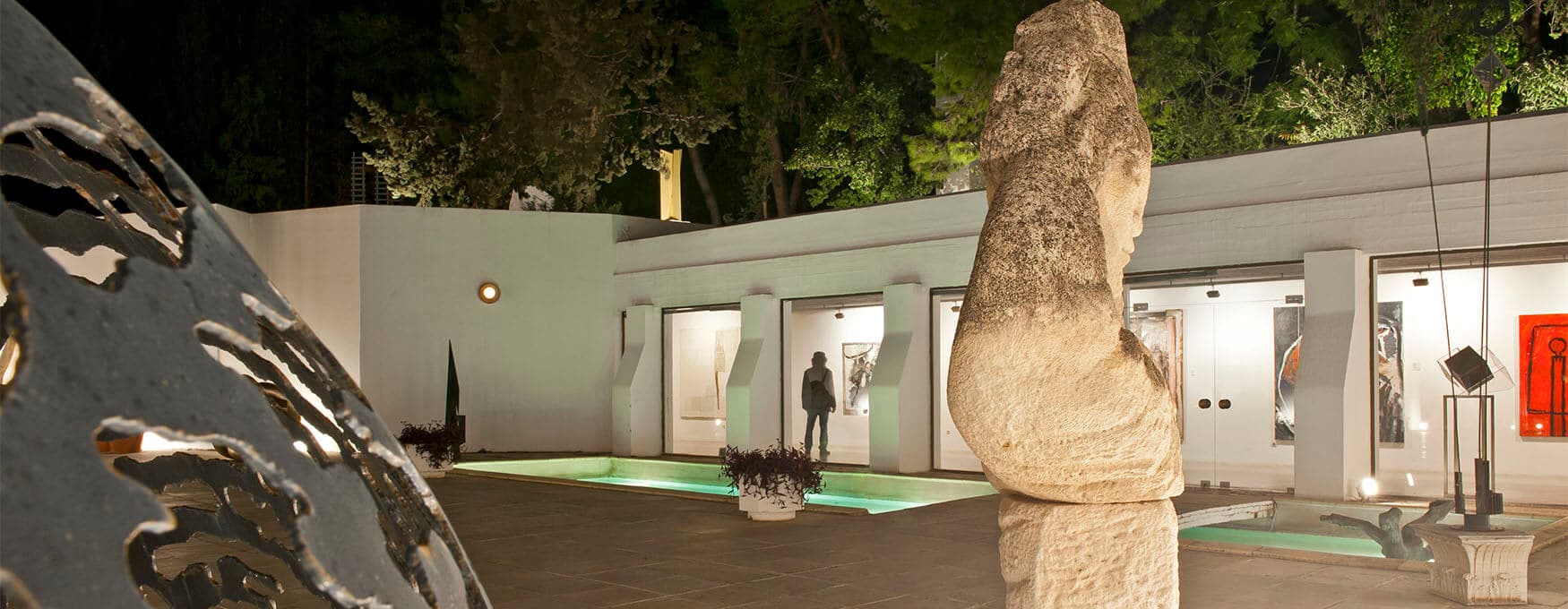
The museum was born from the collaboration between the Municipality of Ios and Loretta Gaïtis, the sole heir and intellectual rights holder of the painter Giannis Gaïtis and the sculptor Gabriella Simossi. Designed by Loretta Gaïtis and Jacques Charrat, the 1,600 sq.m. building complex appears to be part of the island's topography: cubist volumes, flat roofs and successive levels that allow the gaze to flow towards the open sea.
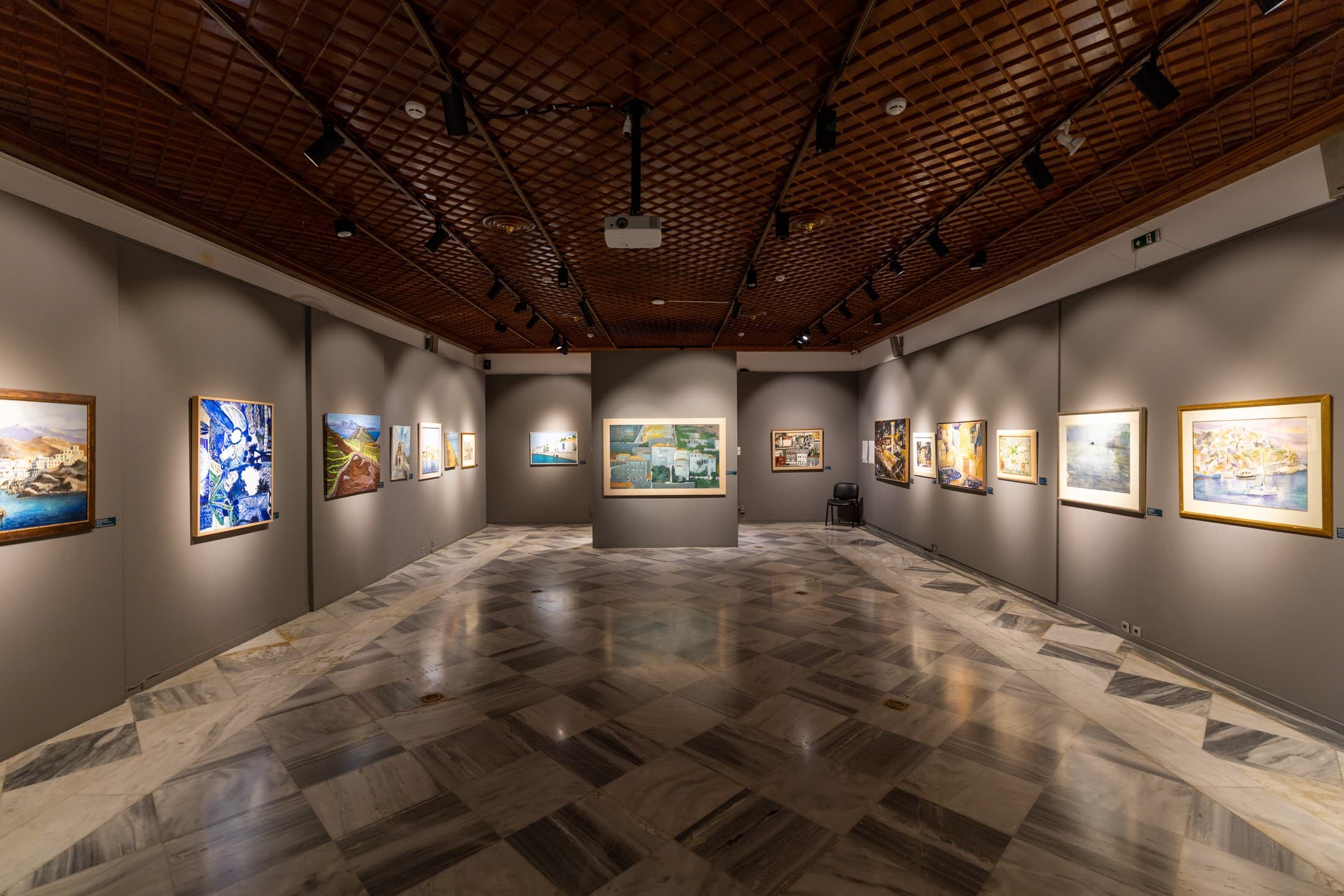
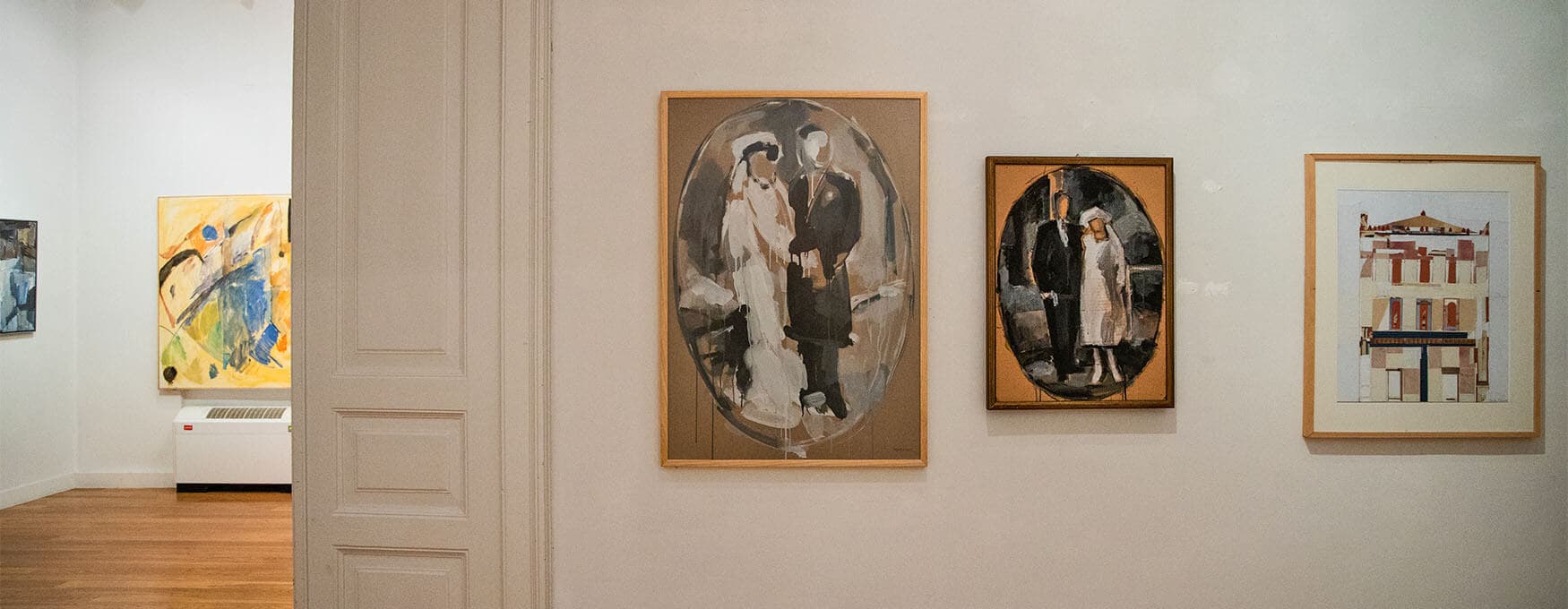
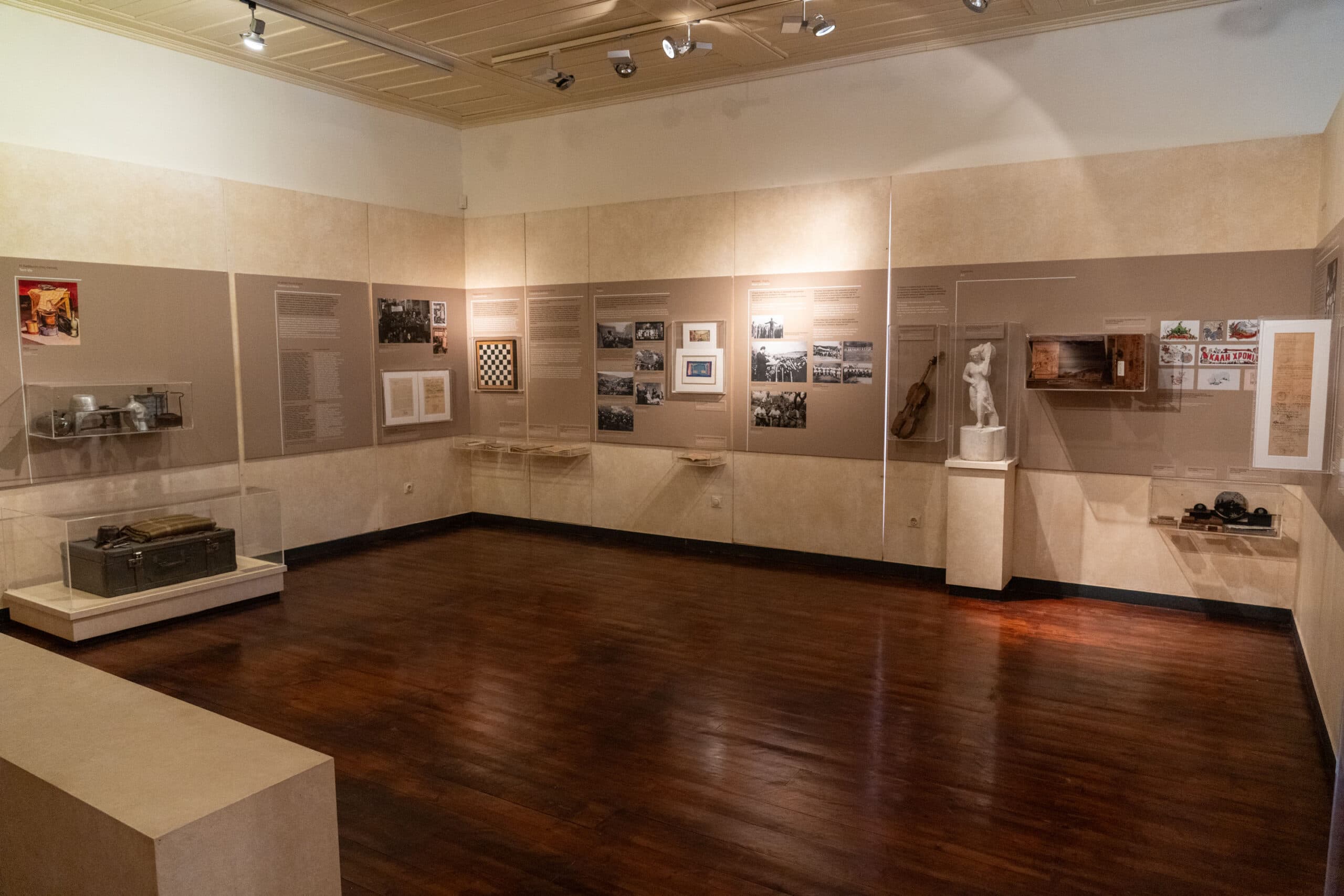
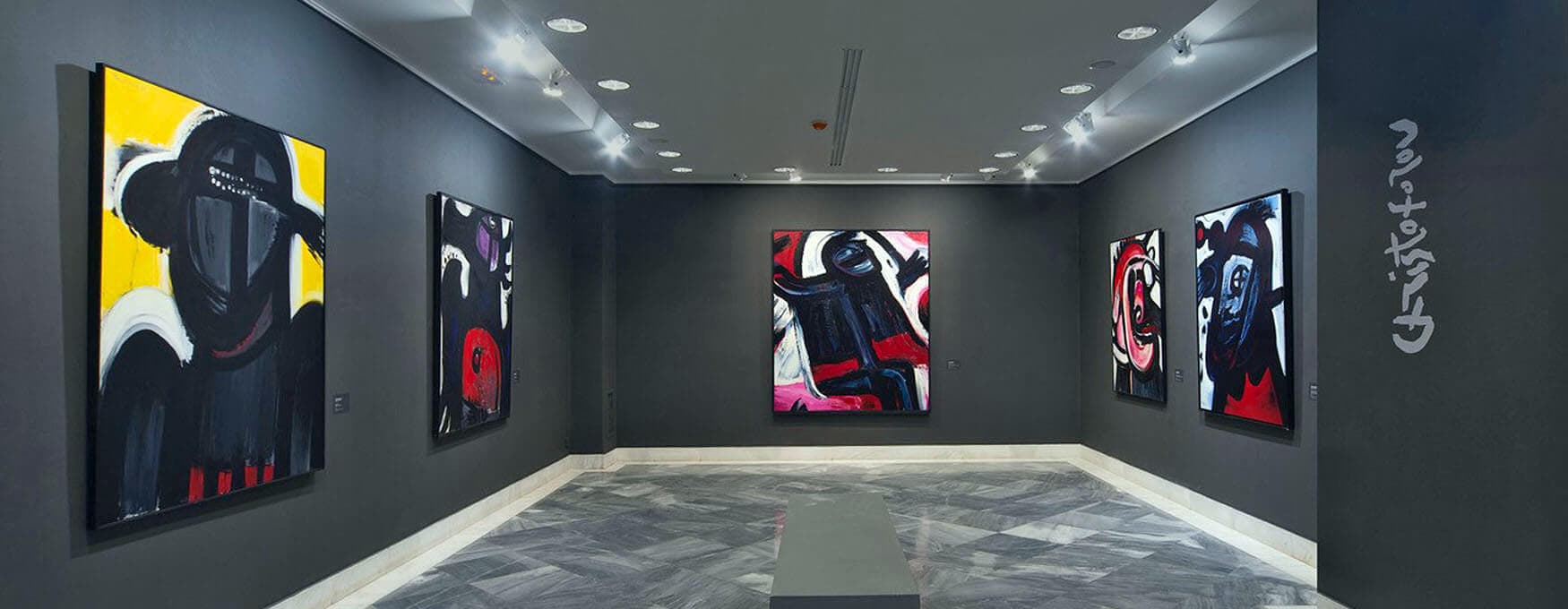
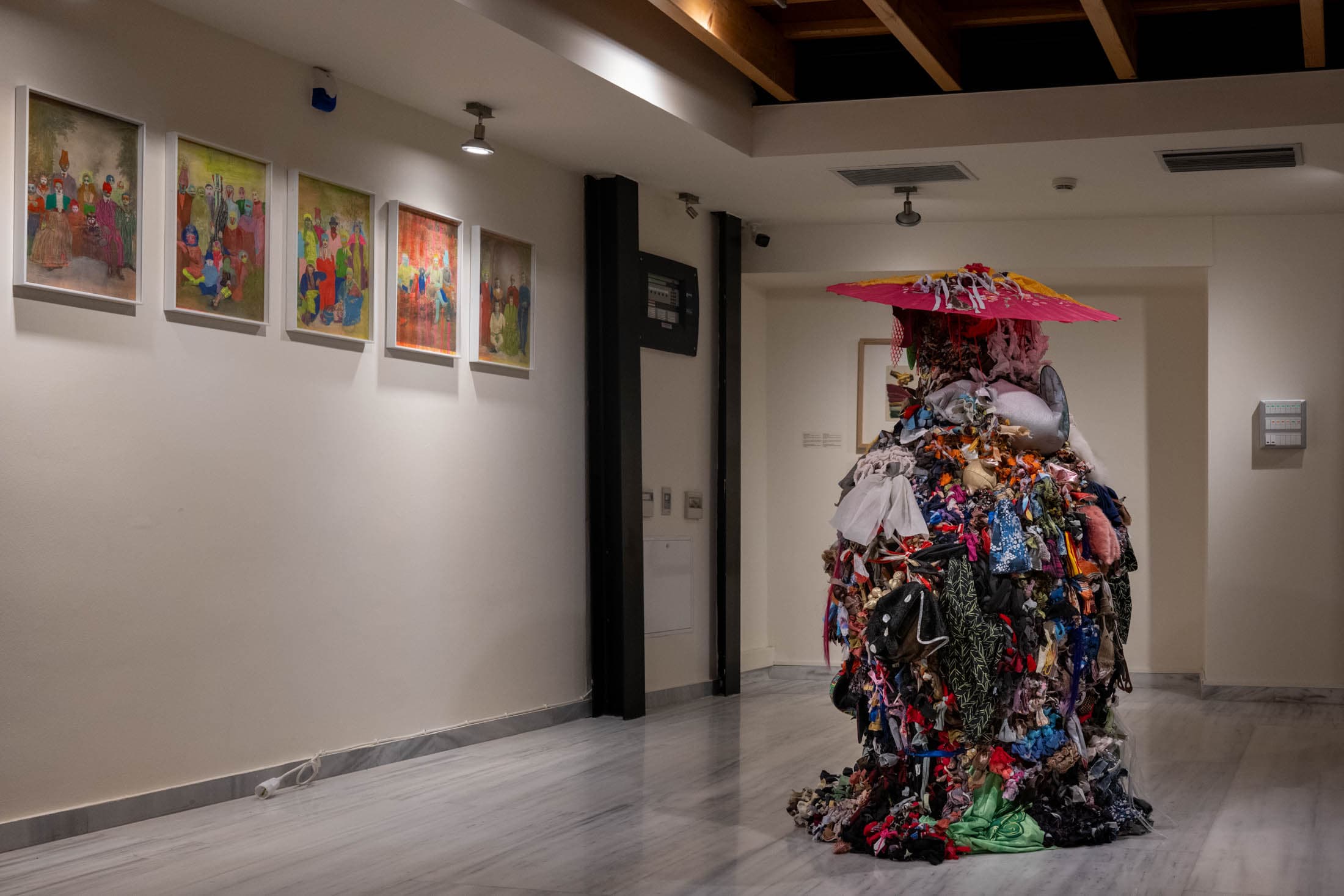
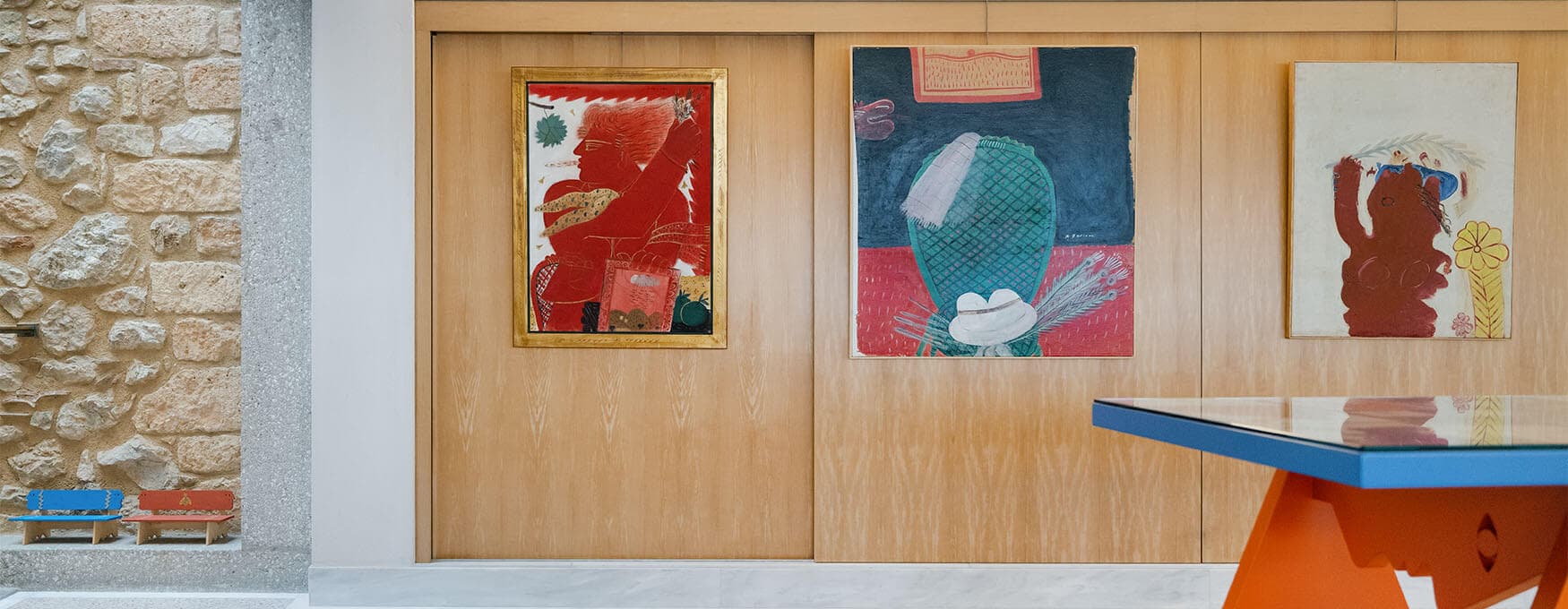
The journey through the museum follows a timeline. On the ground floor, early works by Giannis Gaïtis (1948-1963) reveal a painter still searching for form and freedom of gesture. On the upper floor, the subsequent decades (1964-1984) present the world of the creator's anthropakia (“little humans”), those anonymous, colourful figures that became a symbol of an entire era, tracing an ironic path through mass society.
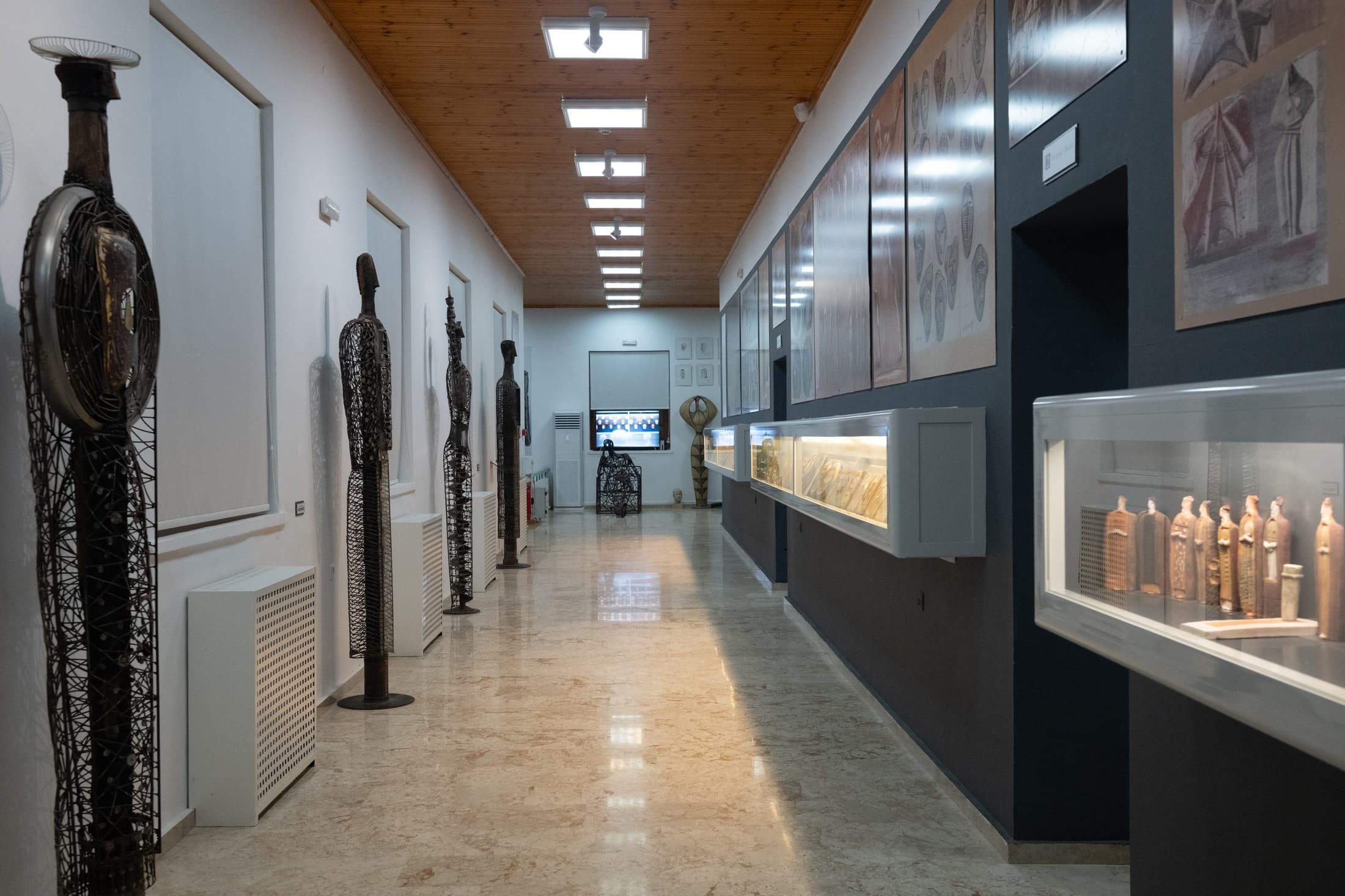
Next to it, the works of Gabriella Simossi convey the silence of matter: ten monumental sculptures made of white resin shine like stone ghosts under the light, framed by plaster designs and photographic collages from the 1960s and 1970s. Their space seems to breathe together with the sea.
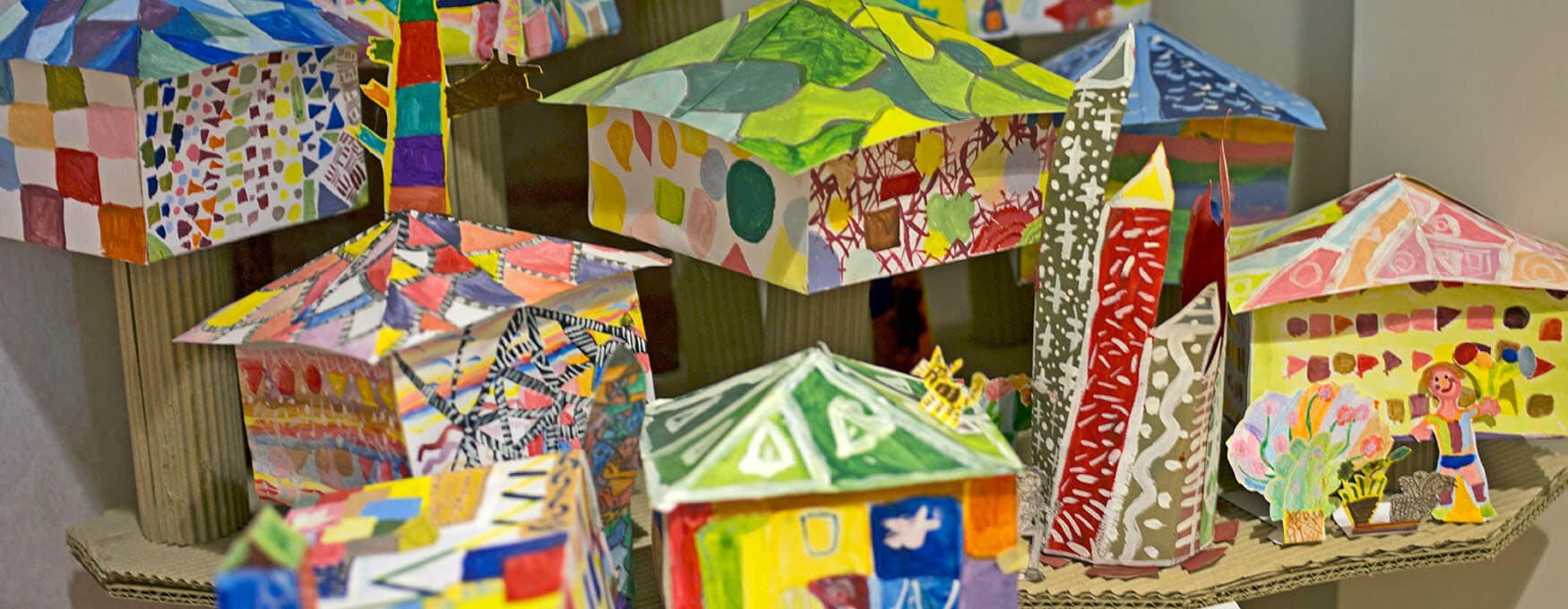
The museum hosts temporary exhibitions, educational programmes, summer events and gatherings under the sun or moonlight. At the gift shop, discover publications and items inspired by the works of the two artists. Every afternoon, as the light softens, the shadows of the sculptures stretch across the ground, as if Gaïtis' figures have stepped out for a stroll.
The museum was born from the collaboration between the Municipality of Ios and Loretta Gaïtis, the sole heir and intellectual rights holder of the painter Giannis Gaïtis and the sculptor Gabriella Simossi. Designed by Loretta Gaïtis and Jacques Charrat, the 1,600 sq.m. building complex appears to be part of the island's topography: cubist volumes, flat roofs and successive levels that allow the gaze to flow towards the open sea.
The journey through the museum follows a timeline. On the ground floor, early works by Giannis Gaïtis (1948-1963) reveal a painter still searching for form and freedom of gesture. On the upper floor, the subsequent decades (1964-1984) present the world of the creator's anthropakia (“little humans”), those anonymous, colourful figures that became a symbol of an entire era, tracing an ironic path through mass society.
Next to it, the works of Gabriella Simossi convey the silence of matter: ten monumental sculptures made of white resin shine like stone ghosts under the light, framed by plaster designs and photographic collages from the 1960s and 1970s. Their space seems to breathe together with the sea.
The museum hosts temporary exhibitions, educational programmes, summer events and gatherings under the sun or moonlight. At the gift shop, discover publications and items inspired by the works of the two artists. Every afternoon, as the light softens, the shadows of the sculptures stretch across the ground, as if Gaïtis' figures have stepped out for a stroll.