Culture testimonies from an ancient kingdom
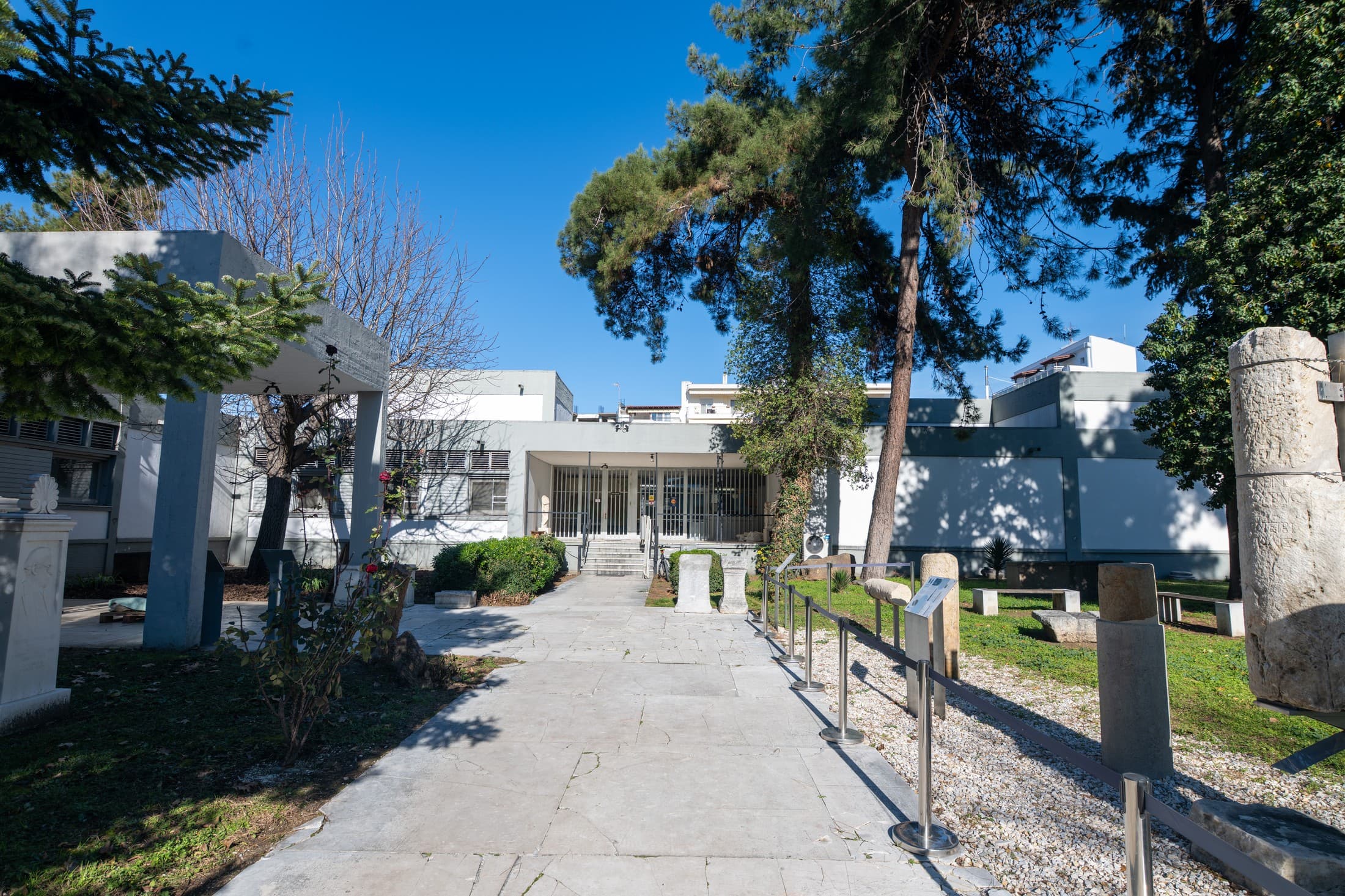
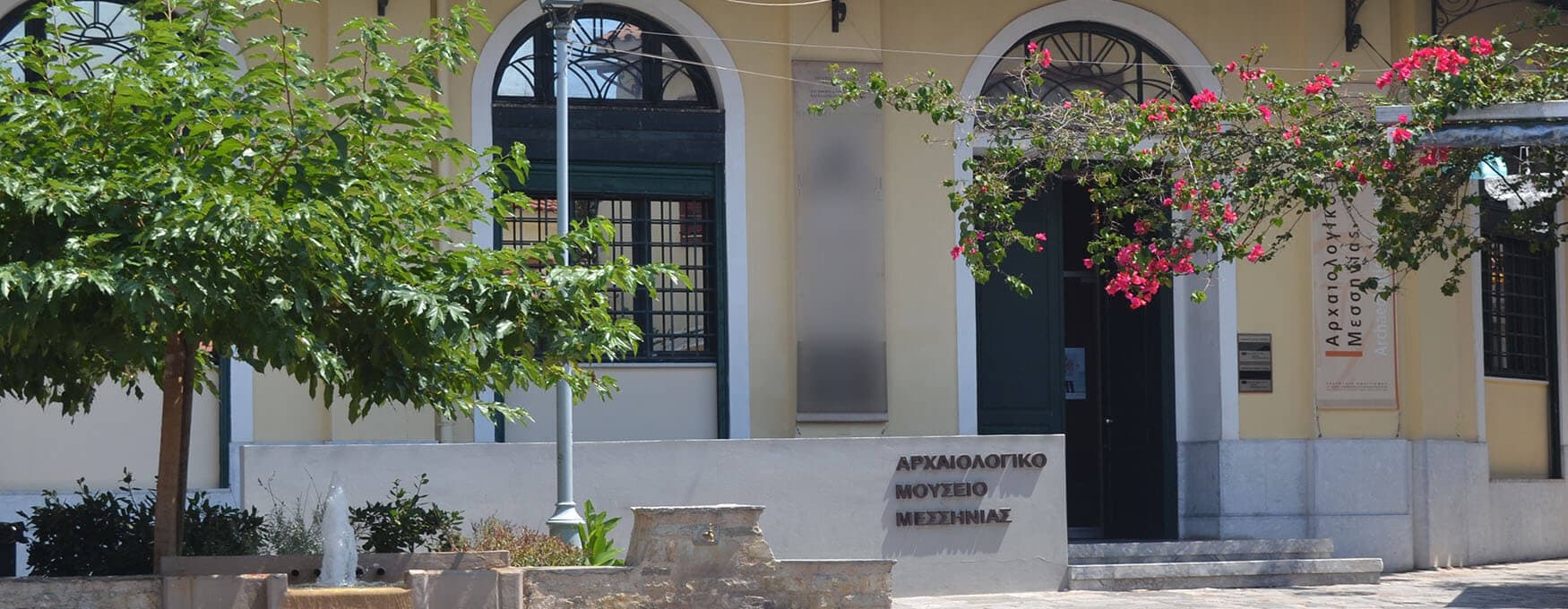
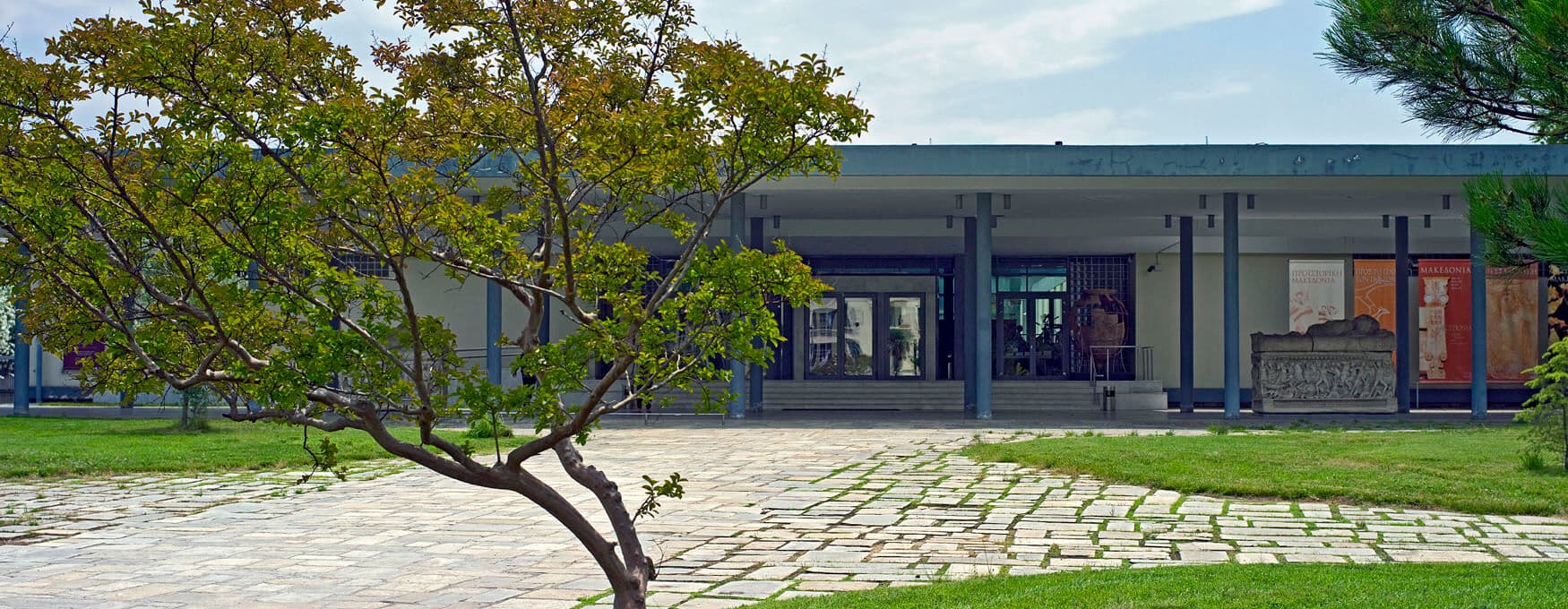
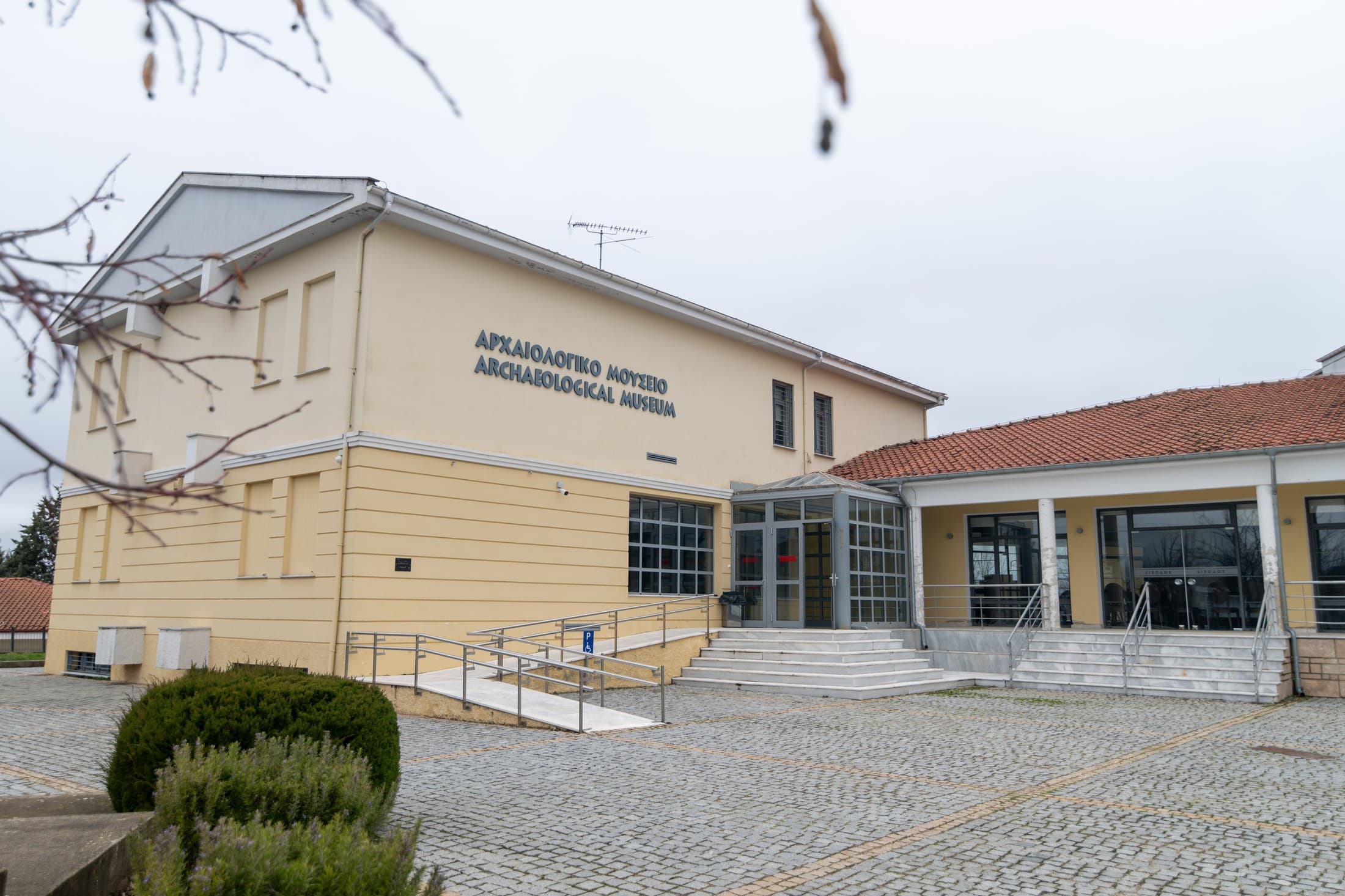
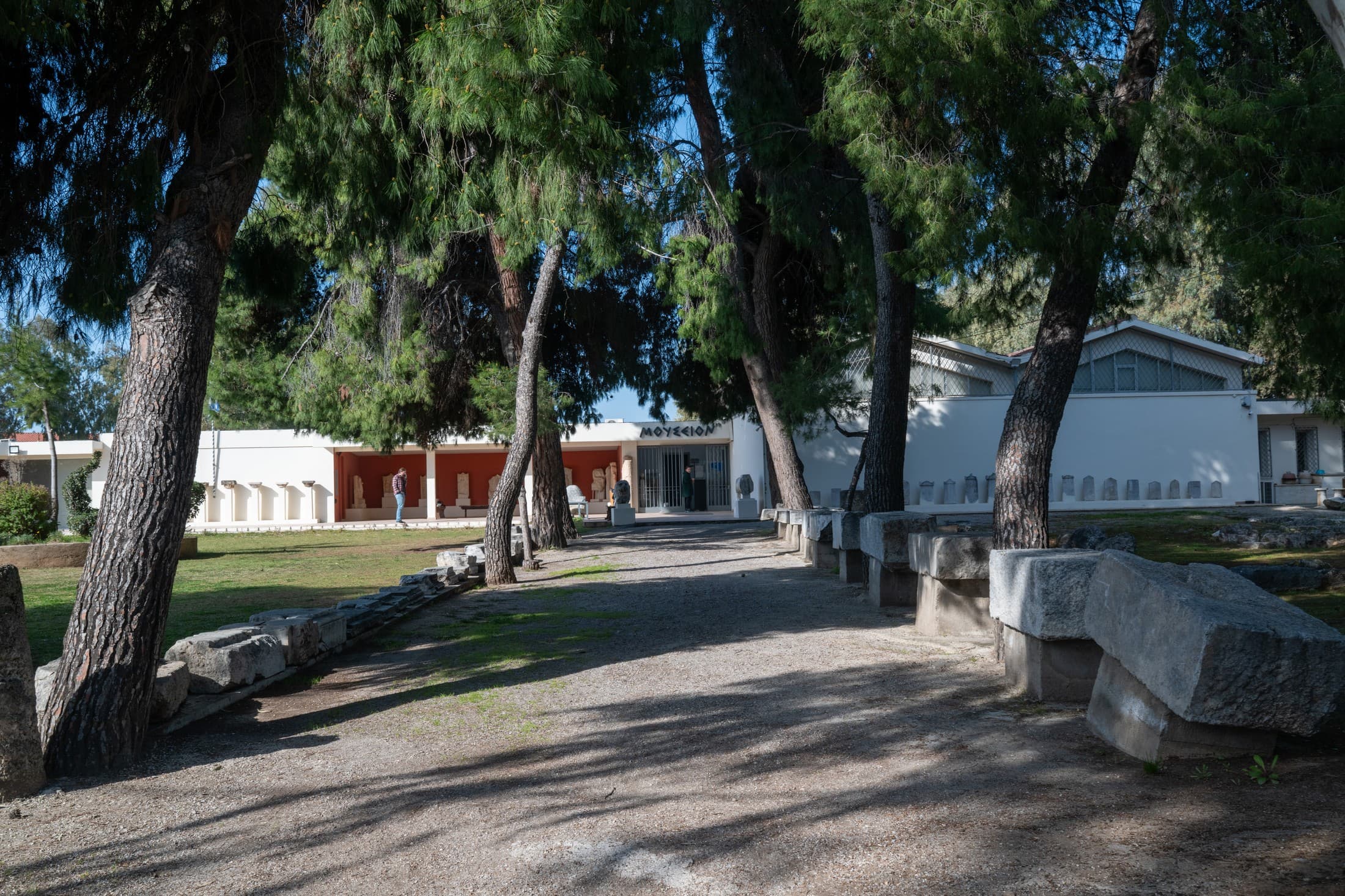
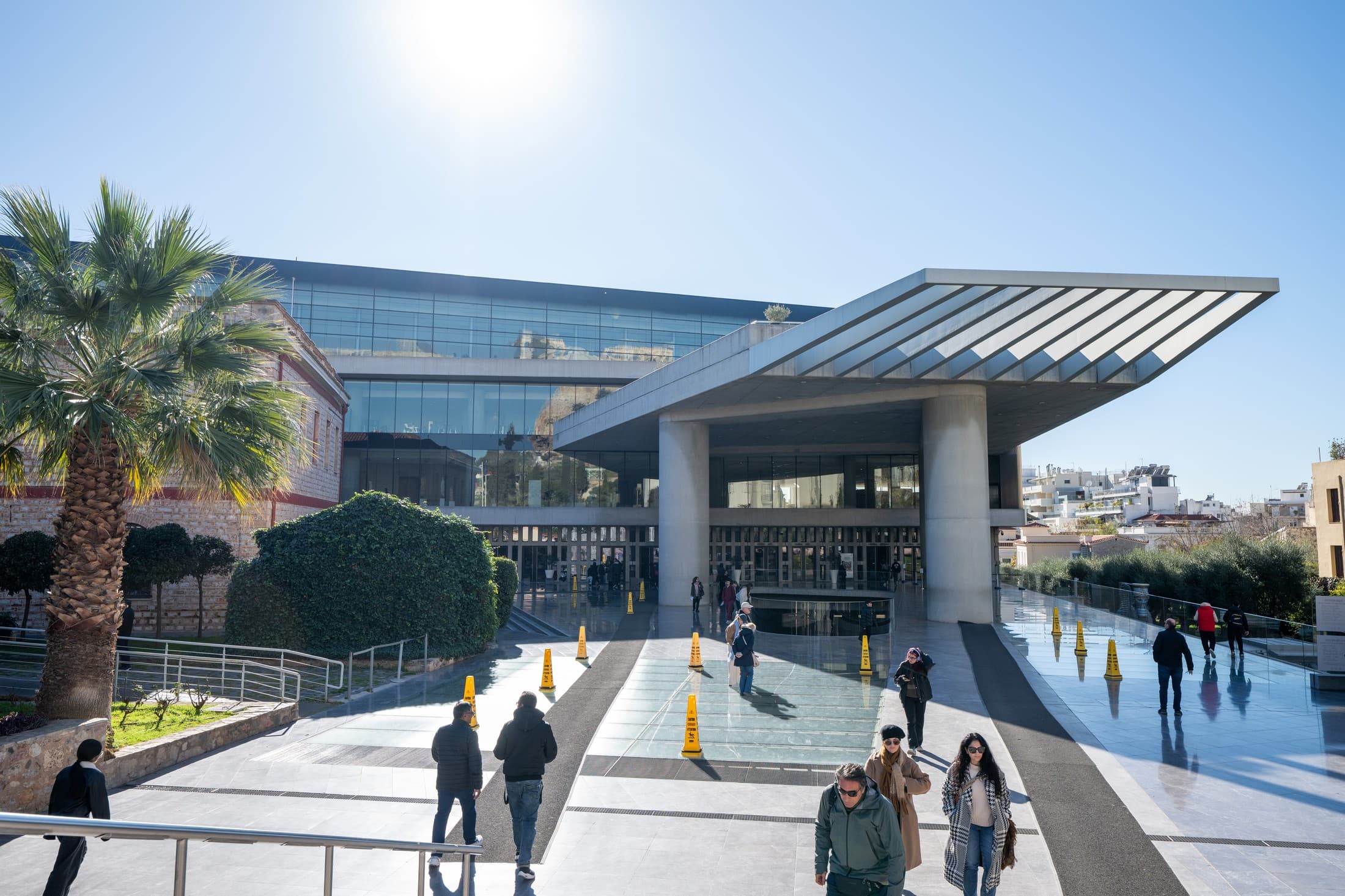
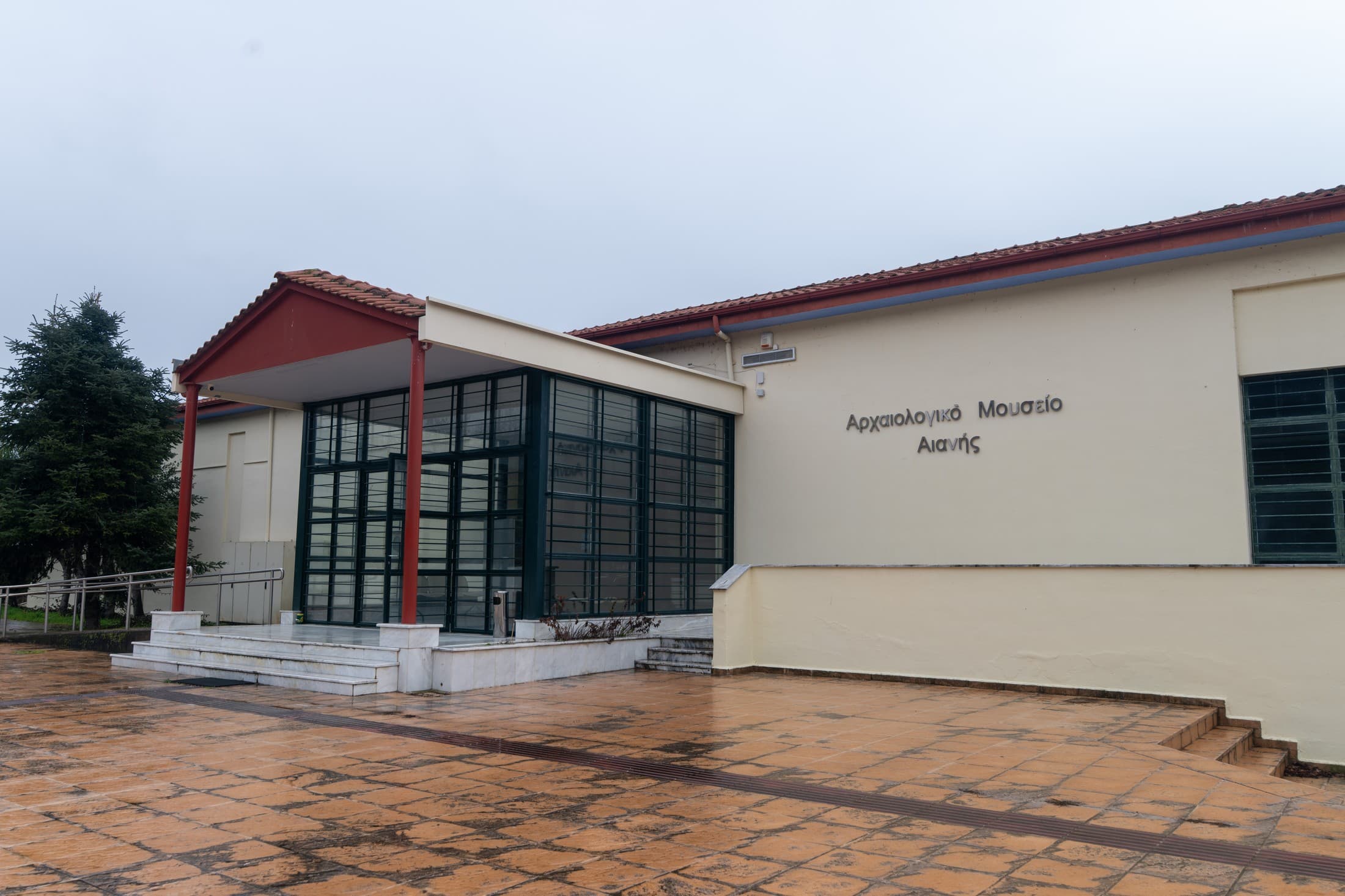
In Aiani, Kozani, at the heart of historical Orestis, lies one of the most important museums of Northern Greece: Archaeological Museum of Aiani. With modern architectural design and an exemplary museological approach, it highlights the culture of ancient Elimeia, one of the key kingdoms that made up Upper Macedonia.
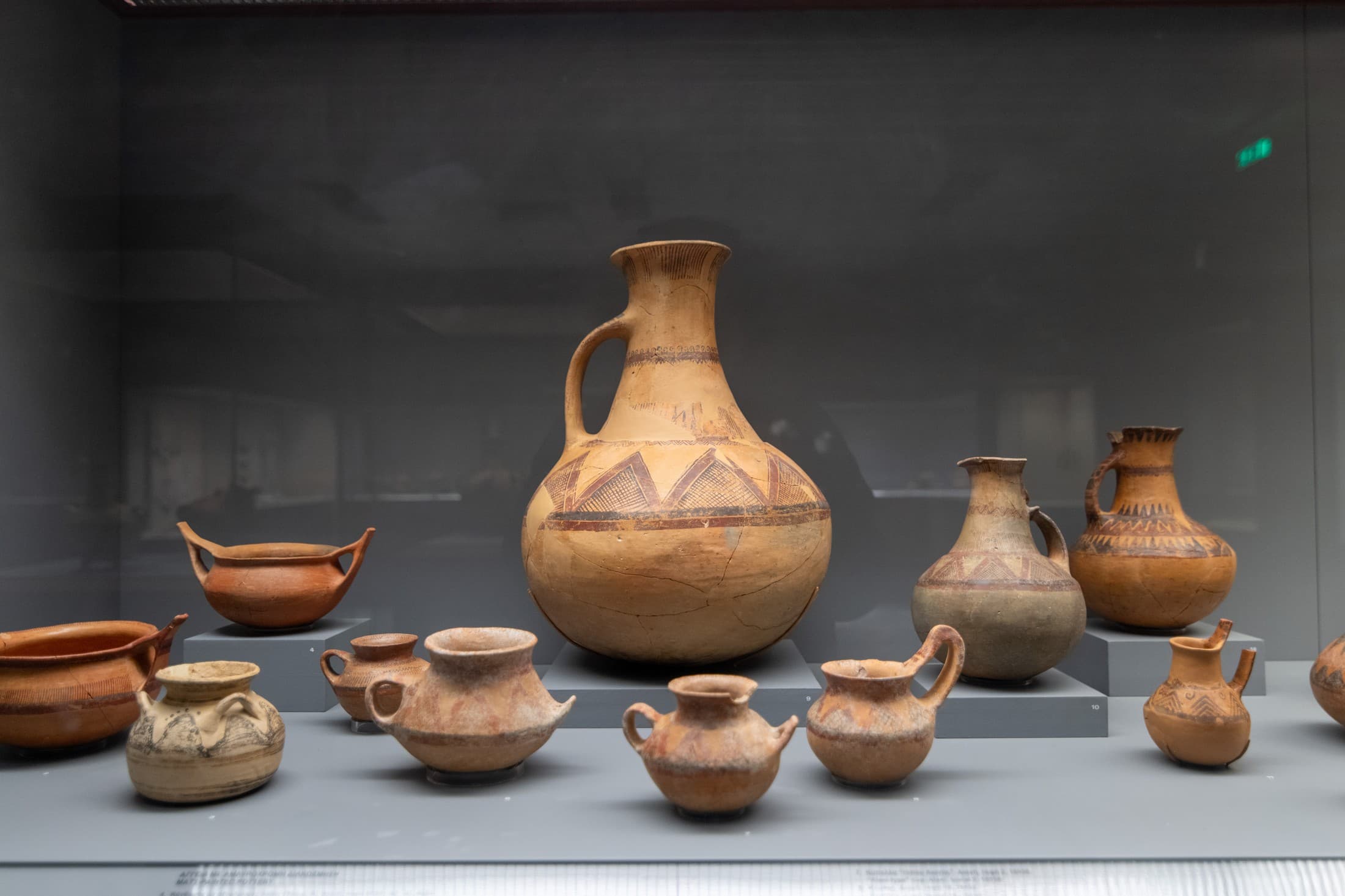
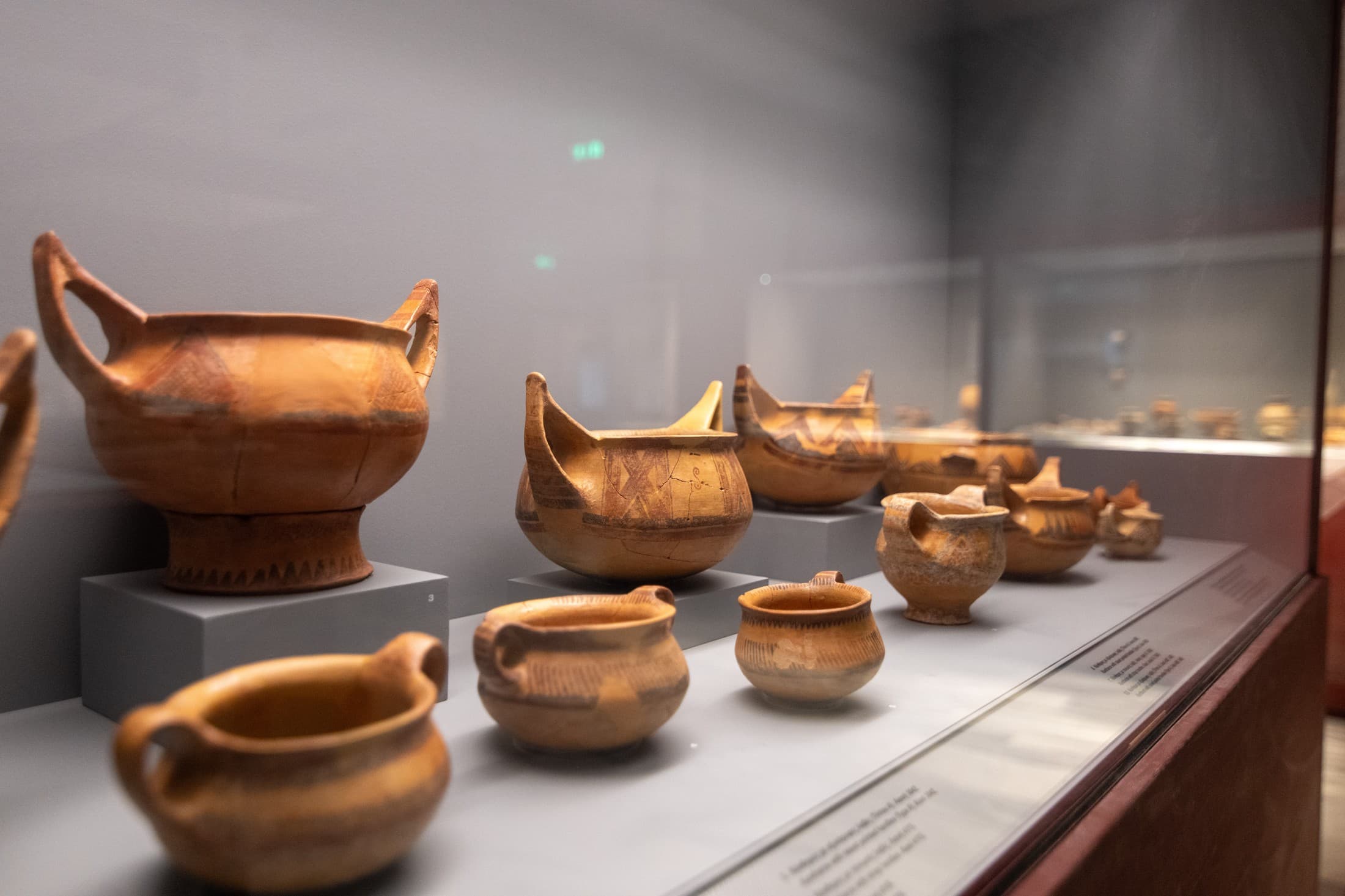
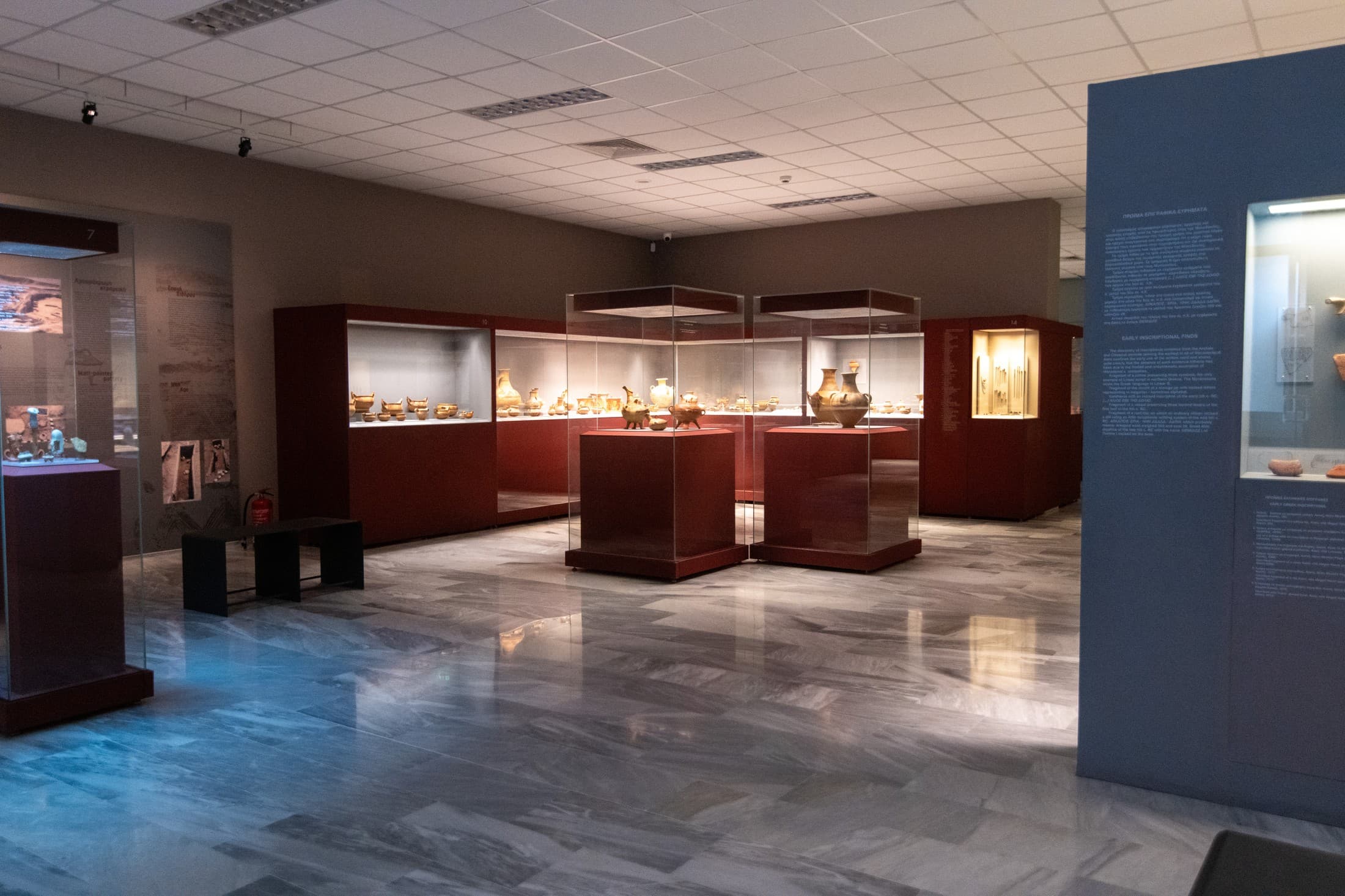
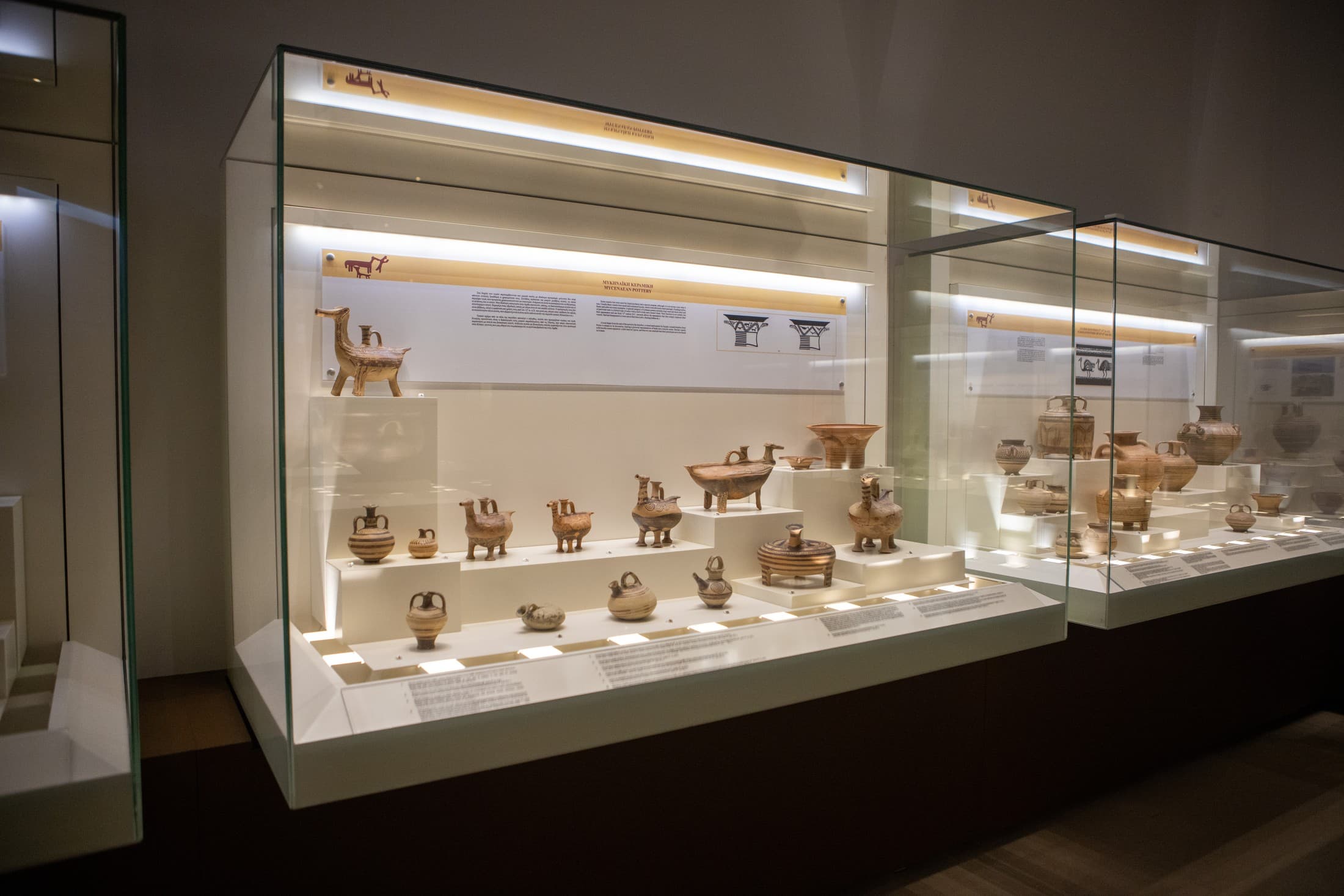
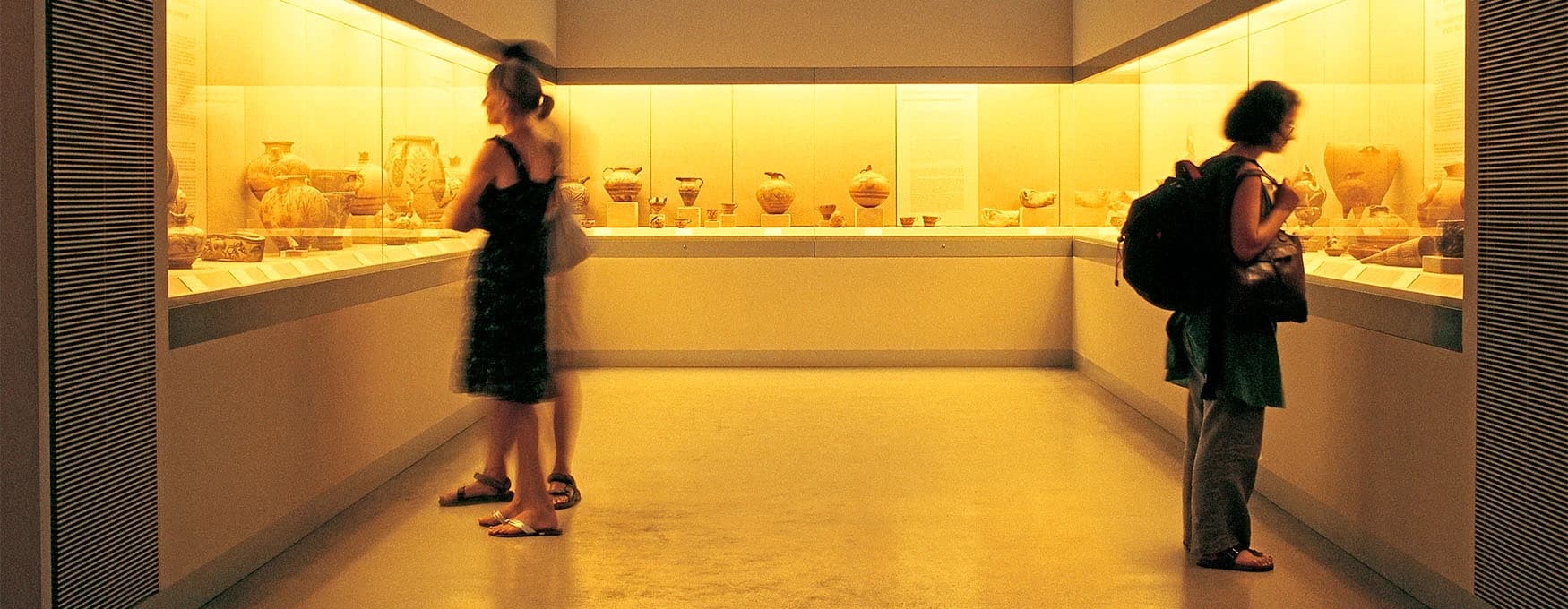
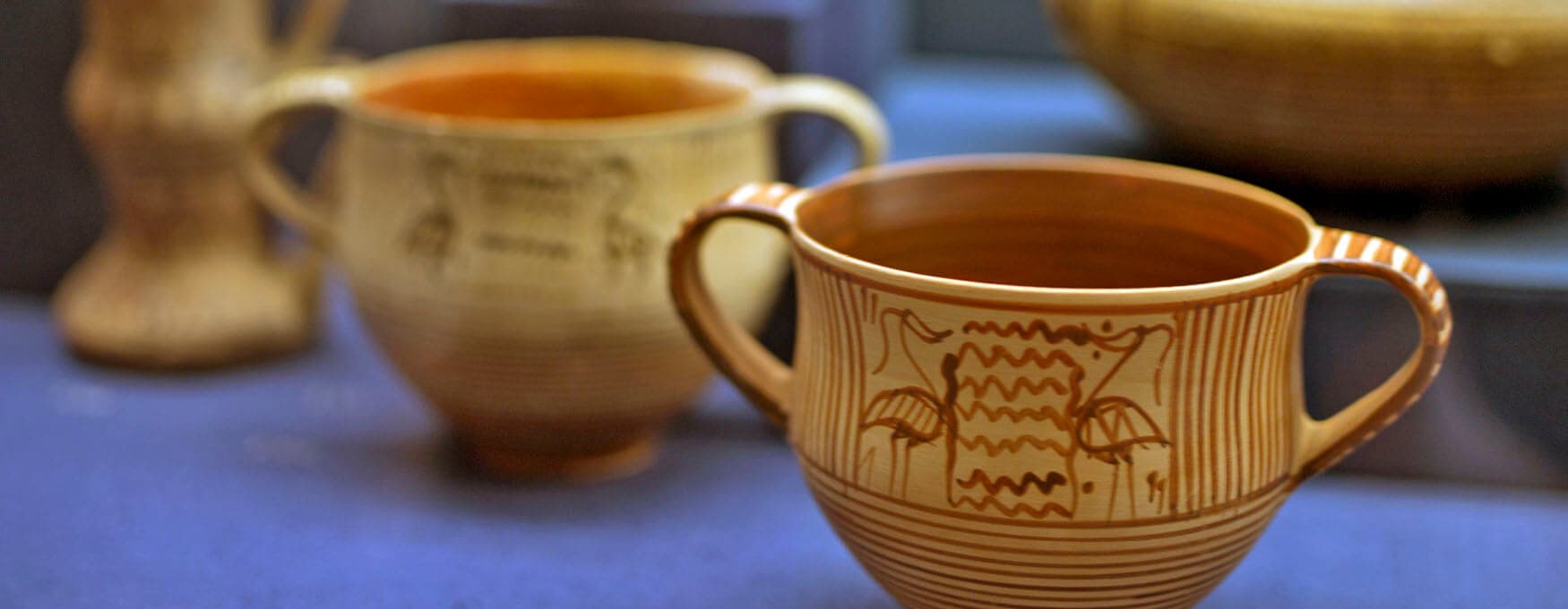
The first of the two key sections concerns the Late Bronze Age (15th-12th century BC): Mycenaean finds and matt-painted pottery are exhibited, evidence of the presence and influences of the Mycenaean world in the region. The second section, from the Archaic and Classical periods (6th-5th century BC), comes to fill a critical gap in the historical narrative of the Hellenism of Upper Macedonia: the archaeological finds depict the settlement of the Dorian-Macedonian tribes, the continuation of Mycenaean influences and the residential development that leads to the formation of politically organized communities.
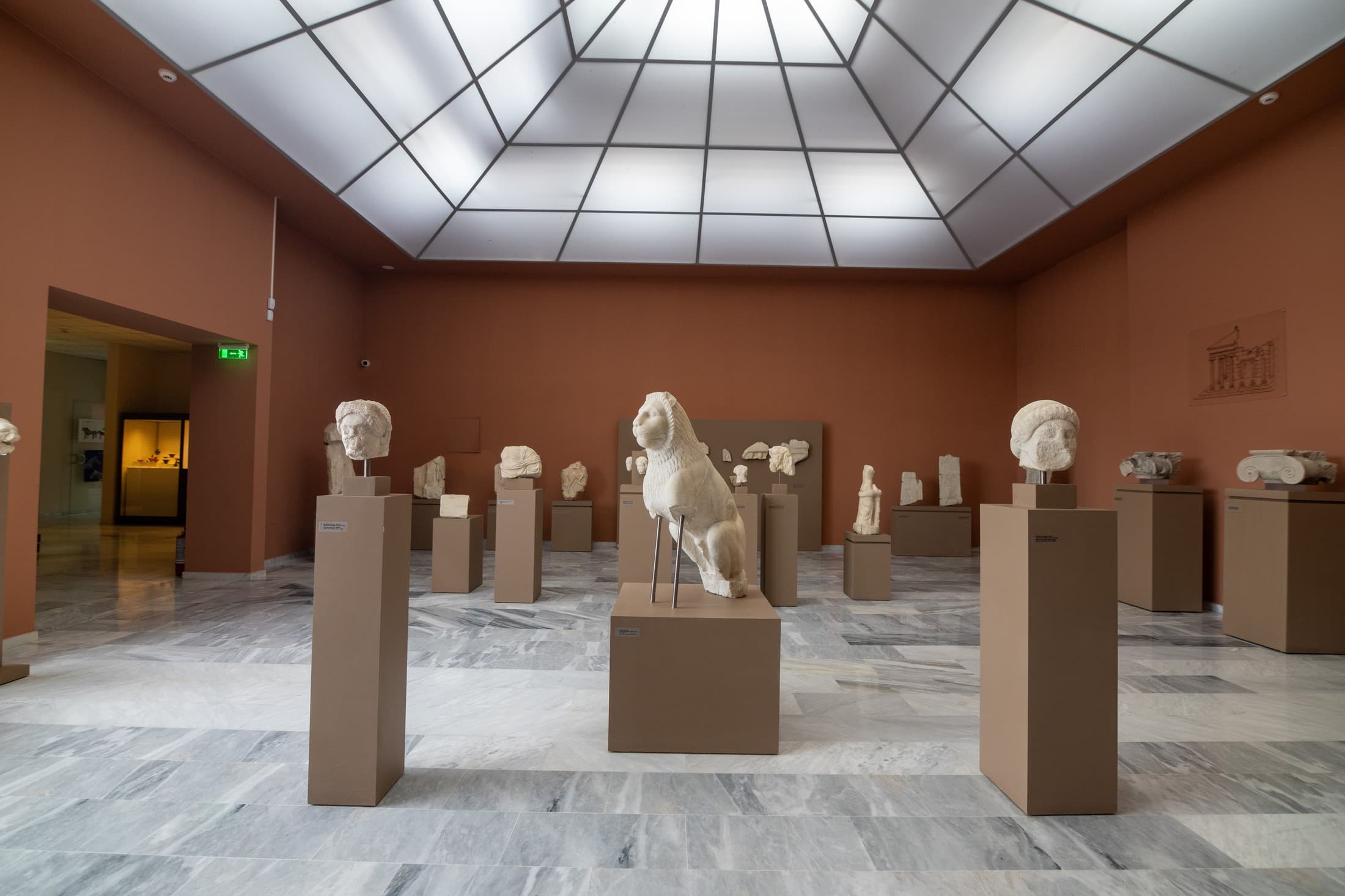
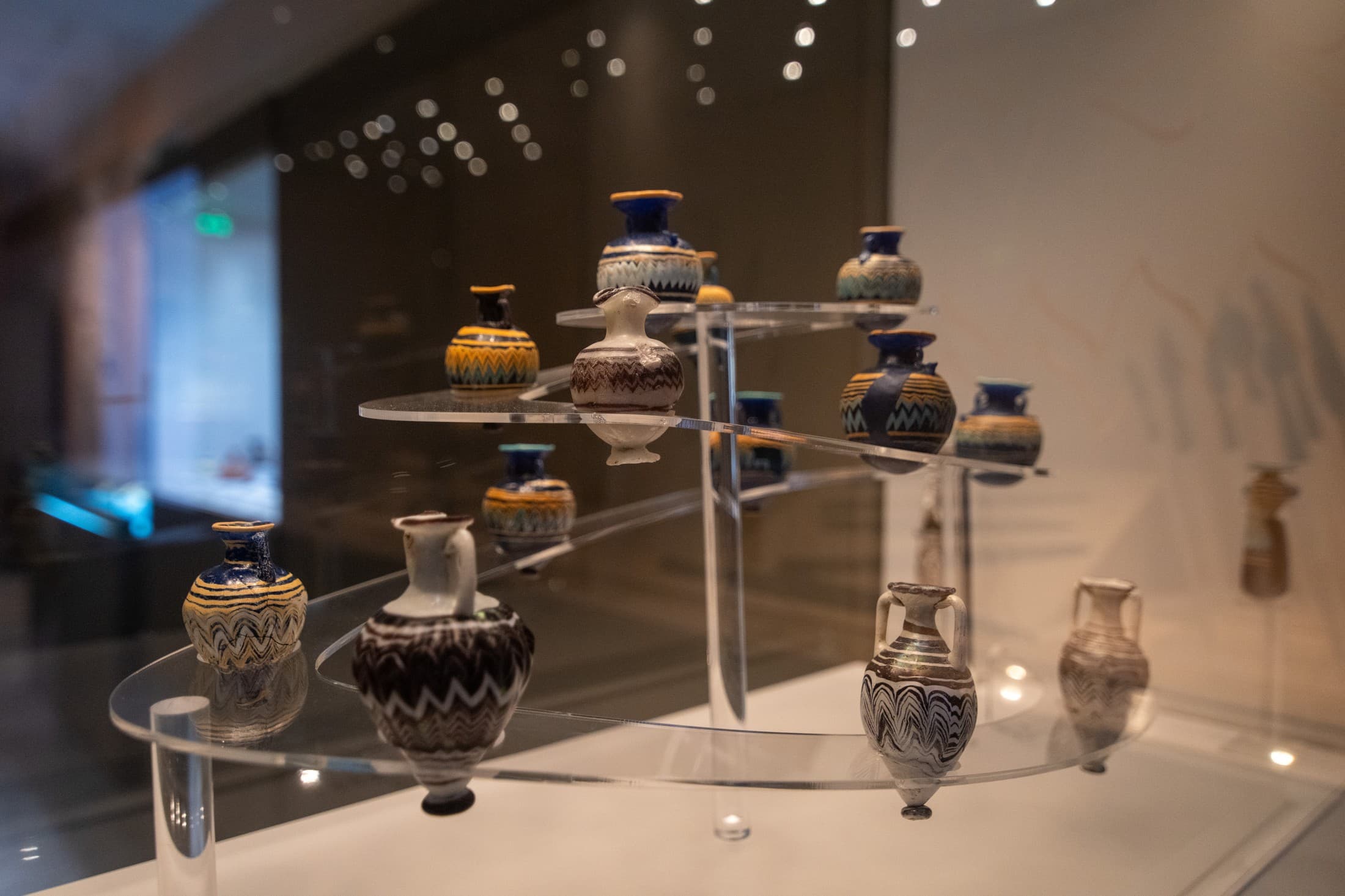
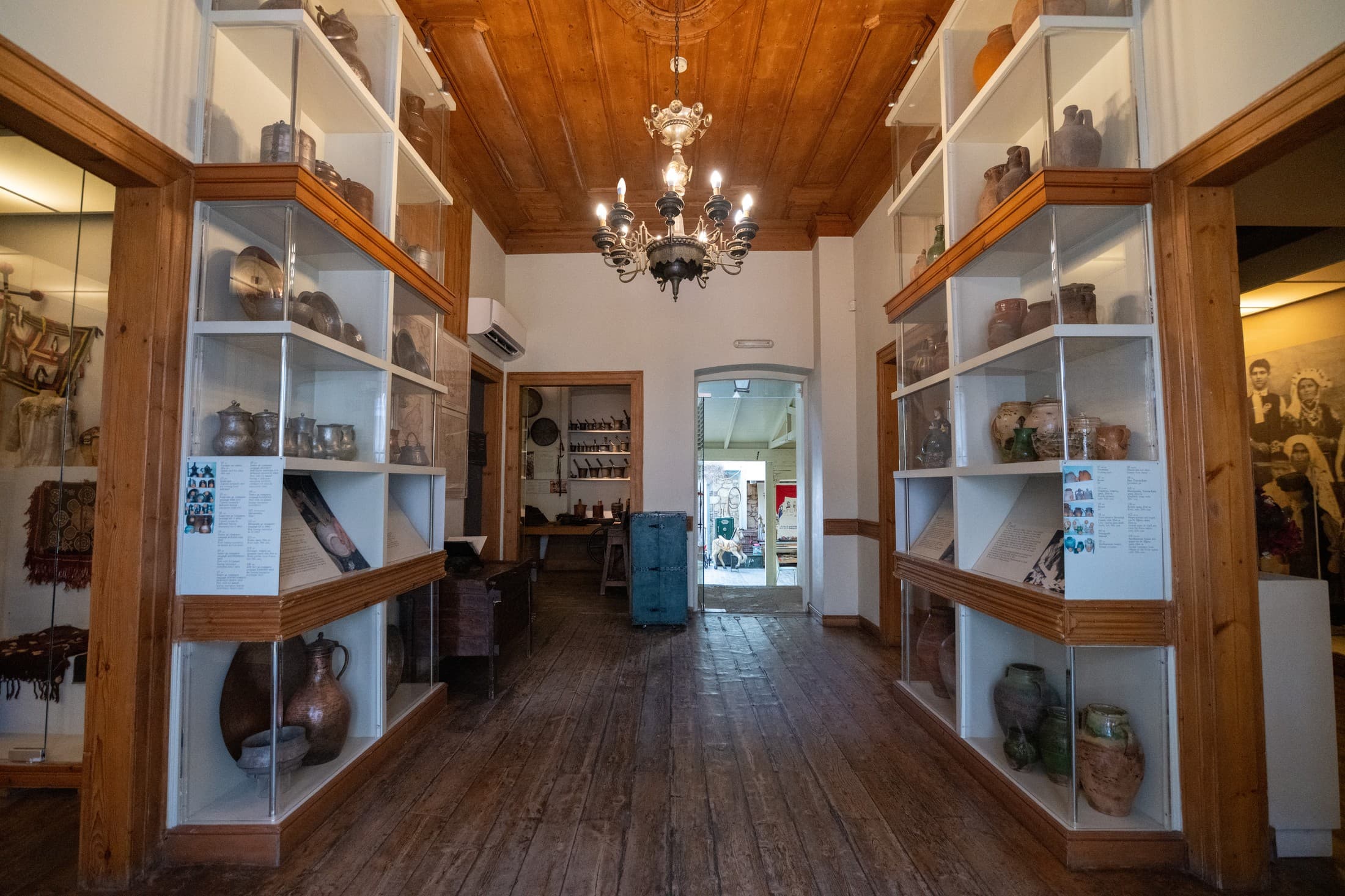
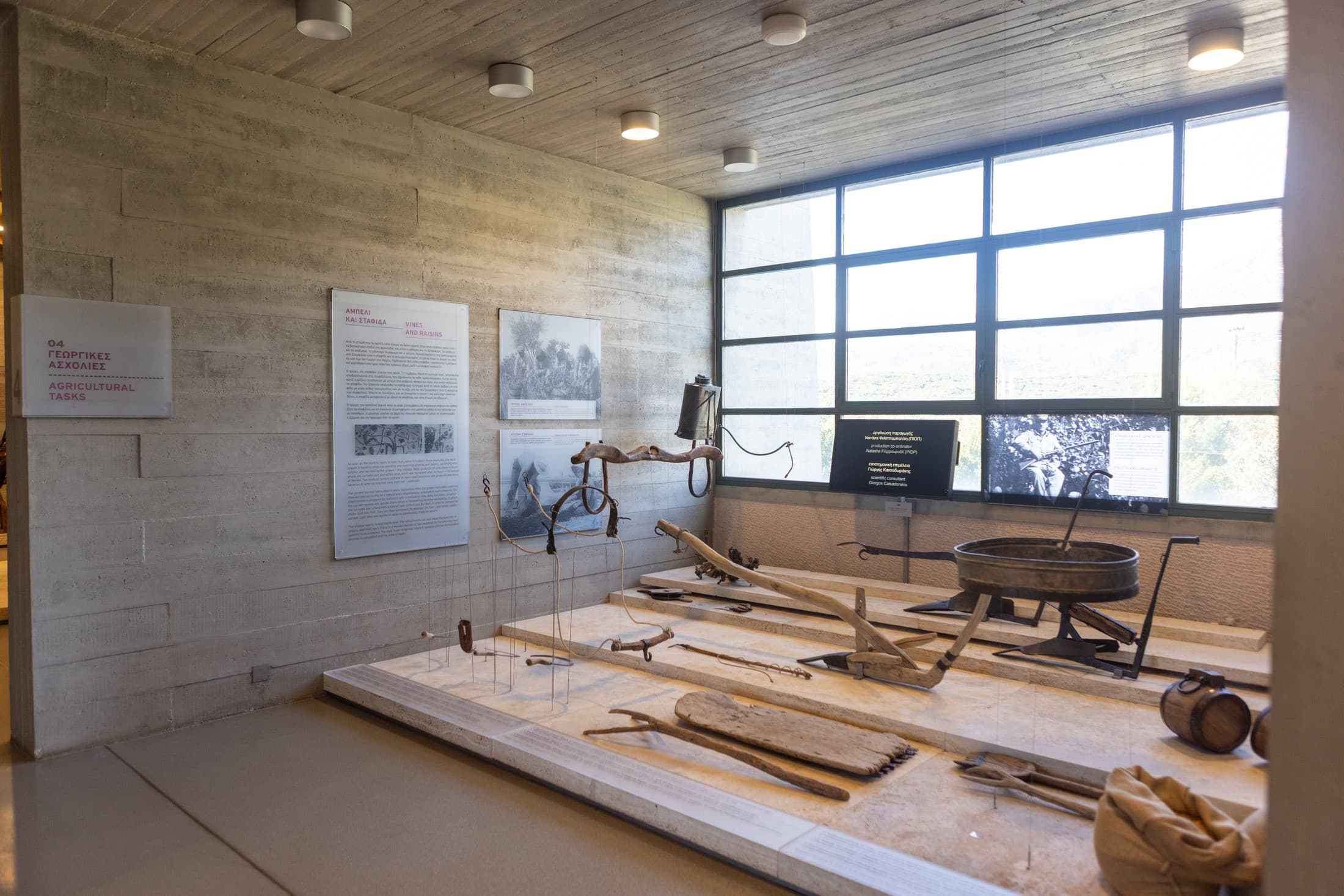
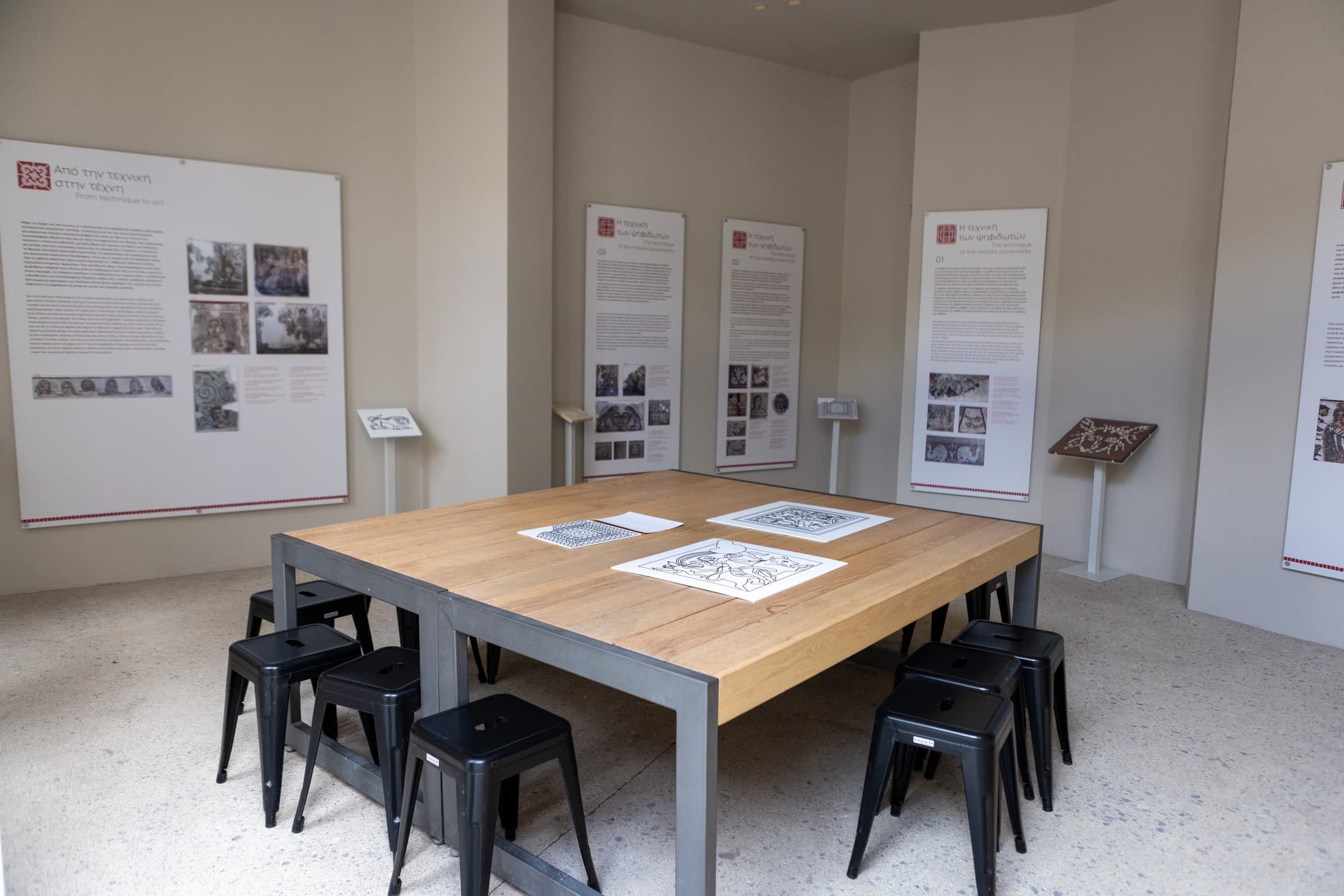
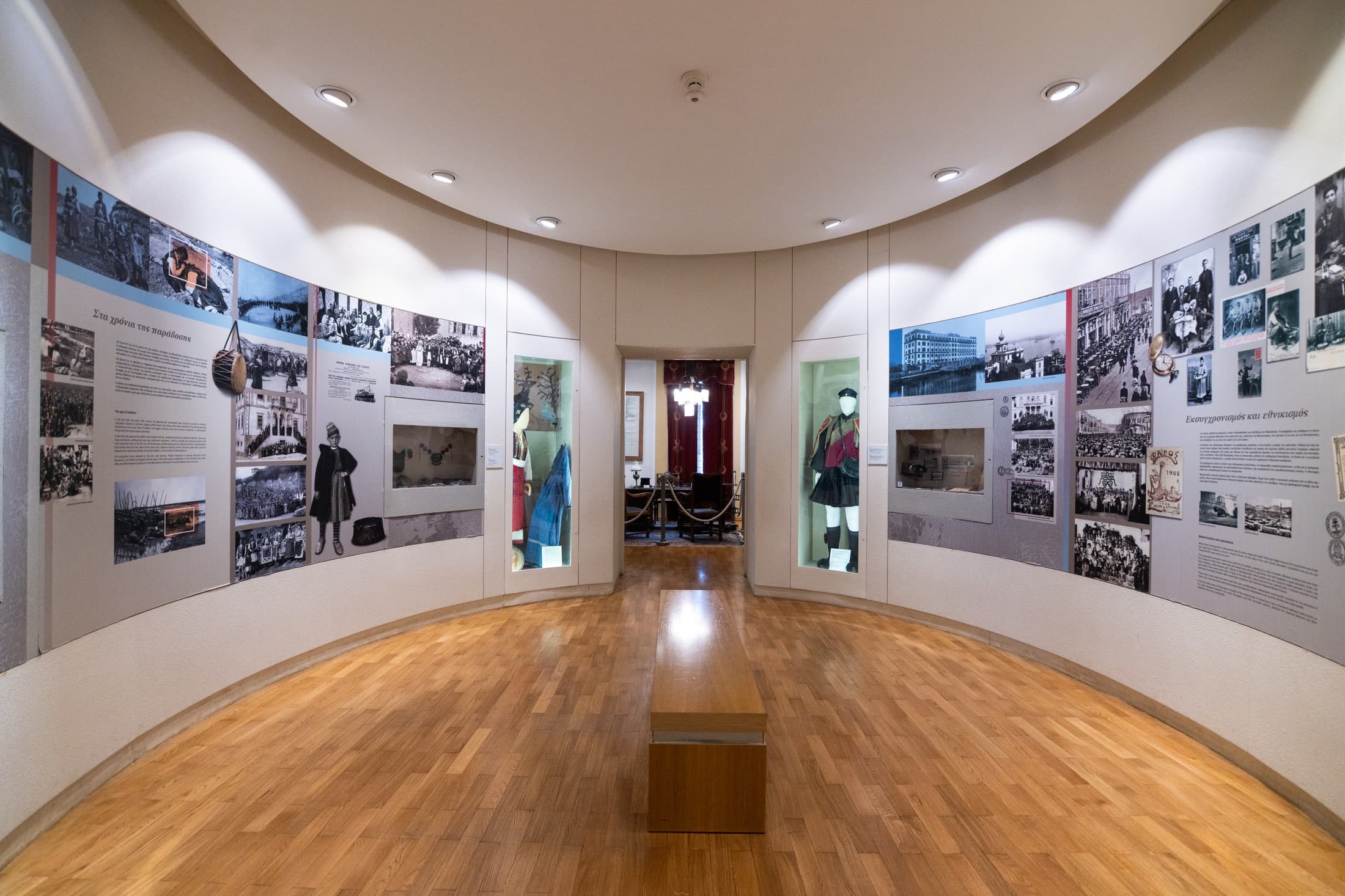
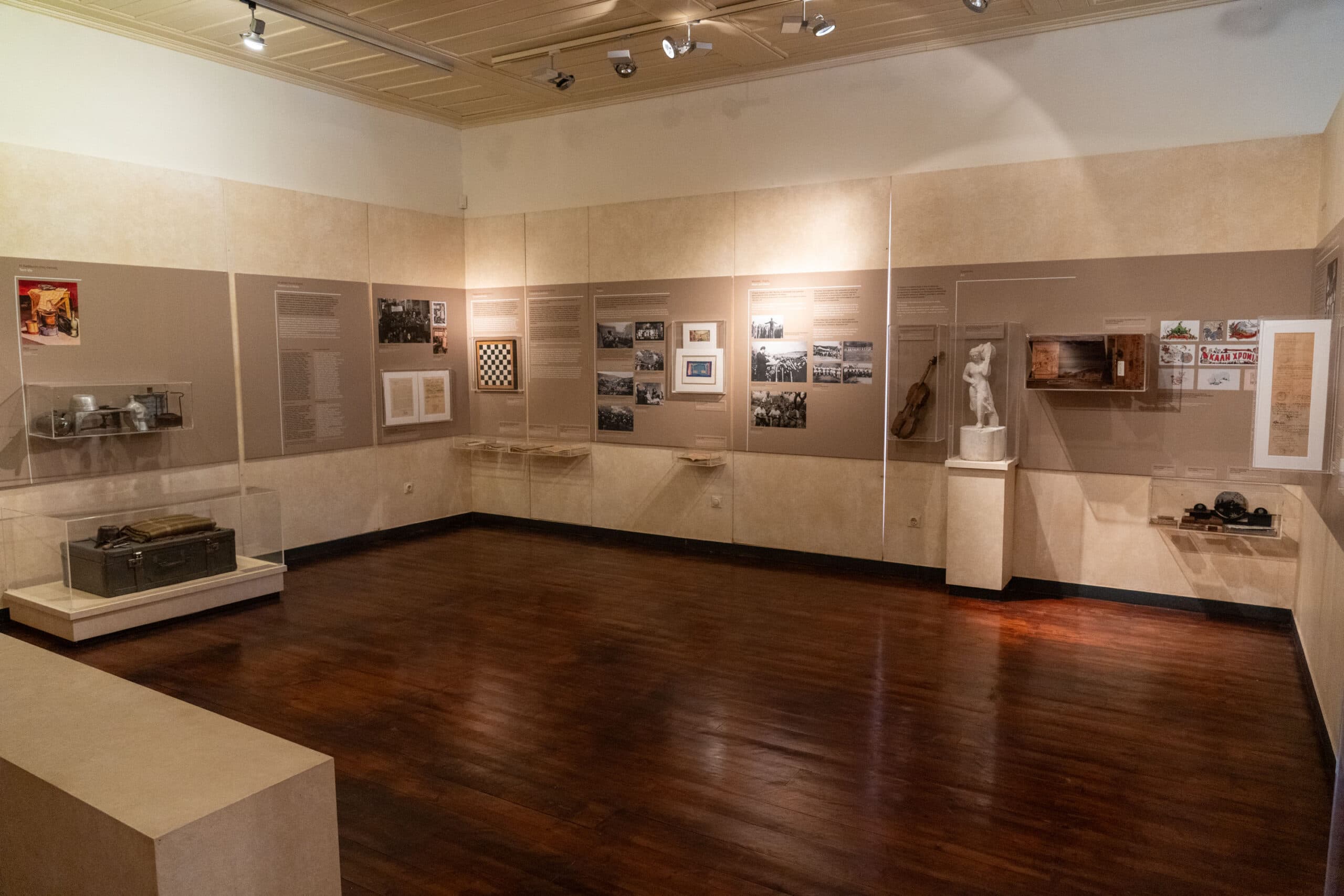
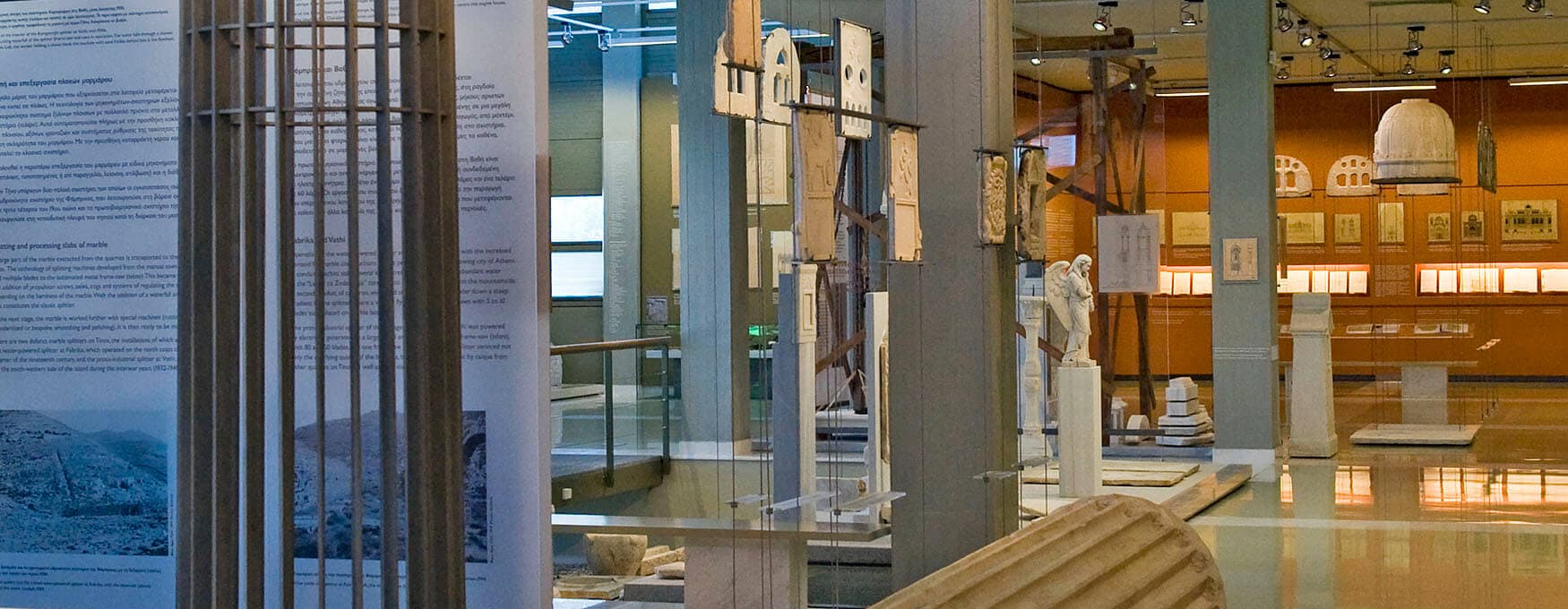
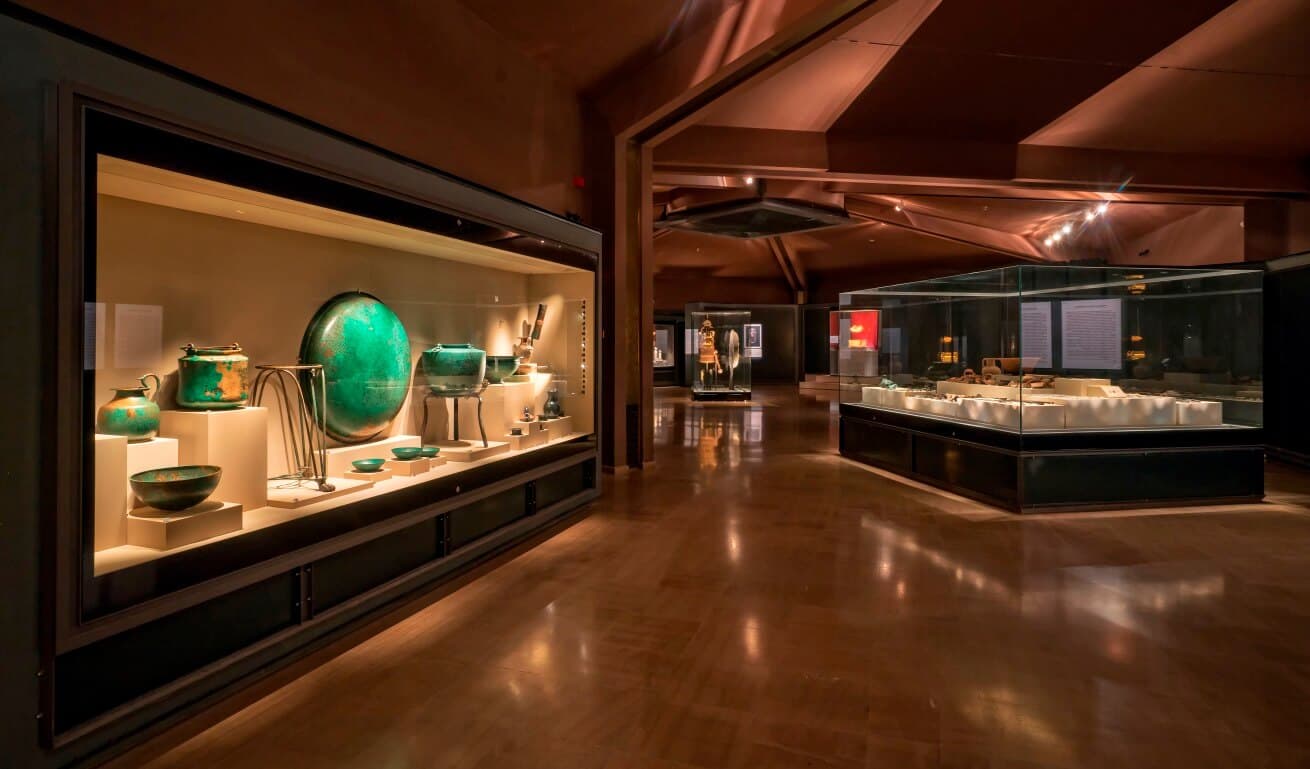
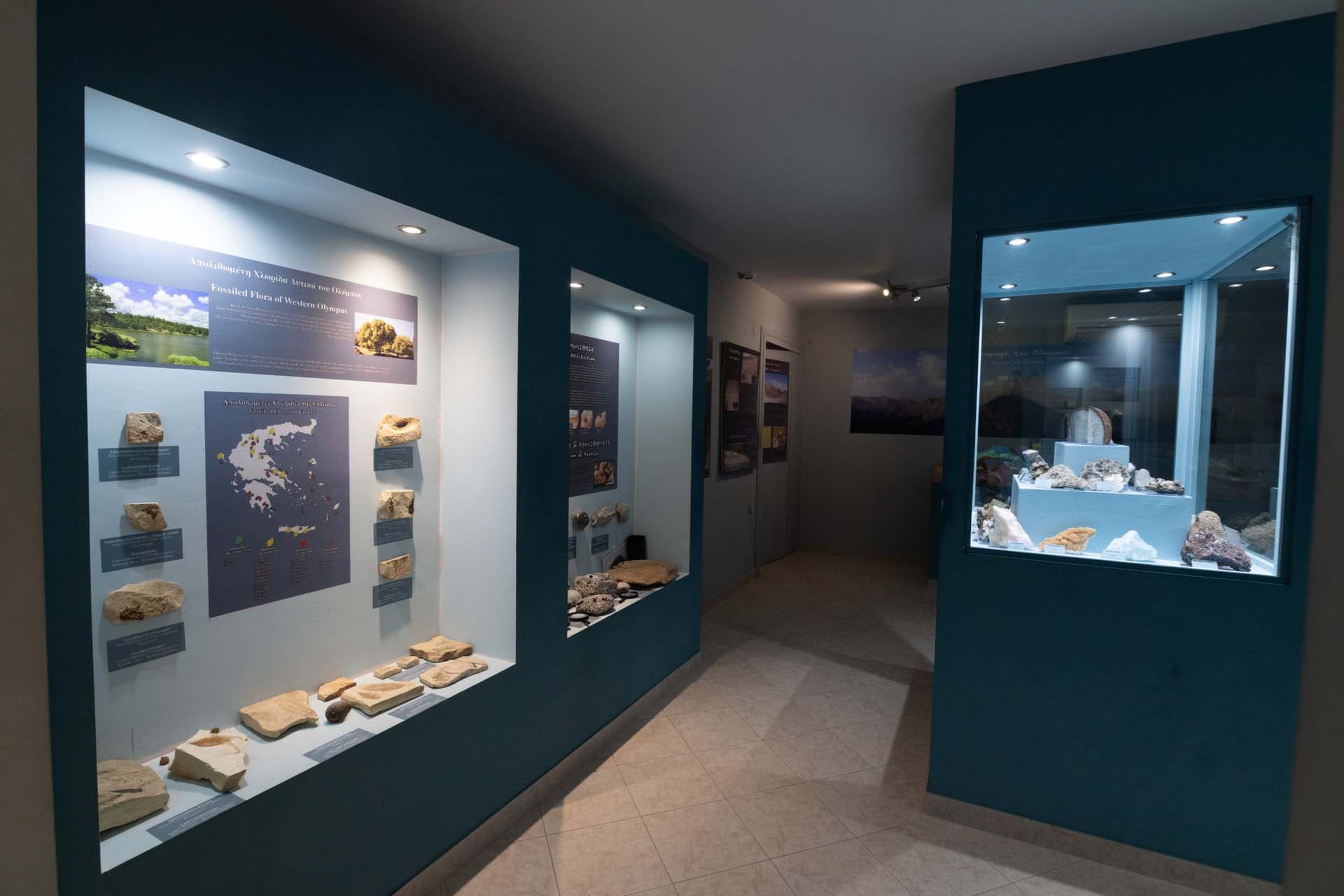
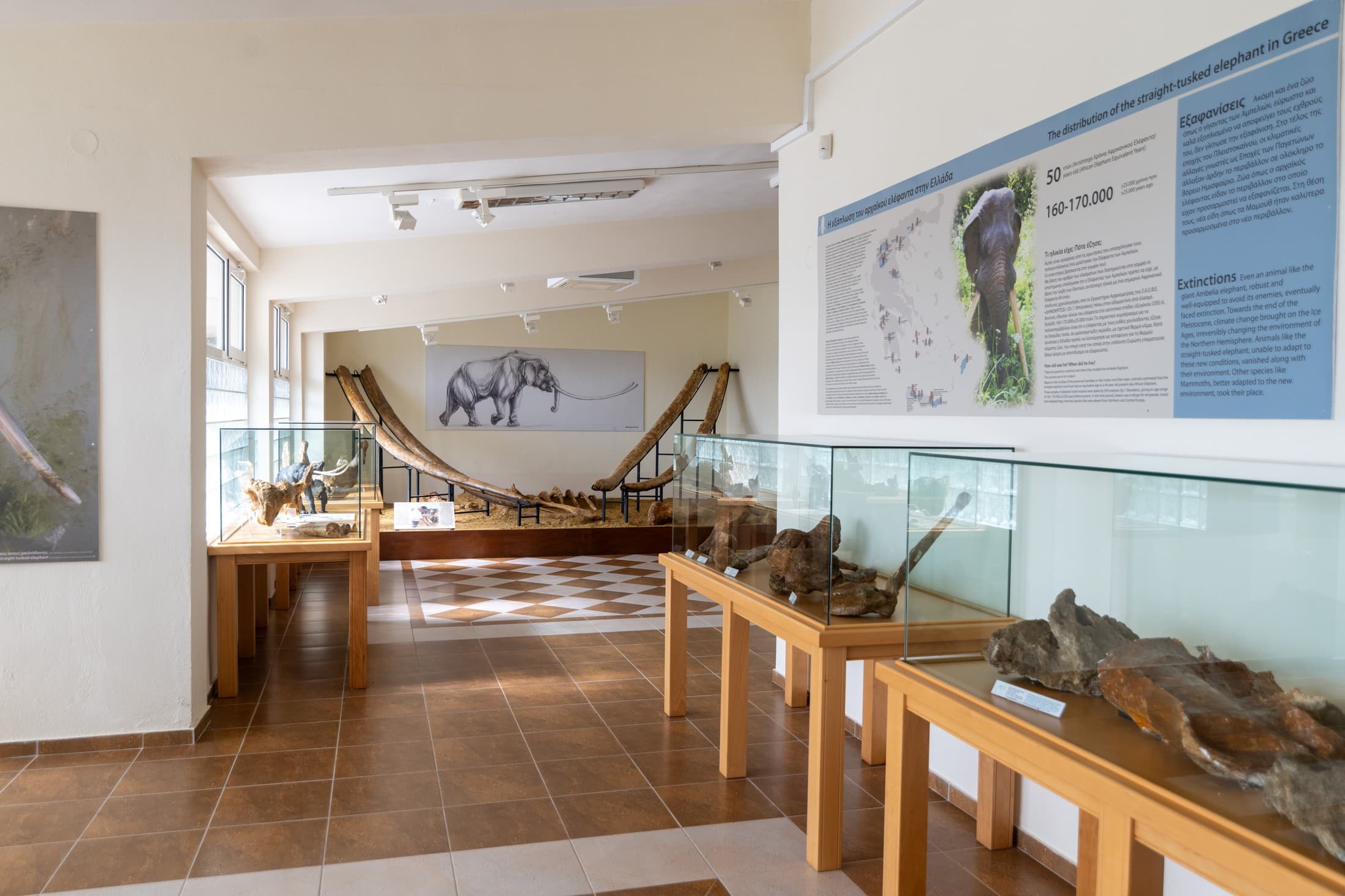
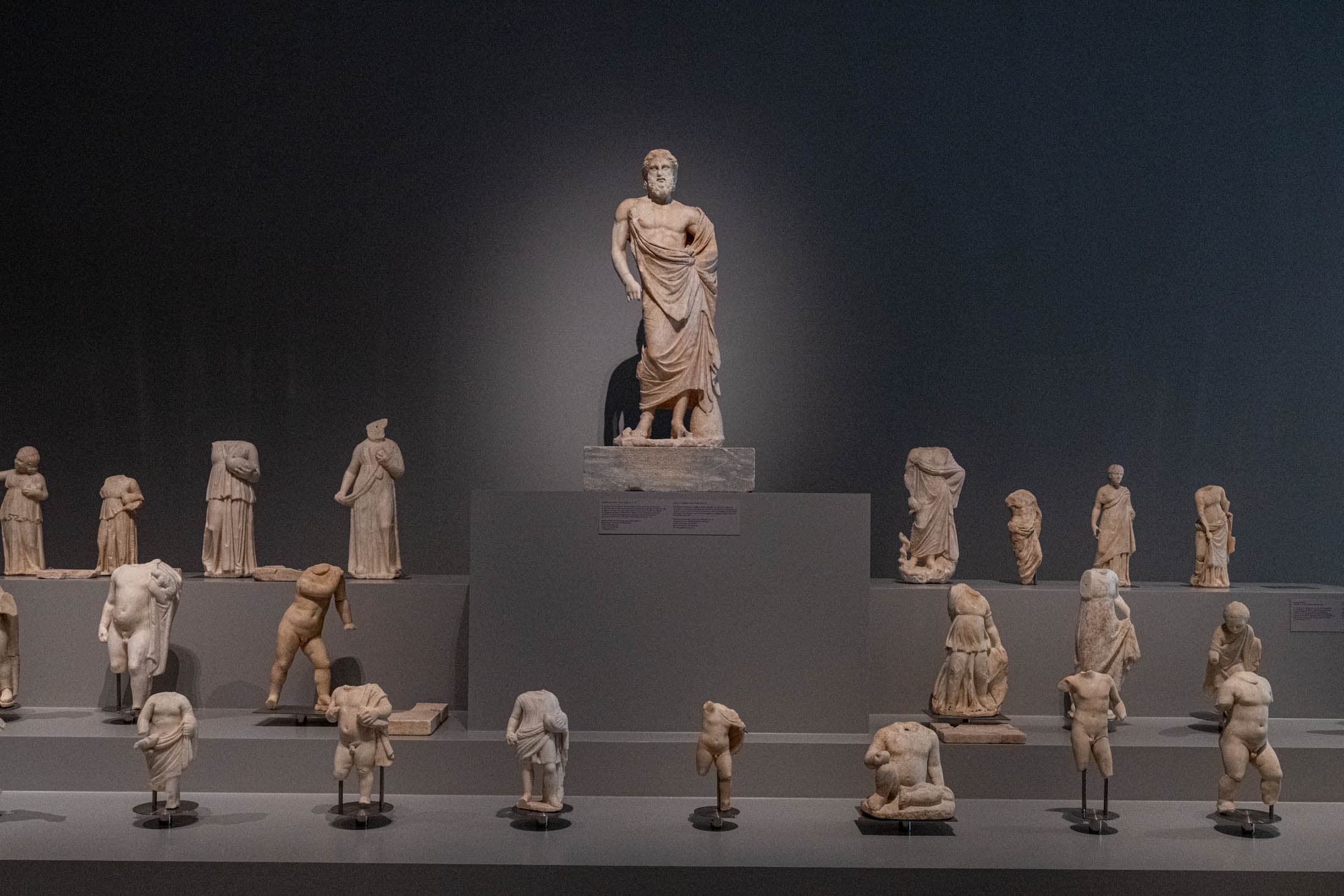
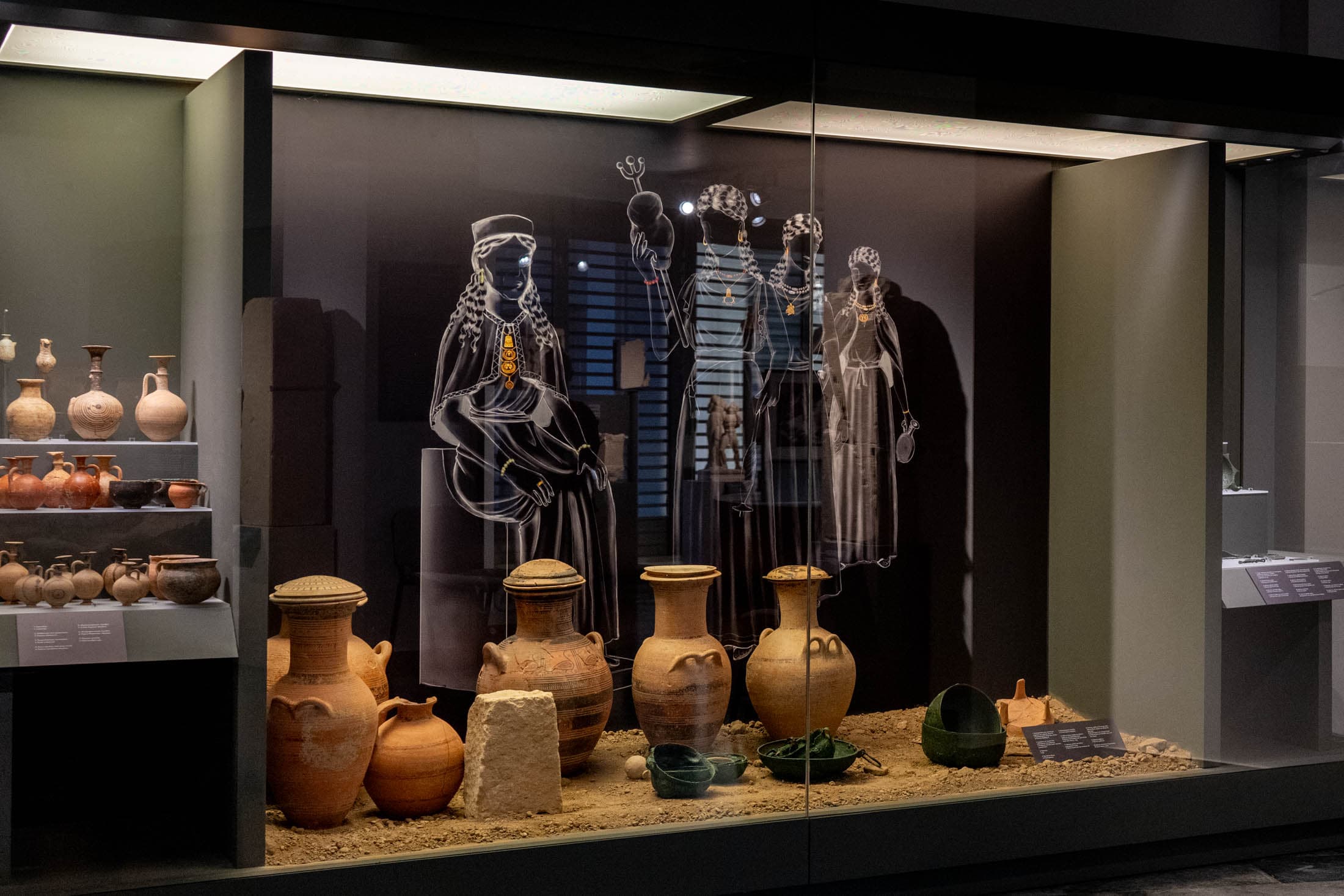
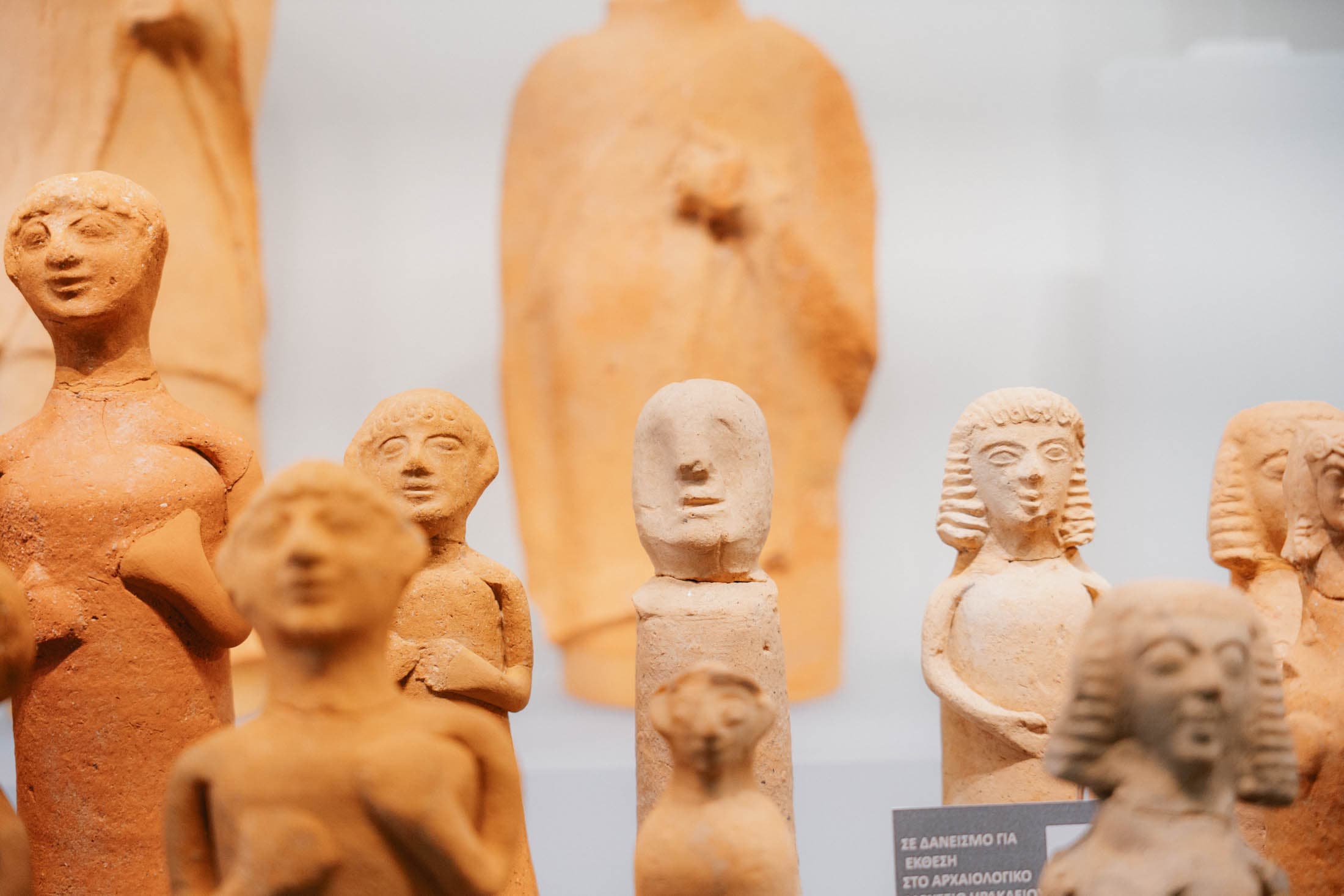
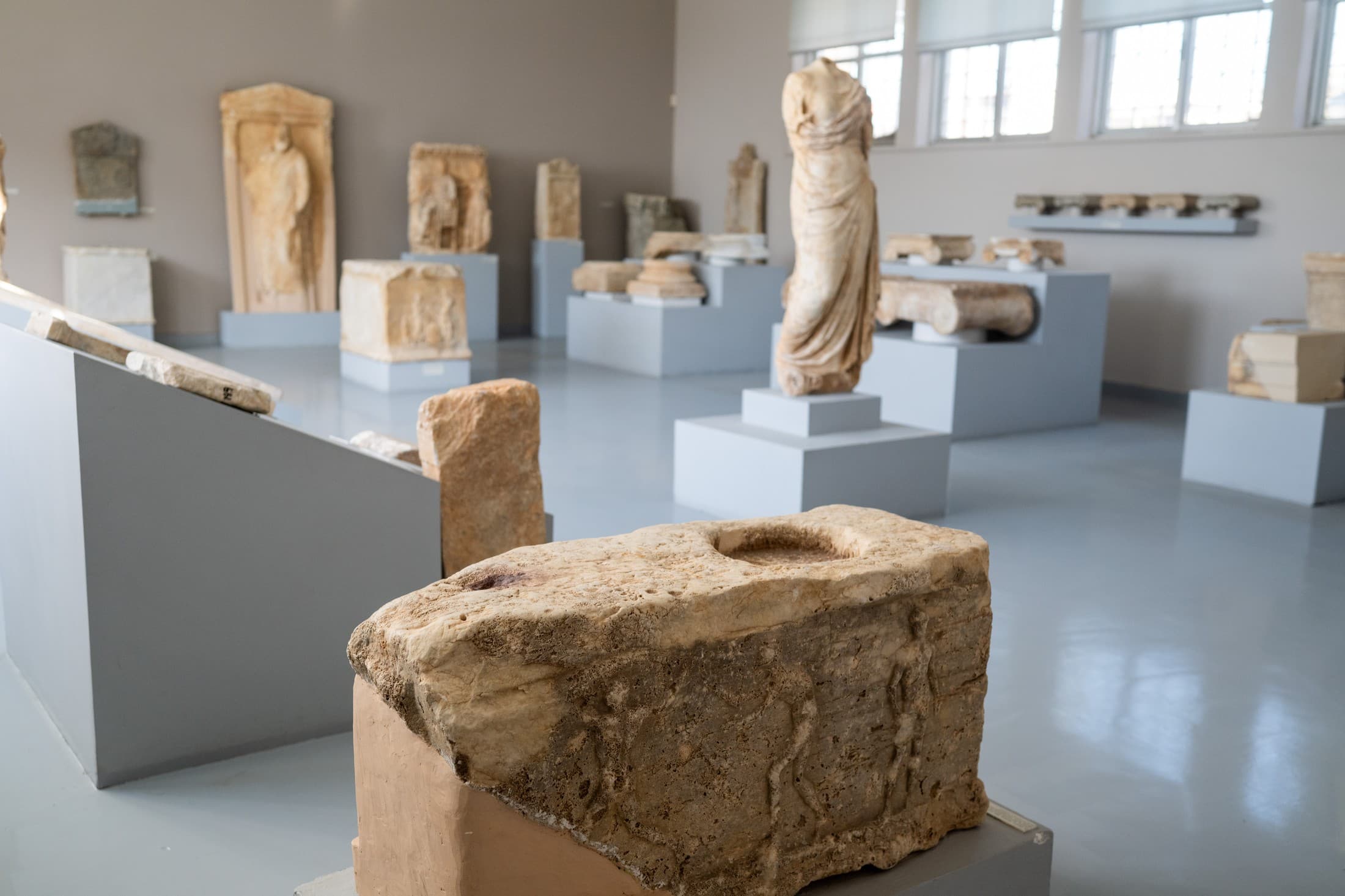
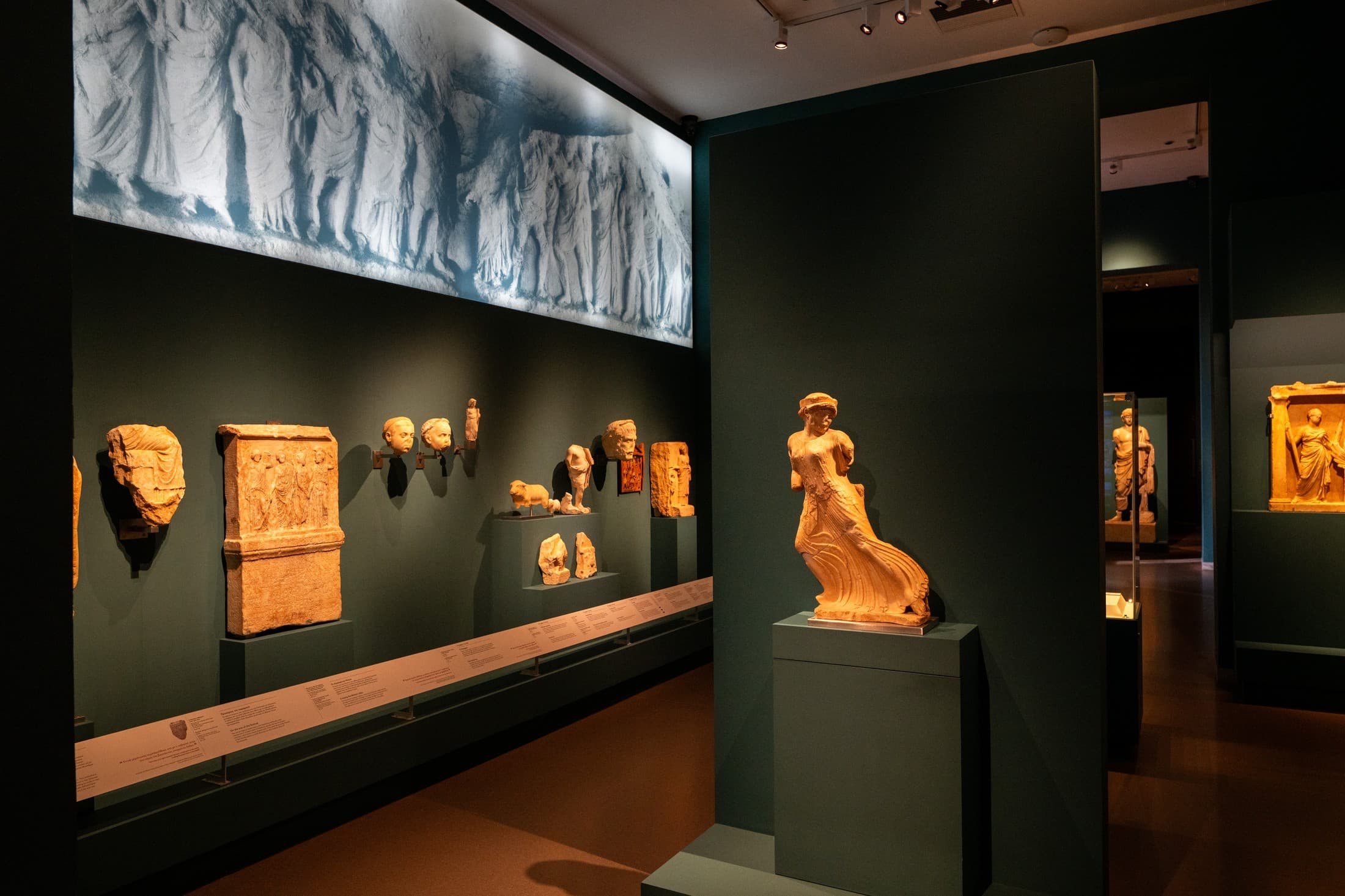
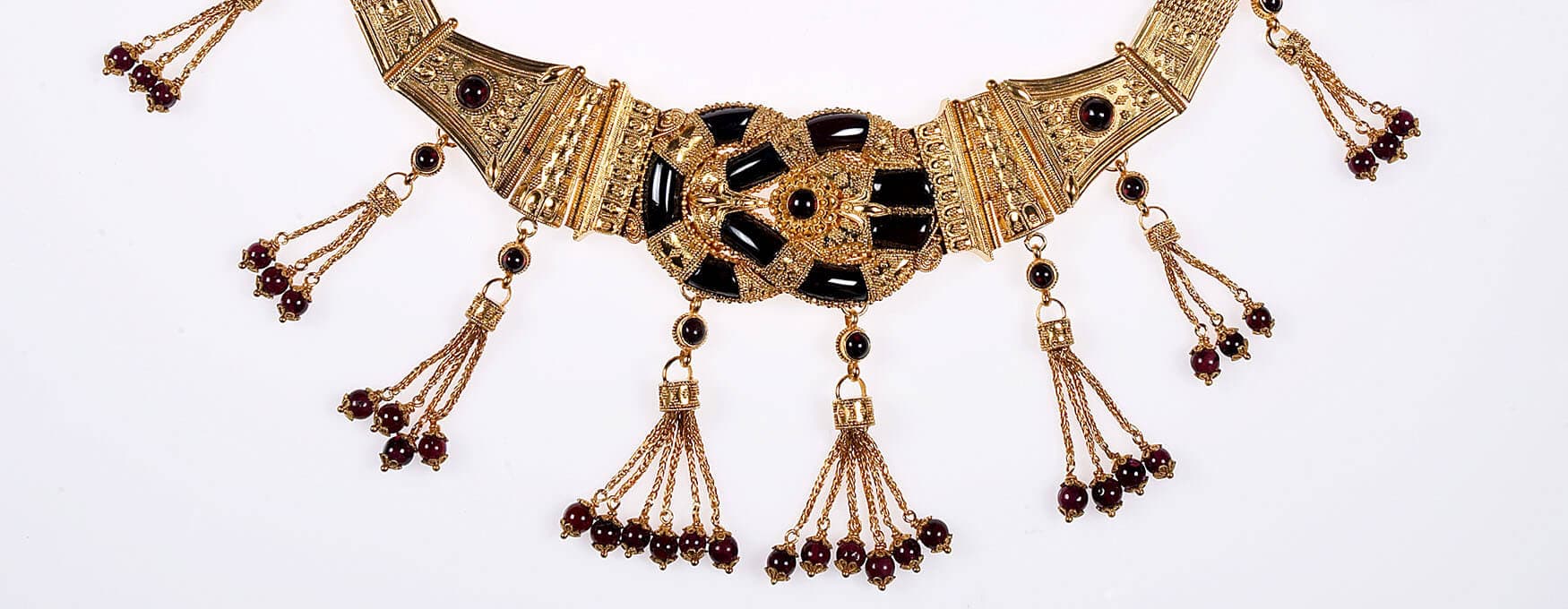
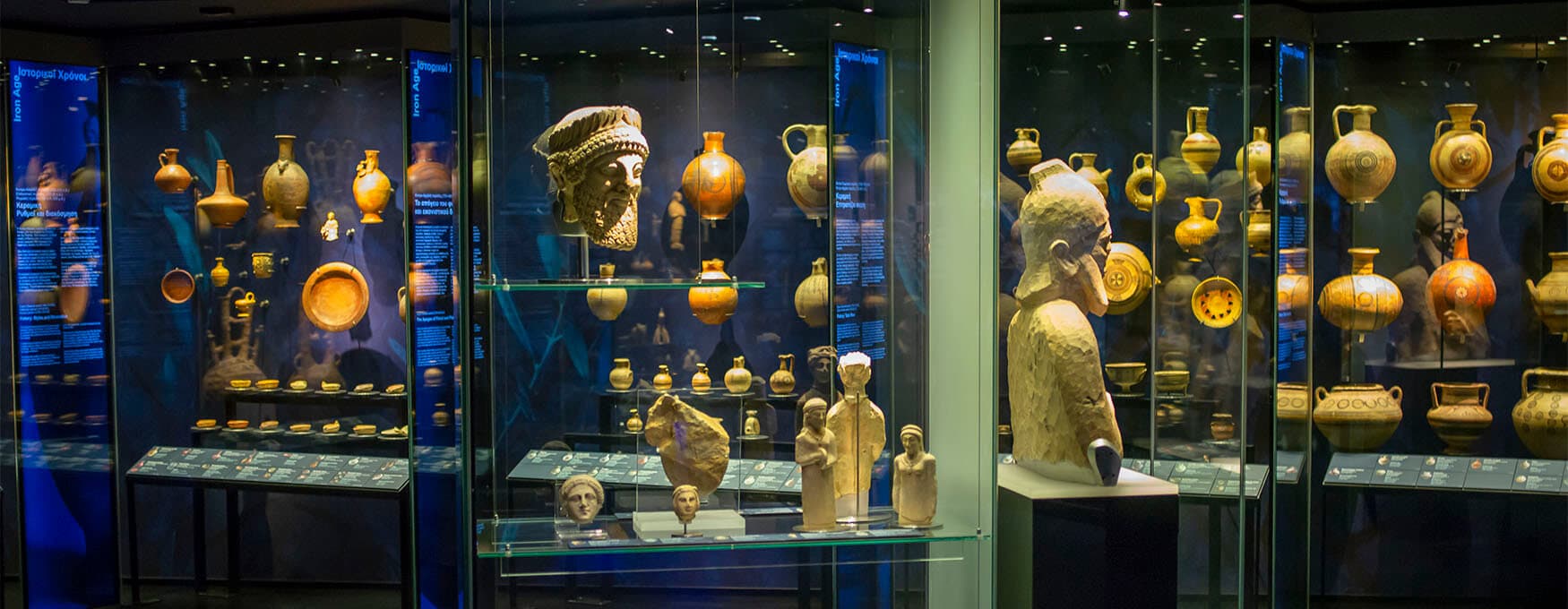
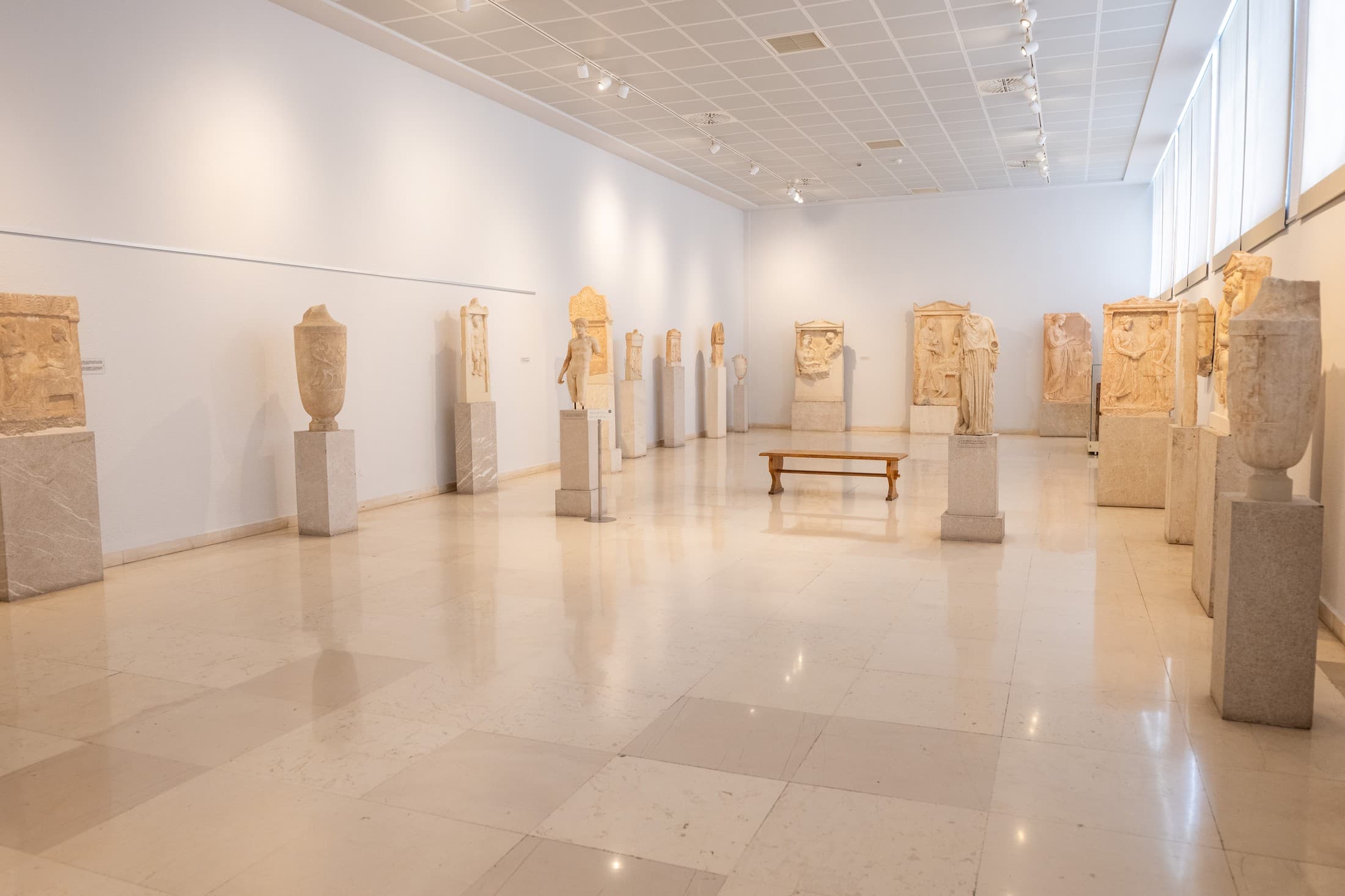
The exhibition halls of the Archaeological Museum of Aiani present impressive archaeological finds: gold jewellery and precious offerings from Macedonian tombs, elaborate pottery, figurines, inscriptions, parts of architectural decoration and findings that document the political, economic and artistic life of the region. Of great interest are the representations of houses and workshops, as well as the exhibits related to the worship and burial practices of the ancient Elimiotes.
Aiani, being the capital of ancient Elimeia, emerges through the exhibition as a place with a strong cultural identity and historical dynamics. At the same time, the museum is a modern research institution of panhellenic importance, as it systematically collects and studies the data of the ongoing excavations in the area.
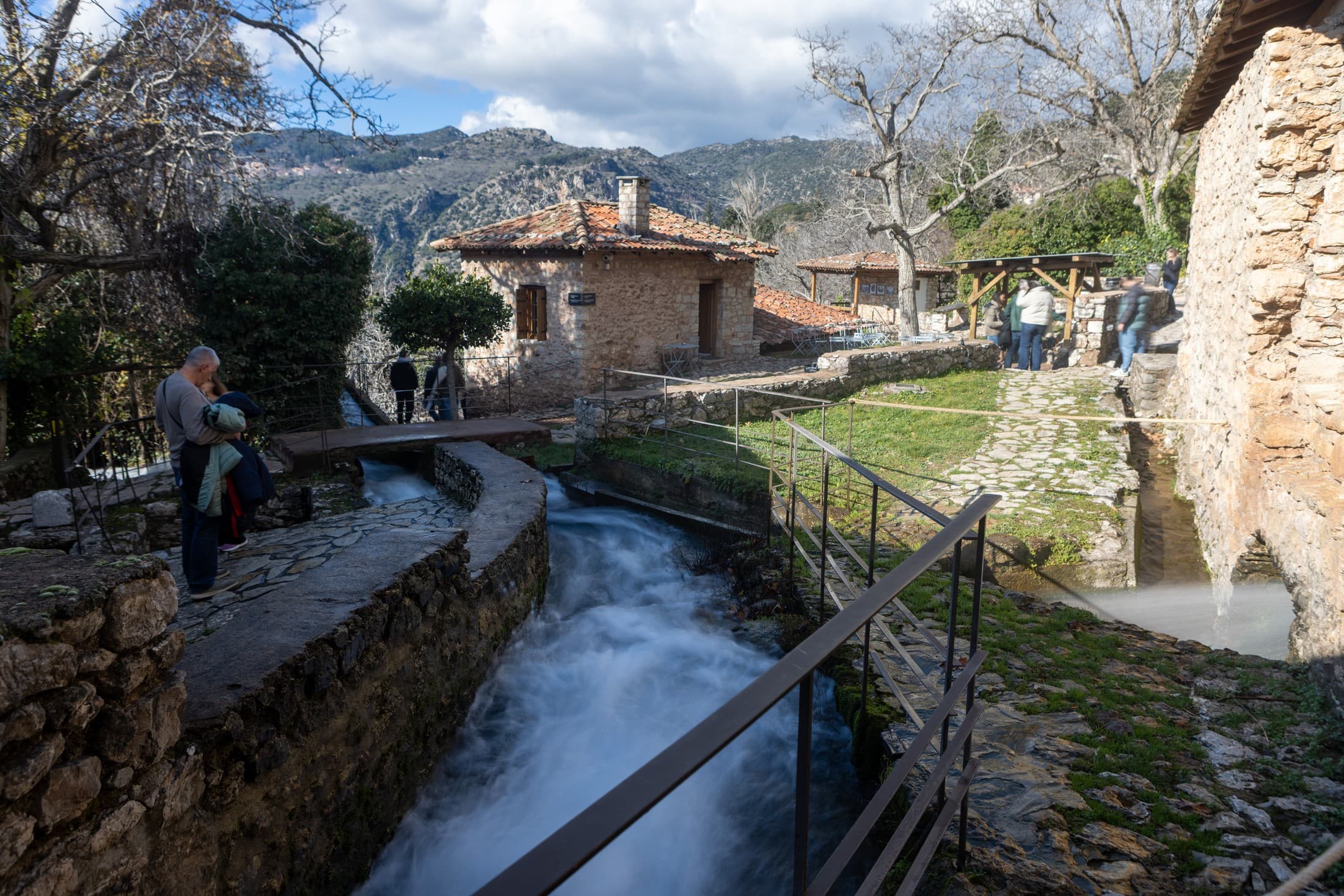
You could combine your visit with a tour of the archaeological site of the ancient city, located a short distance away, as well as with nature trails around Aiani, a place that exudes the atmosphere of its long history.
The first of the two key sections concerns the Late Bronze Age (15th-12th century BC): Mycenaean finds and matt-painted pottery are exhibited, evidence of the presence and influences of the Mycenaean world in the region. The second section, from the Archaic and Classical periods (6th-5th century BC), comes to fill a critical gap in the historical narrative of the Hellenism of Upper Macedonia: the archaeological finds depict the settlement of the Dorian-Macedonian tribes, the continuation of Mycenaean influences and the residential development that leads to the formation of politically organized communities.
The exhibition halls of the Archaeological Museum of Aiani present impressive archaeological finds: gold jewellery and precious offerings from Macedonian tombs, elaborate pottery, figurines, inscriptions, parts of architectural decoration and findings that document the political, economic and artistic life of the region. Of great interest are the representations of houses and workshops, as well as the exhibits related to the worship and burial practices of the ancient Elimiotes.
Aiani, being the capital of ancient Elimeia, emerges through the exhibition as a place with a strong cultural identity and historical dynamics. At the same time, the museum is a modern research institution of panhellenic importance, as it systematically collects and studies the data of the ongoing excavations in the area.
You could combine your visit with a tour of the archaeological site of the ancient city, located a short distance away, as well as with nature trails around Aiani, a place that exudes the atmosphere of its long history.