The Minoan Palace of Colors
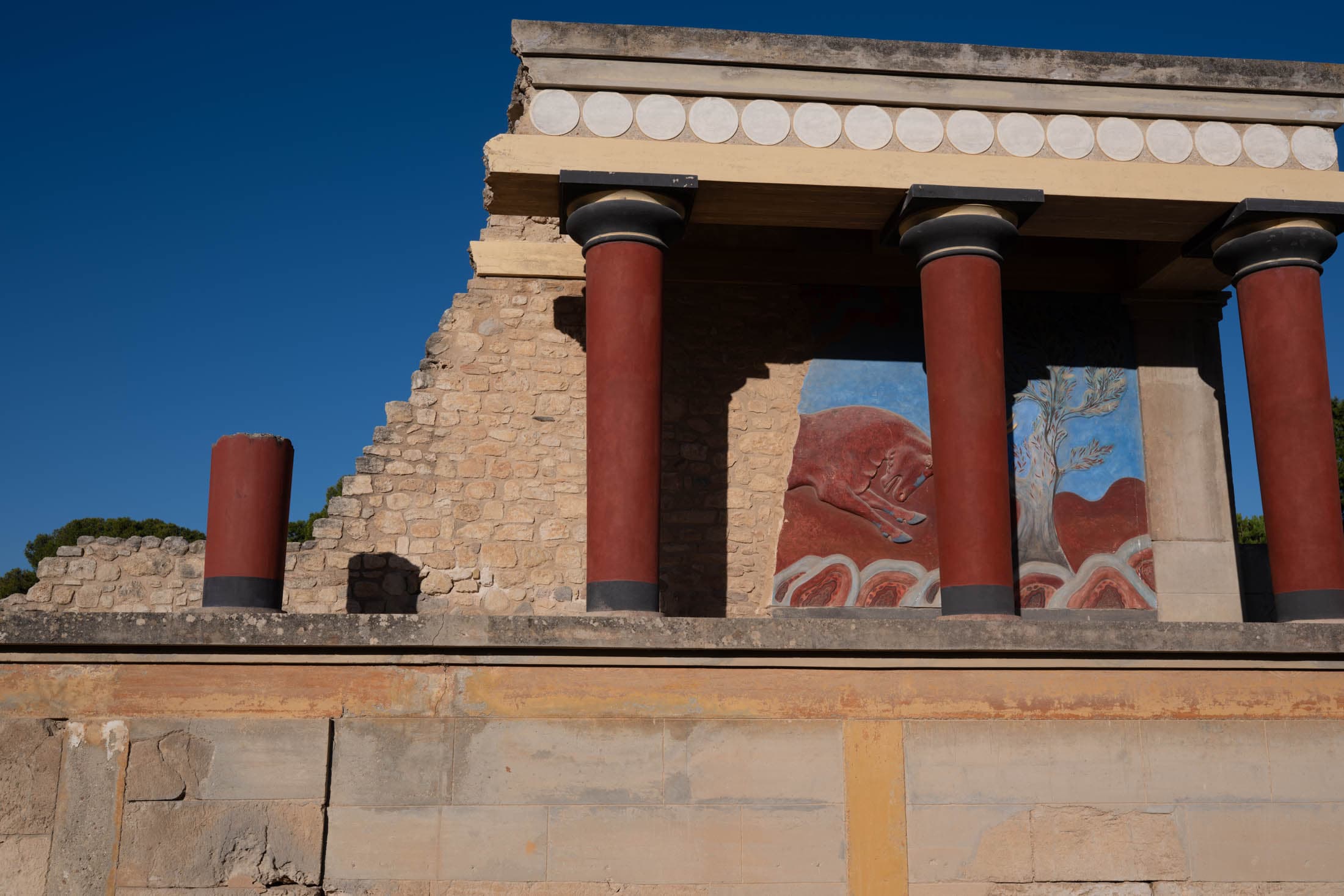
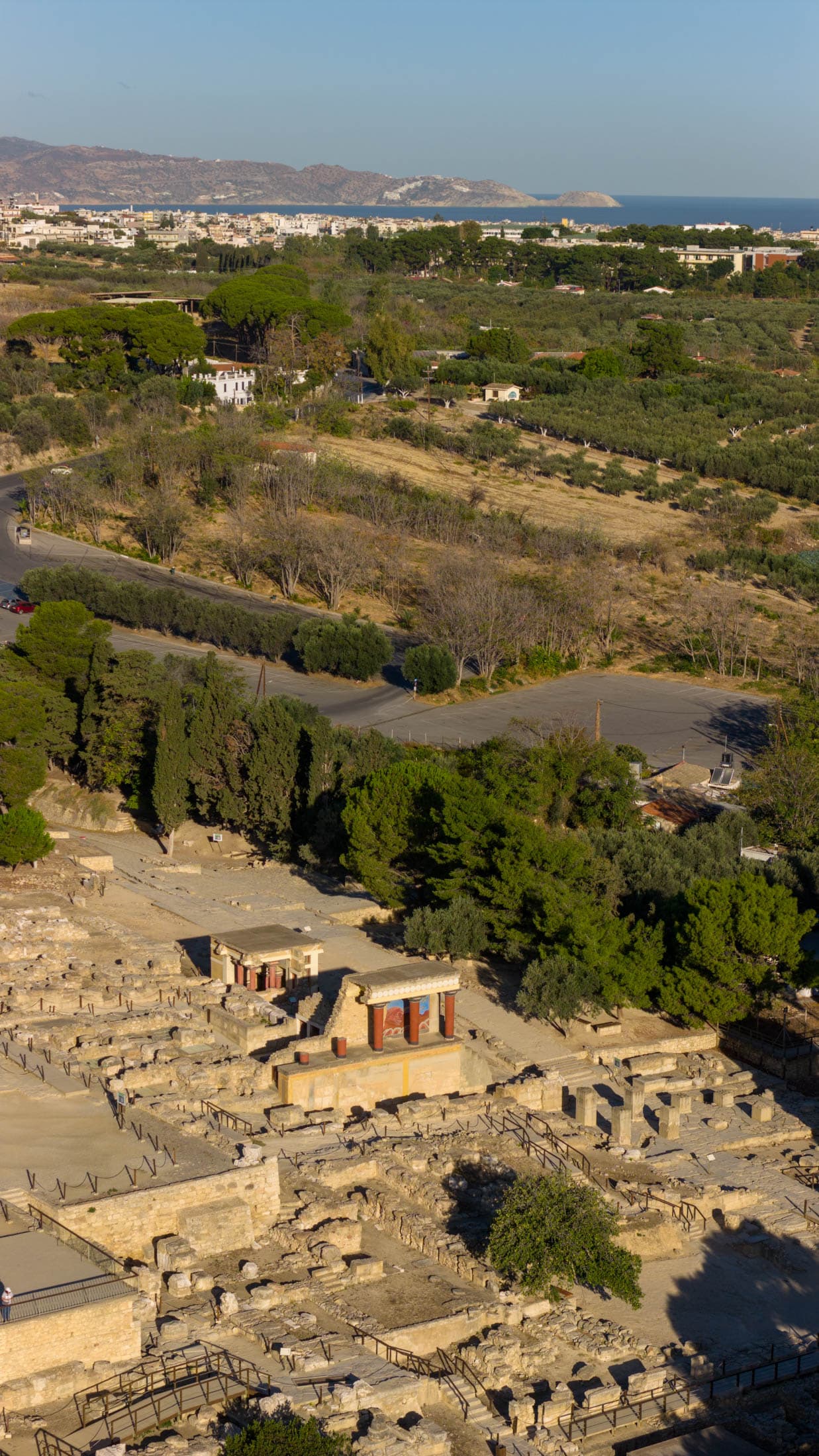
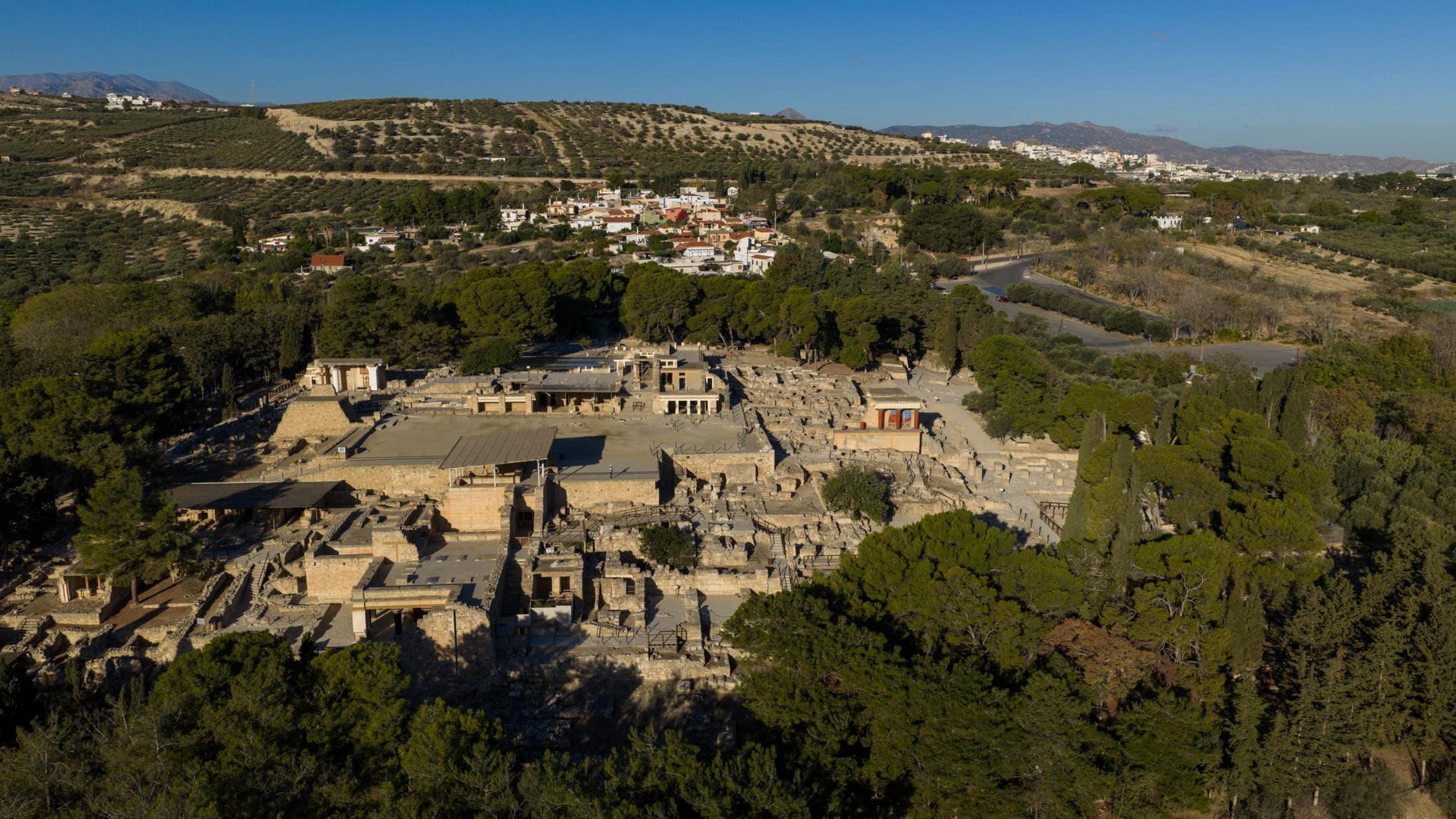
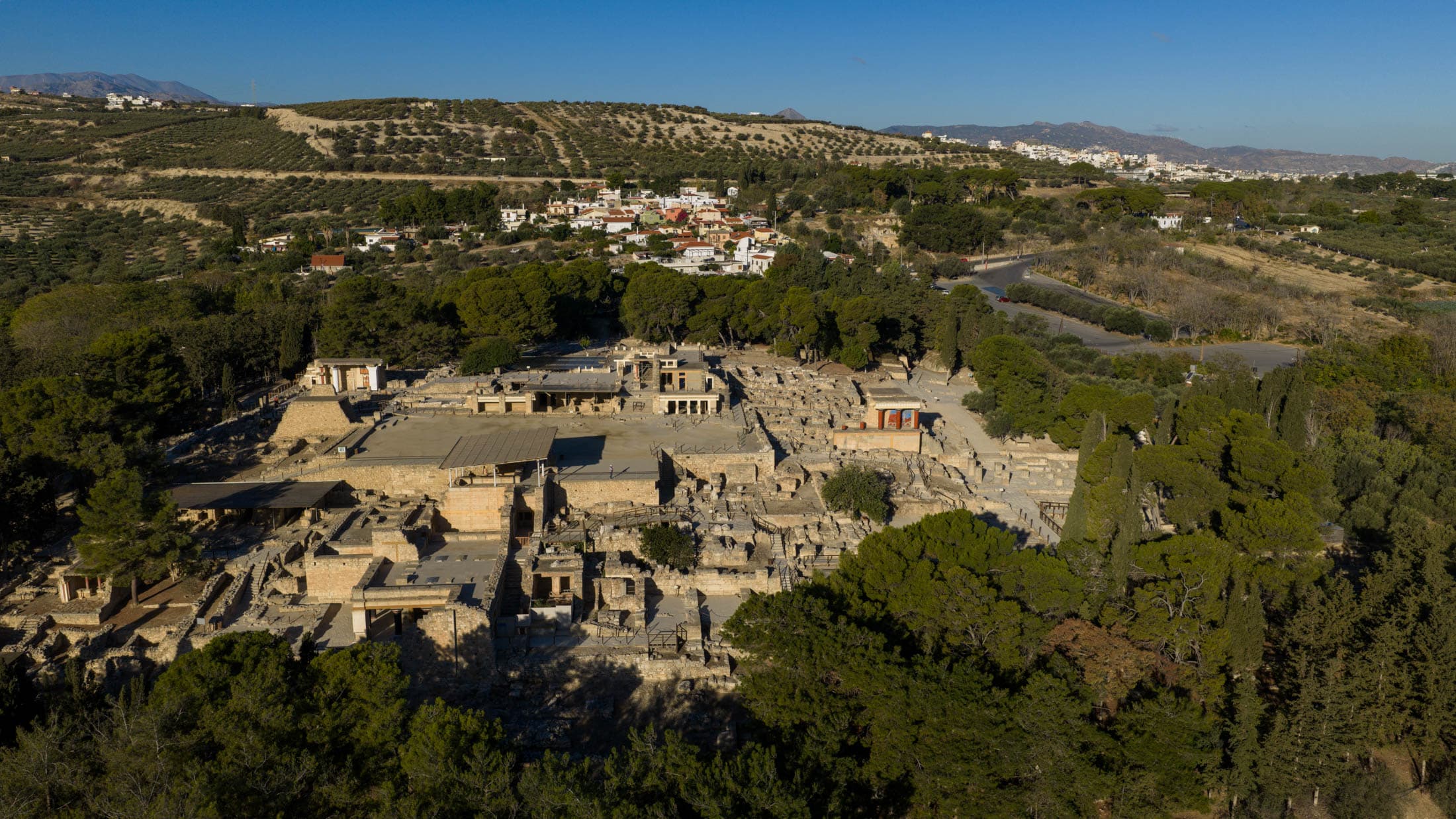
Knossos, the most emblematic centre of the Minoan Civilisation, was recognised in 2025 as a UNESCO World Heritage Site. Located on Kefala Hill near Heraklion, it is the largest archaeological site in Crete and the seat of mythical King Minos, son of Zeus and Europa.
Myths and History
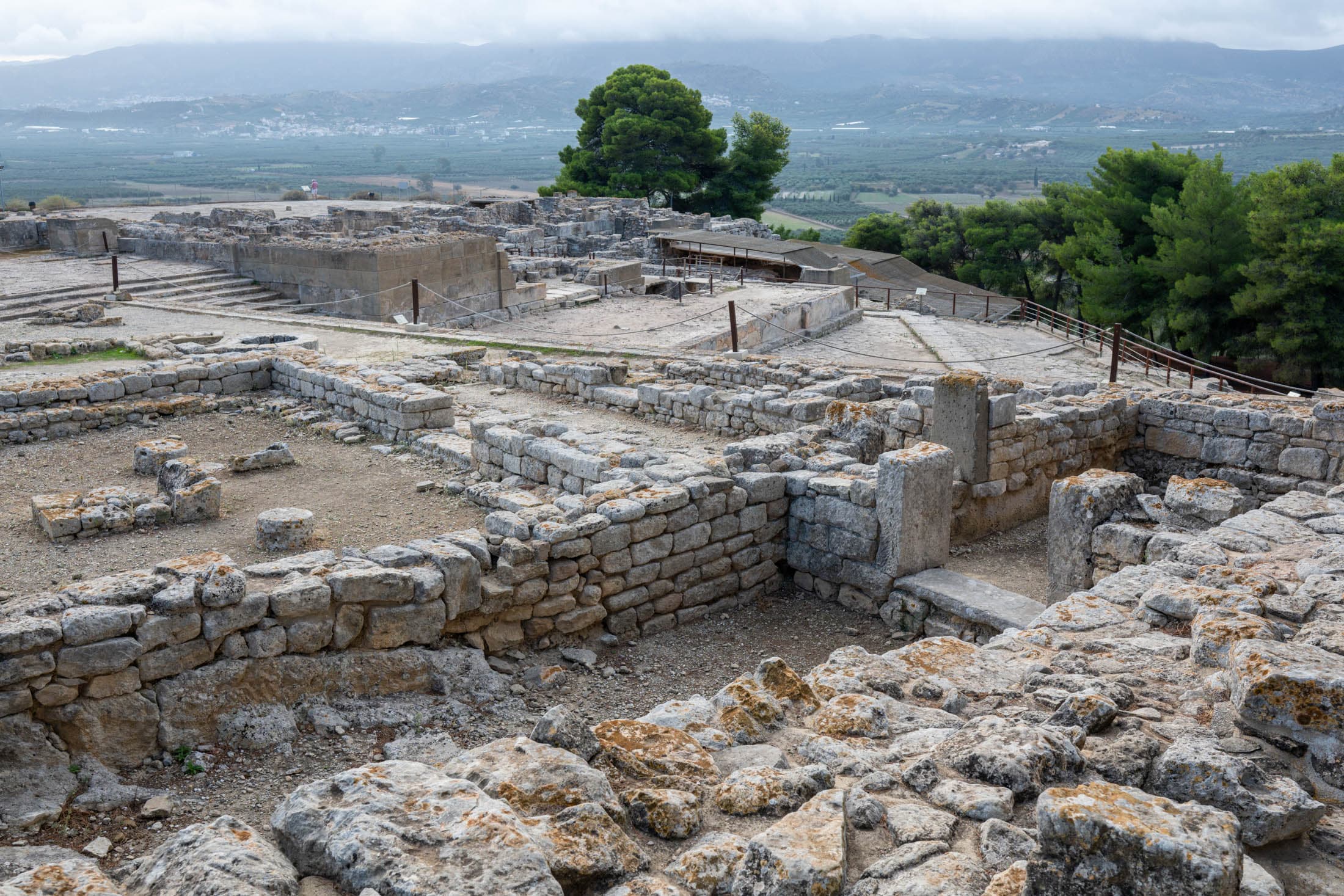
Knossos is entwined with the captivating myths of the Labyrinth, the Minotaur, and Daedalus. It experienced its peak between 2000-1350 BC. The multi-level palace spans 2,2 hectares, it was constructed in two phases, and impresses with its architectural complexity.
Touring the Palace
The entrance is located in the west wing, where the Throne Room dominates, featuring the original stone throne and the tripartite Sanctuary. In the east wing, you will find the luxurious royal quarters.
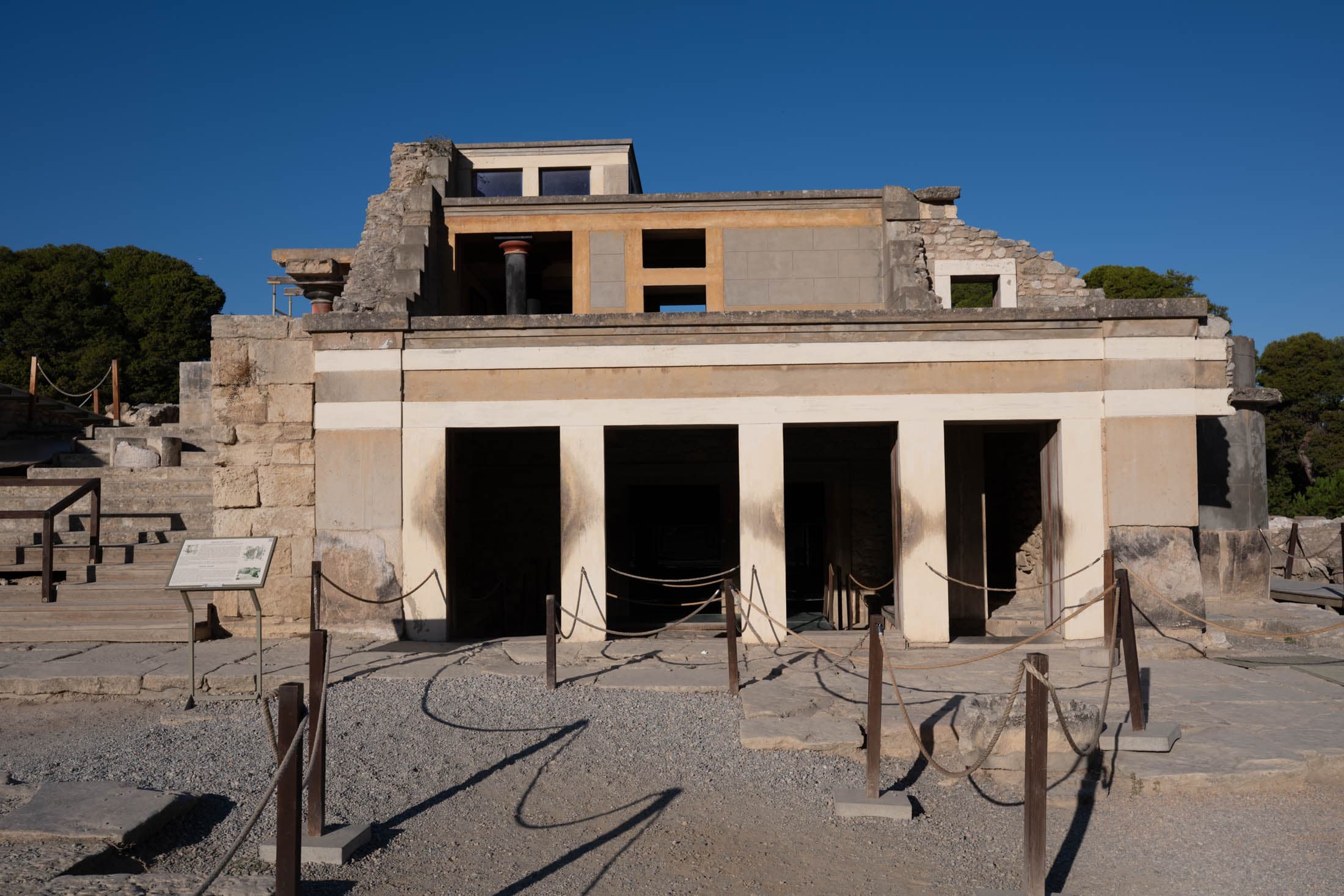
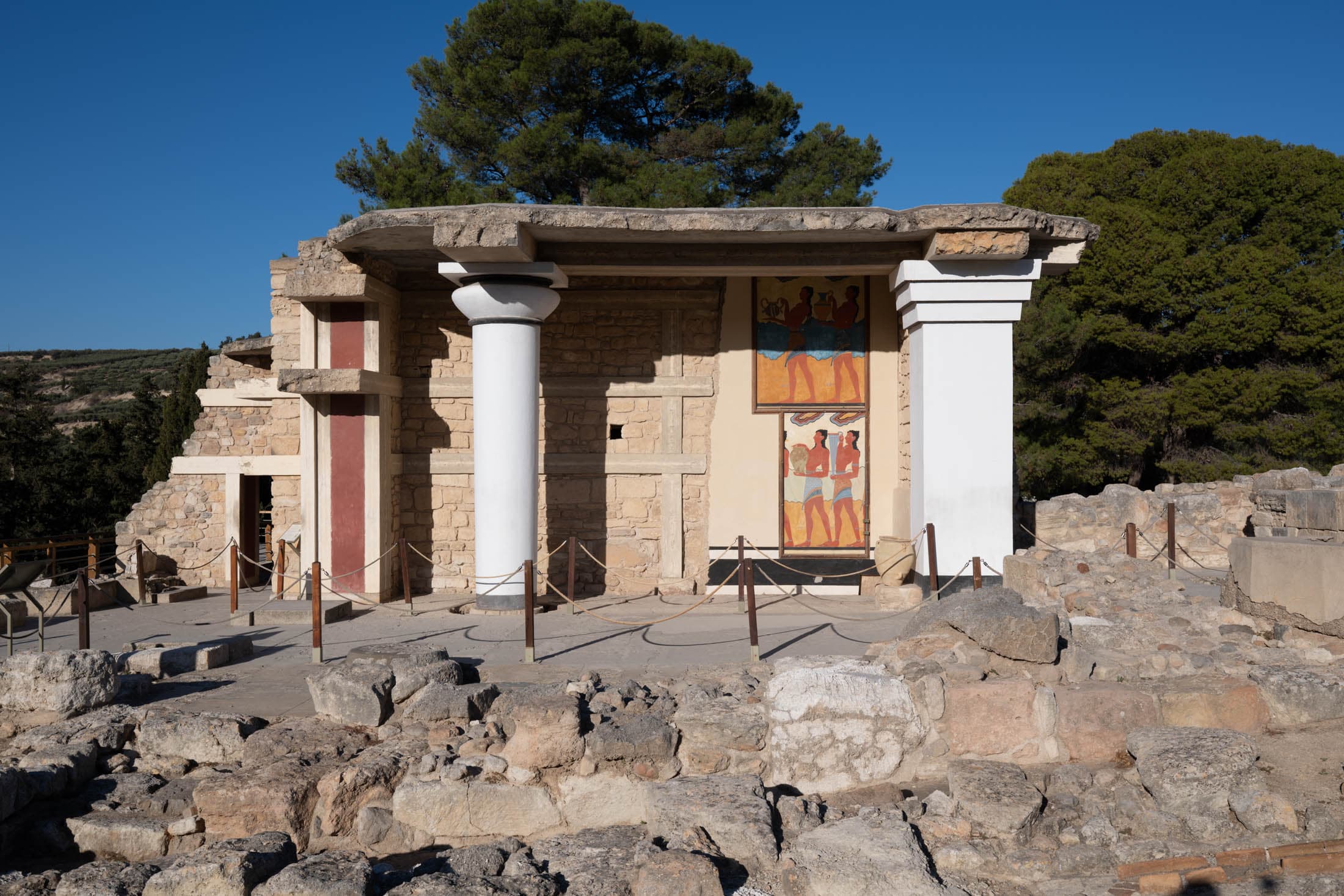
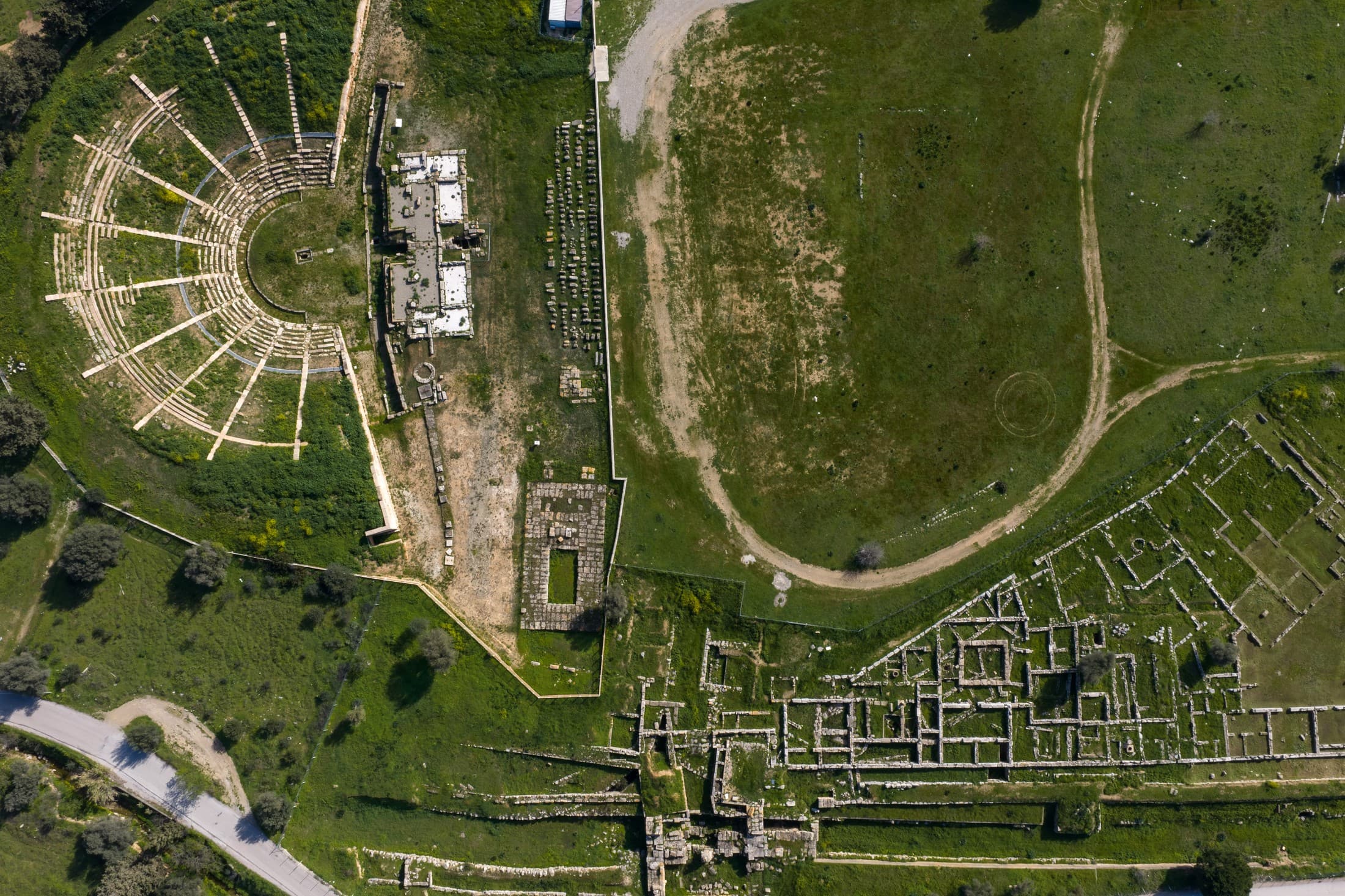
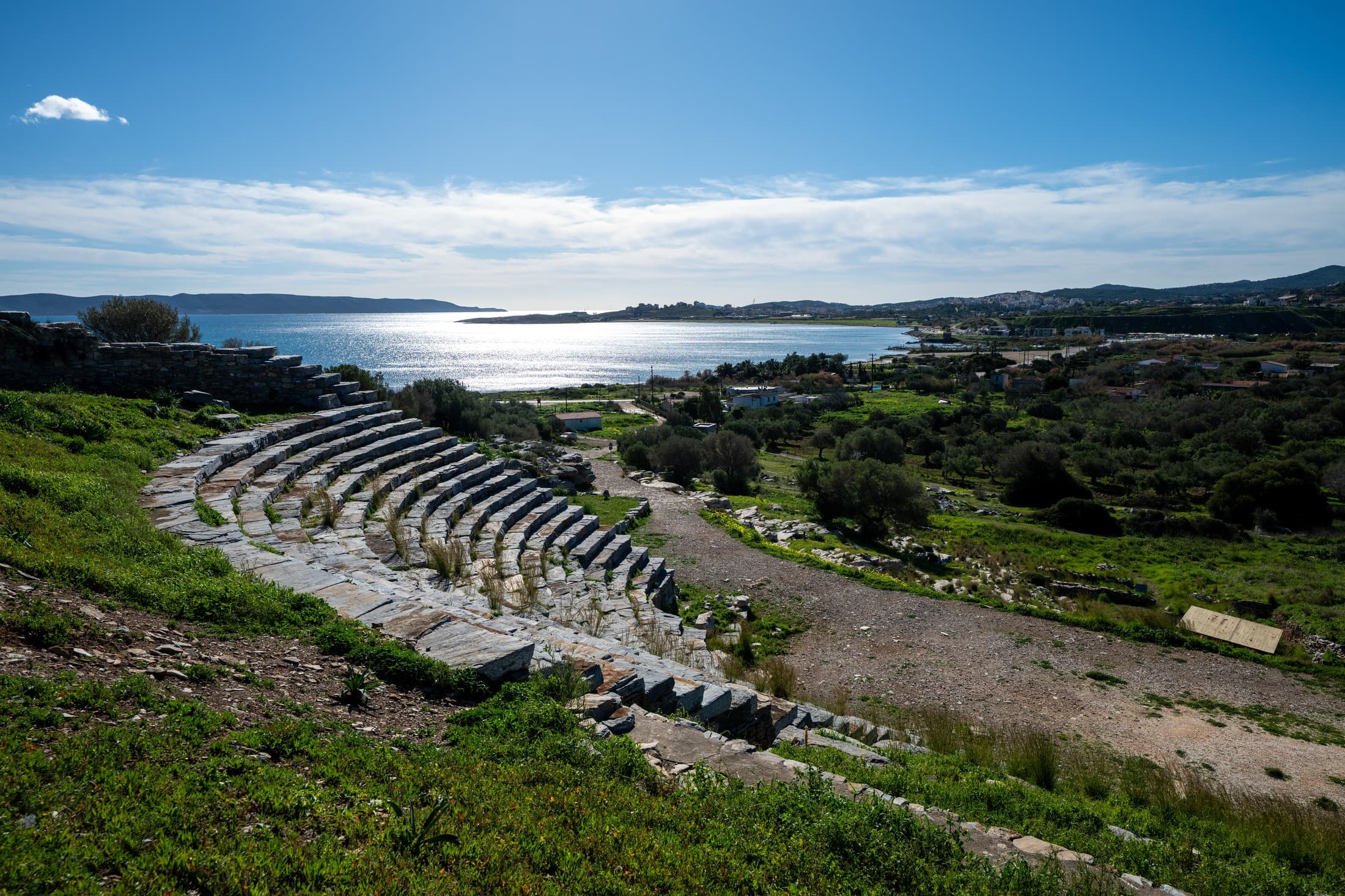
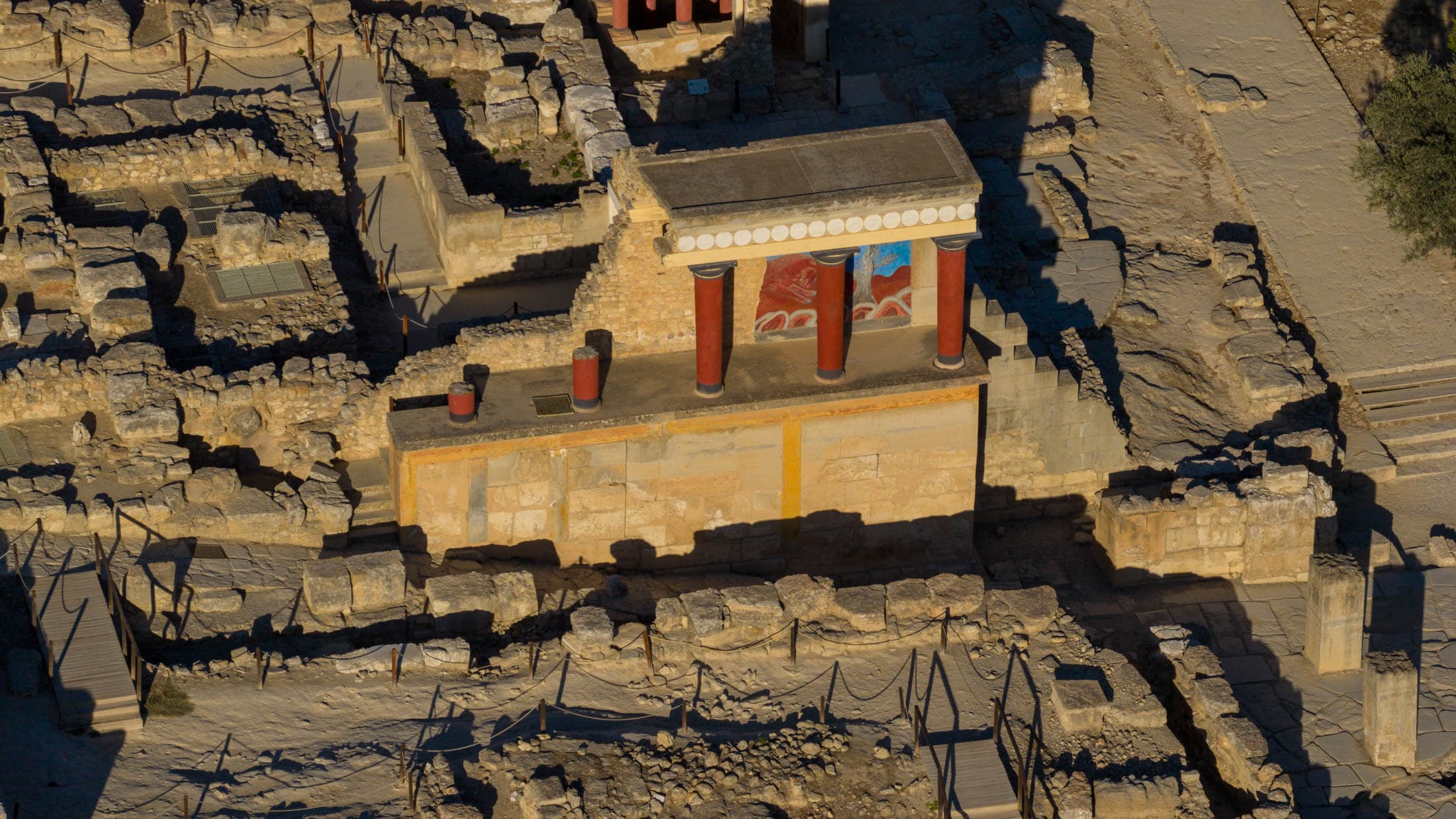
At the southern entrance, visitors are greeted by the Prince of the Lilies, while at the northern entrance stands the Customs House with its imposing pilasters. Outside the main complex lie the ancient theatre, the Royal Road, and the Small Palace.
Excavations and Finds
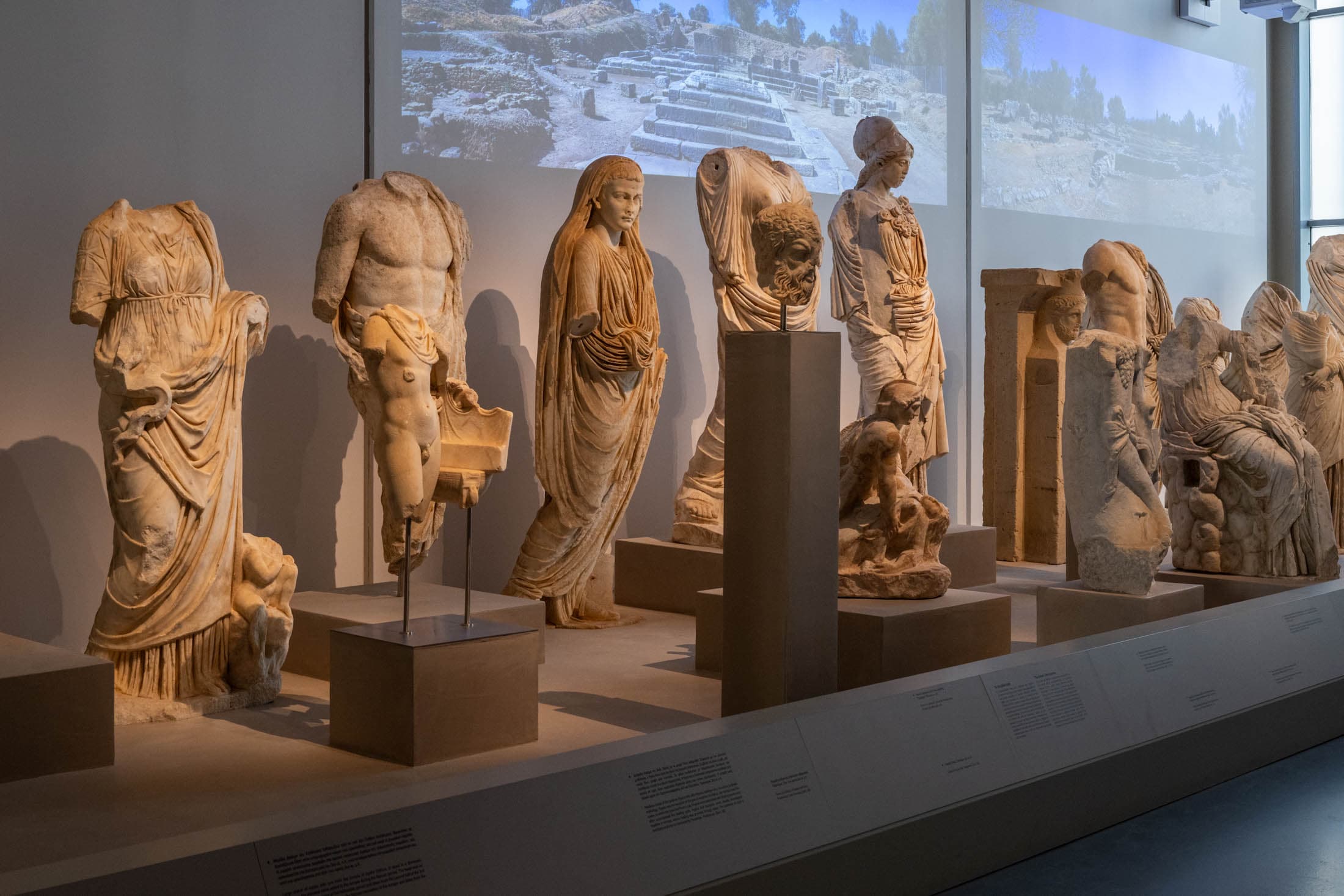
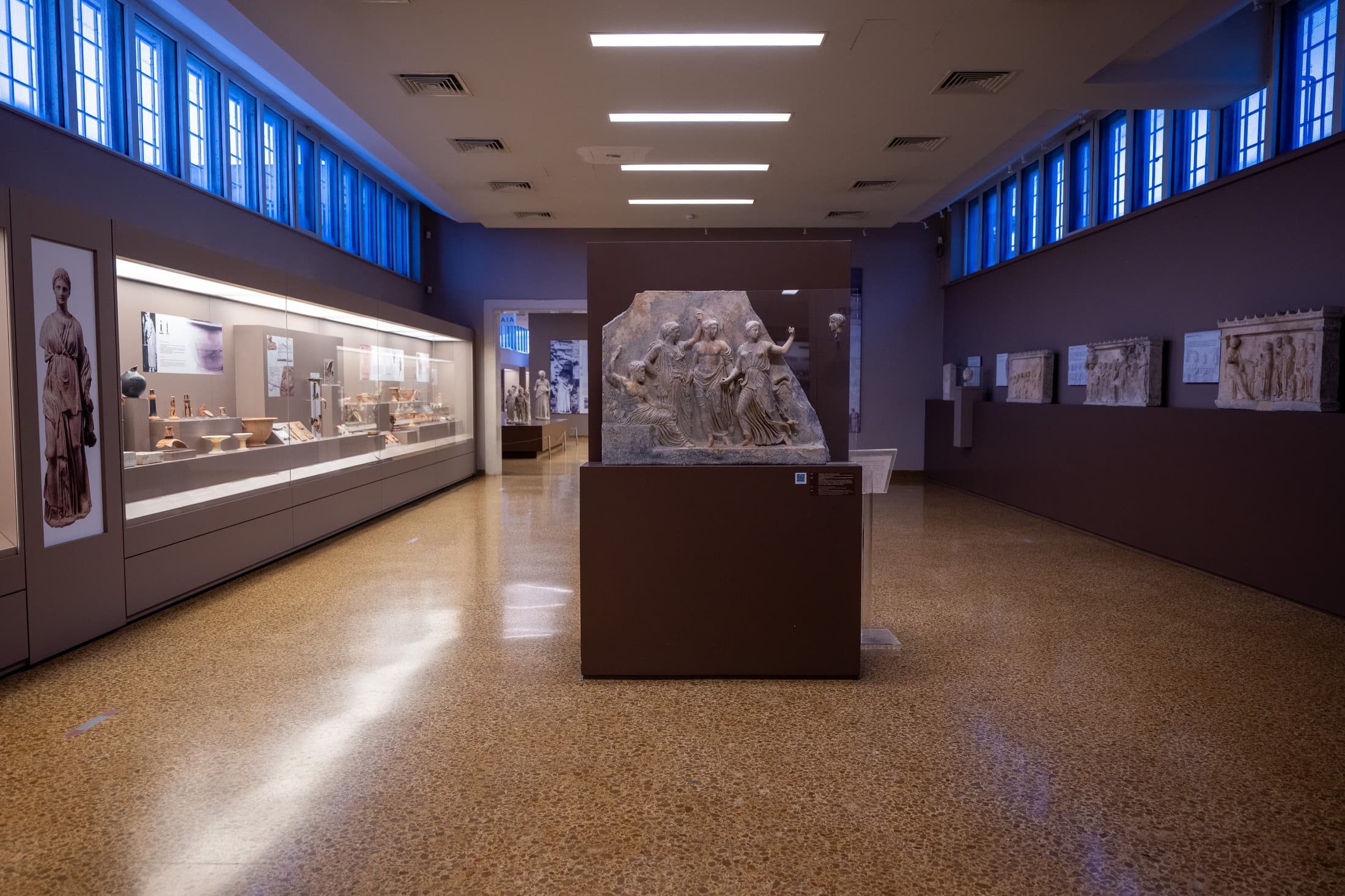
Although initial excavations commenced in 1878 under Minos Kalokairinos, the discovery of the palace is attributed to Sir Arthur Evans (1900-1931), who also undertook controversial yet impressive restorations. The original finds, such as the frescoes and the colossal storage jars, are housed in the Archaeological Museum of Heraklion.
A visit to Knossos is a mystical experience, bringing to life the dawn of European civilisation through a labyrinthine complex of history, myth, and unparalleled aesthetics.
Myths and History
Knossos is entwined with the captivating myths of the Labyrinth, the Minotaur, and Daedalus. It experienced its peak between 2000-1350 BC. The multi-level palace spans 2,2 hectares, it was constructed in two phases, and impresses with its architectural complexity.
Touring the Palace
The entrance is located in the west wing, where the Throne Room dominates, featuring the original stone throne and the tripartite Sanctuary. In the east wing, you will find the luxurious royal quarters.
- The Hall of the Double Axes: Adorned with intricately carved religious symbols.
- The Queen's Residence: Decorated with the celebrated dolphin frescoes.
- Workshops and Warehouses: Where the stonemason's workshop bears witness to the high level of craftsmanship of the era.
At the southern entrance, visitors are greeted by the Prince of the Lilies, while at the northern entrance stands the Customs House with its imposing pilasters. Outside the main complex lie the ancient theatre, the Royal Road, and the Small Palace.
Excavations and Finds
Although initial excavations commenced in 1878 under Minos Kalokairinos, the discovery of the palace is attributed to Sir Arthur Evans (1900-1931), who also undertook controversial yet impressive restorations. The original finds, such as the frescoes and the colossal storage jars, are housed in the Archaeological Museum of Heraklion.
A visit to Knossos is a mystical experience, bringing to life the dawn of European civilisation through a labyrinthine complex of history, myth, and unparalleled aesthetics.