The Ancient Oracle of Hellenism
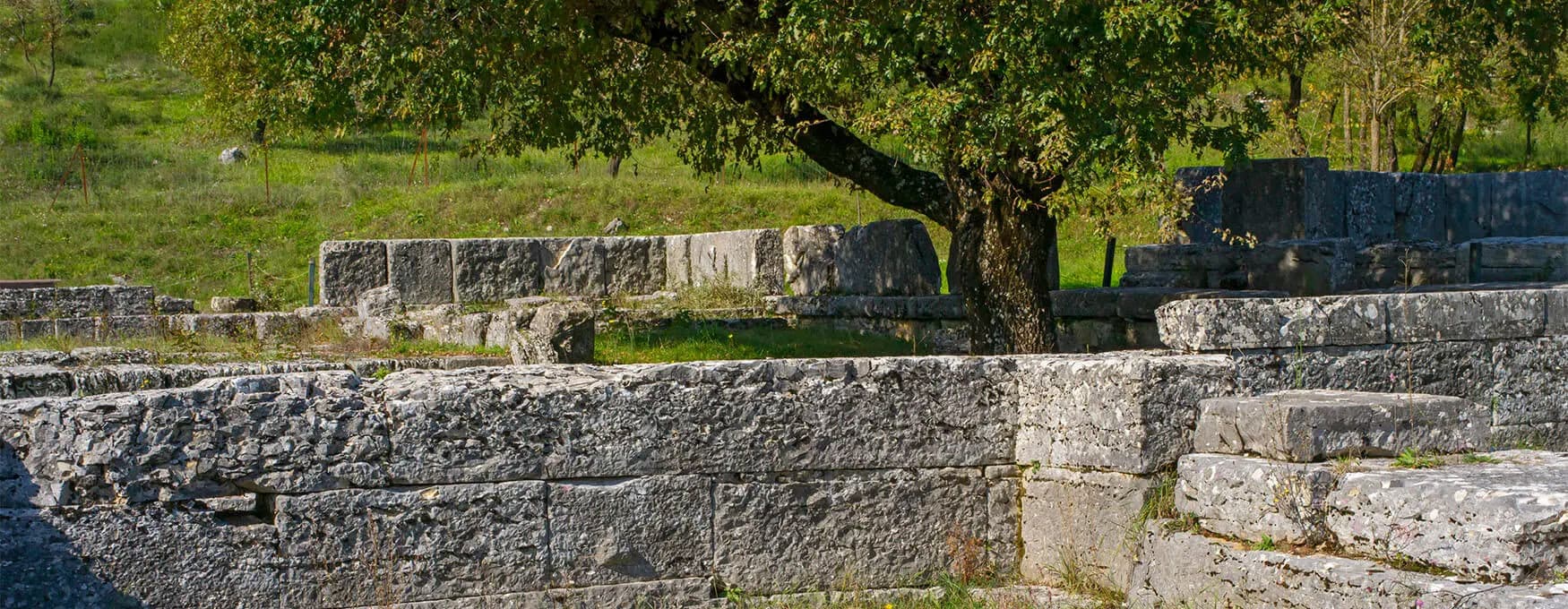
At the foot of Mount Tomaros, southwest of Ioannina, dominates the oracle of Dodoni, the oldest and most important sanctuary of early antiquity. Active from the 2nd millennium BC, it was a spiritual cradle for the Greeks, linked to the myth of the flood of Deucalion and the construction of Argo.
Divine Worship and Historical Course
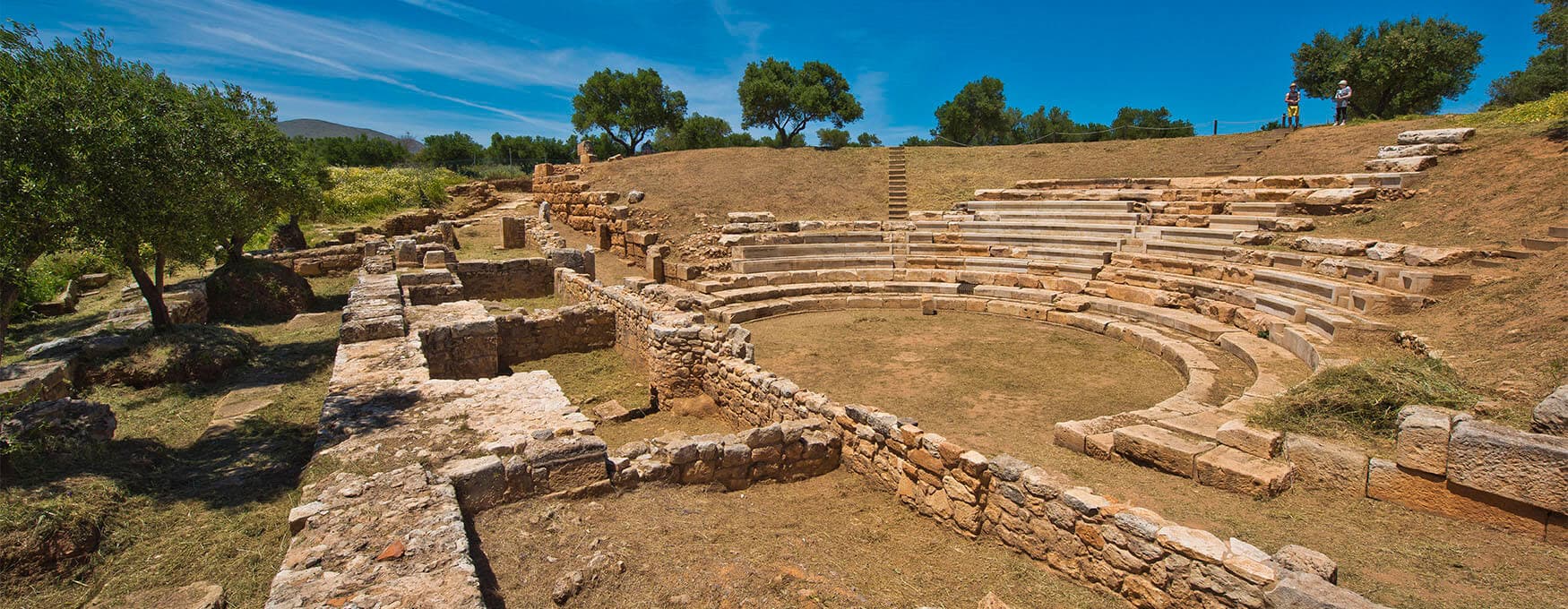
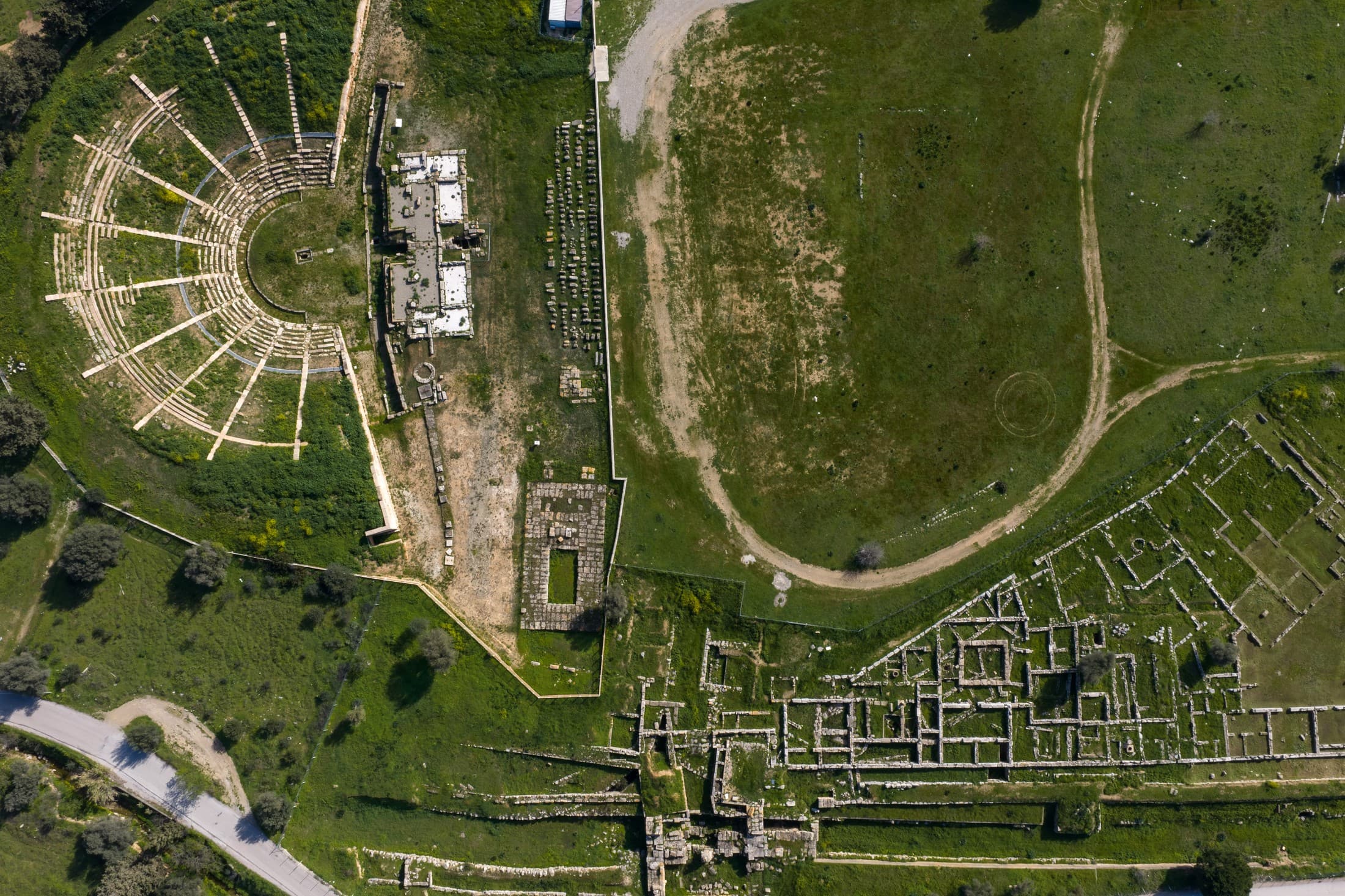
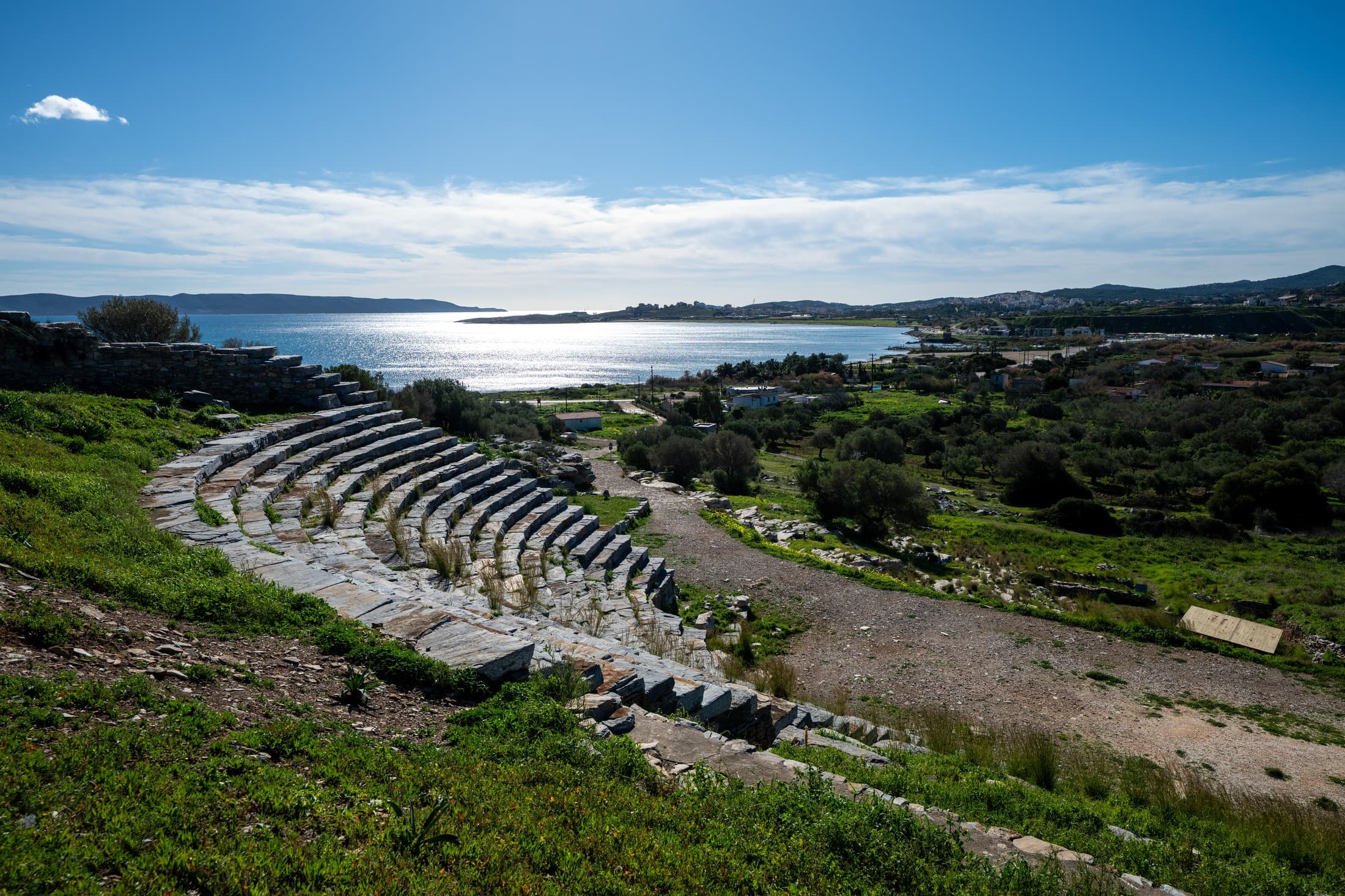
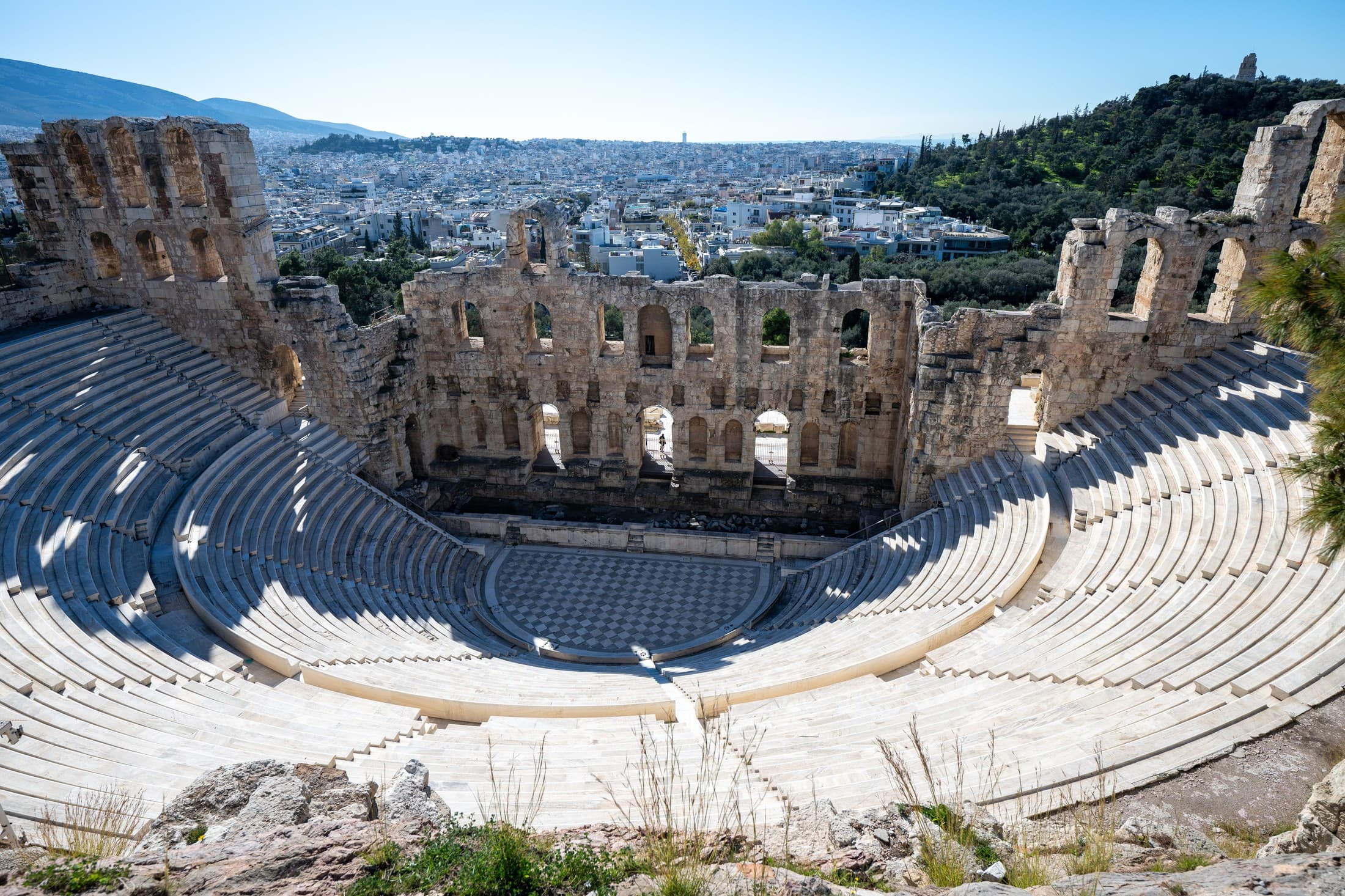
Originally dedicated to Mother Earth (Dione), the sanctuary later passed to the worship of Dodonian Zeus. King Pyrrhus, in the 3rd century BC, made it a religious capital by building imposing buildings and the famous theatre. Despite destruction by the Aetolians and later the Romans, it remained active until AD 392, when Christianity imposed the closure of the temples and the cutting down of the last sacred oak tree.
The Method of Vaticination
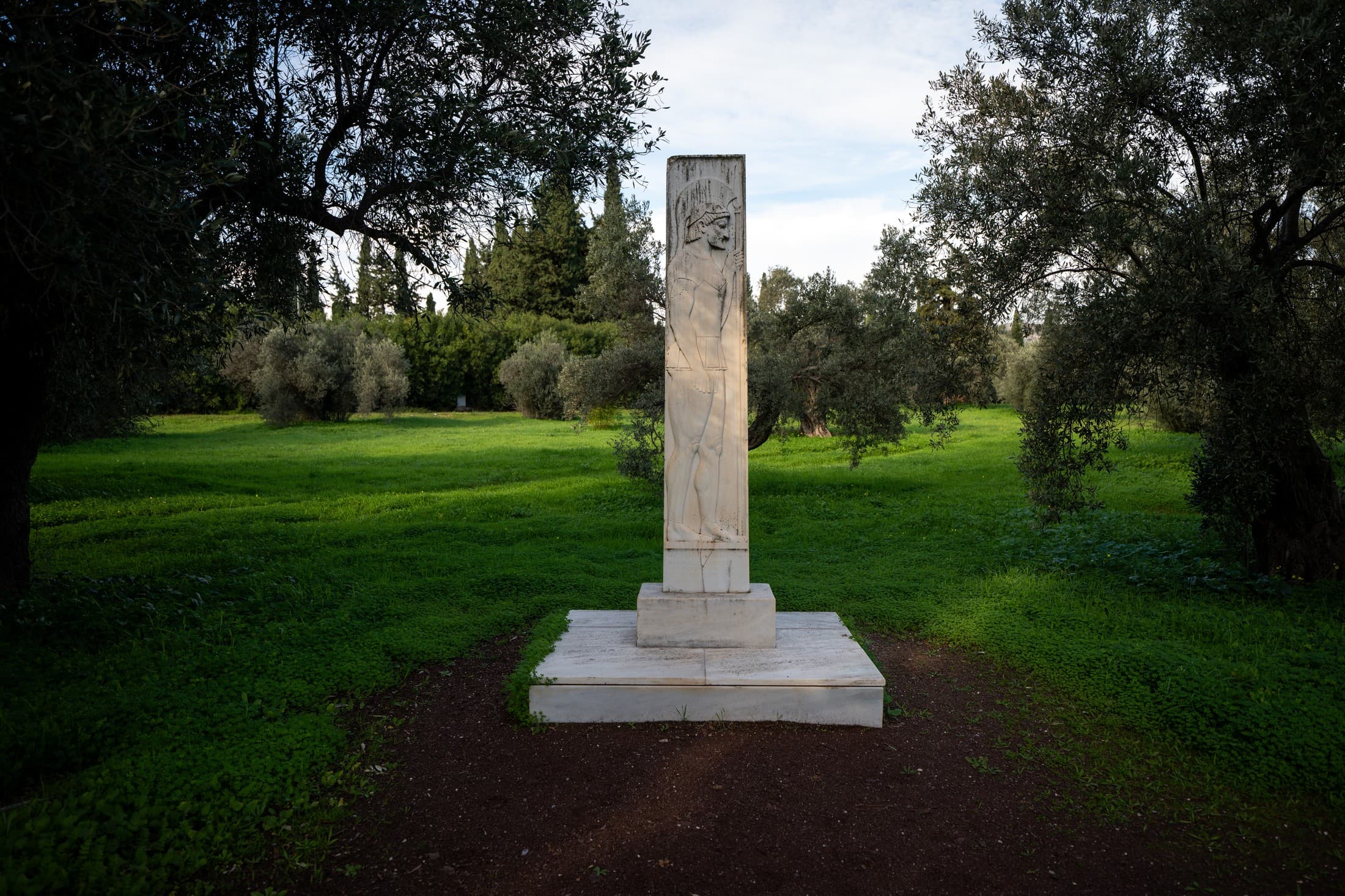
The oracle preserved for centuries its outdoor character around the sacred oak (Phigos). The first priests, the Selli, lived barefoot and slept on the ground to be in constant contact with the earth. Later, the priestesses Peliades interpreted the oracles through the rustling of the leaves, the gurgling of the sacred spring or the resonance of the bronze tripods vibrating with the wind.
Significance and Offerings
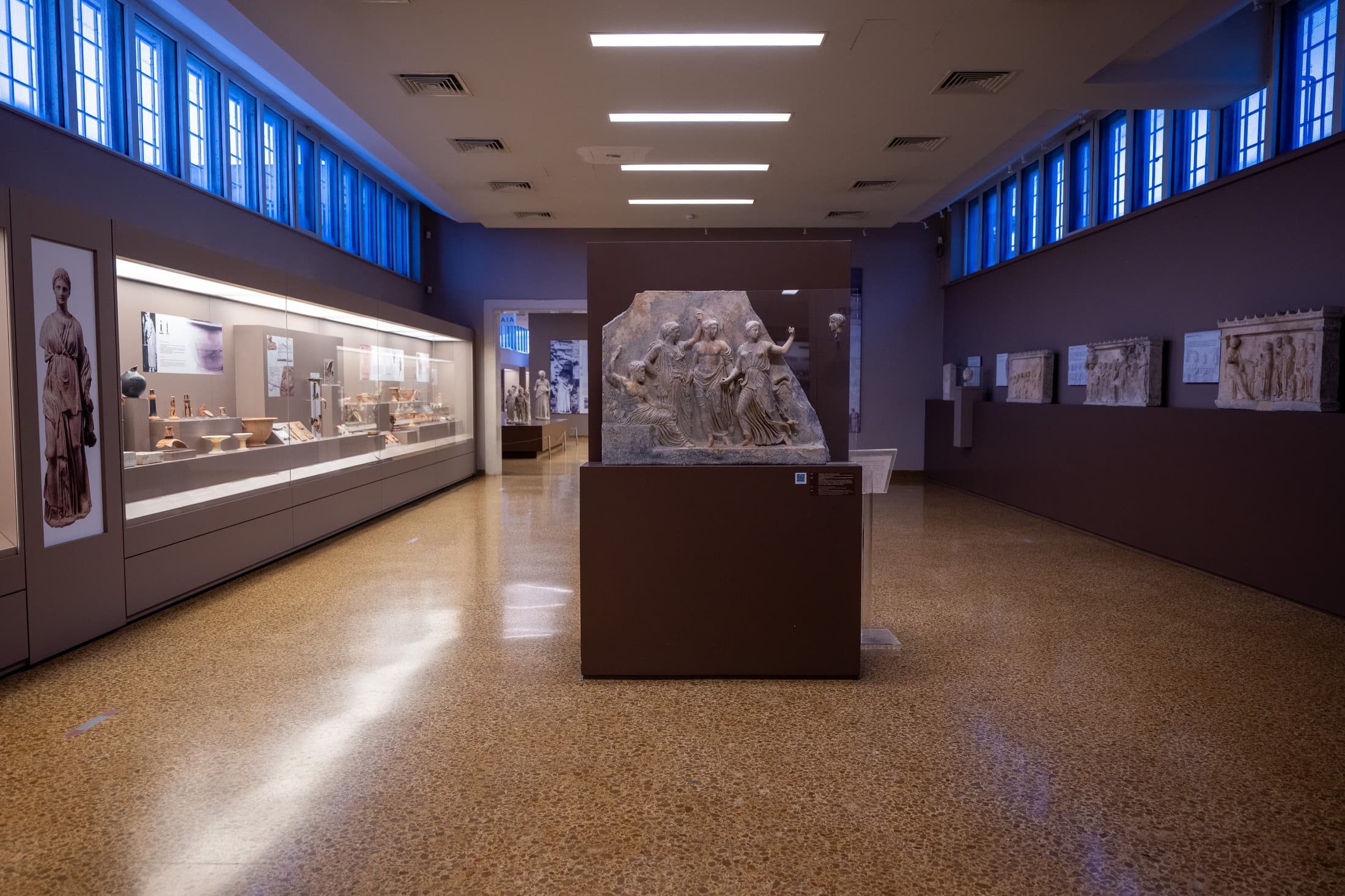
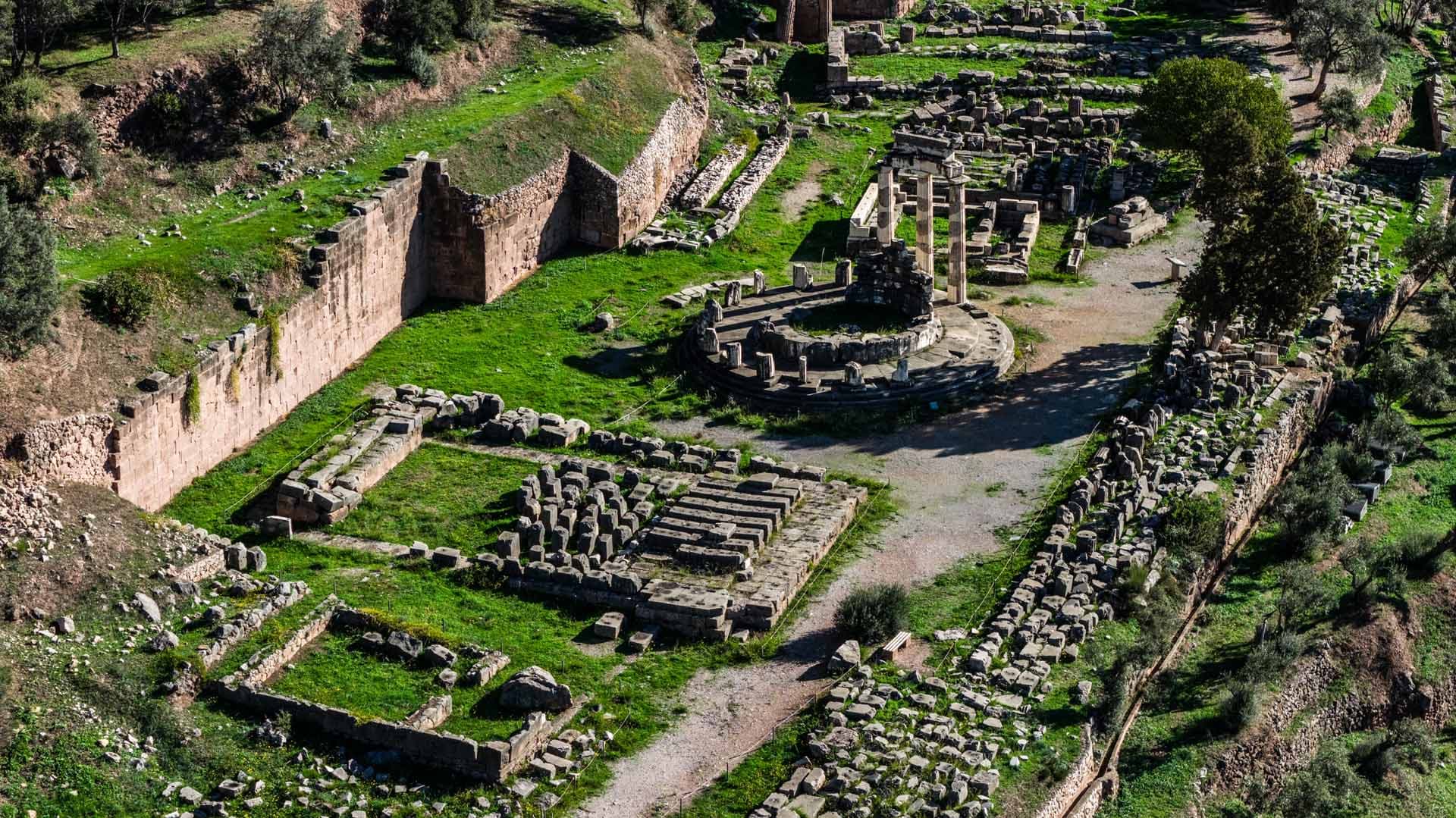
From the 8th century BC, the faithful dedicated jewellery, weapons and figurines, contributing to the economy of the region. While gradually overshadowed by Delphi, as visitors consulted it mainly for personal issues, Dodoni remained a symbol of primal worship.
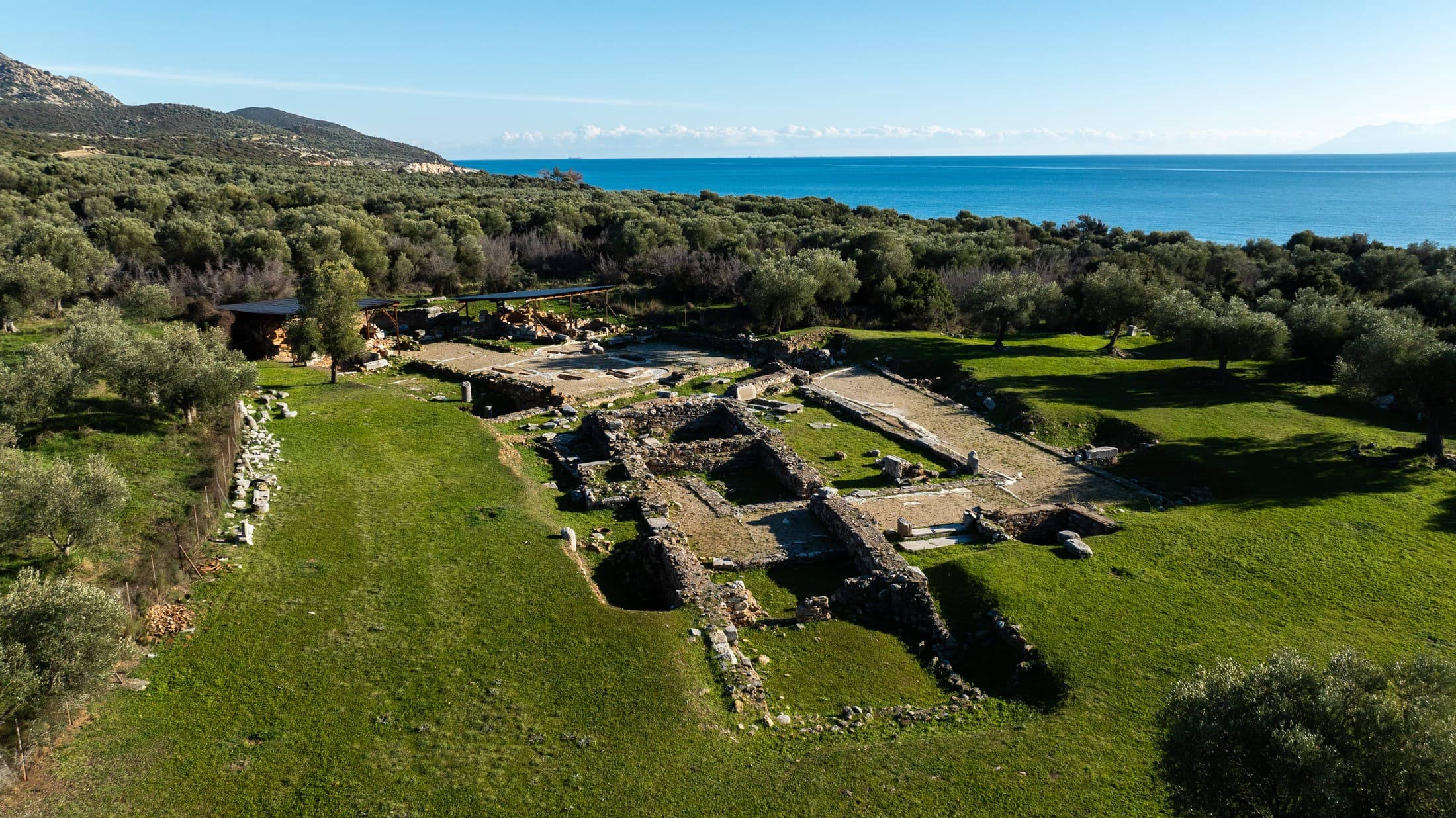
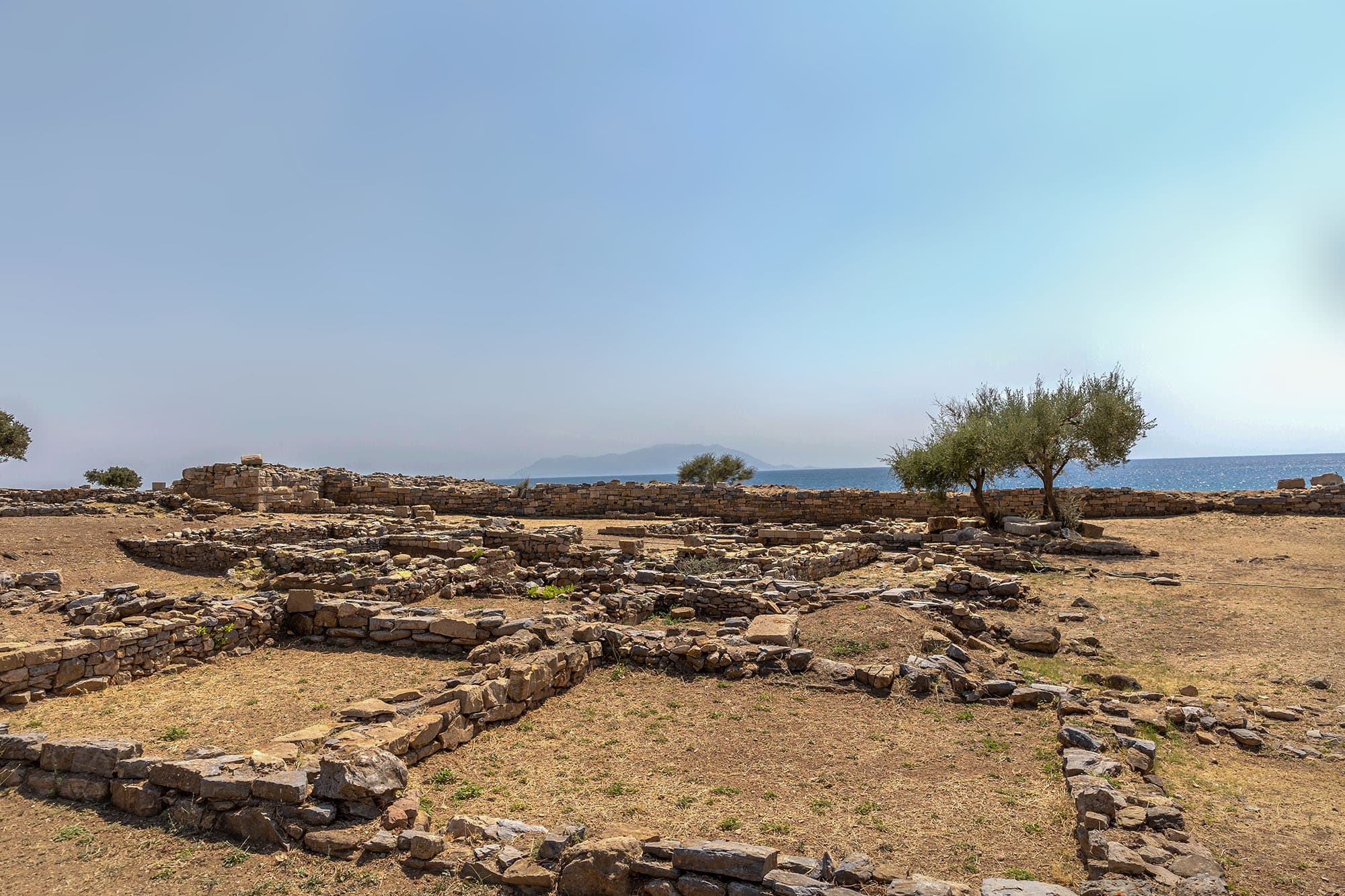
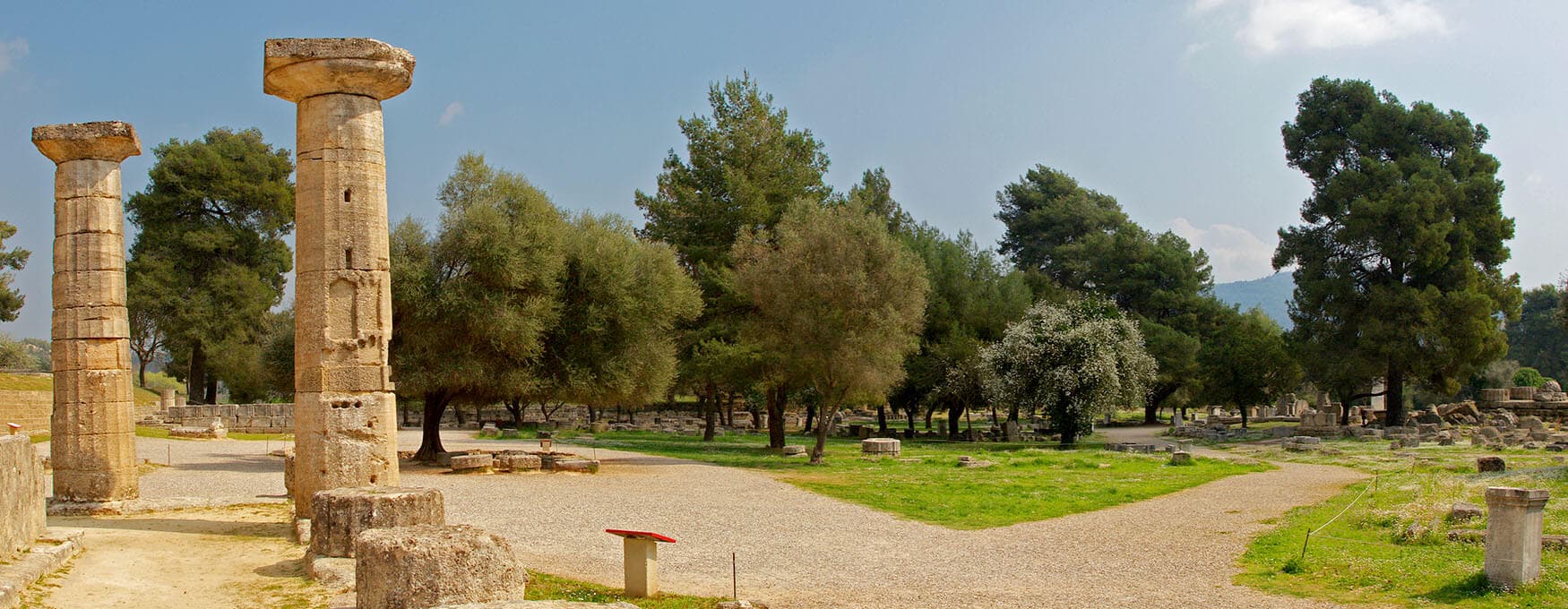
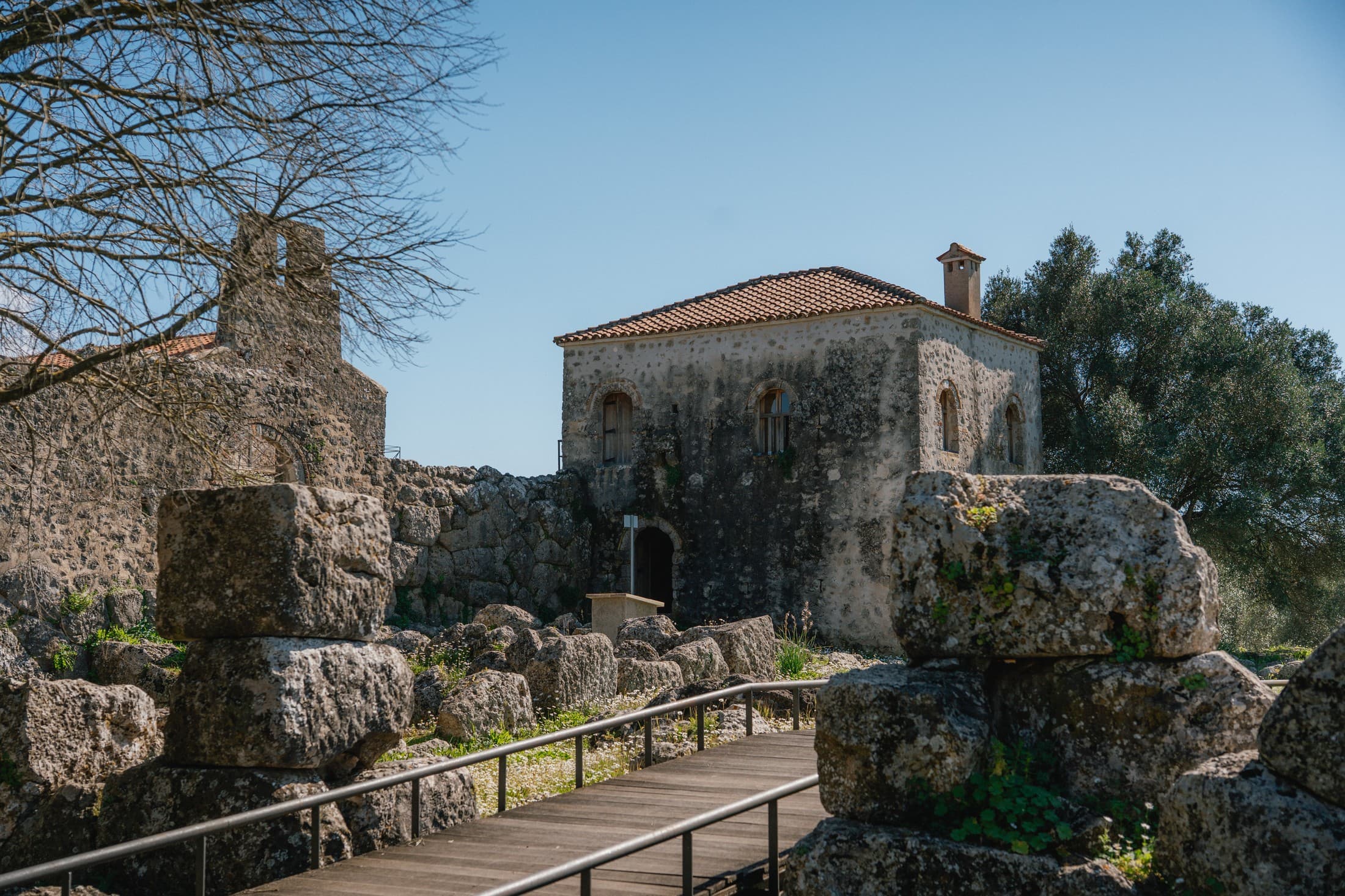
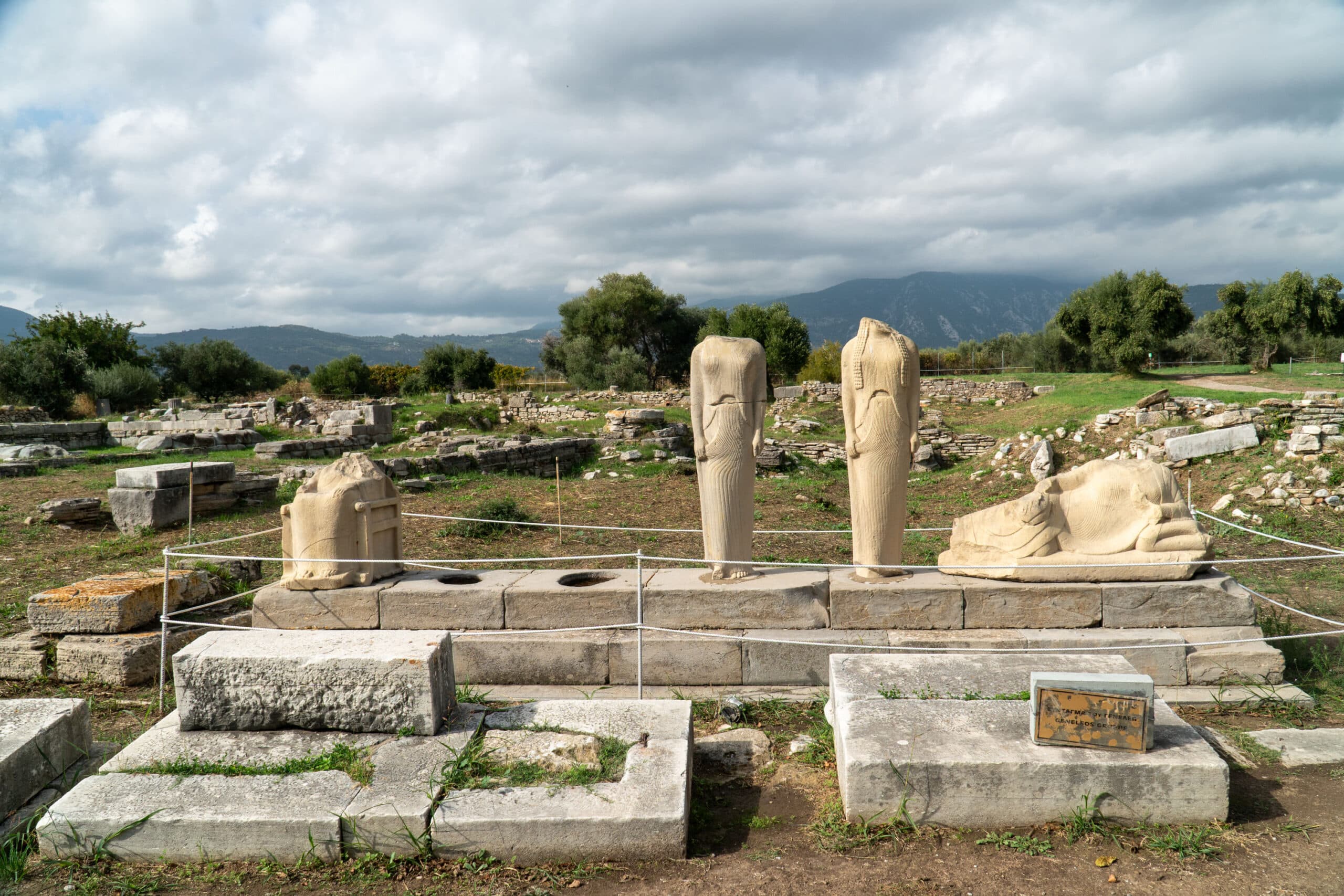
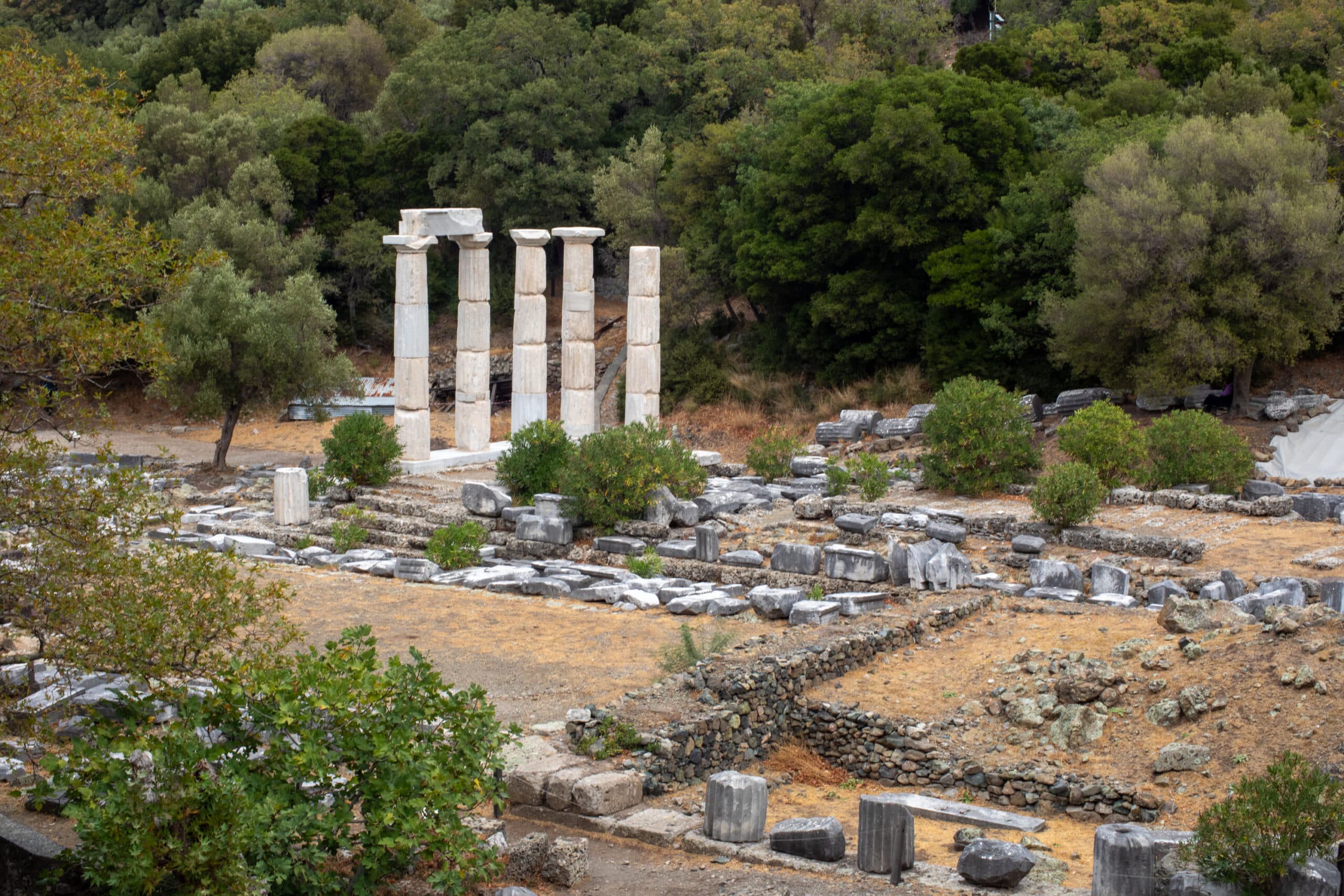
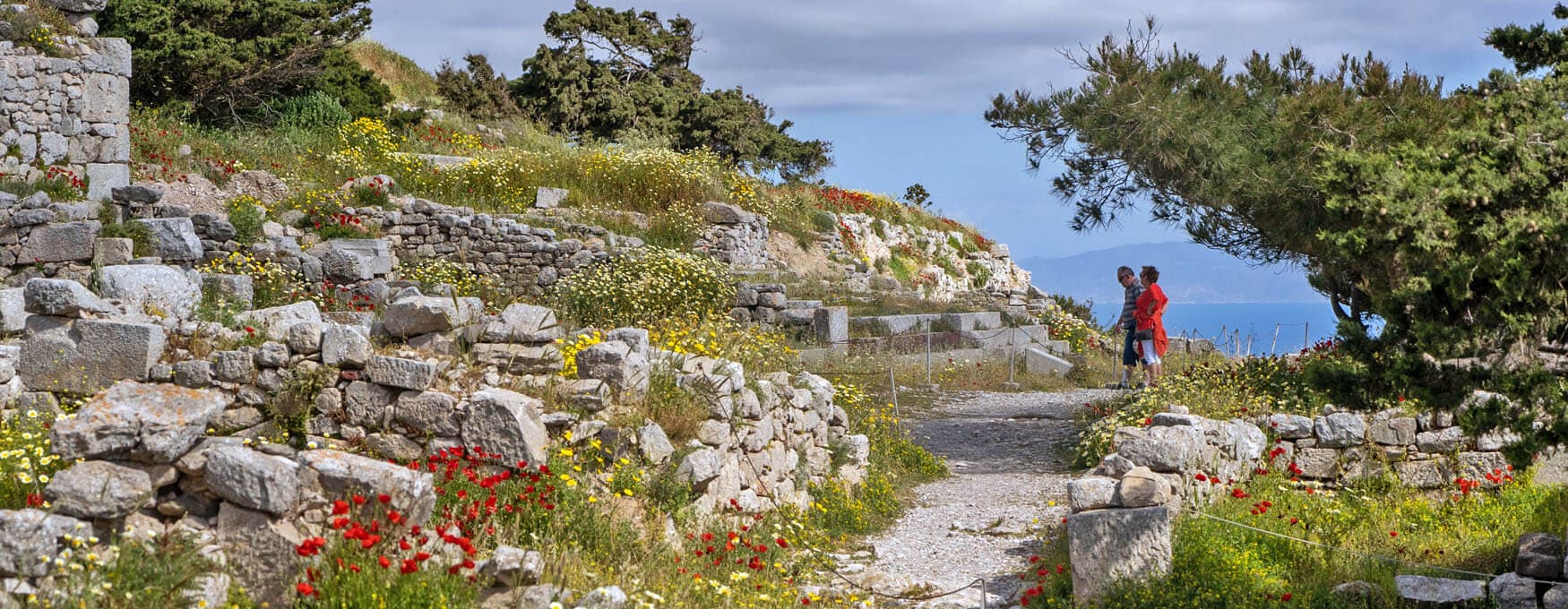
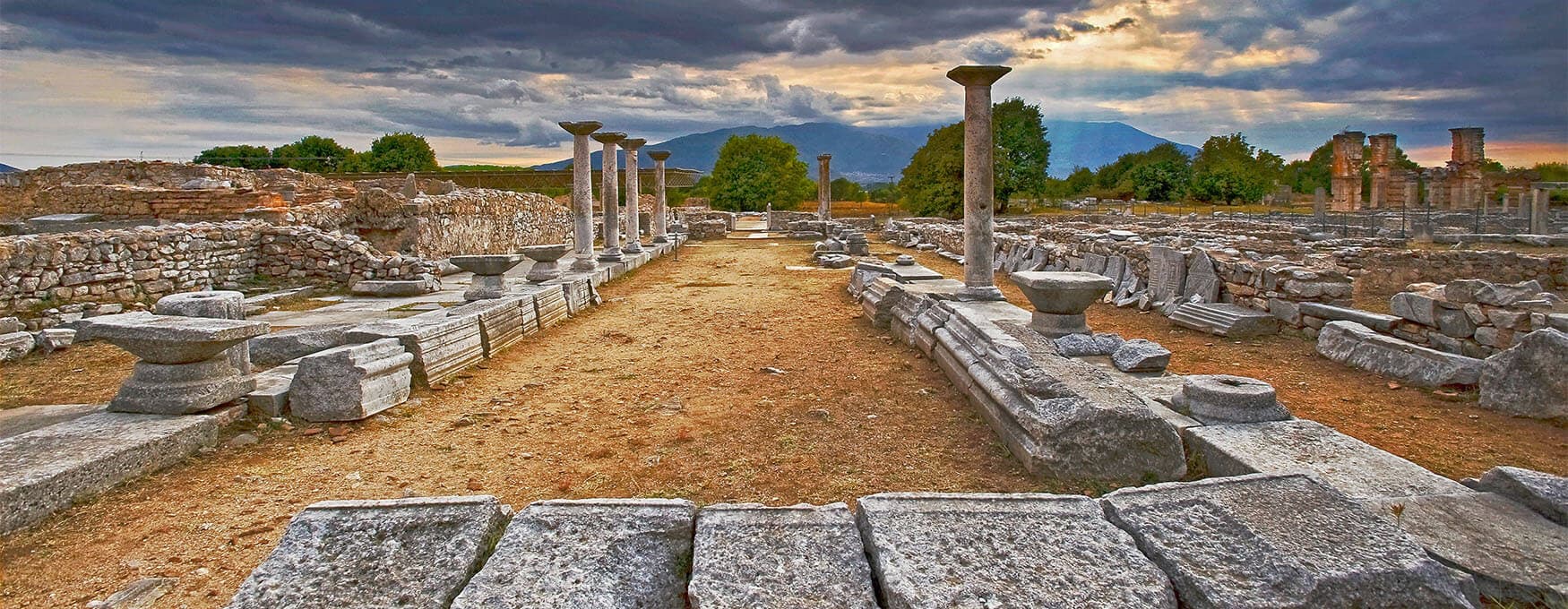
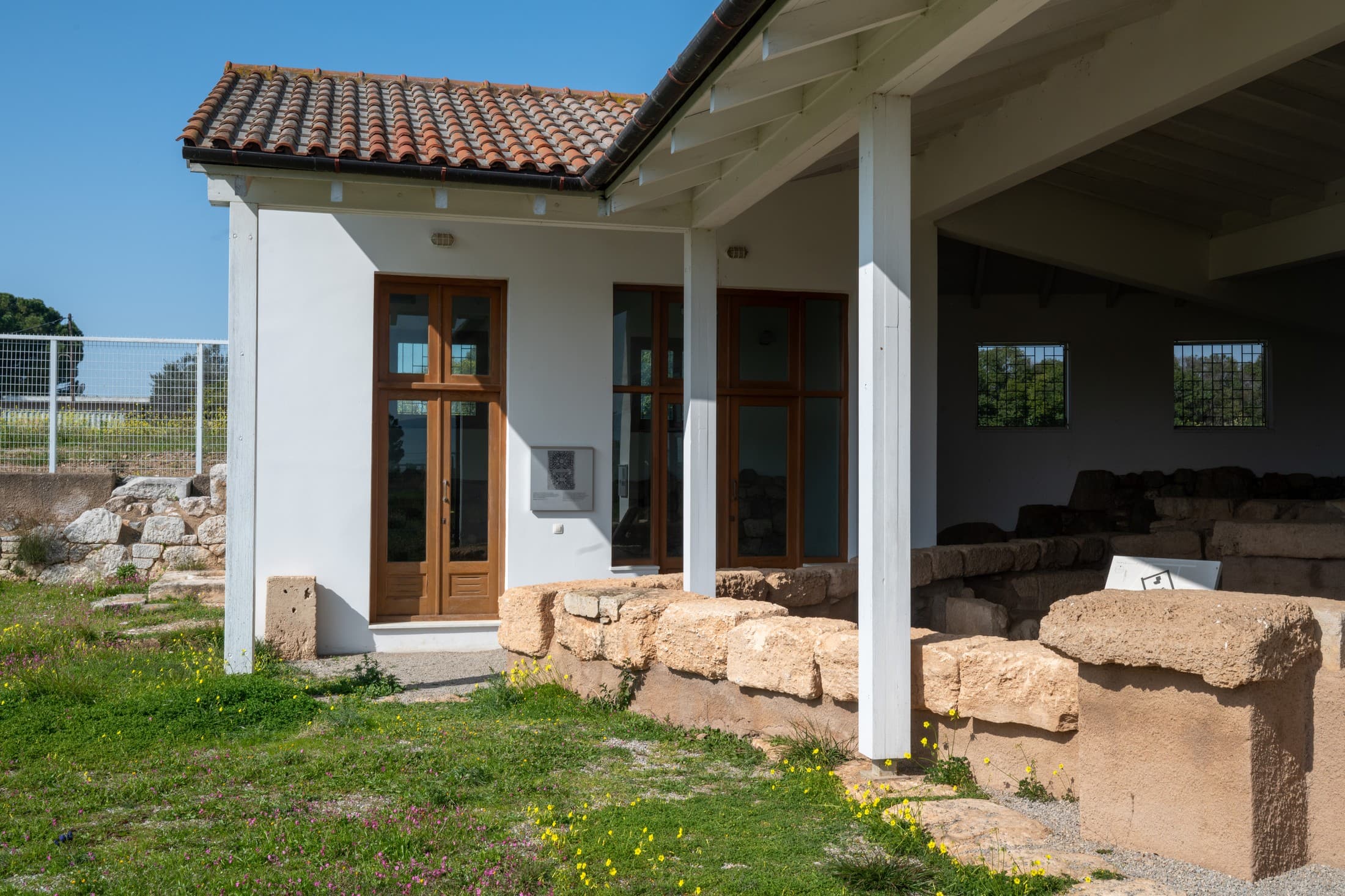
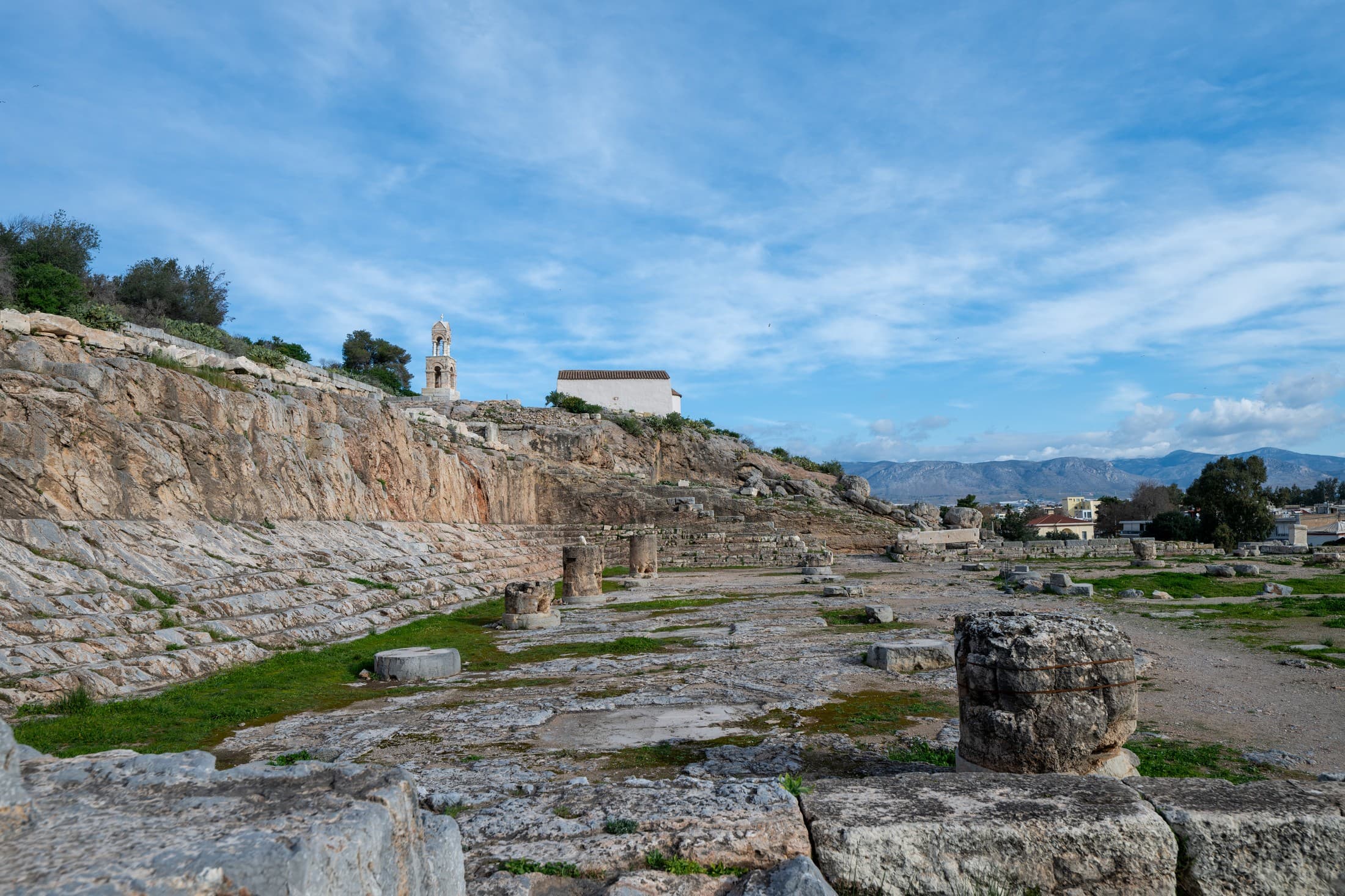
Today, the archaeological site invites the visitor on a journey to the roots of Greek spirituality, where the whisper of the leaves once conveyed the divine will. Today, history remains alive through the imposing ruins.
Divine Worship and Historical Course
Originally dedicated to Mother Earth (Dione), the sanctuary later passed to the worship of Dodonian Zeus. King Pyrrhus, in the 3rd century BC, made it a religious capital by building imposing buildings and the famous theatre. Despite destruction by the Aetolians and later the Romans, it remained active until AD 392, when Christianity imposed the closure of the temples and the cutting down of the last sacred oak tree.
The Method of Vaticination
The oracle preserved for centuries its outdoor character around the sacred oak (Phigos). The first priests, the Selli, lived barefoot and slept on the ground to be in constant contact with the earth. Later, the priestesses Peliades interpreted the oracles through the rustling of the leaves, the gurgling of the sacred spring or the resonance of the bronze tripods vibrating with the wind.
Significance and Offerings
From the 8th century BC, the faithful dedicated jewellery, weapons and figurines, contributing to the economy of the region. While gradually overshadowed by Delphi, as visitors consulted it mainly for personal issues, Dodoni remained a symbol of primal worship.
Today, the archaeological site invites the visitor on a journey to the roots of Greek spirituality, where the whisper of the leaves once conveyed the divine will. Today, history remains alive through the imposing ruins.