A Living Journey into Knightly History
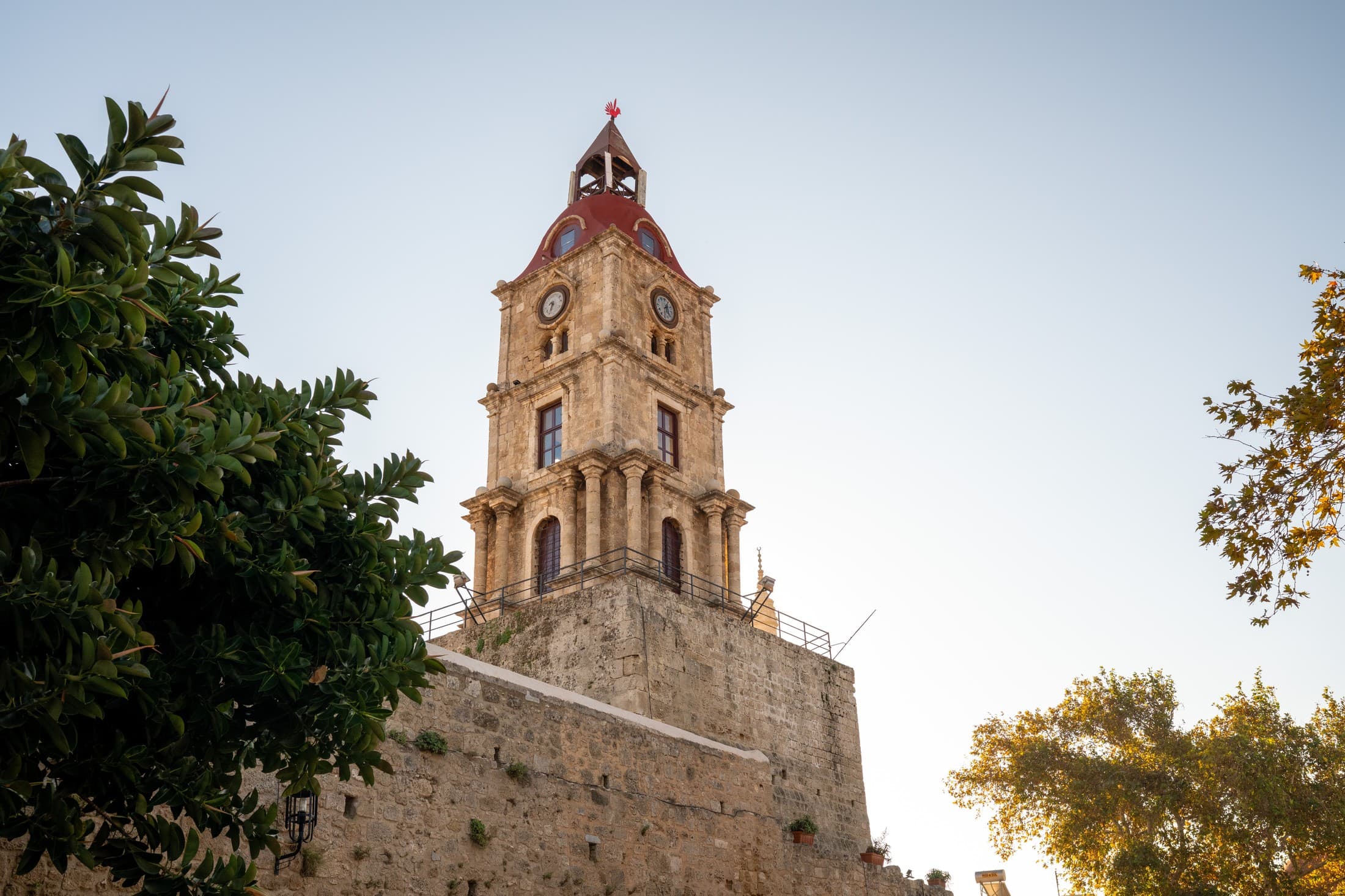
In the heart of Rhodes, the Medieval City is one of the rarest surviving examples of the medieval world remaining remarkably intact to this day. In 1988, UNESCO designated it a World Heritage Site, recognising its unparalleled architectural and historical value.
The Eternal Centre of the Knights
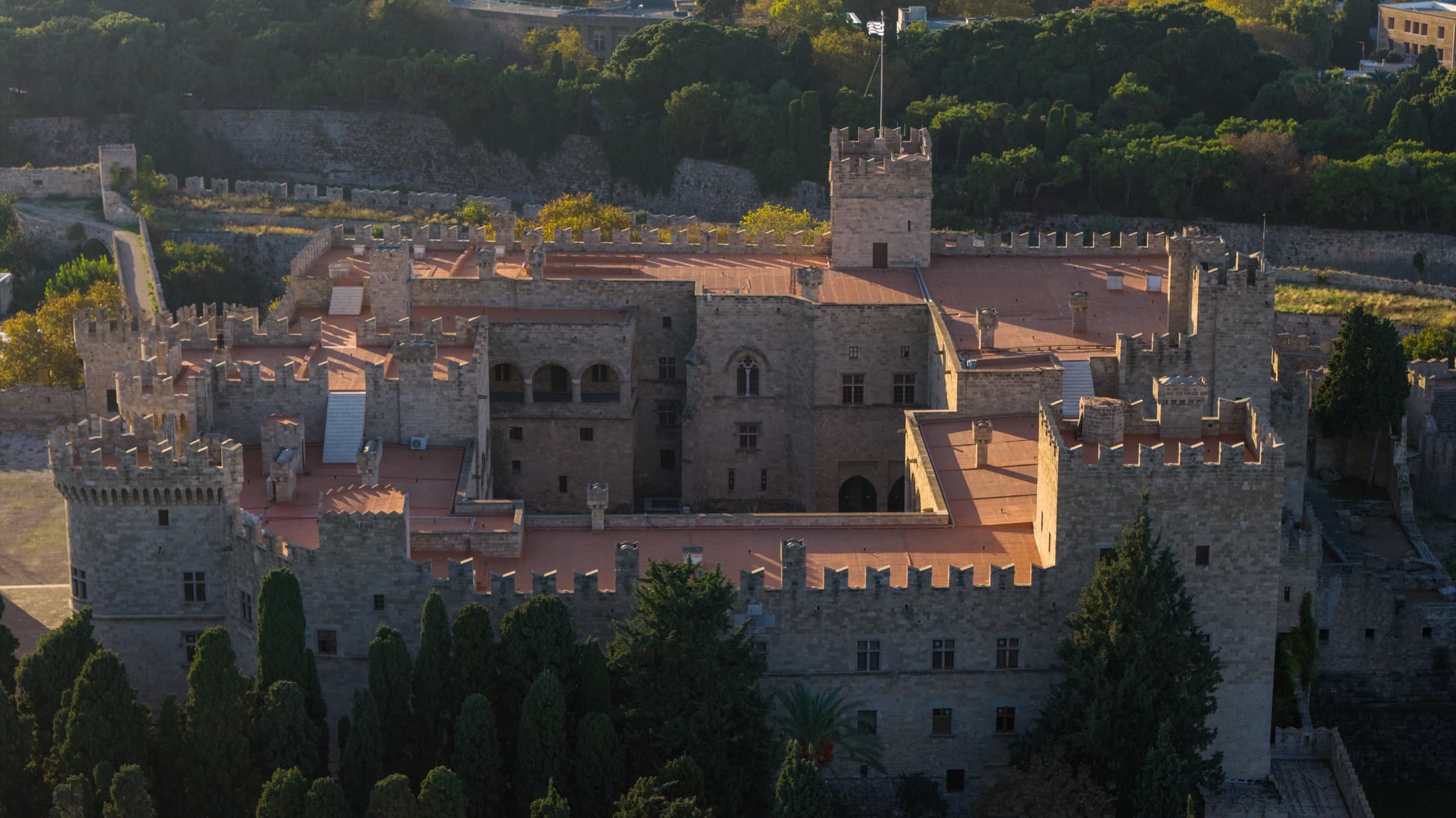
The history of the city begins in 408 BC with the Hippodamian system, while its current form was shaped by the Order of the Knights Hospitaller, who settled there in 1309. The Knights expanded the Byzantine walls, turning Rhodes into a powerful commercial and military stronghold of the Eastern Mediterranean. Despite fierce resistance, the city capitulated to Suleiman the Magnificent in 1522, leaving behind an architectural gem of 800,000 square metres.
Architecture of Power
The city was internally divided into two sectors:
Cultural Treasures
Walking through the cobbled alleys reveals important churches (Panagia tou Kastrou, Agia Triada) and the imposing Hospital of the Knights, which today houses the Archaeological Museum. At the same time, the Museum of Modern Greek Art, spread across three historic buildings, offers a panorama of modern Greek culture.
In the Medieval City, time seems to stand still. Every corner is an invitation to unlock the secrets of history, walking where the knights' gallop once echoed.
The Eternal Centre of the Knights
The history of the city begins in 408 BC with the Hippodamian system, while its current form was shaped by the Order of the Knights Hospitaller, who settled there in 1309. The Knights expanded the Byzantine walls, turning Rhodes into a powerful commercial and military stronghold of the Eastern Mediterranean. Despite fierce resistance, the city capitulated to Suleiman the Magnificent in 1522, leaving behind an architectural gem of 800,000 square metres.
Architecture of Power
The city was internally divided into two sectors:
- Castello (north), which housed the administrative centre, hospital and residences of the Knights.
- Burgus (south), where the heart of local life, commerce and synagogues was beating.
Cultural Treasures
Walking through the cobbled alleys reveals important churches (Panagia tou Kastrou, Agia Triada) and the imposing Hospital of the Knights, which today houses the Archaeological Museum. At the same time, the Museum of Modern Greek Art, spread across three historic buildings, offers a panorama of modern Greek culture.
In the Medieval City, time seems to stand still. Every corner is an invitation to unlock the secrets of history, walking where the knights' gallop once echoed.