The Ottoman heritage of Veria
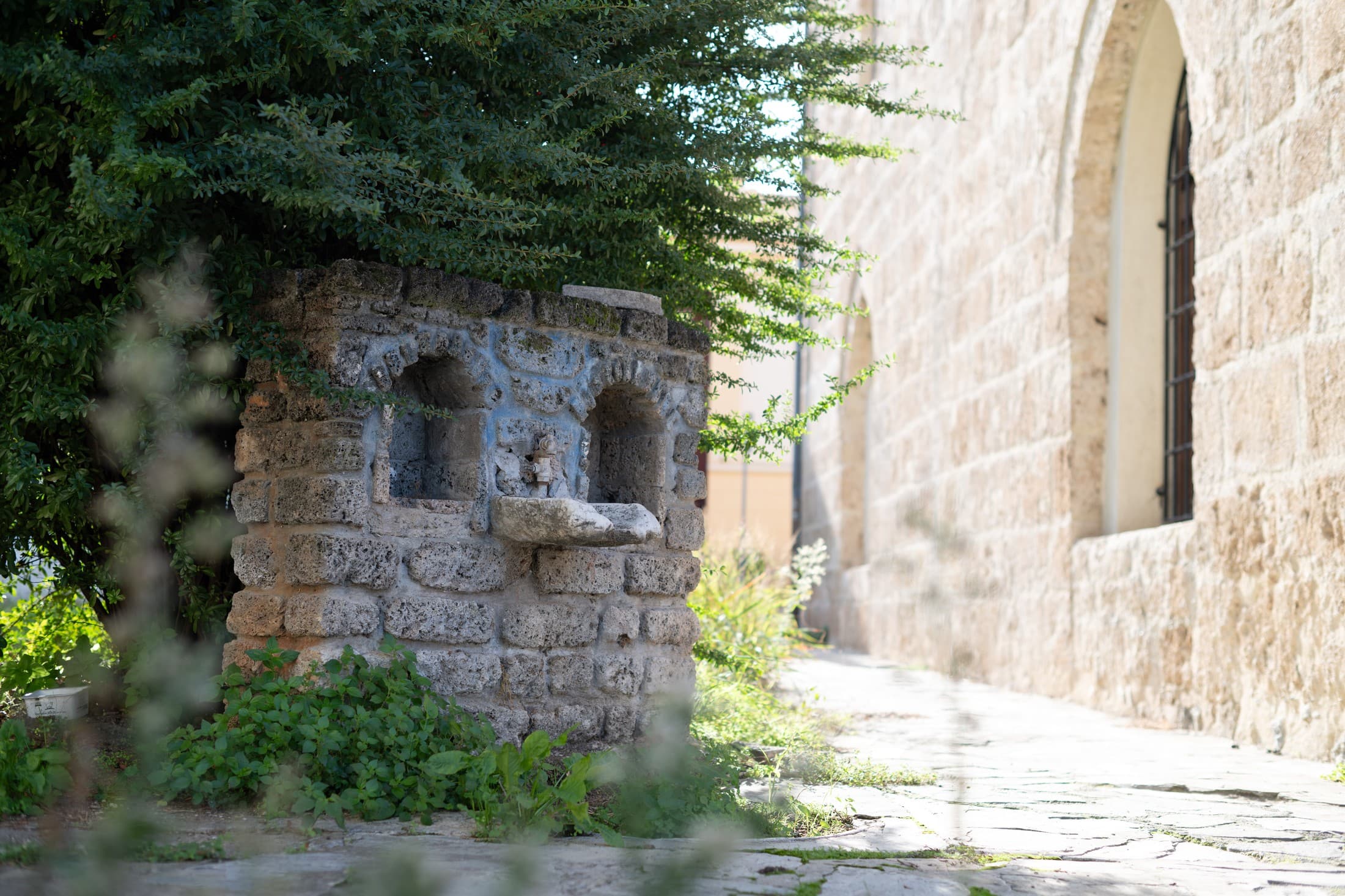
In the old town of Veria, among Byzantine churches and mansions of the Ottoman period, Medrese Mosque stands out as one of the most important monuments of early Ottoman architecture in Macedonia. It is a reference point for understanding the historical development of Veria, a city that has been a crossroads of civilisations.
Today it operates as a cultural centre (Pavlio Cultural Centre) of the Holy Metropolitan Church of the Holy Apostles Peter and Paul of Veria. The Metropolitan Church, respecting the long and multi-religious history of the monument, utilizes it, today, as a modern space of culture.
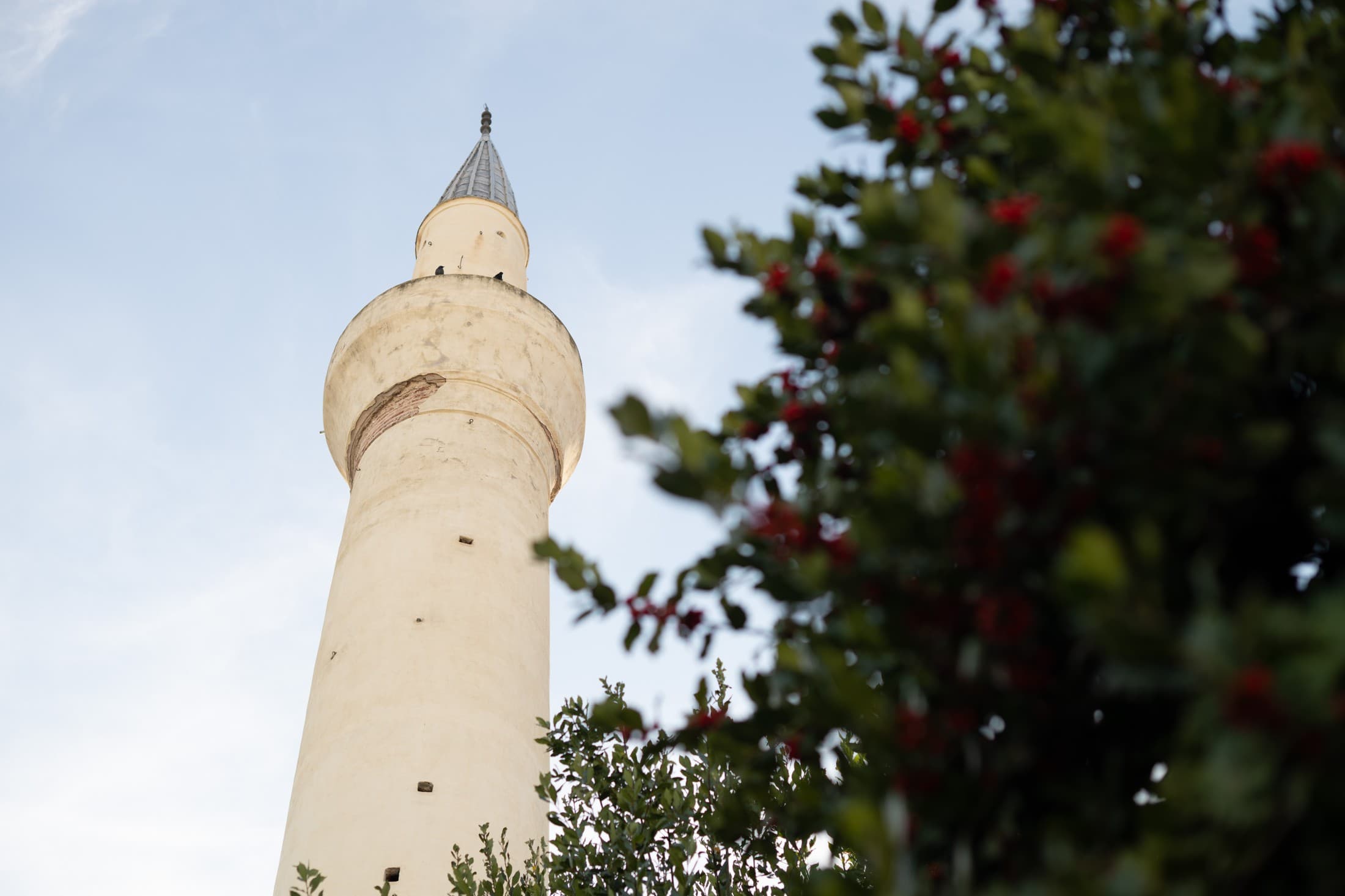
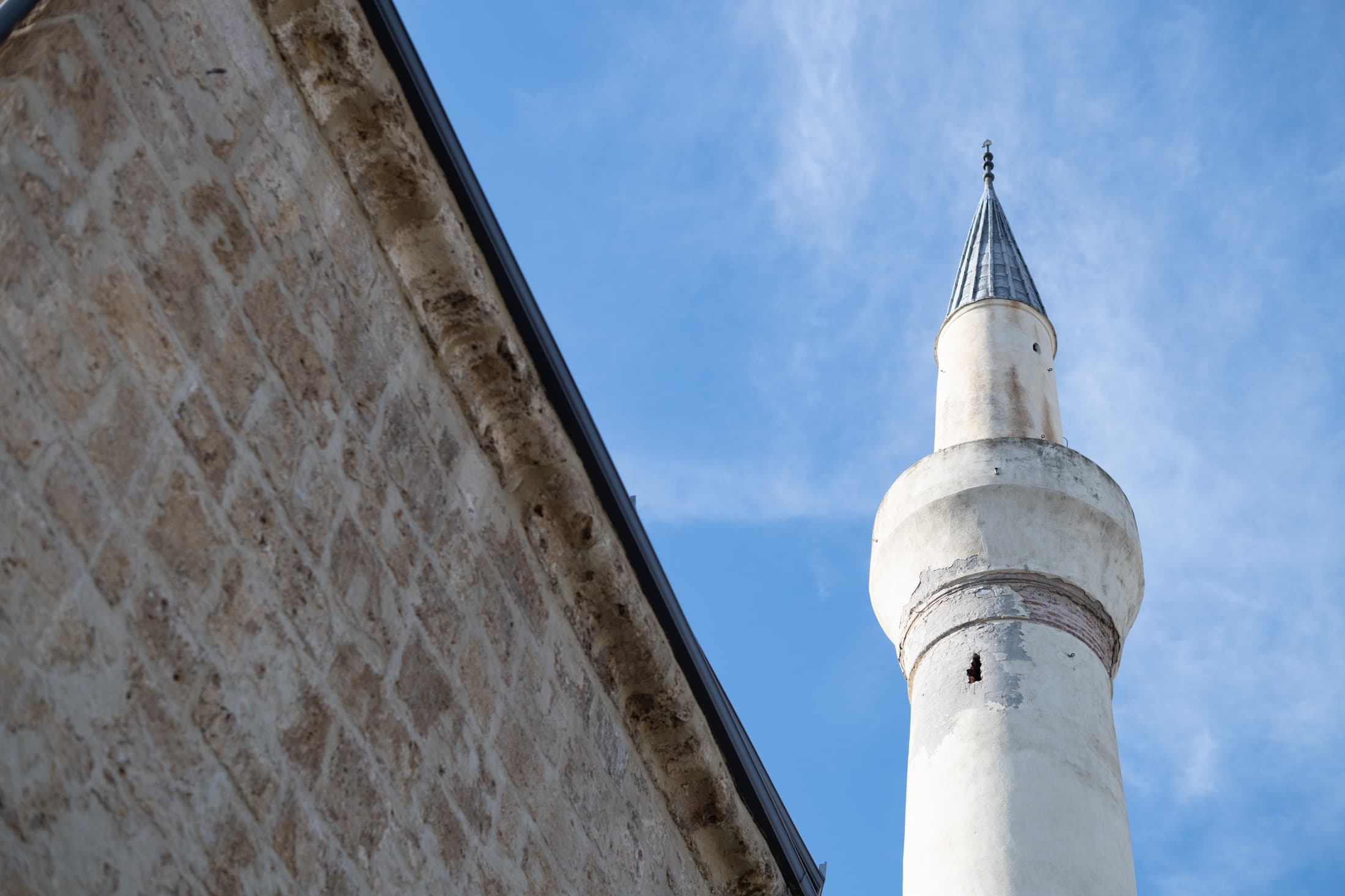
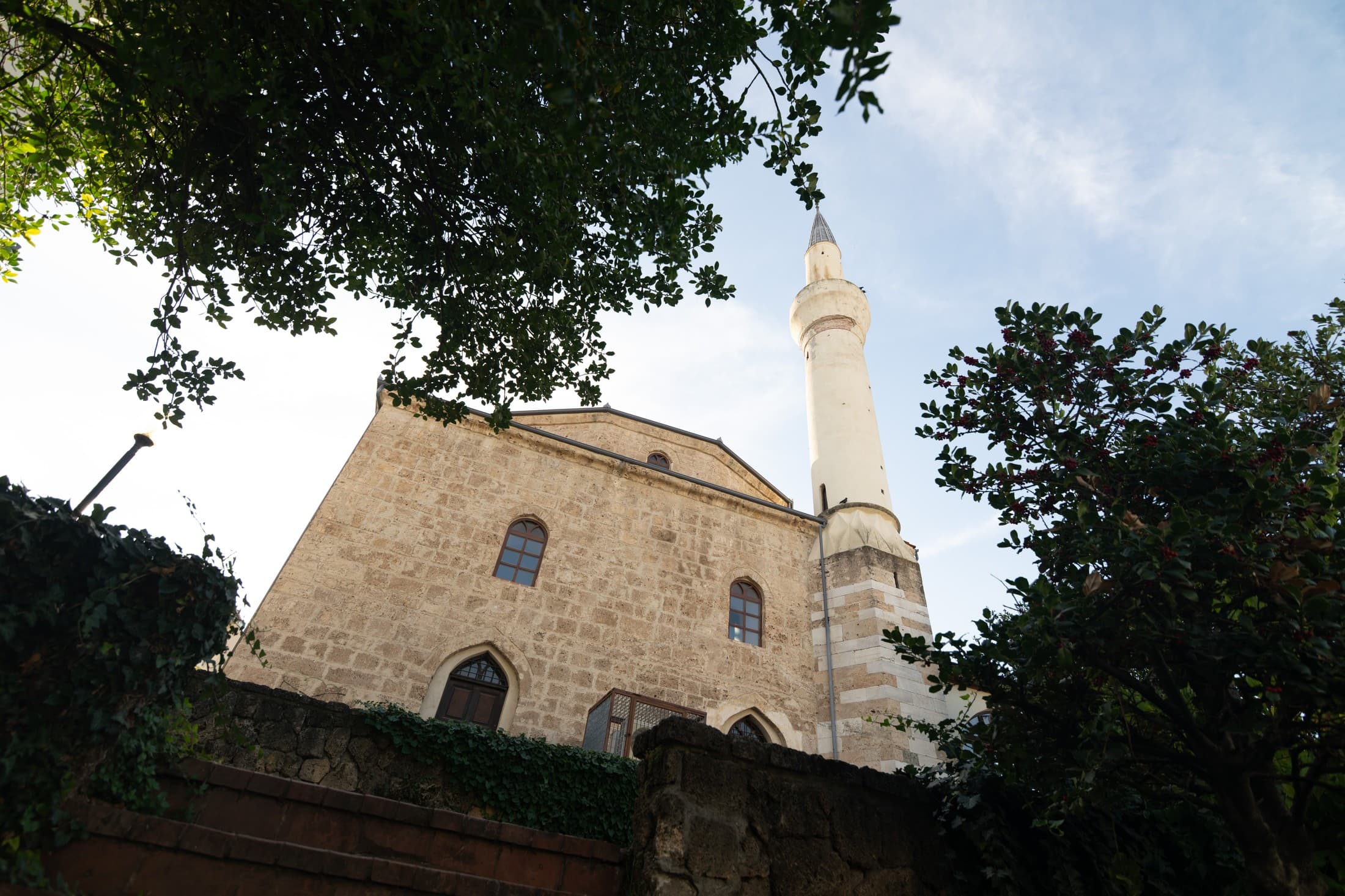
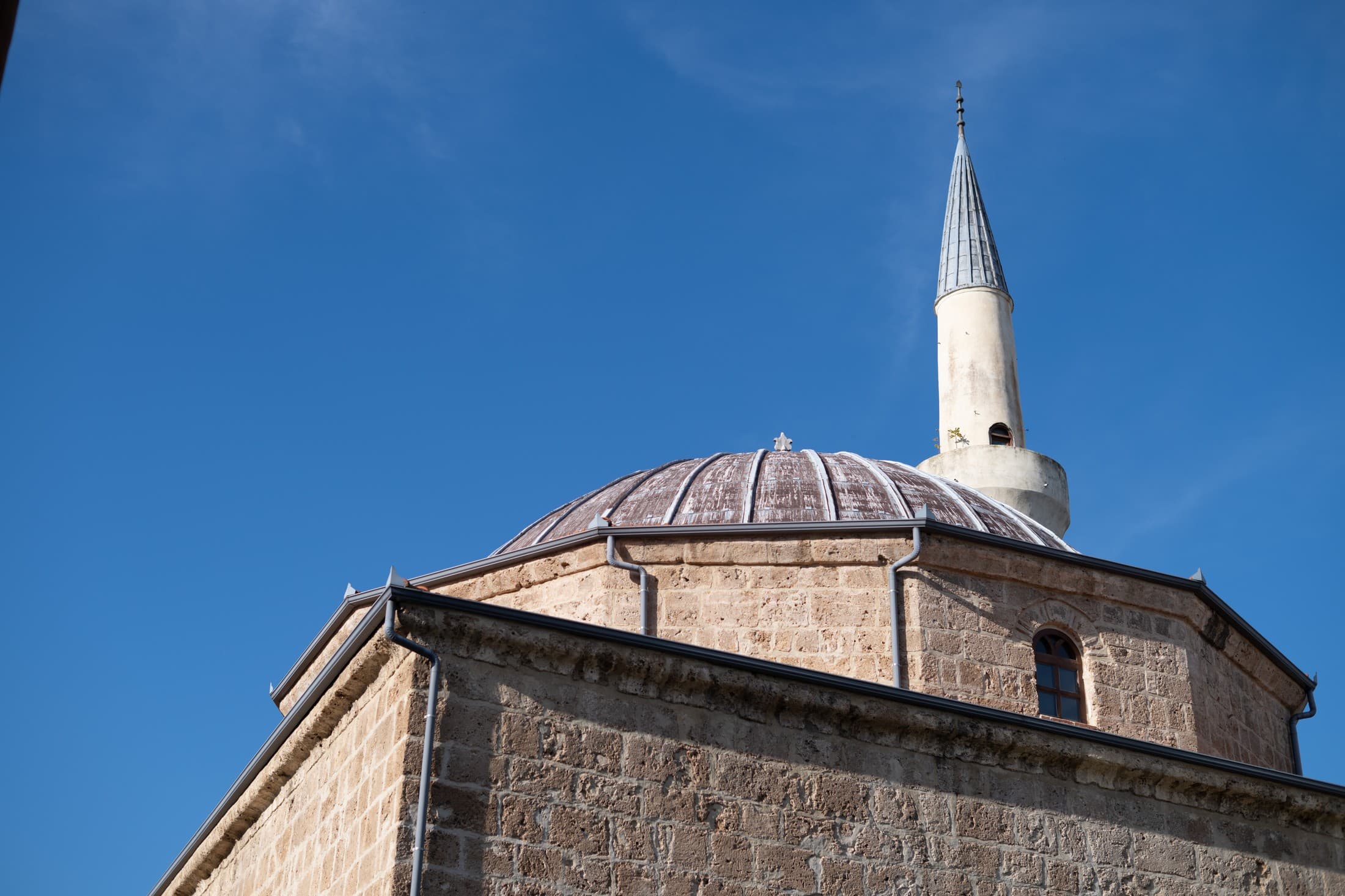
It was erected around 1850 in the place where the mosque of Musa Çelebi was located. It is the largest and most complete of the two mosques in the city and stands out for its intact minaret. It is a characteristic example of the time when Veria evolved into a multicultural administrative and religious centre. Its name comes from the word "medrese", that is, the seminary that is said to have functioned next to the mosque, a fact that underlines its dual role as a place of worship and education.
Its architecture is austere but imposing. The main area is covered by a large hemispherical dome, which indicates the influence of the Constantinopolitan tradition. The few openings, the simple decoration and the clean lines exude the aesthetics of the early Ottoman period.
During the conservation works, architectural members from the temple of the goddess Eunomia came to light, as well as from an early Christian church dedicated to the Apostle Paul. You can see these findings in a specially designed and protected area.
Medrese Mosque, the neighbouring Barbuta quarter and the city's Byzantine monuments are an integral part of Veria's historical identity and a confirmation of its multi-level past.
Today it operates as a cultural centre (Pavlio Cultural Centre) of the Holy Metropolitan Church of the Holy Apostles Peter and Paul of Veria. The Metropolitan Church, respecting the long and multi-religious history of the monument, utilizes it, today, as a modern space of culture.
It was erected around 1850 in the place where the mosque of Musa Çelebi was located. It is the largest and most complete of the two mosques in the city and stands out for its intact minaret. It is a characteristic example of the time when Veria evolved into a multicultural administrative and religious centre. Its name comes from the word "medrese", that is, the seminary that is said to have functioned next to the mosque, a fact that underlines its dual role as a place of worship and education.
Its architecture is austere but imposing. The main area is covered by a large hemispherical dome, which indicates the influence of the Constantinopolitan tradition. The few openings, the simple decoration and the clean lines exude the aesthetics of the early Ottoman period.
During the conservation works, architectural members from the temple of the goddess Eunomia came to light, as well as from an early Christian church dedicated to the Apostle Paul. You can see these findings in a specially designed and protected area.
Medrese Mosque, the neighbouring Barbuta quarter and the city's Byzantine monuments are an integral part of Veria's historical identity and a confirmation of its multi-level past.