The Minoan City in the Light of UNESCO
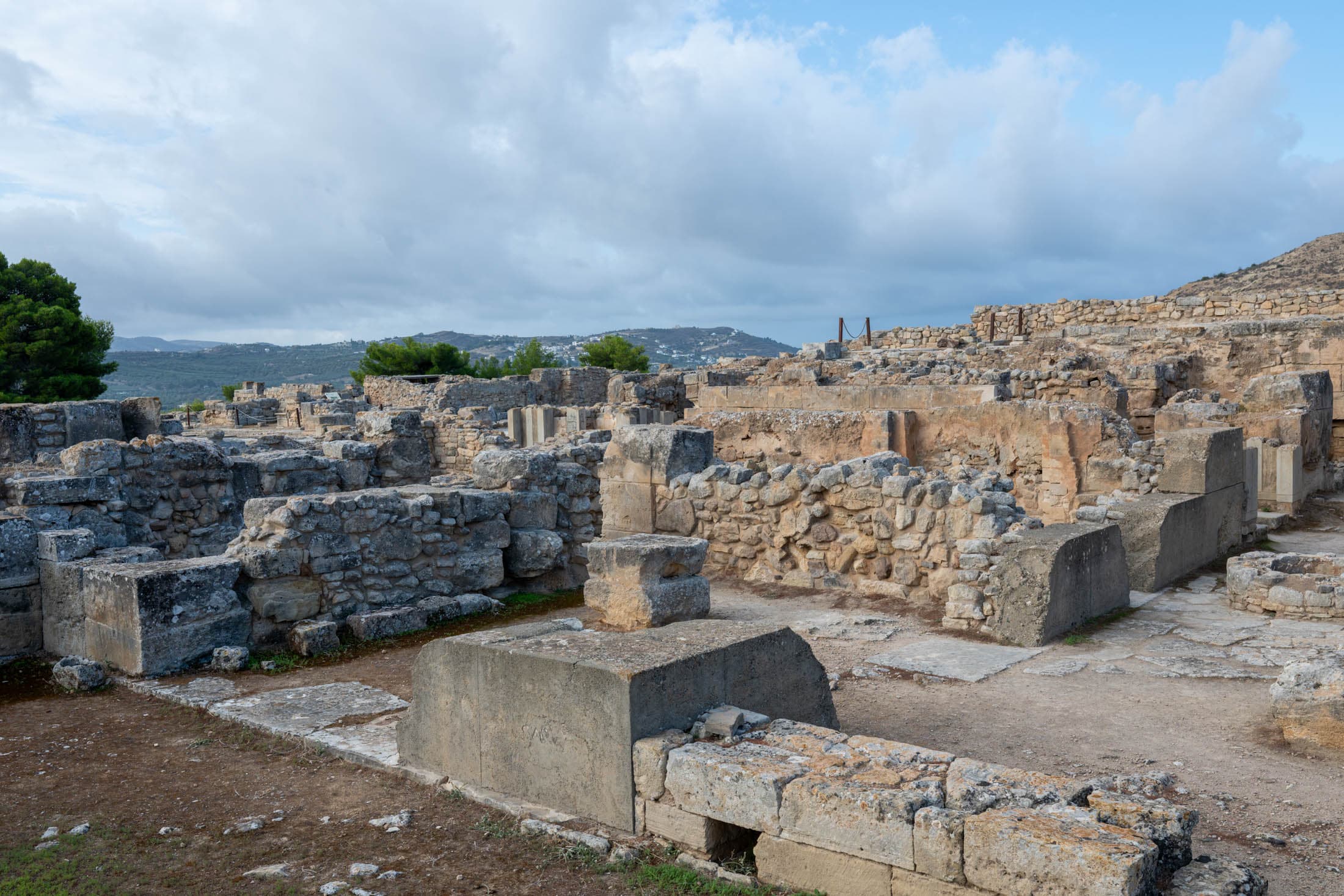
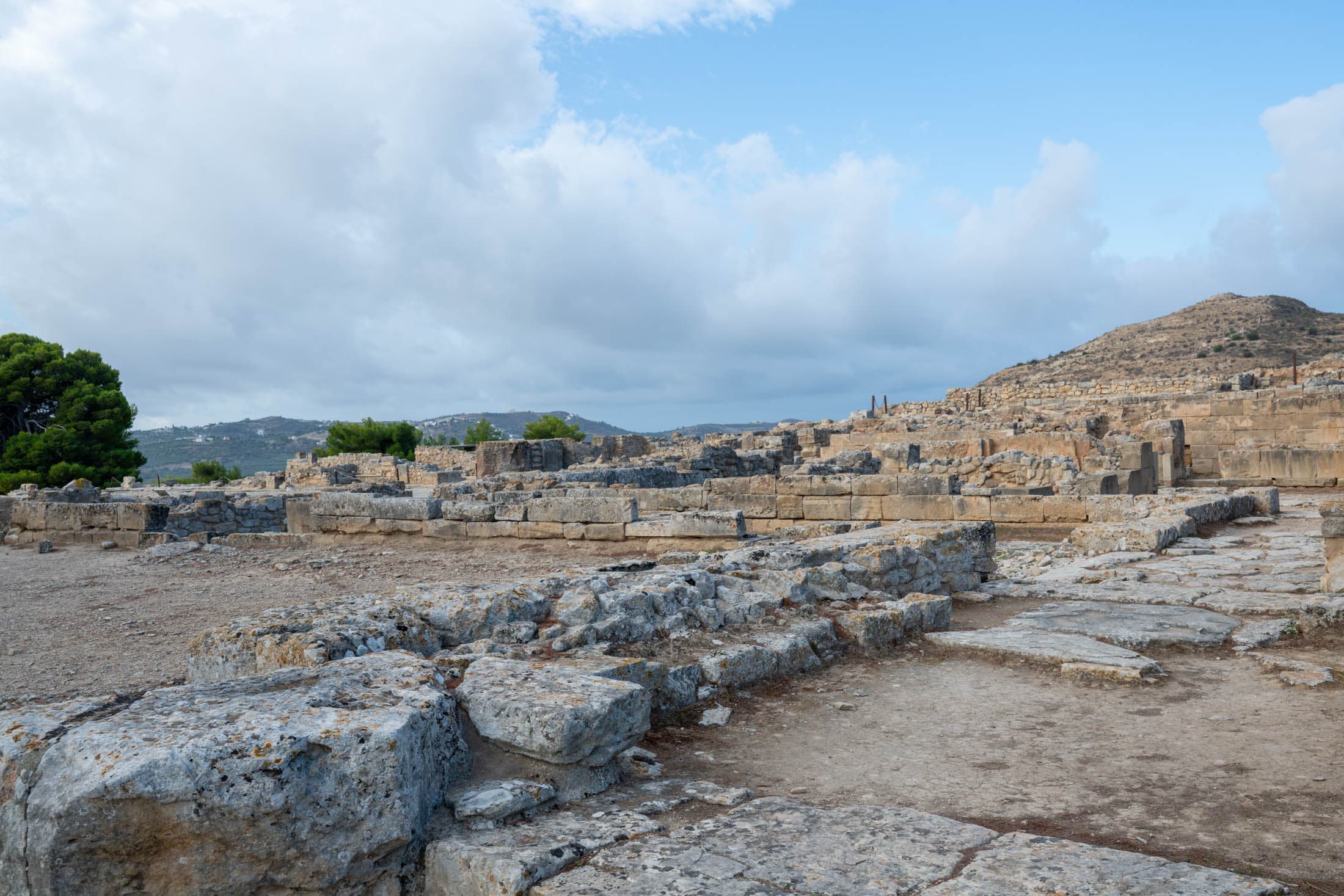
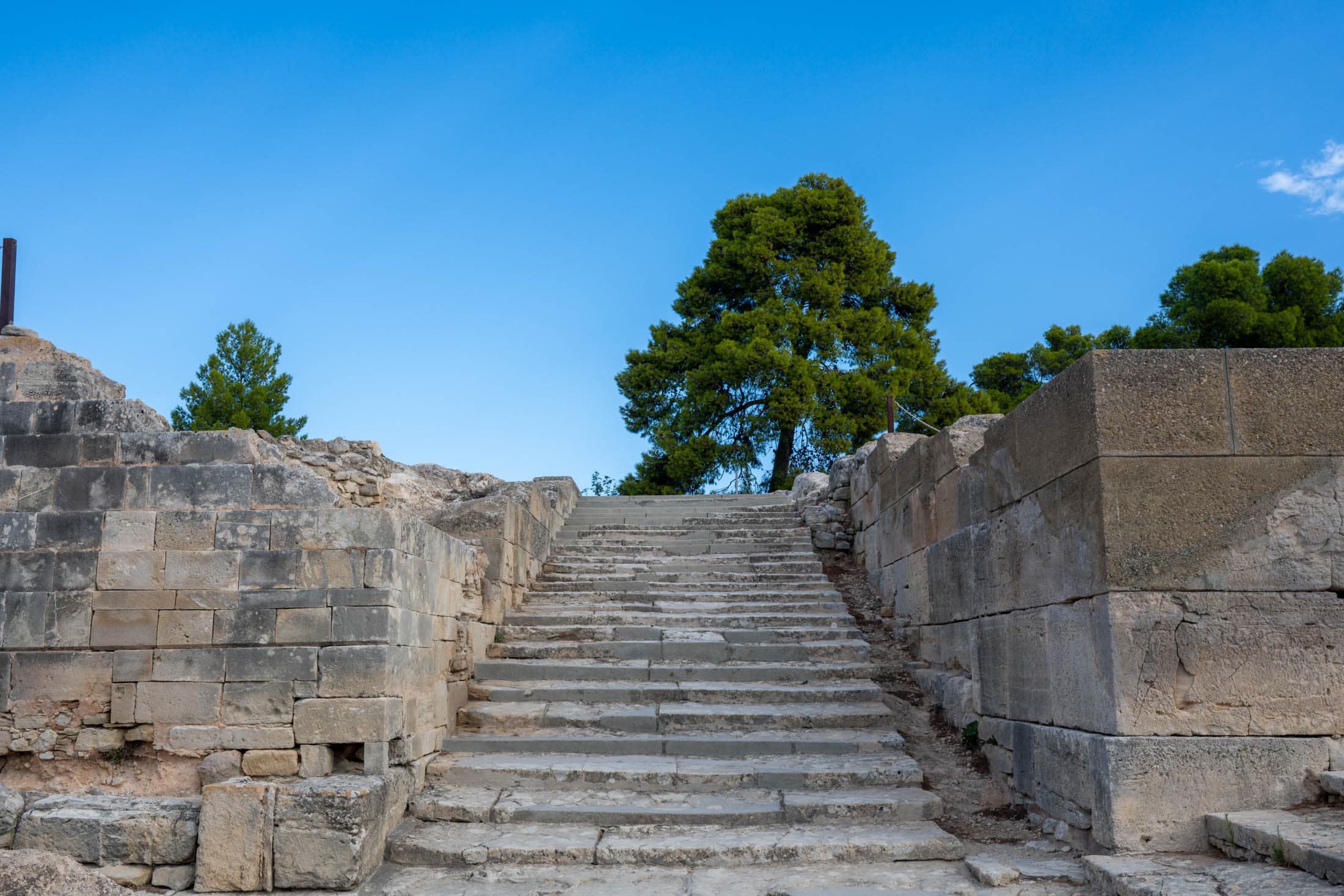
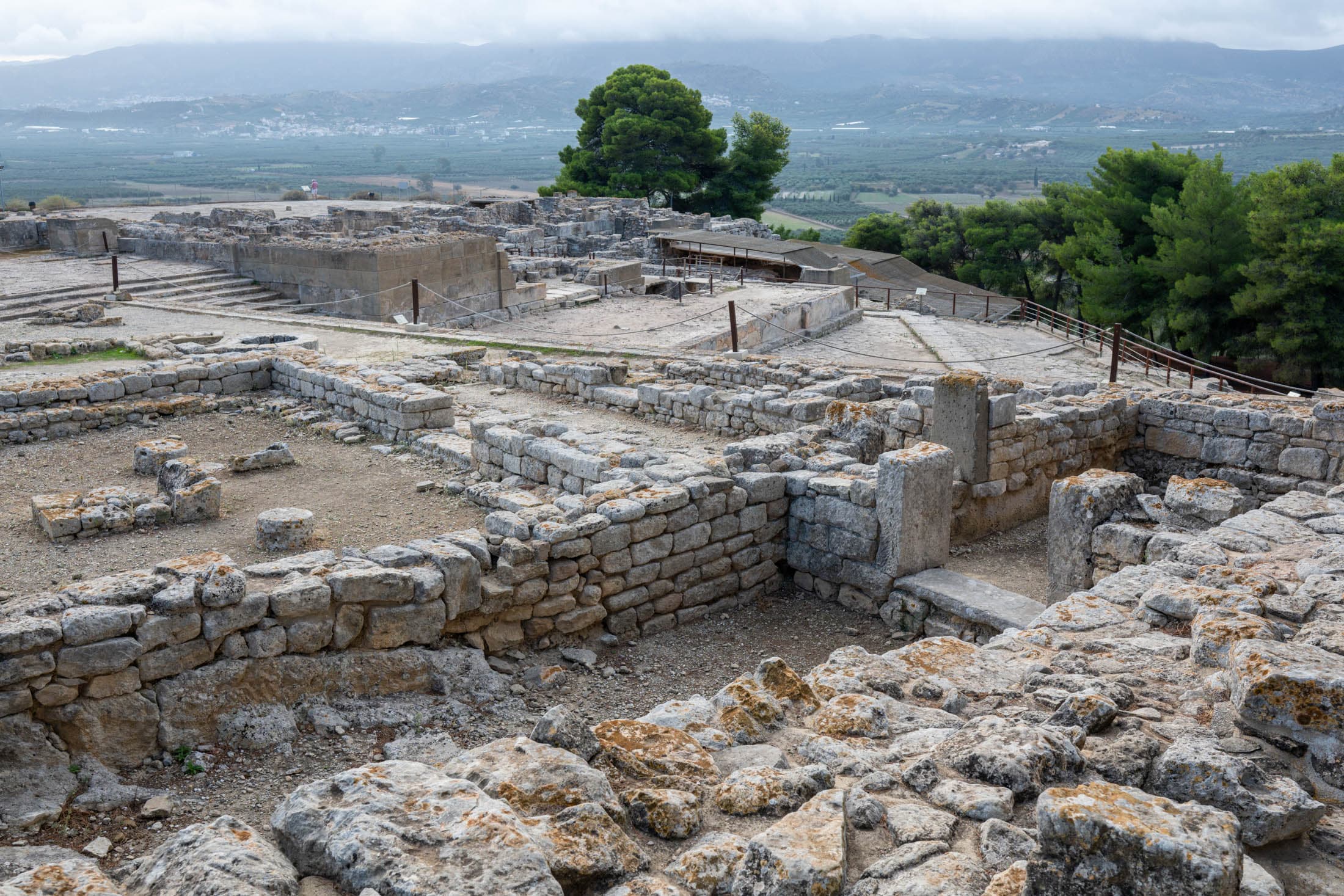
In 2025, Phaistos was officially recognised as a UNESCO World Heritage Site, establishing its enduring value. The ruins of the city are located on a hill overlooking the Messara plain, making it one of the most important centres of Minoan civilisation.
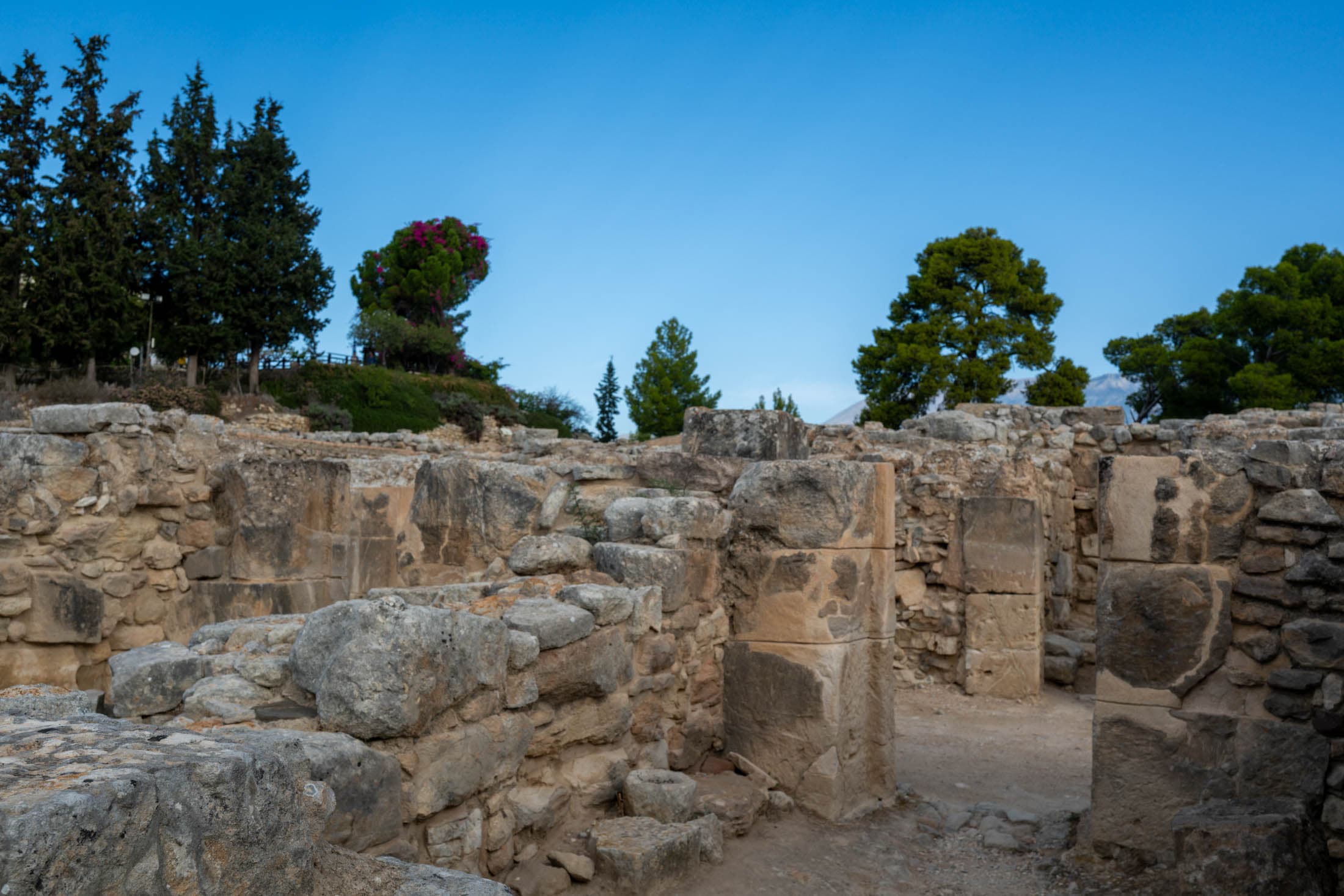
Beyond the palace, residential complexes and a temple dating back to the Archaic period, likely dedicated to Rhea, have been excavated on the site. A visit to Phaistos offers an authentic encounter with Minoan architecture, free from the crowds of Knossos, in a landscape that has remained unchanged over the centuries.
The Palace of Phaistos
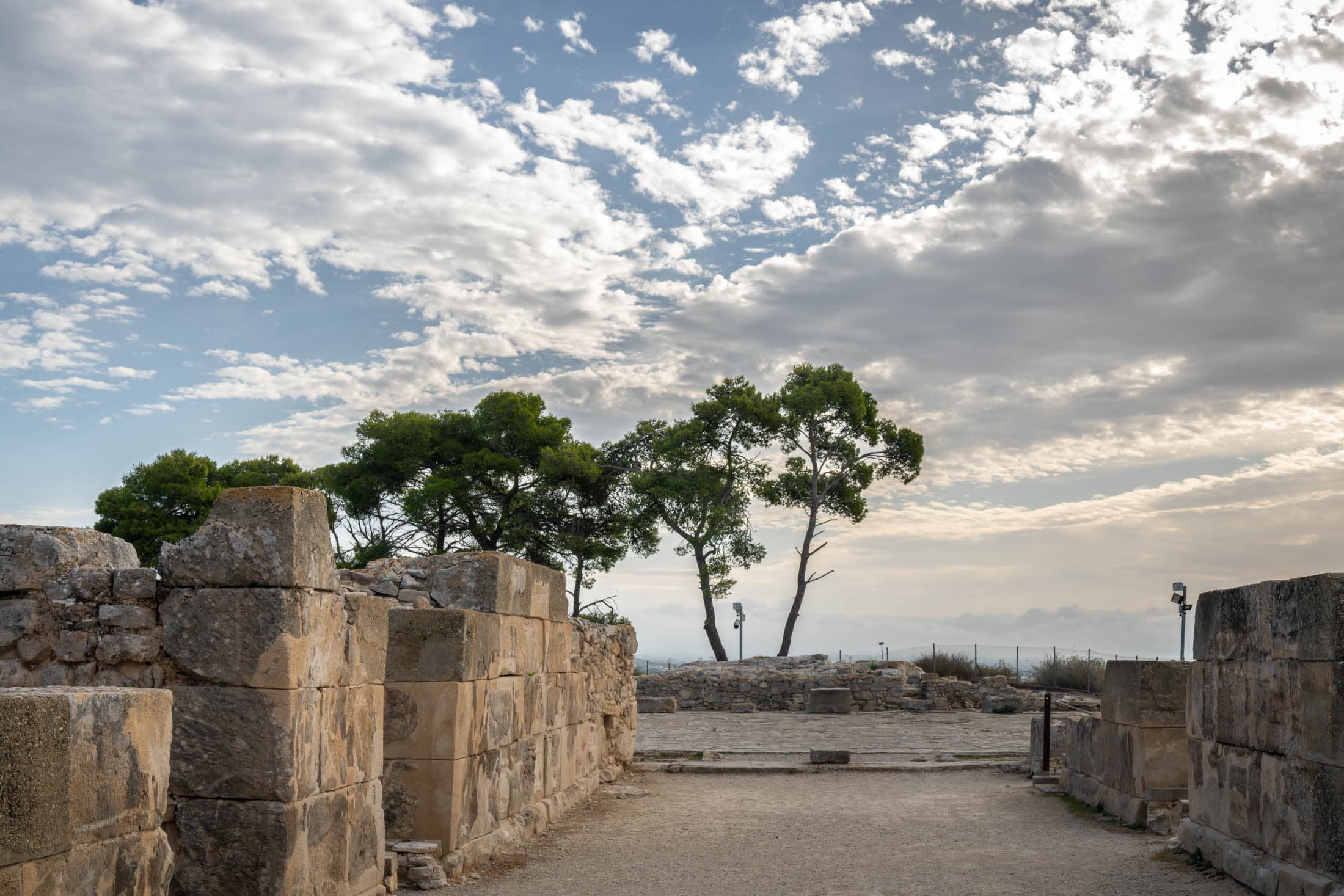
The oldest palace (1900–1700 BC) was erected upon Neolithic foundations and presented the quintessential elements of Minoan architecture for the first time: paved courtyards, polythyra multi-doored entrances, and light wells. Following its destruction around 1700 BC, the New Palace was constructed upon its ruins, flourishing until approximately 1450 BC.A Journey Through the Wings
- The West Wing: Dominated by a grand, columned hall with marble panelling and a tripartite shrine, likely used for religious ceremonies. The central courtyard retains its impressive Palatial period paving.
- The North Wing: This is where the ‘royal quarters’ are located, their sacredness accentuated by the ornate exterior wall and the tiered altar. A complex of luxurious rooms with alabaster panelling and frescoed decoration leads to a grand peristyle courtyard.
- The Eastern Wing: Sections with purification basins and light wells have been preserved, and it is believed that a peristyle symposium hall existed on an upper floor.
Global Treasures
Phaistos is the birthplace of the renowned Phaistos Disc, one of archaeology’s greatest enigmas. Today, treasures such as the extensive collection of polychrome Kamares pottery, sculptures, and small artefacts are exhibited at the Archaeological Museum of Heraklion.Beyond the palace, residential complexes and a temple dating back to the Archaic period, likely dedicated to Rhea, have been excavated on the site. A visit to Phaistos offers an authentic encounter with Minoan architecture, free from the crowds of Knossos, in a landscape that has remained unchanged over the centuries.