A Timeless Citadel Overlooking Souda
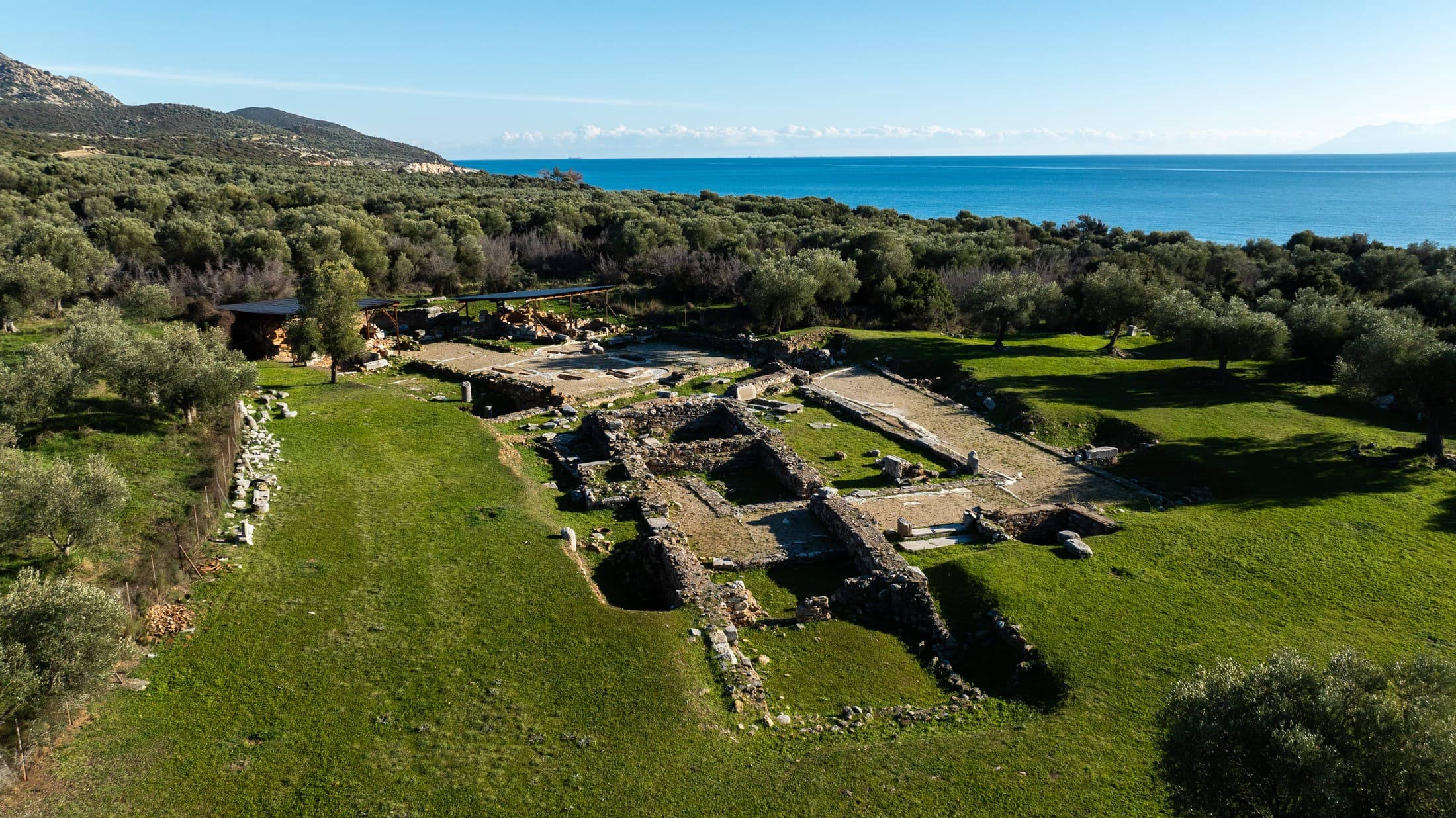
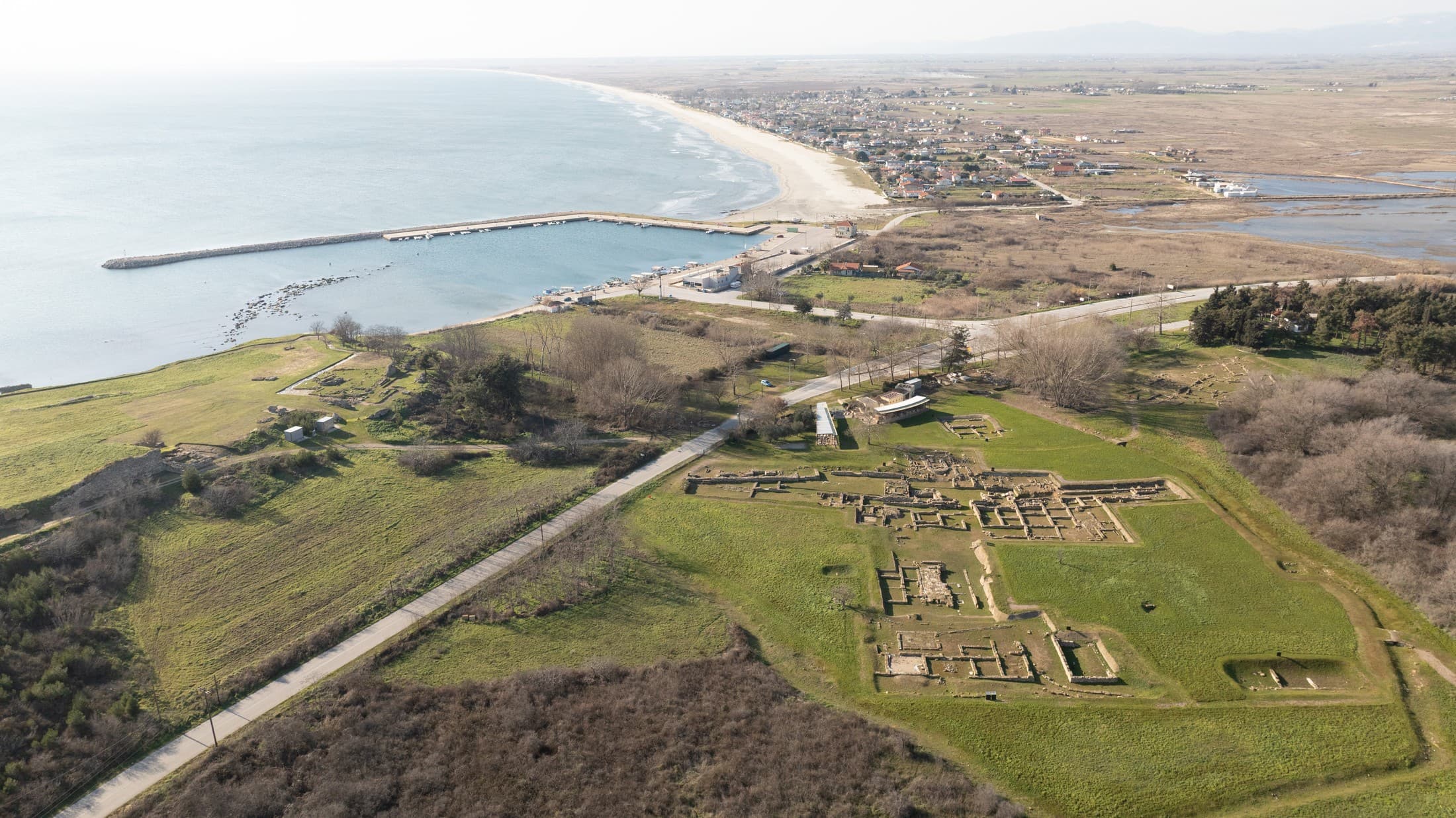
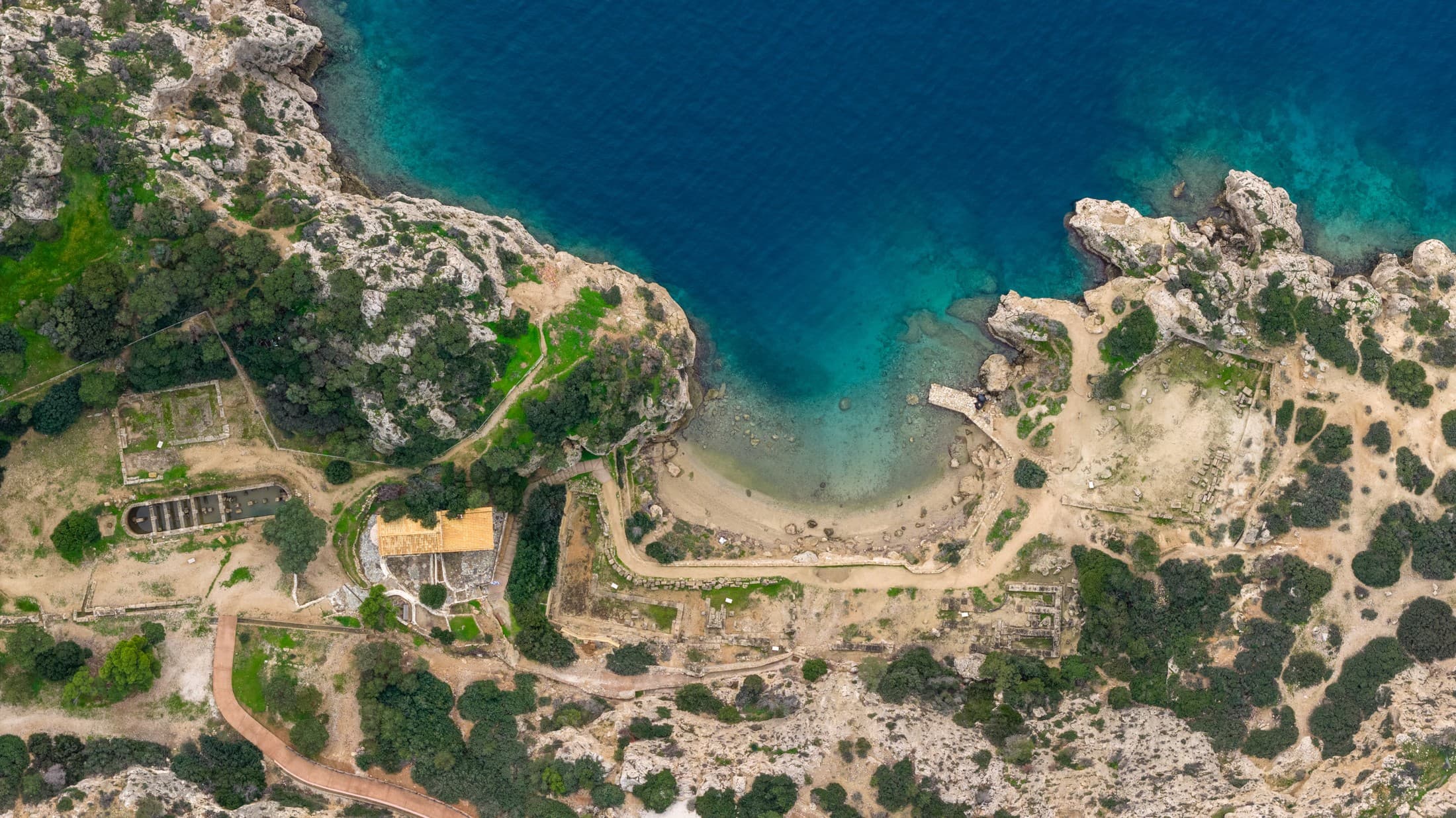
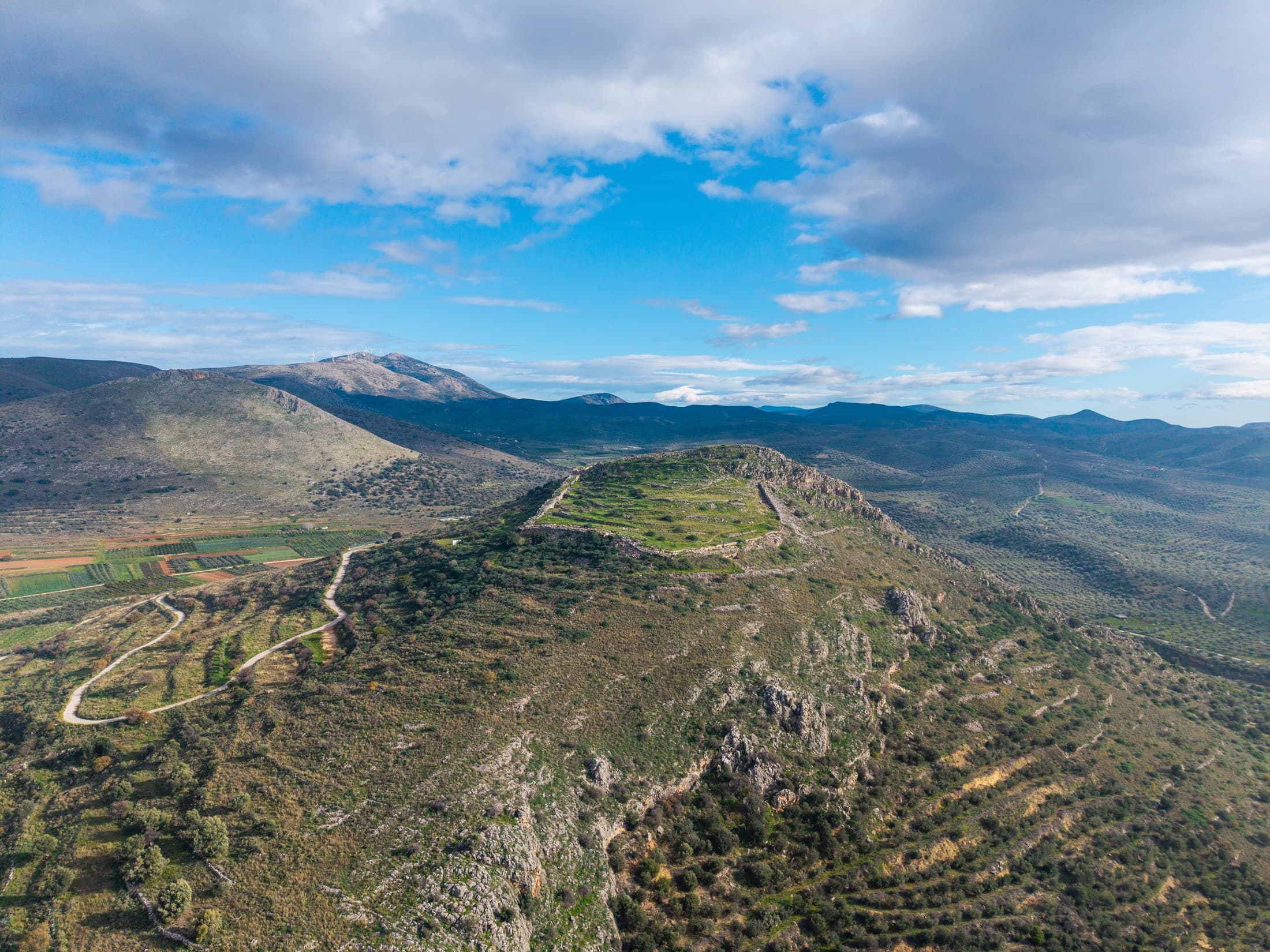
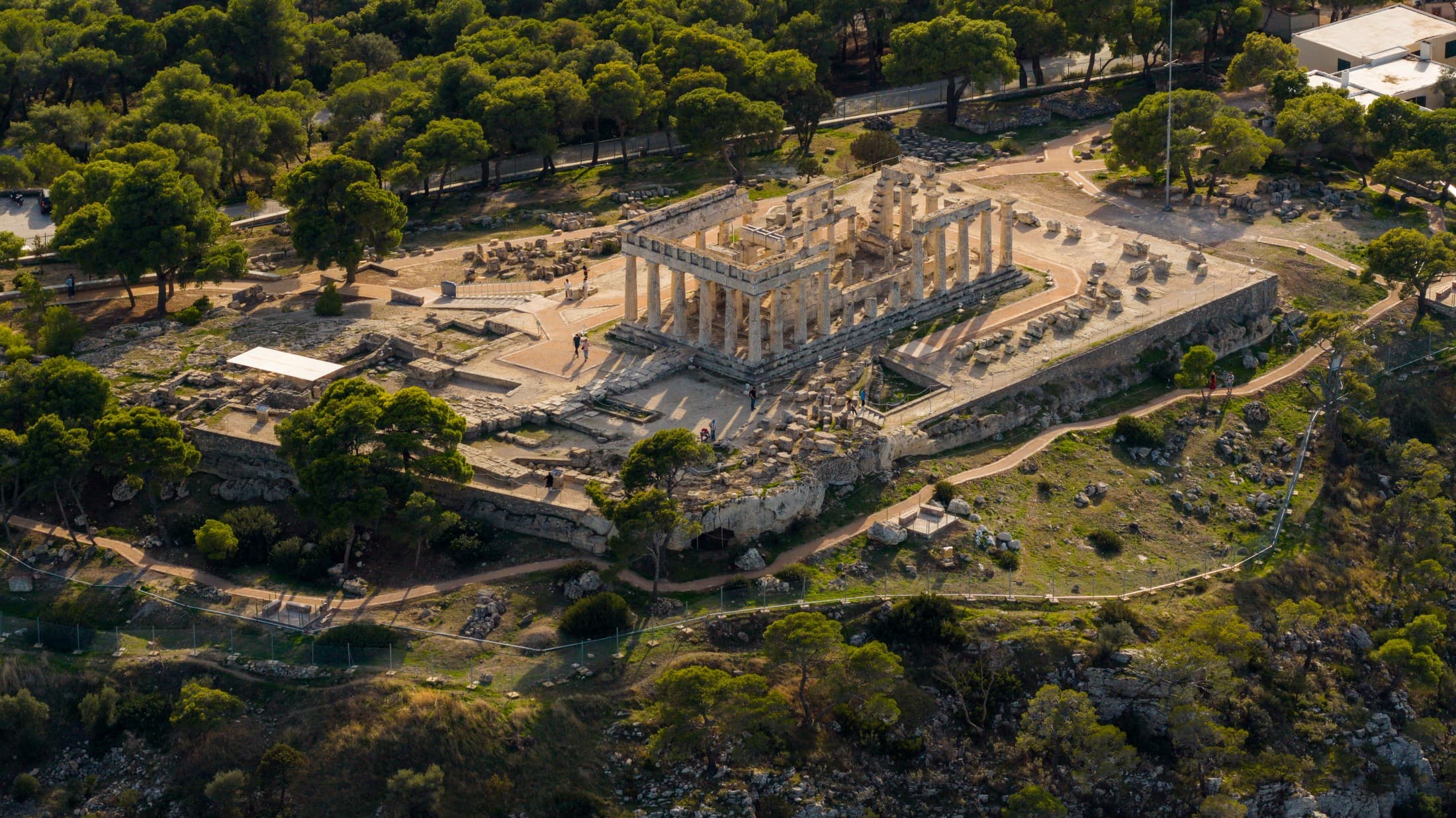
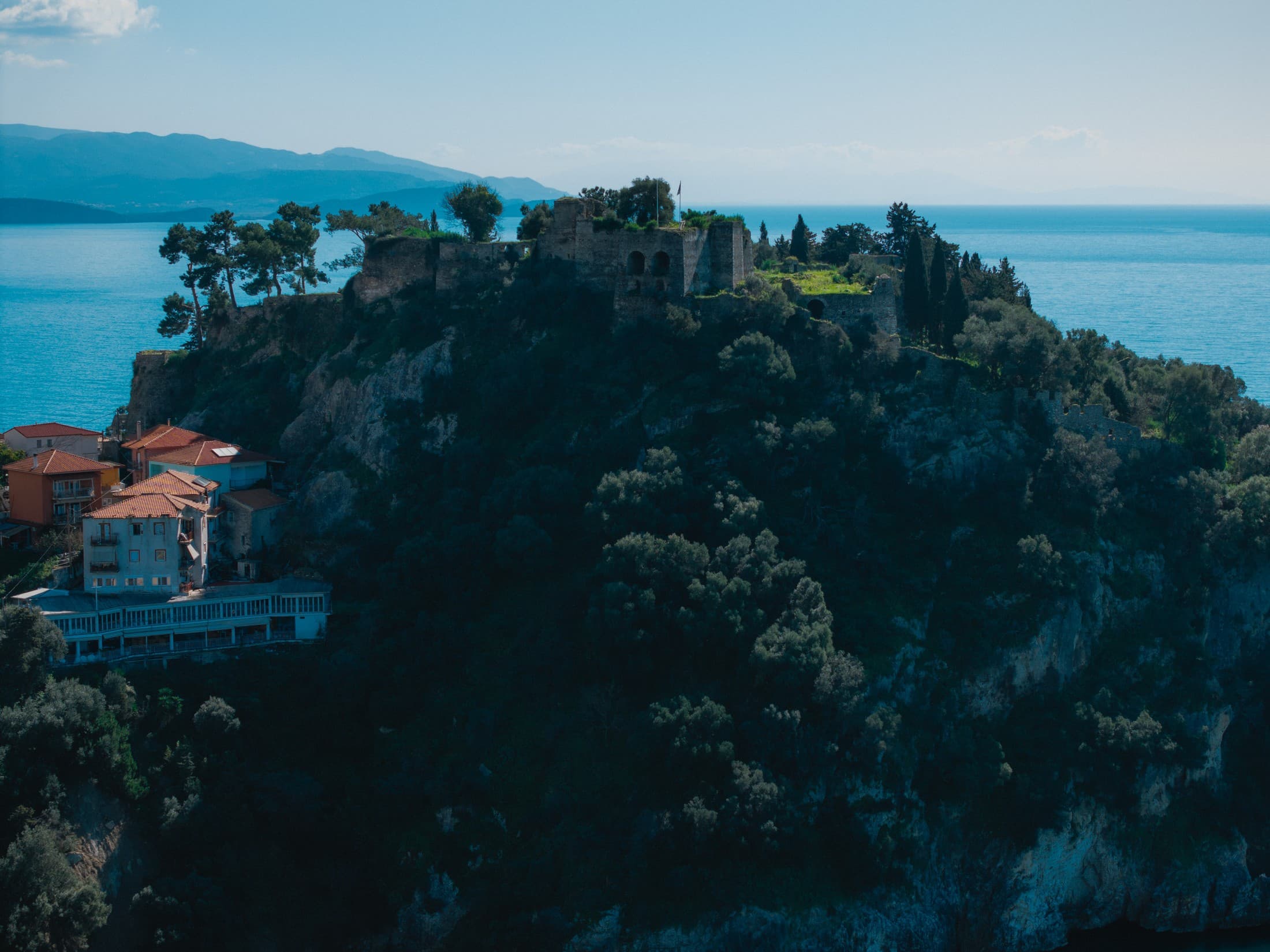
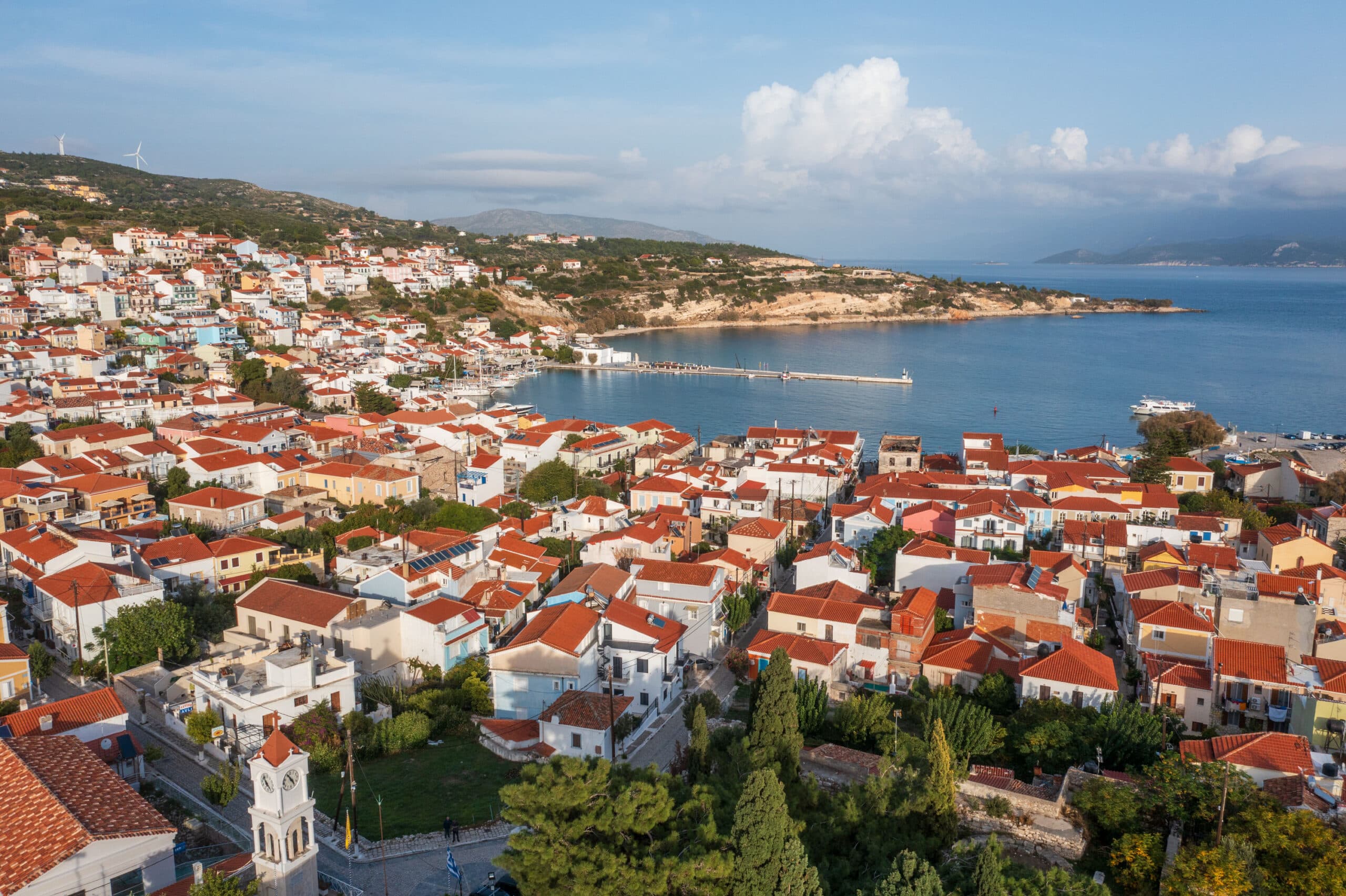
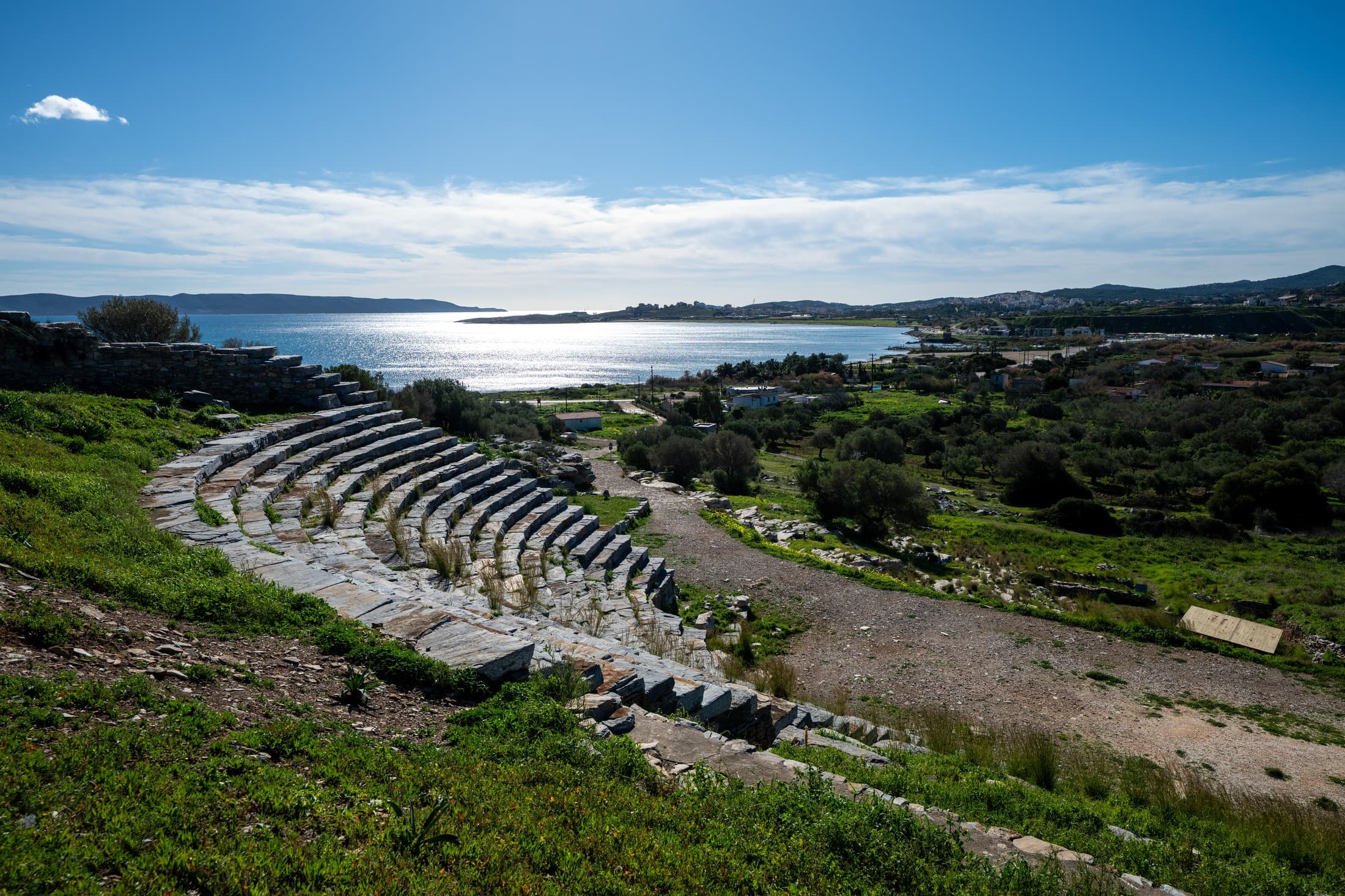
On an imposing plateau, 15 km from Chania, stands Aptera—one of the most important city-states of Crete. With panoramic views over Souda Bay and two strategic harbors, the city developed into a powerful commercial and political center, even minting its own coins during its peak (4th–3rd century BC).
The Origin of the Name
The name is attributed either to “Artemis Aptera” or to the mythical king Pteras. The most enchanting myth, however, tells of the Sirens who were defeated here in a contest with the Muses, lost their wings (“apteres”), and fell into the sea, forming the Lefkai (White) islets.
Exploring the Archaeological Site
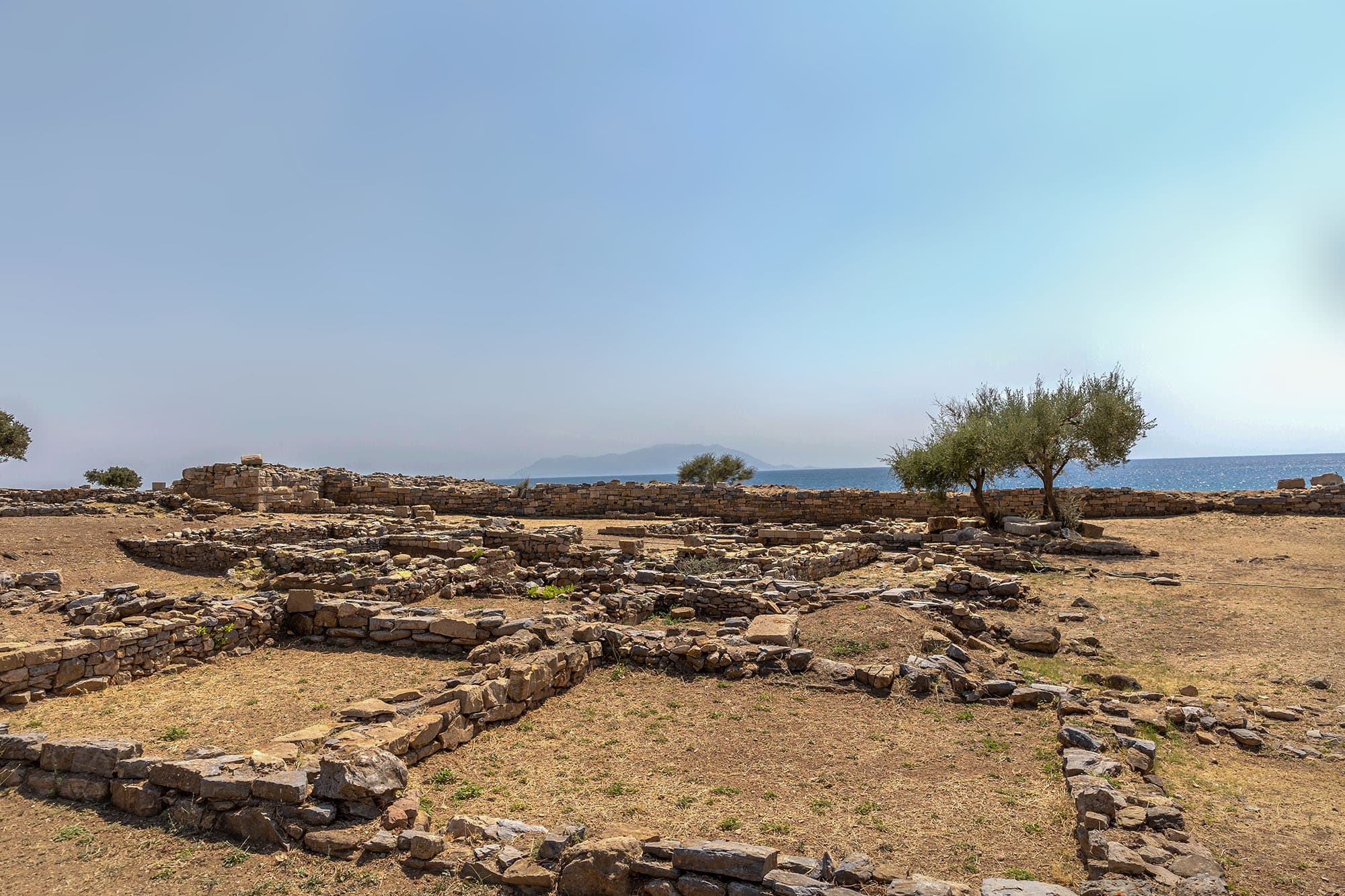
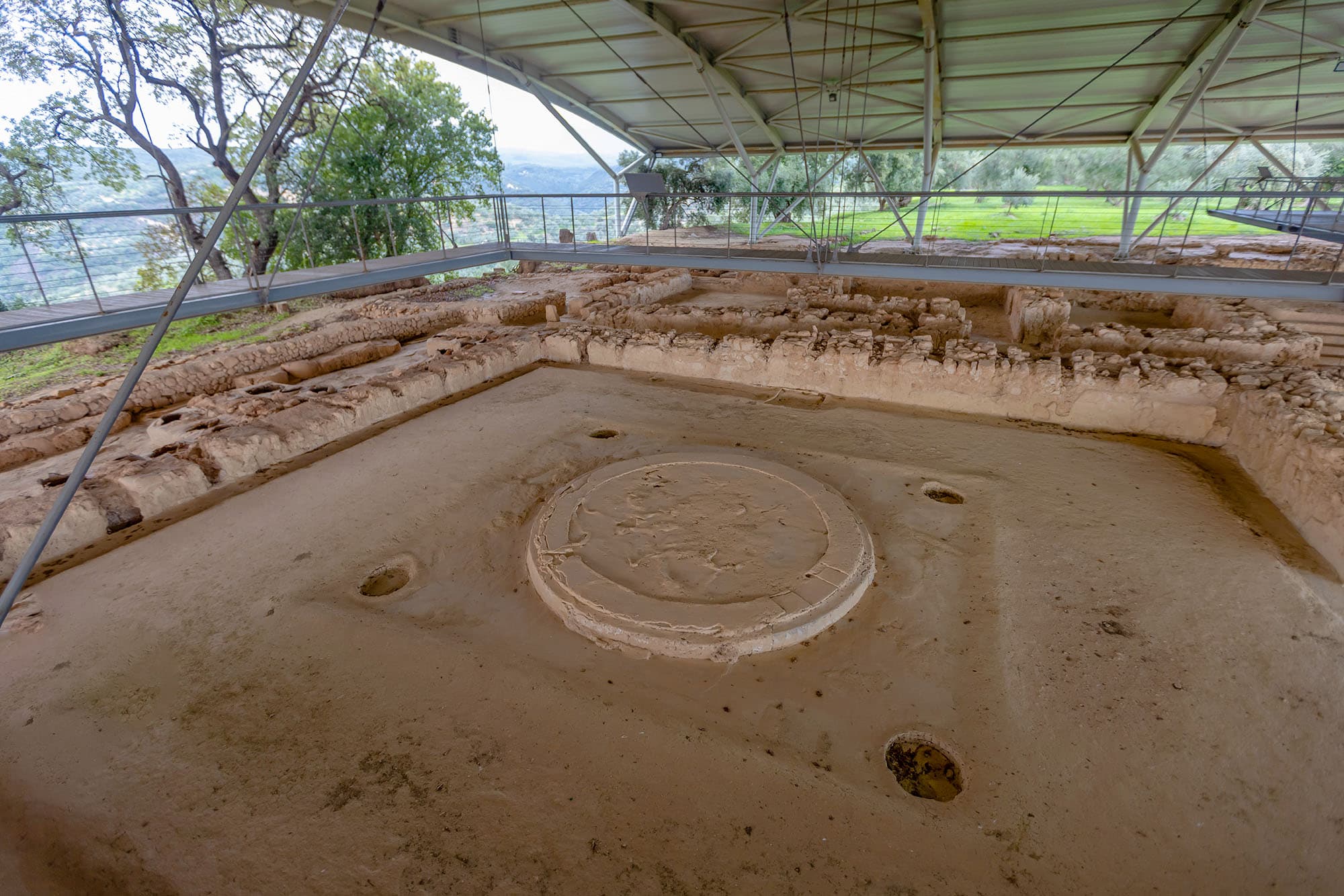
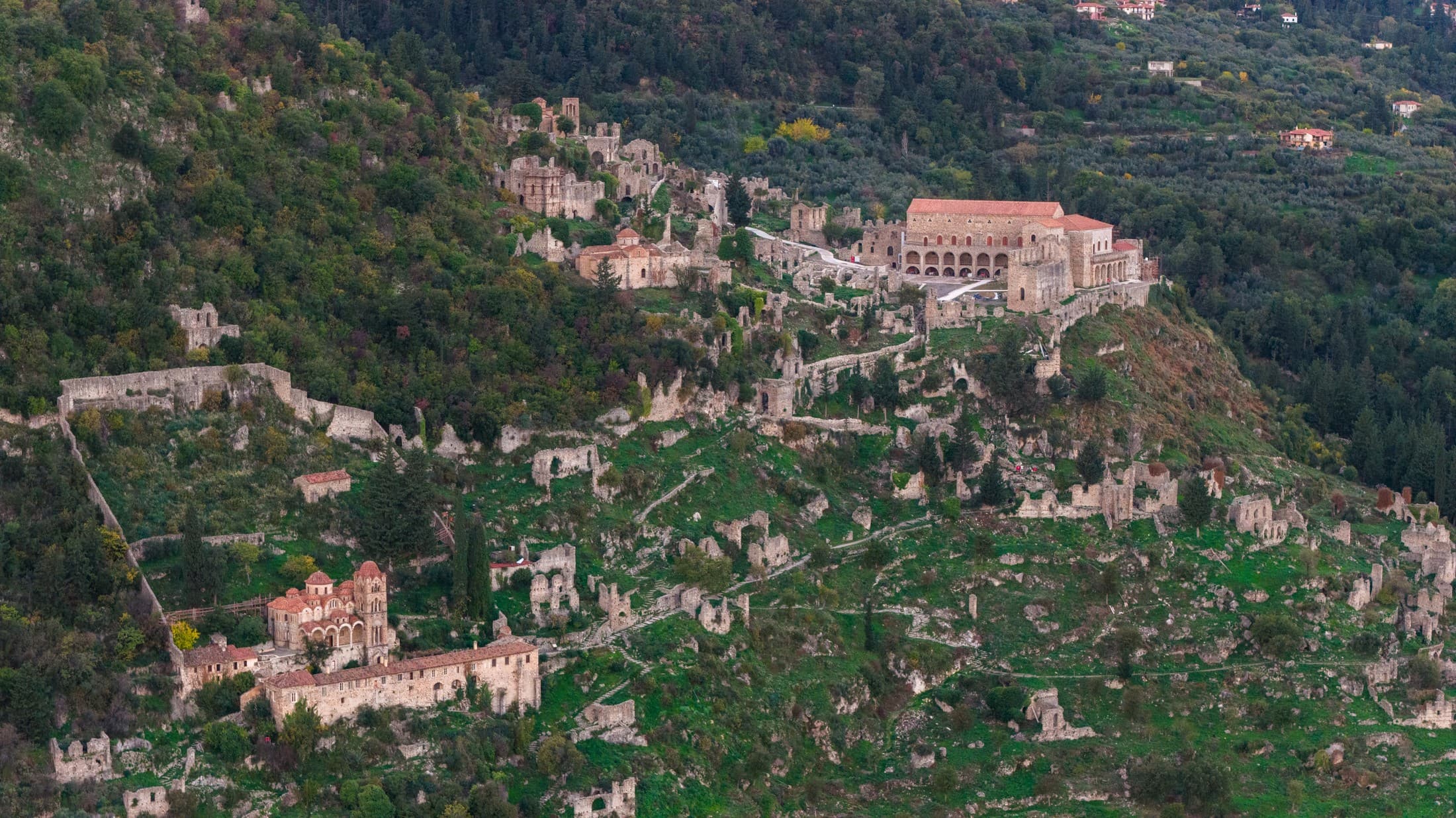
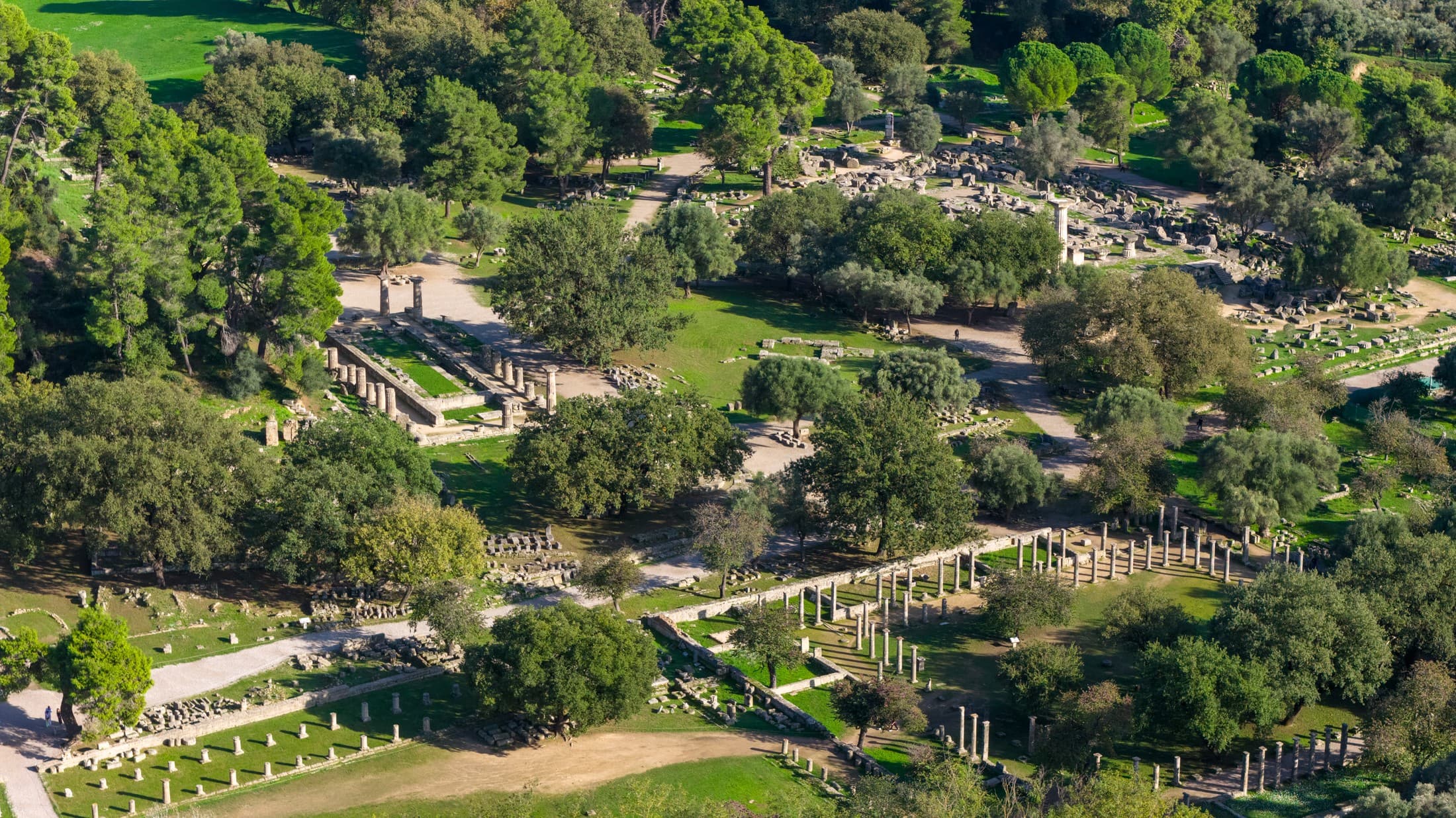
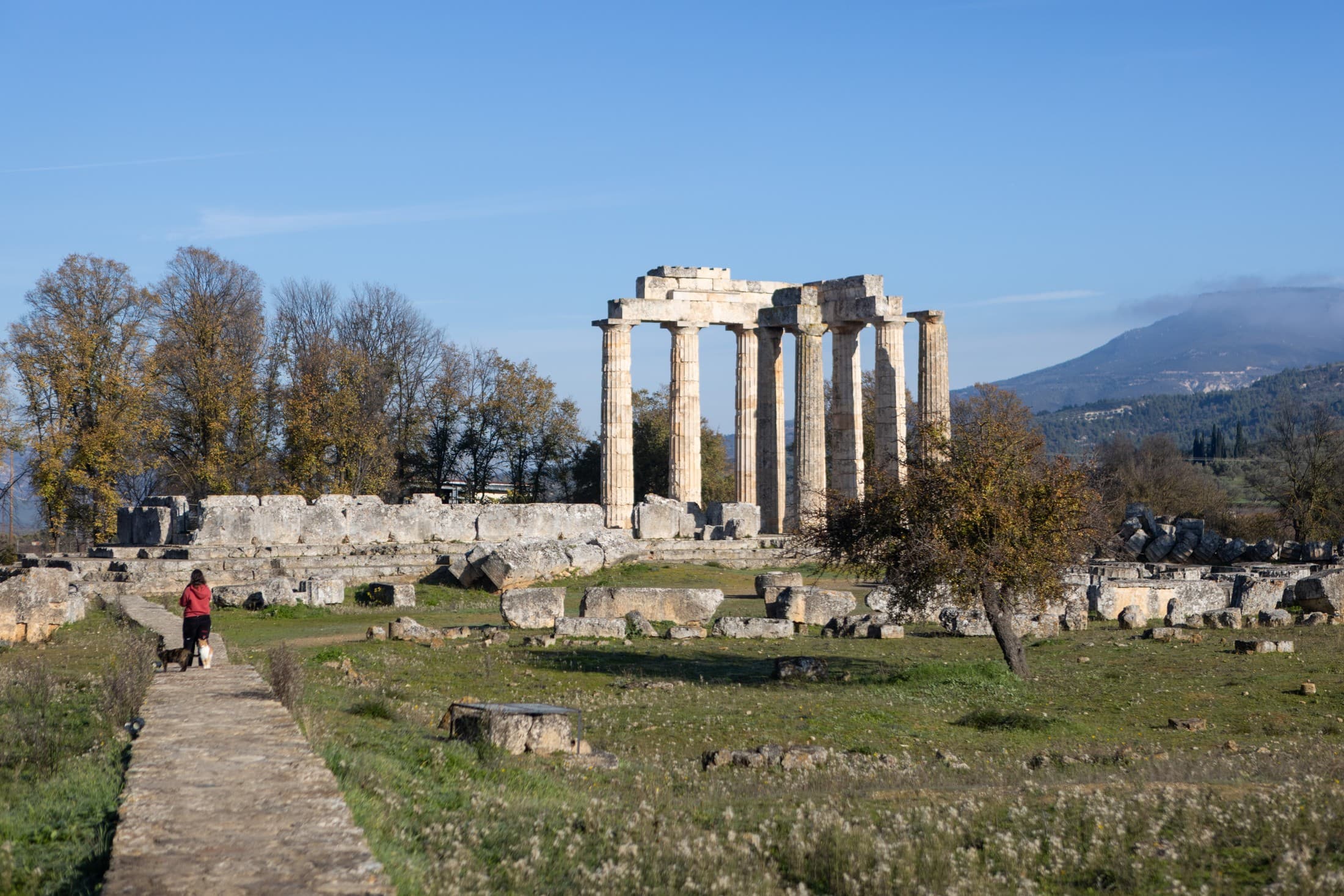
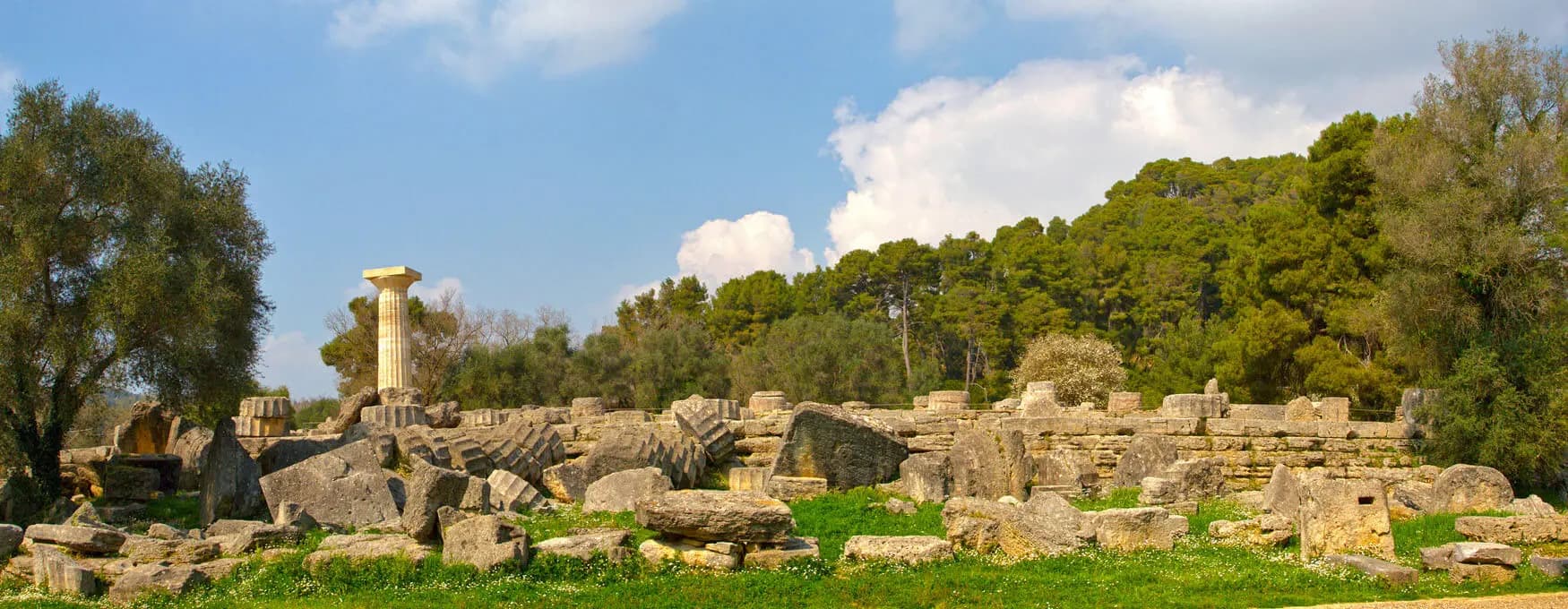
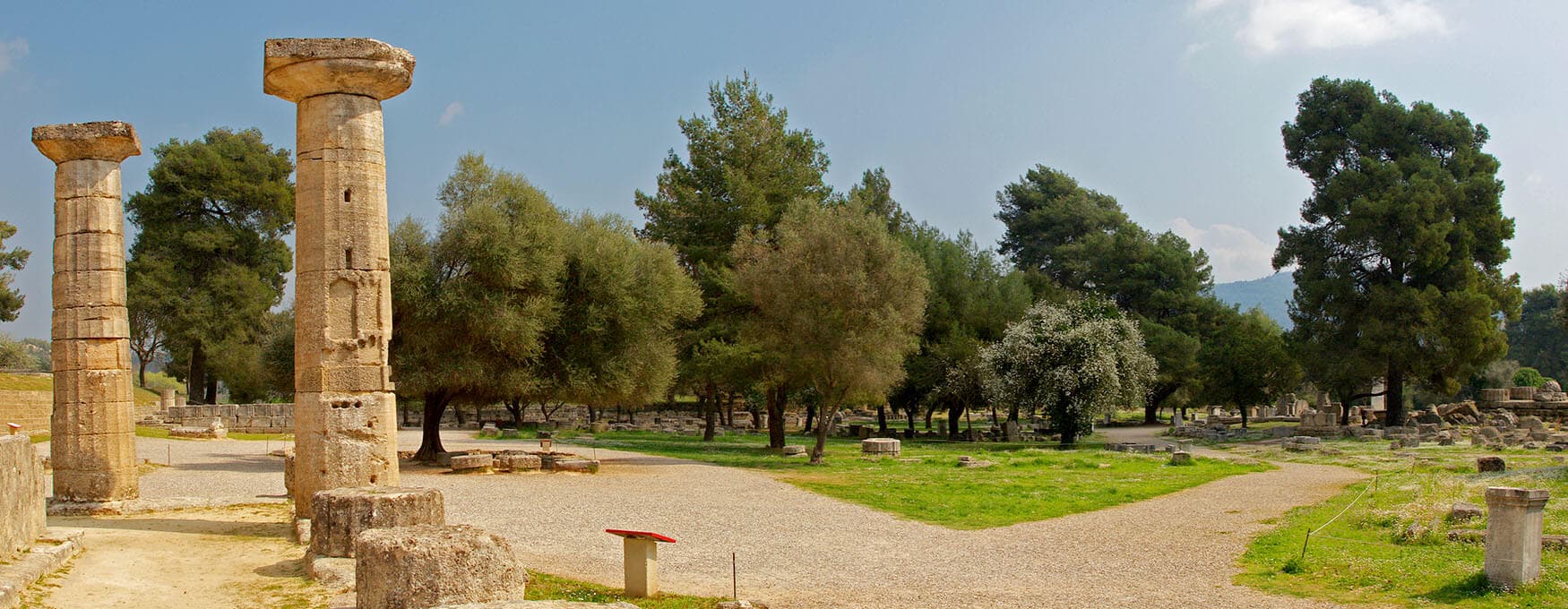
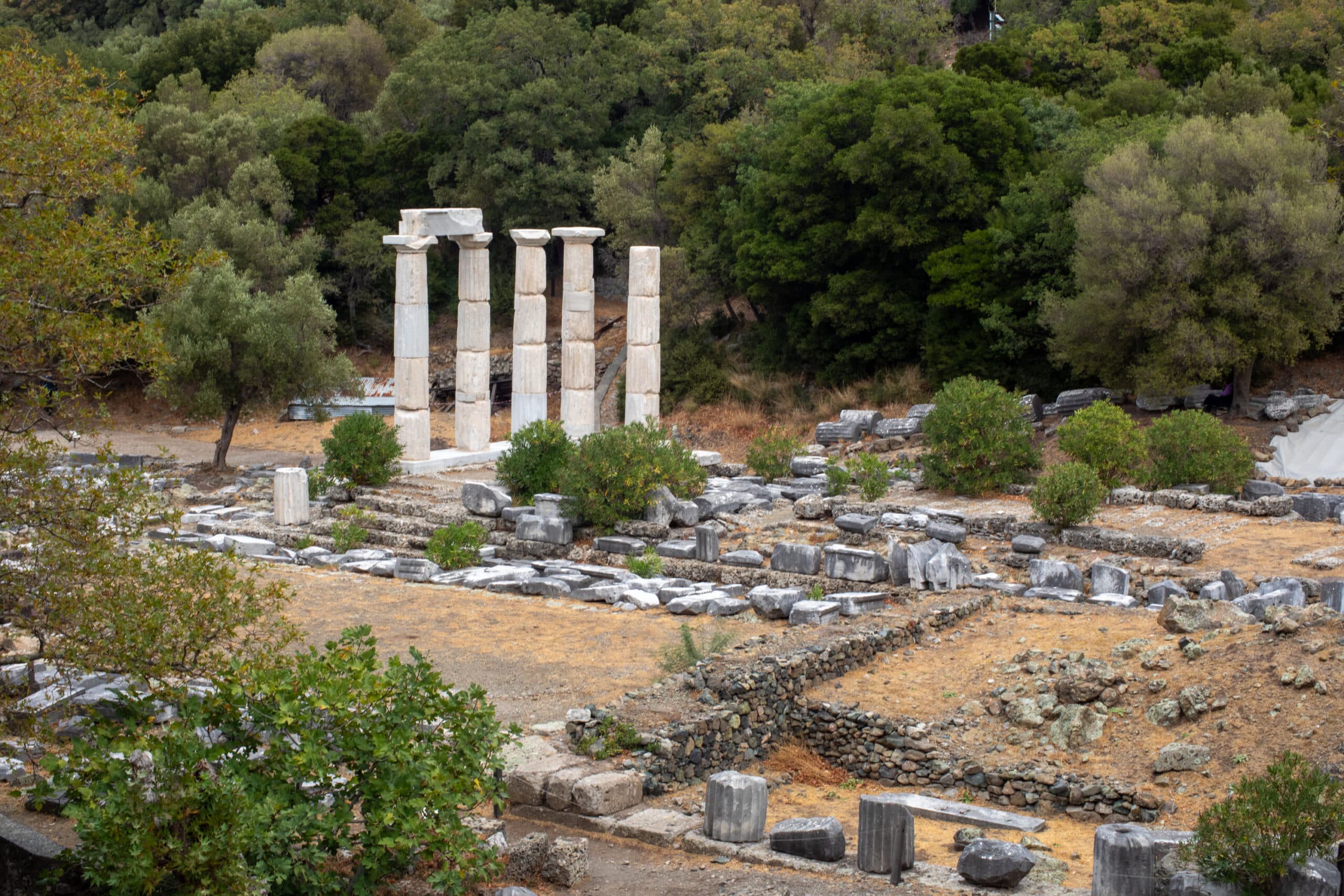
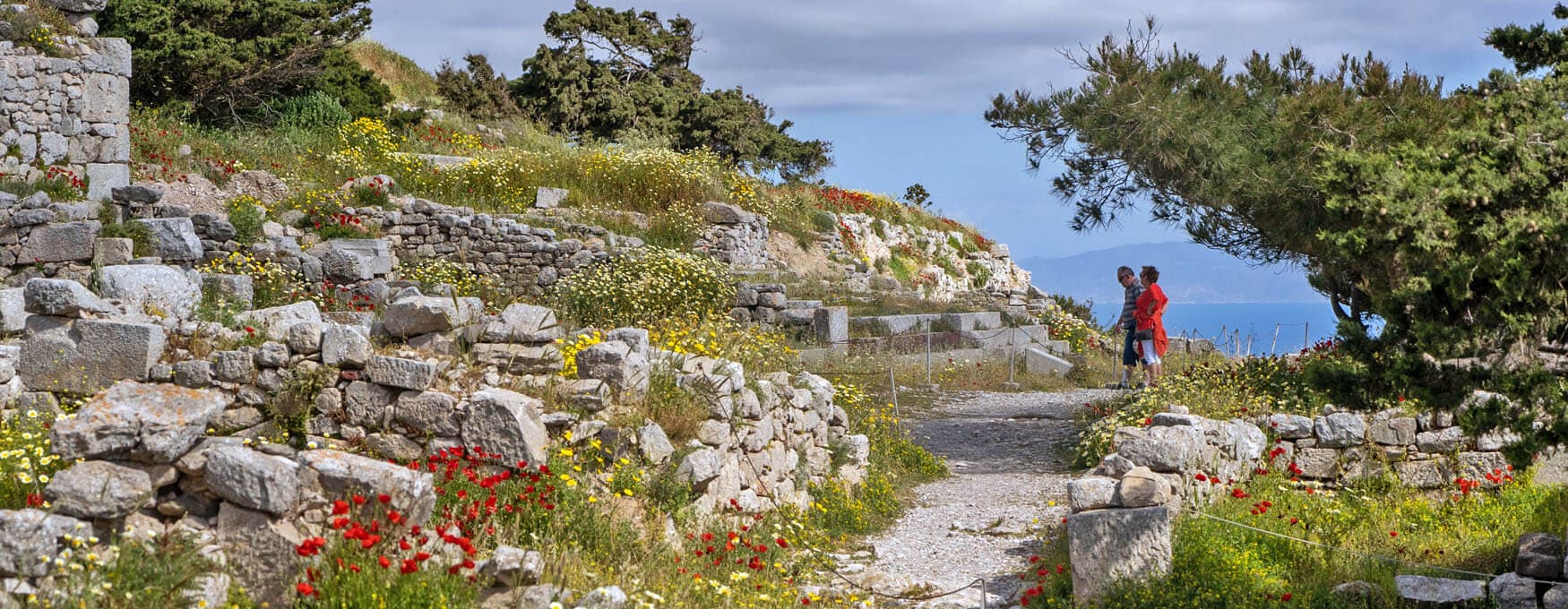
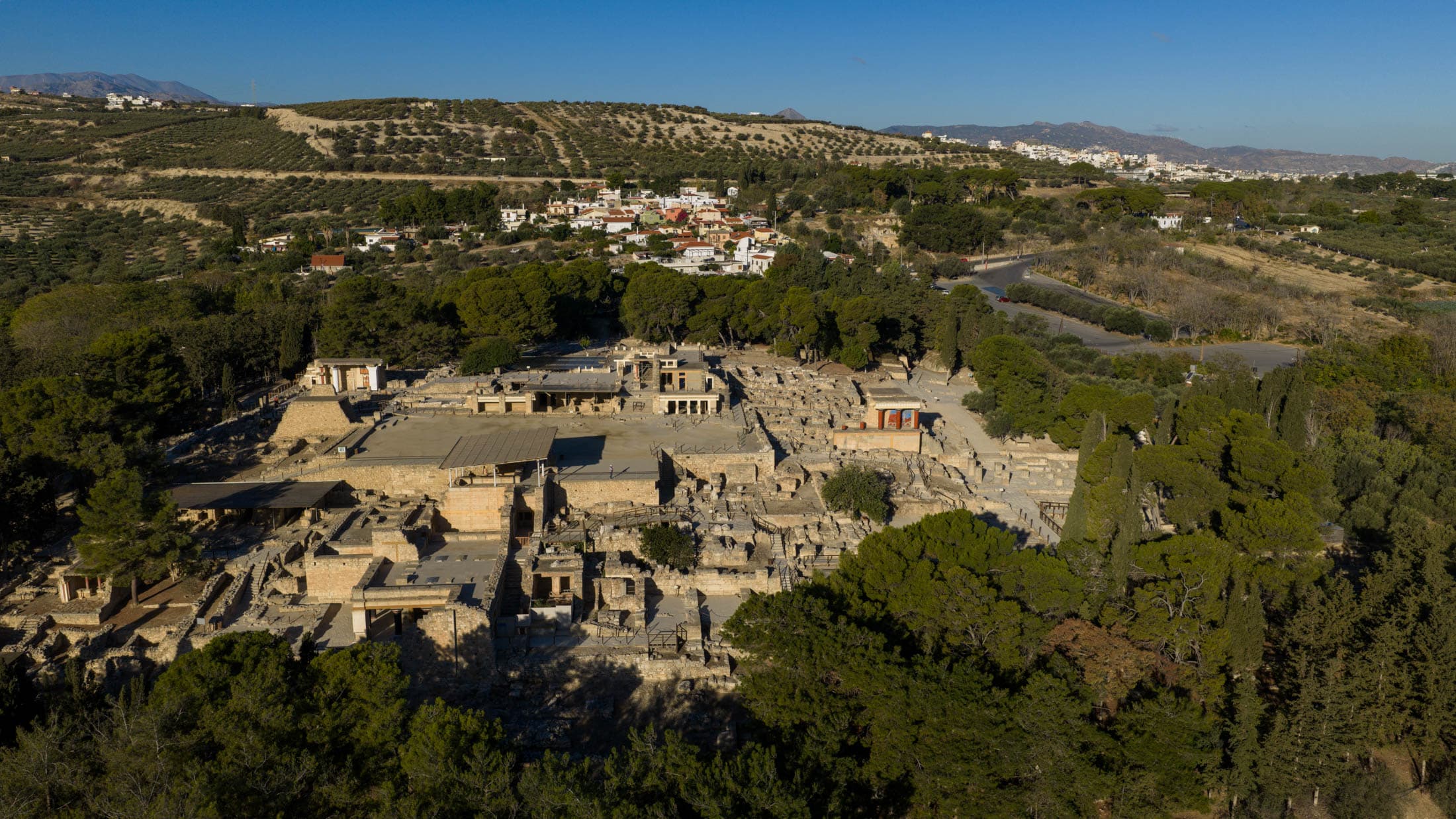
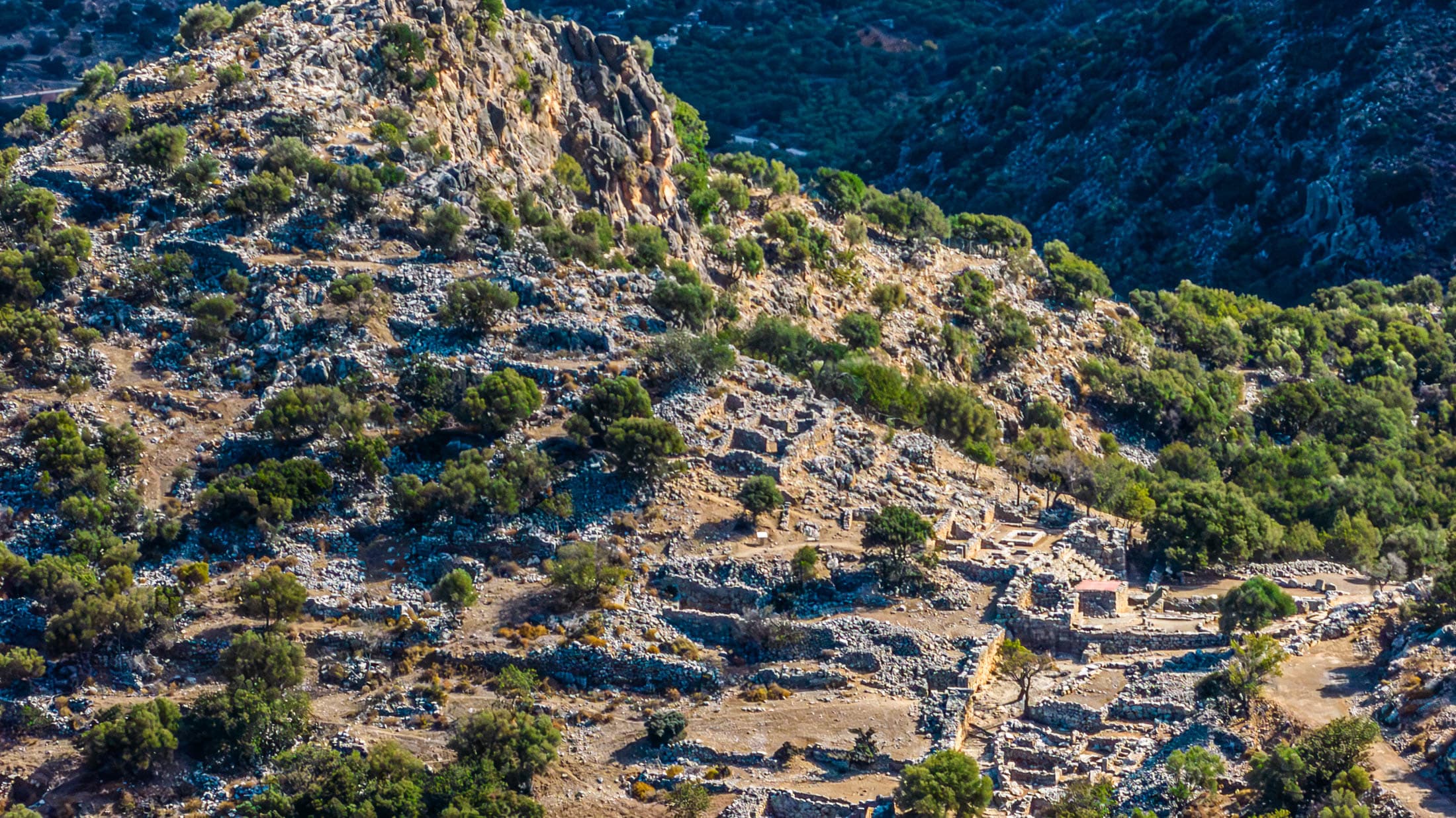
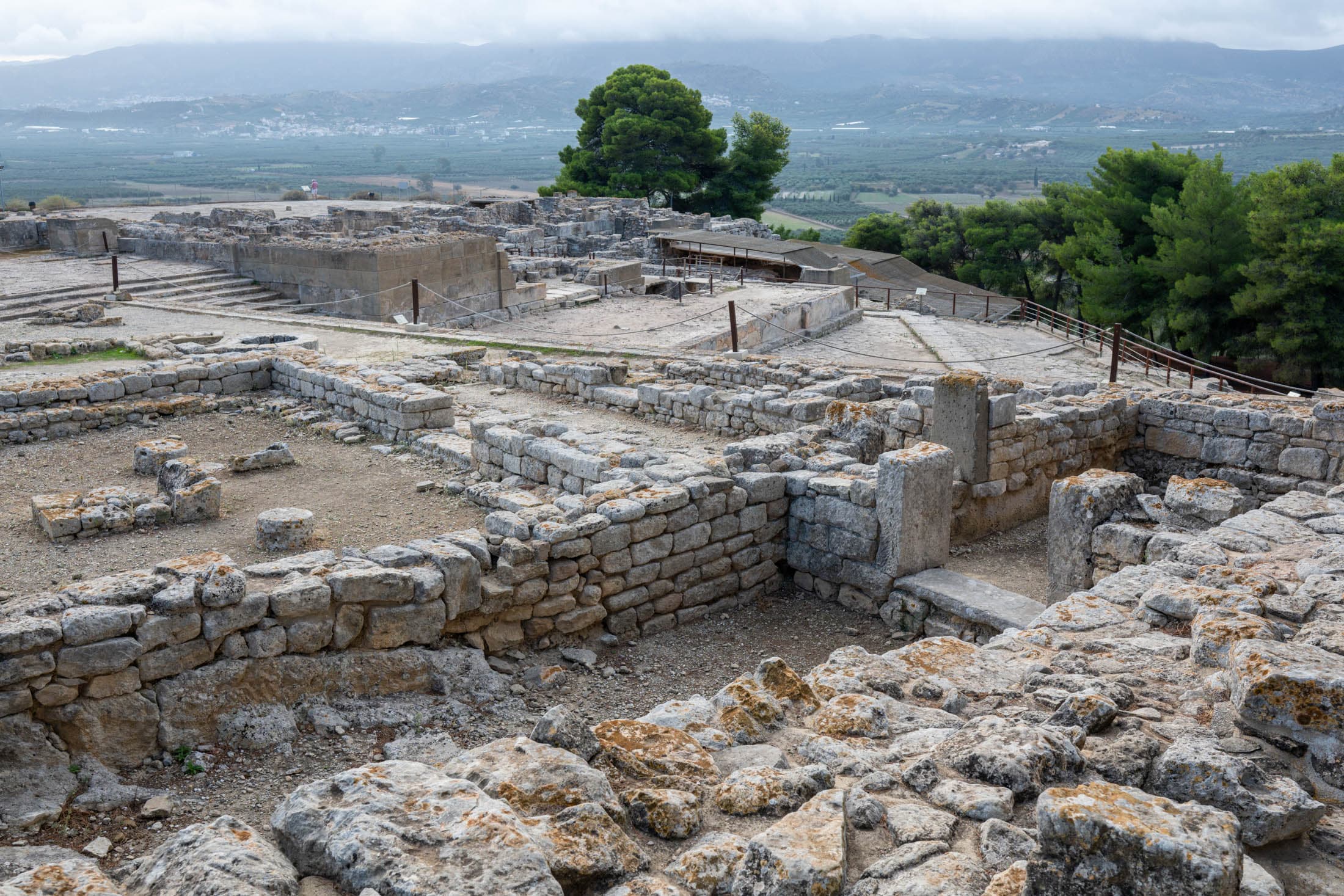
Aptera is a unique mosaic of historical periods, from the Minoan to the Byzantine era:
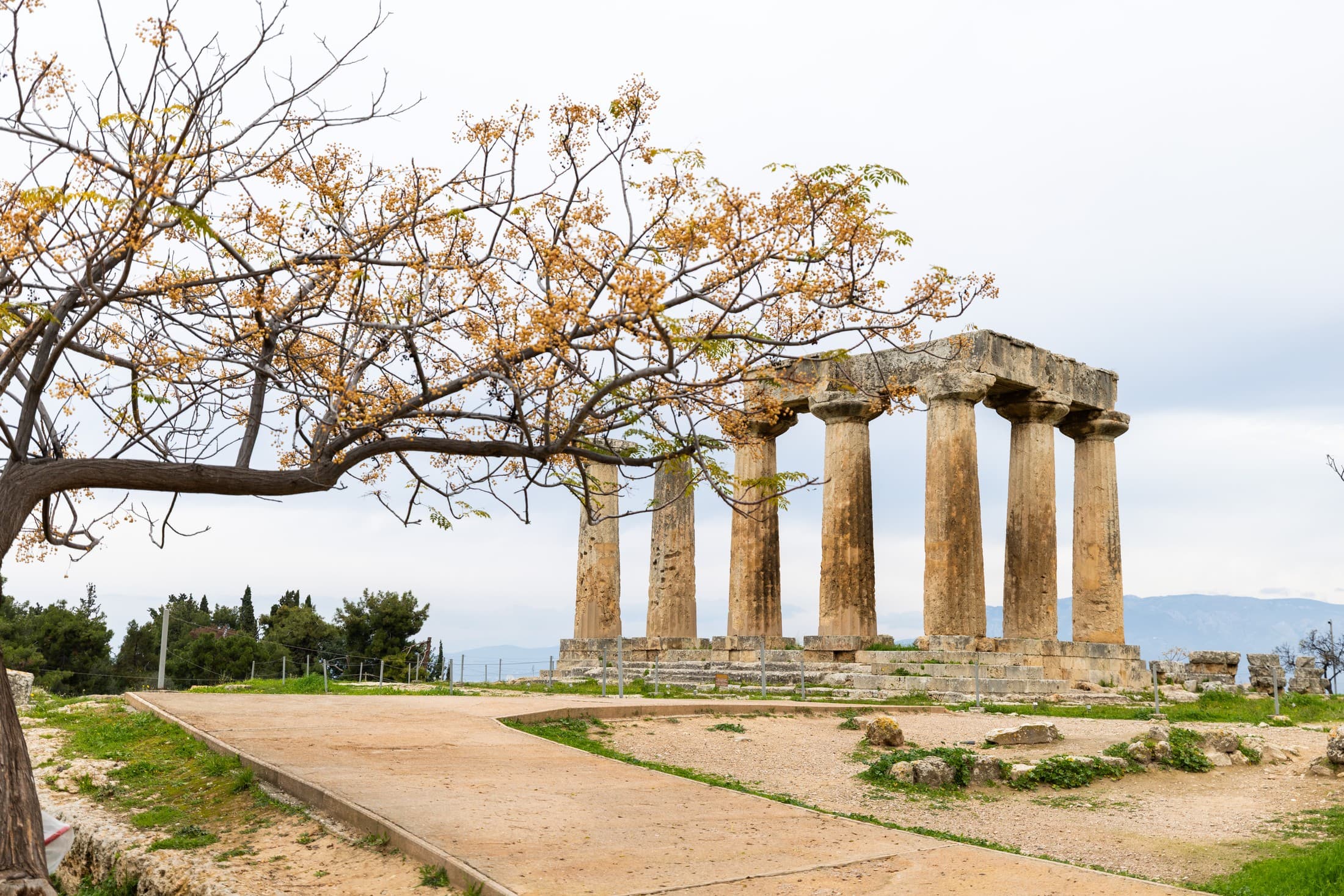
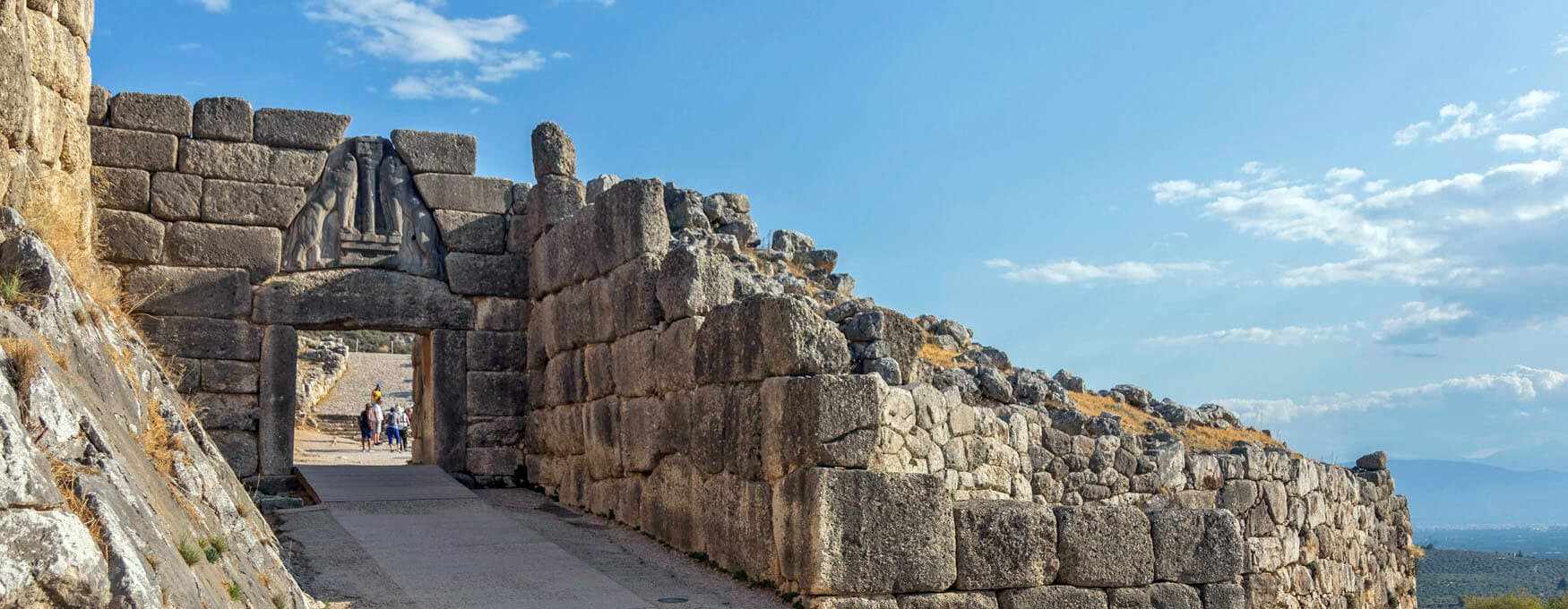
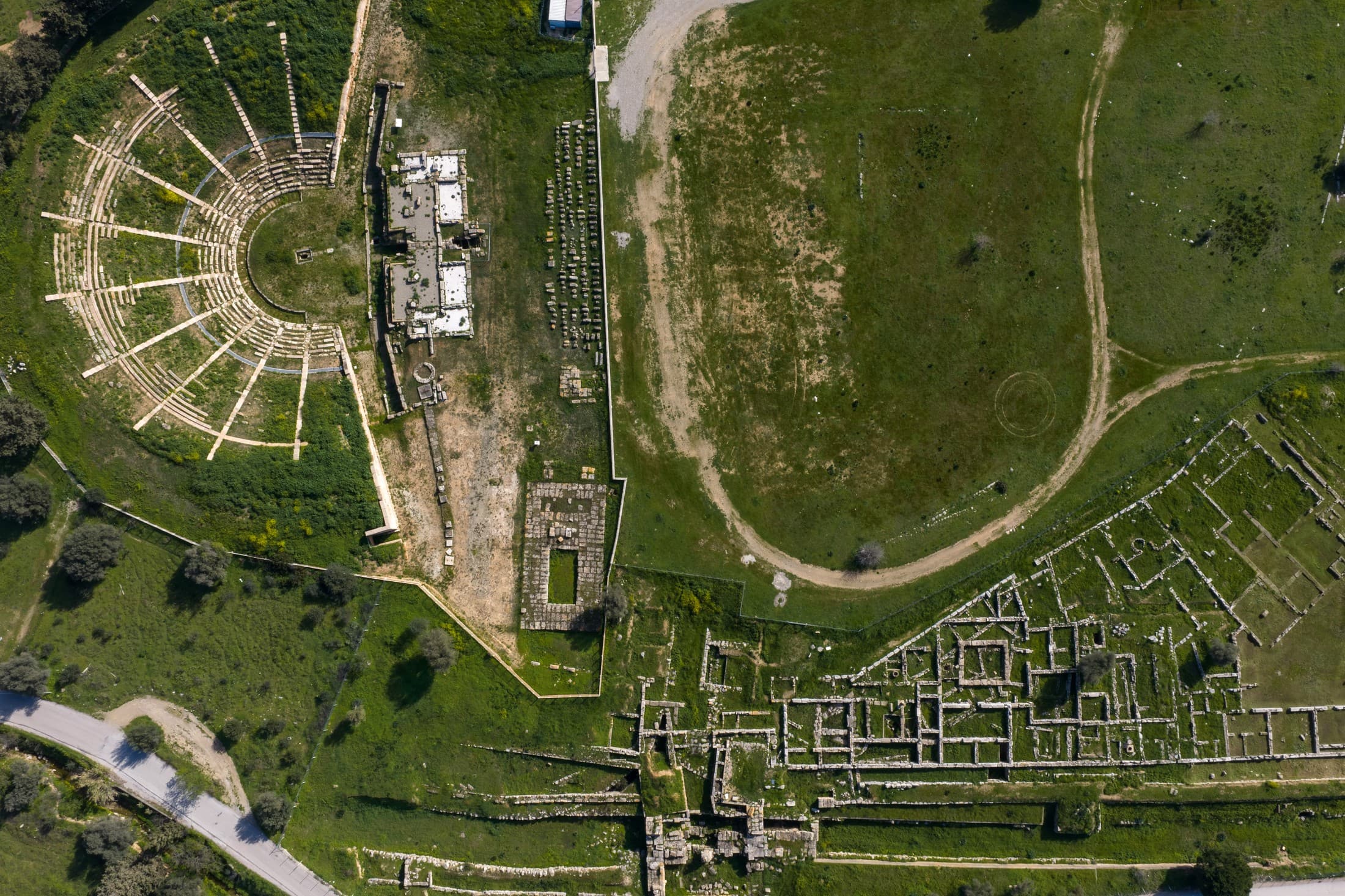
- Fortifications: Walls stretching 4 km testify to the city’s strength during Hellenistic times.
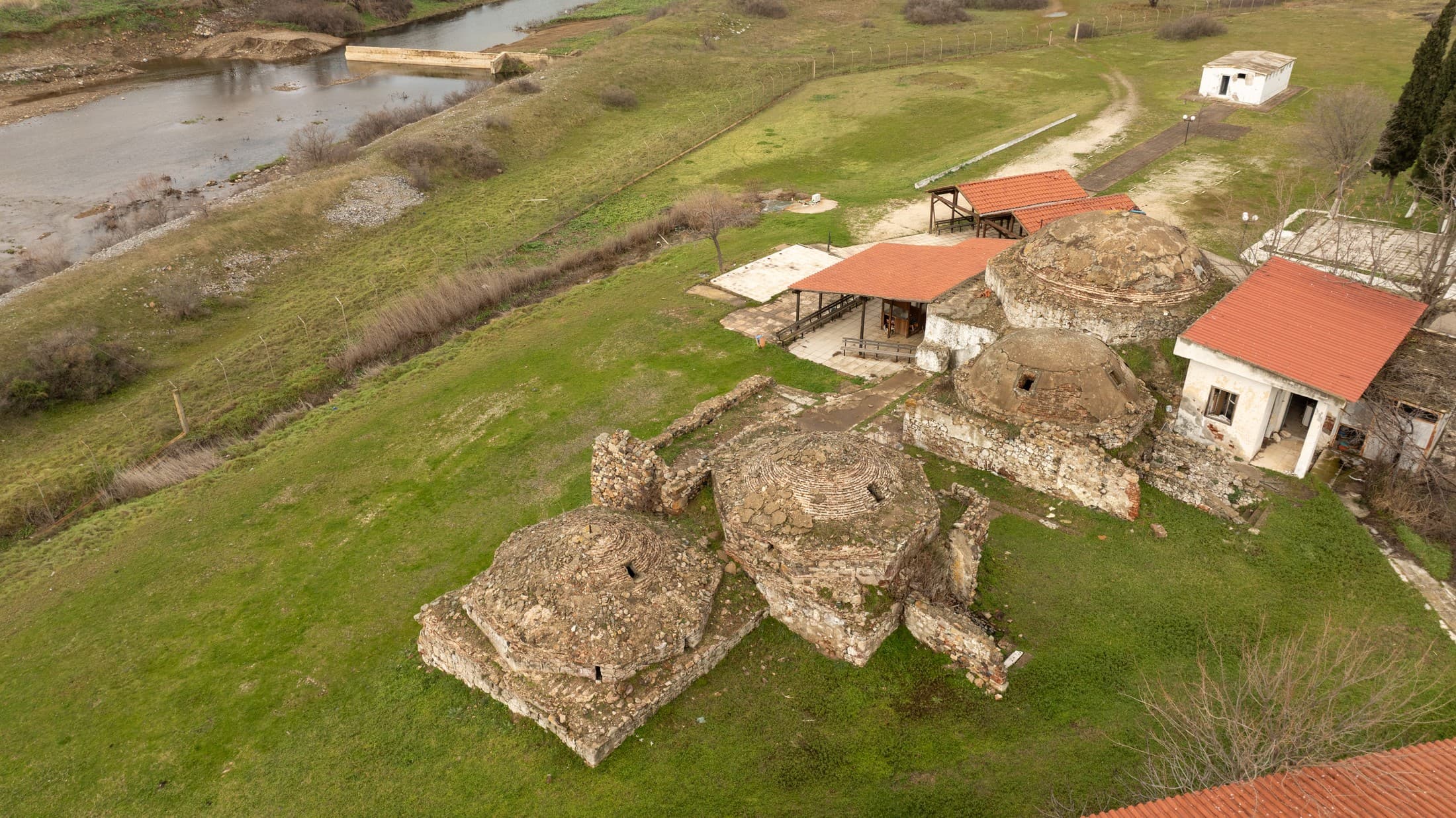
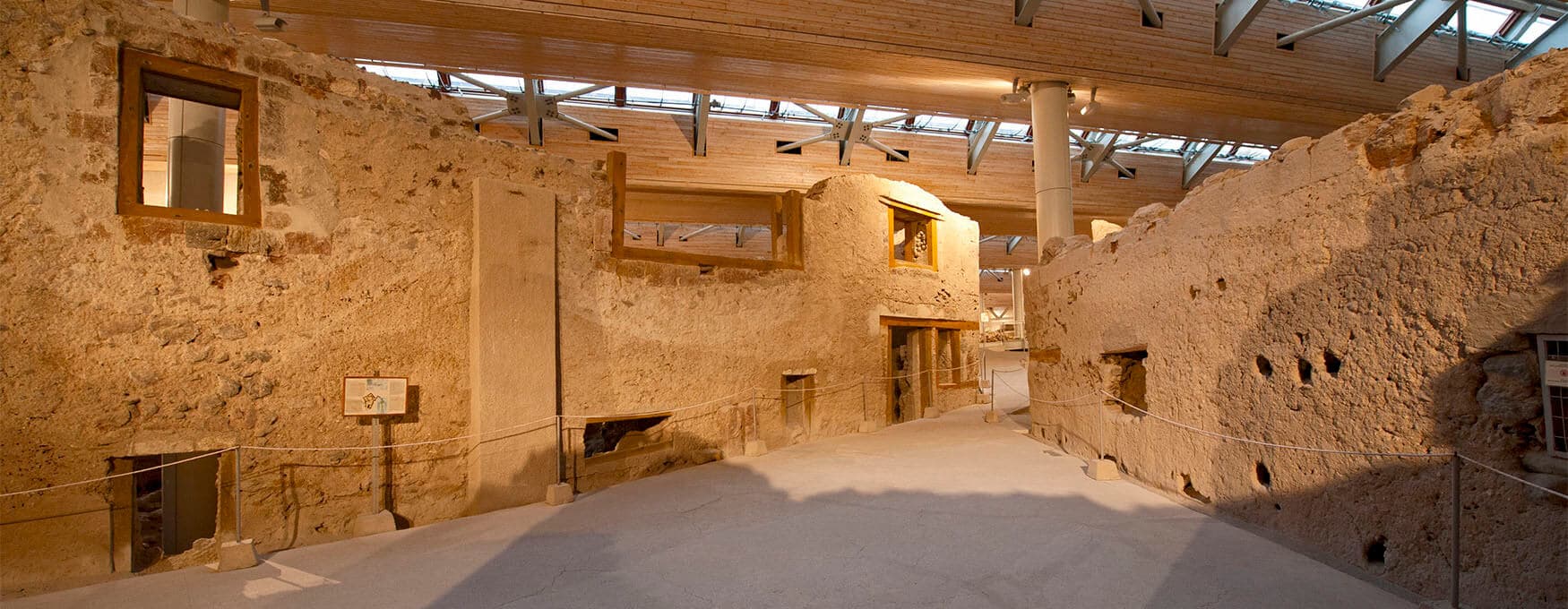
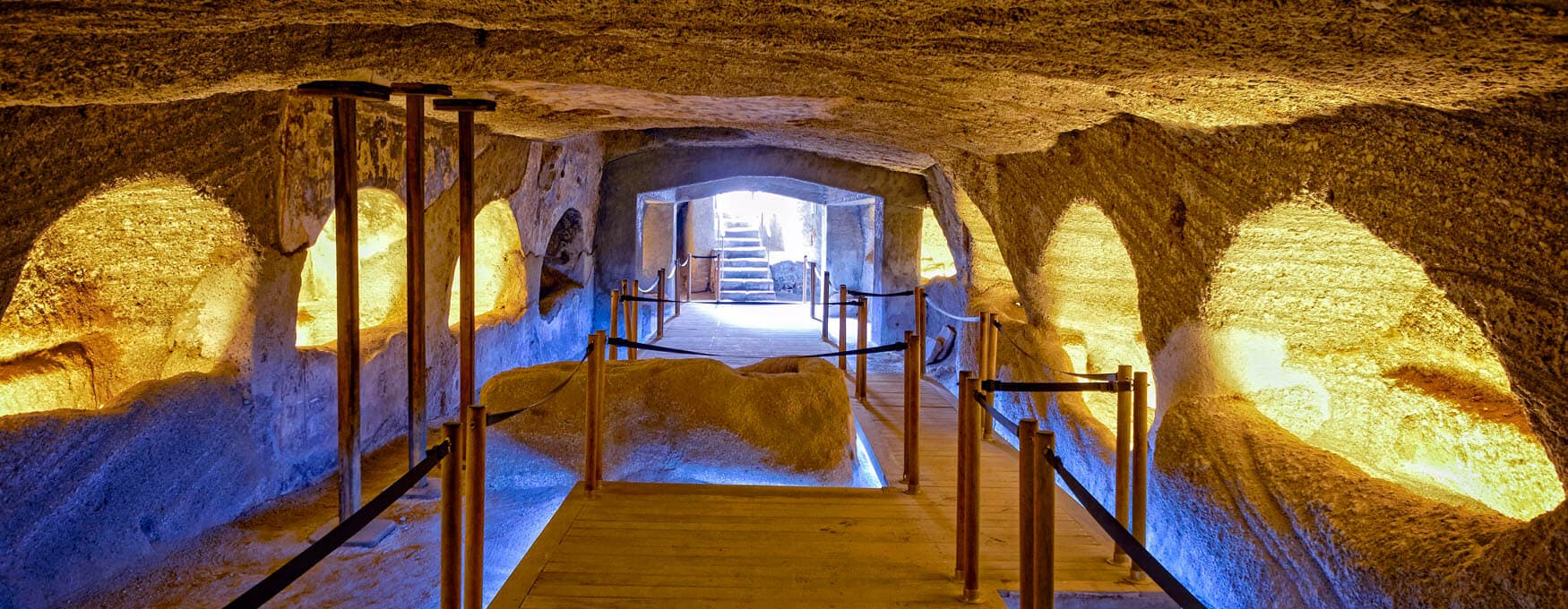
- Roman Cisterns: Impressive vaulted structures that supplied the public baths.
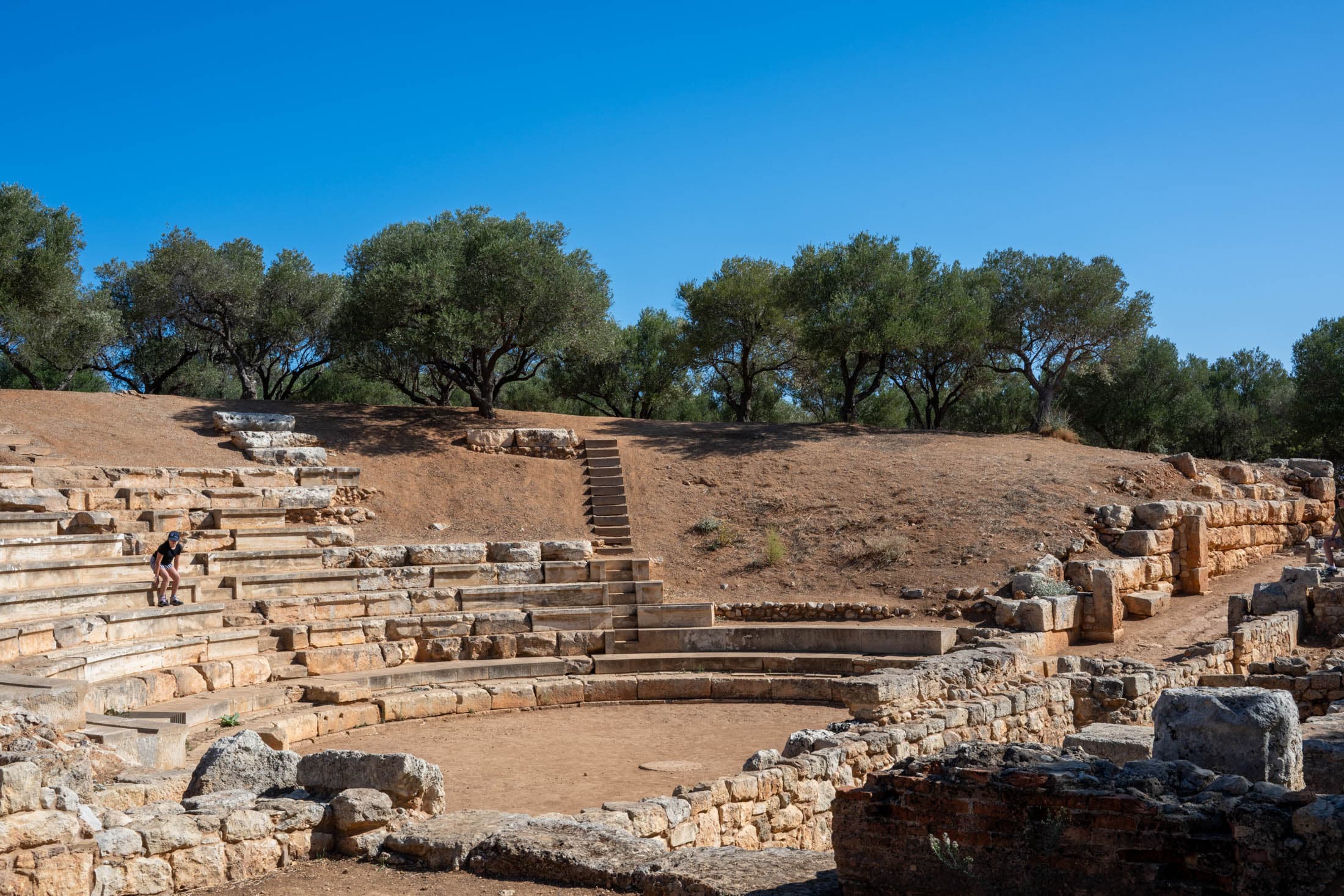
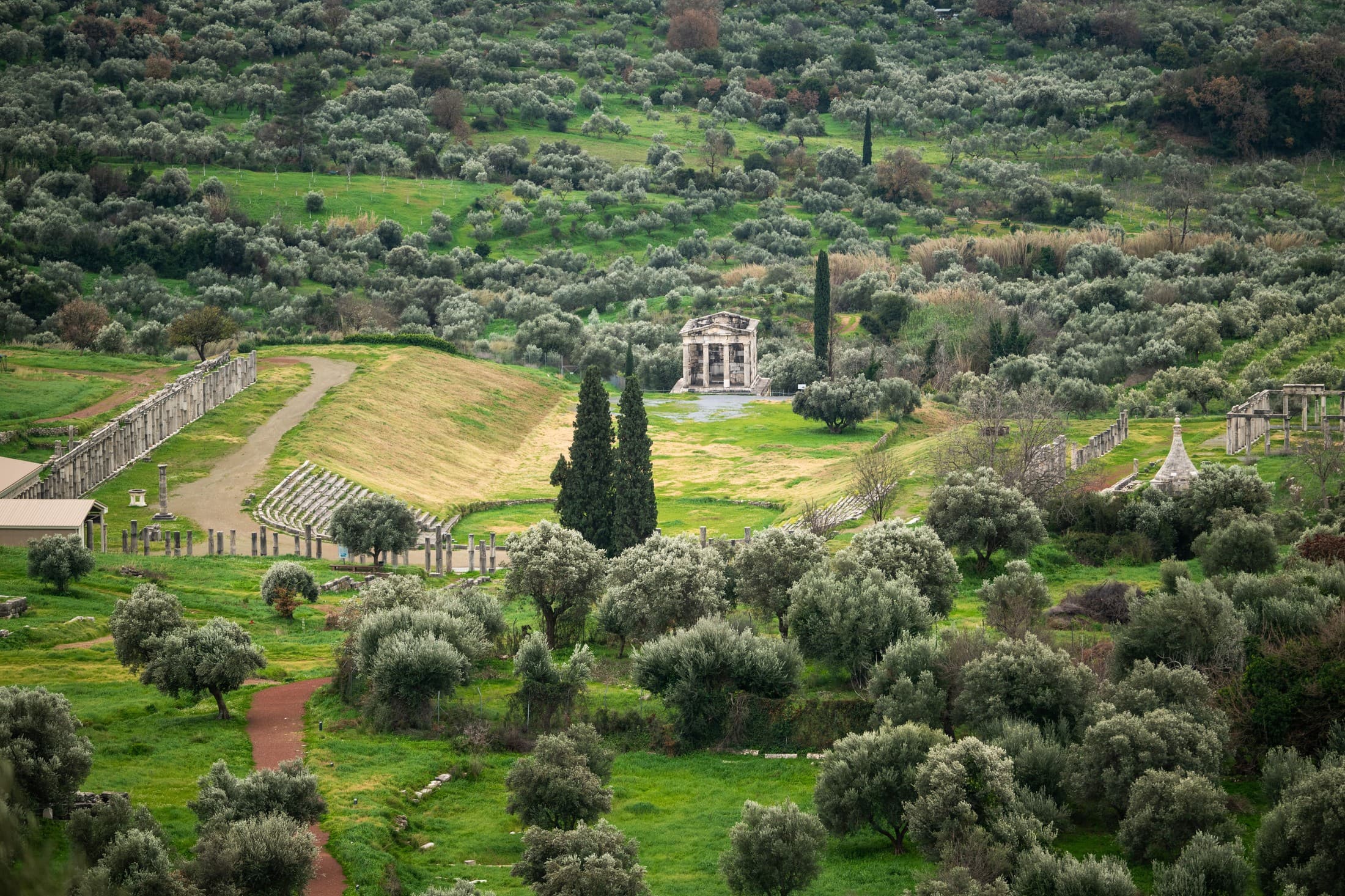
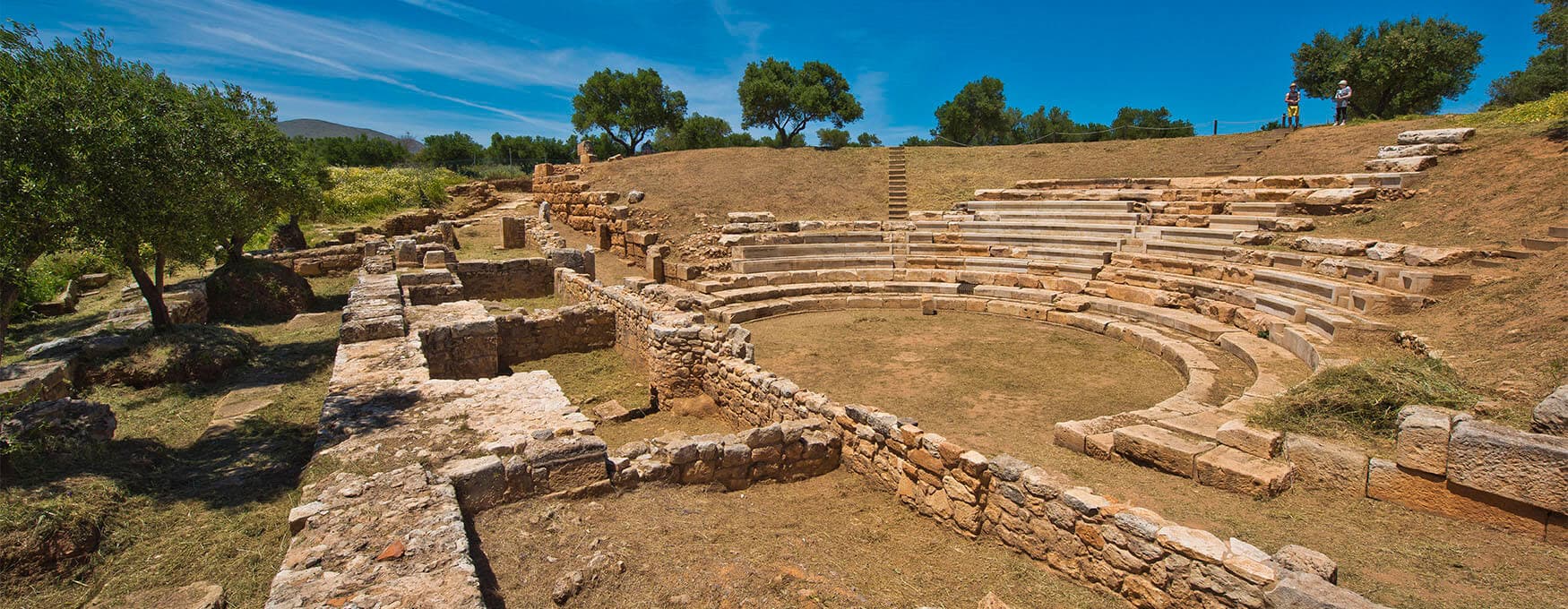
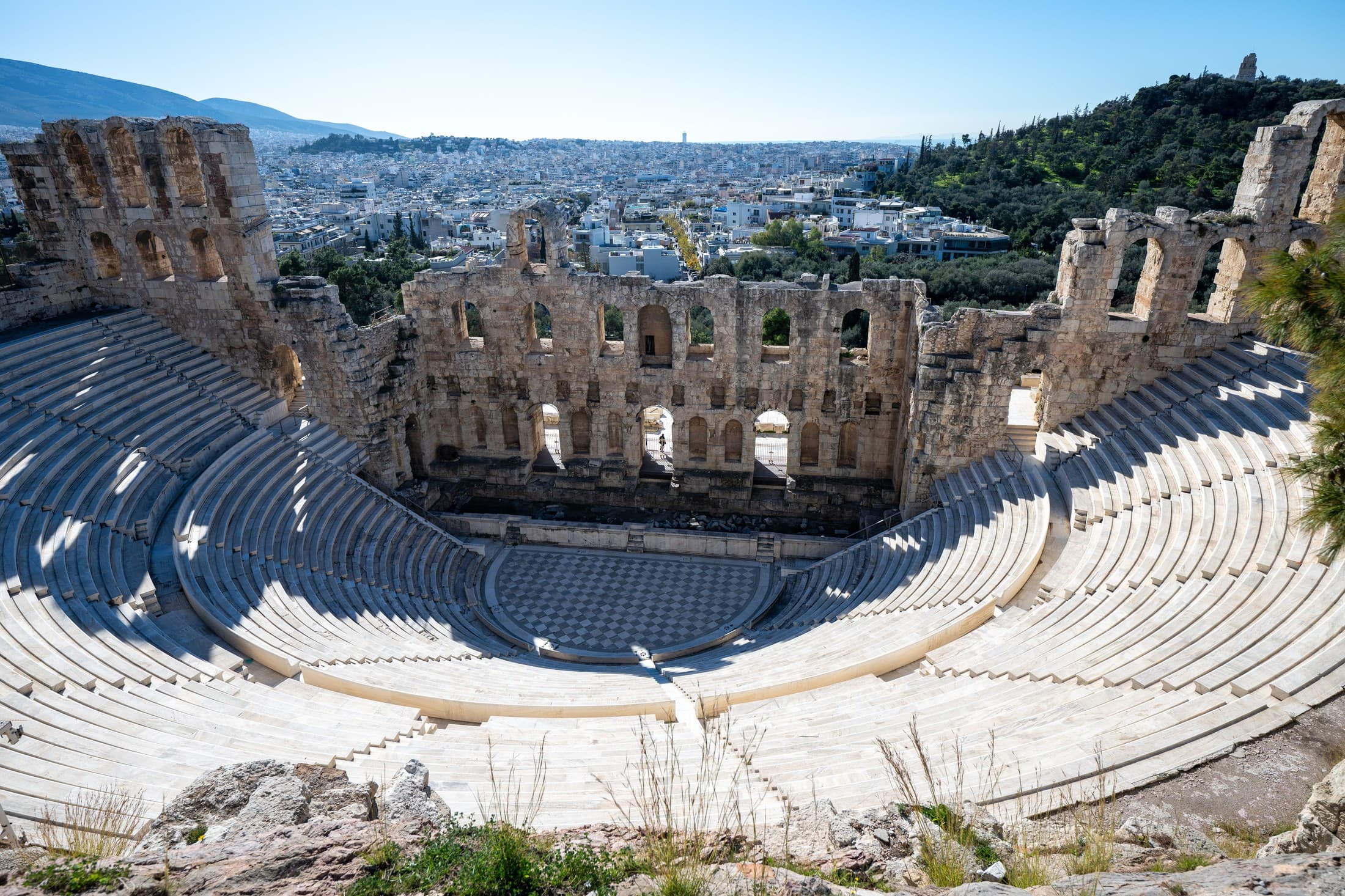
- Ancient Theater: Built of porous stone, offering a remarkable view of the White Mountains.
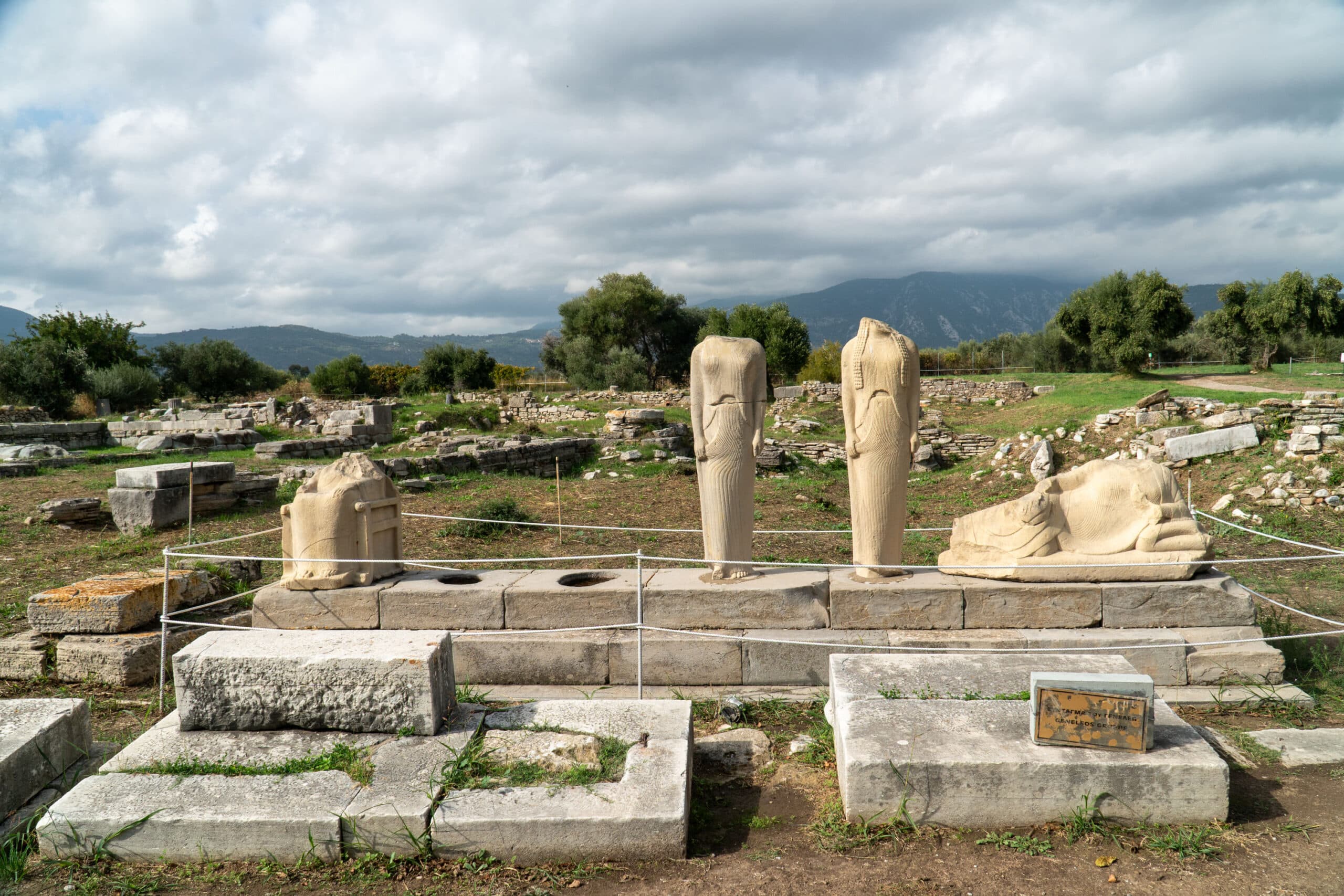
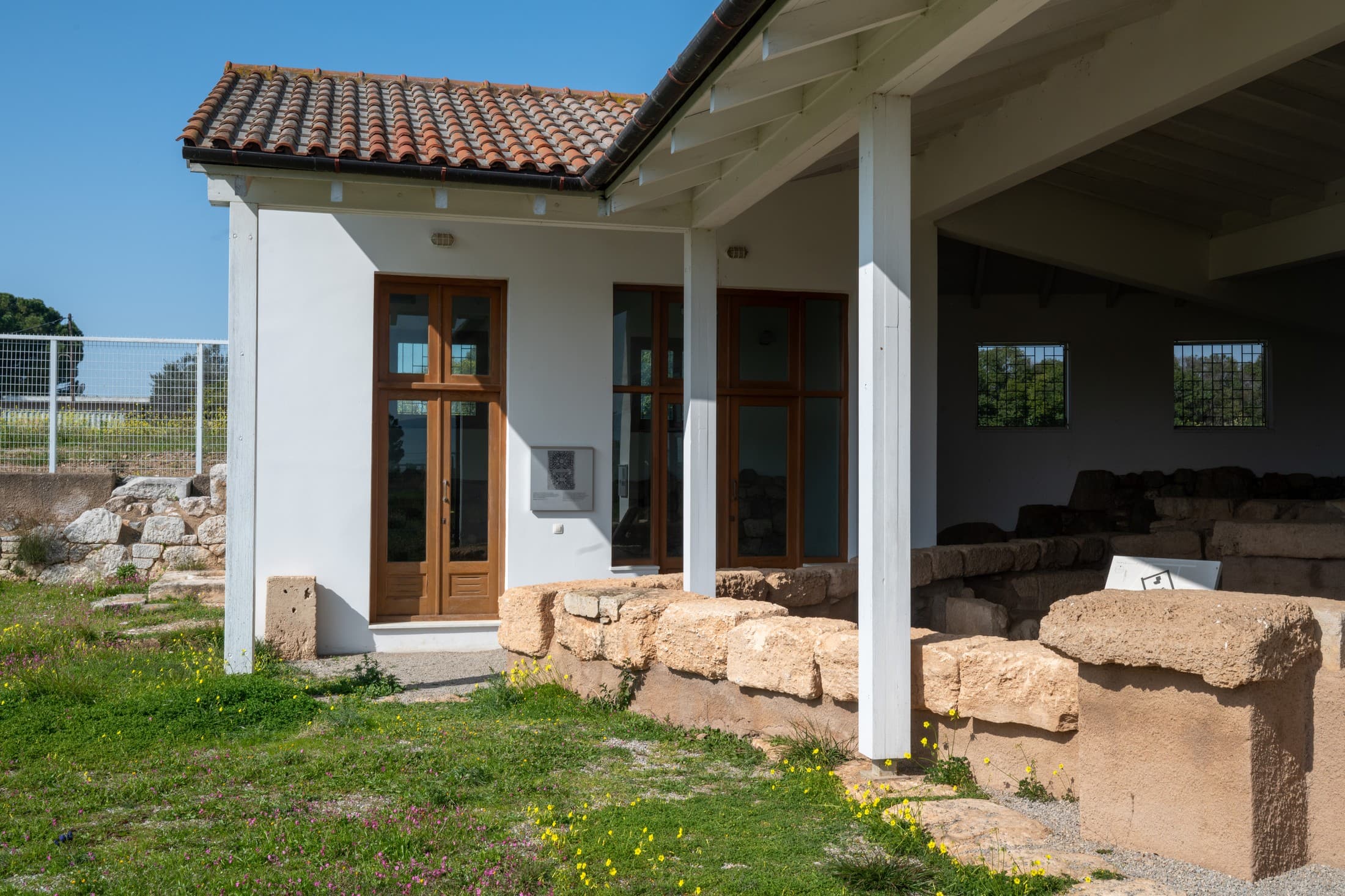
- Residential & Sacred Monuments: A Roman villa with a peristyle courtyard, a triconch bouleuterion, and a 5th-century BC “double sanctuary.”
- Necropolis: An extensive cemetery outside the walls with tombs from various periods.
Later Monuments
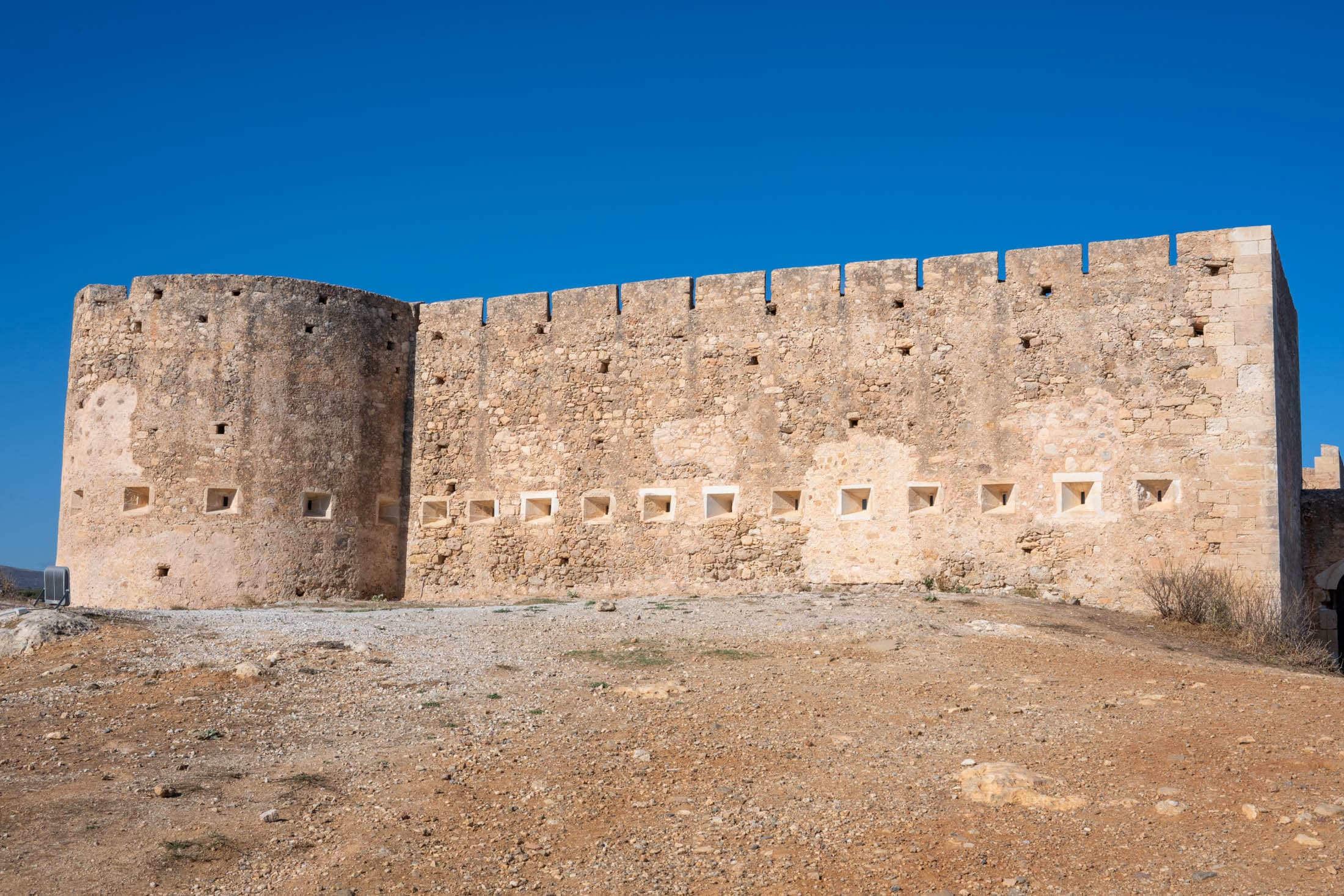
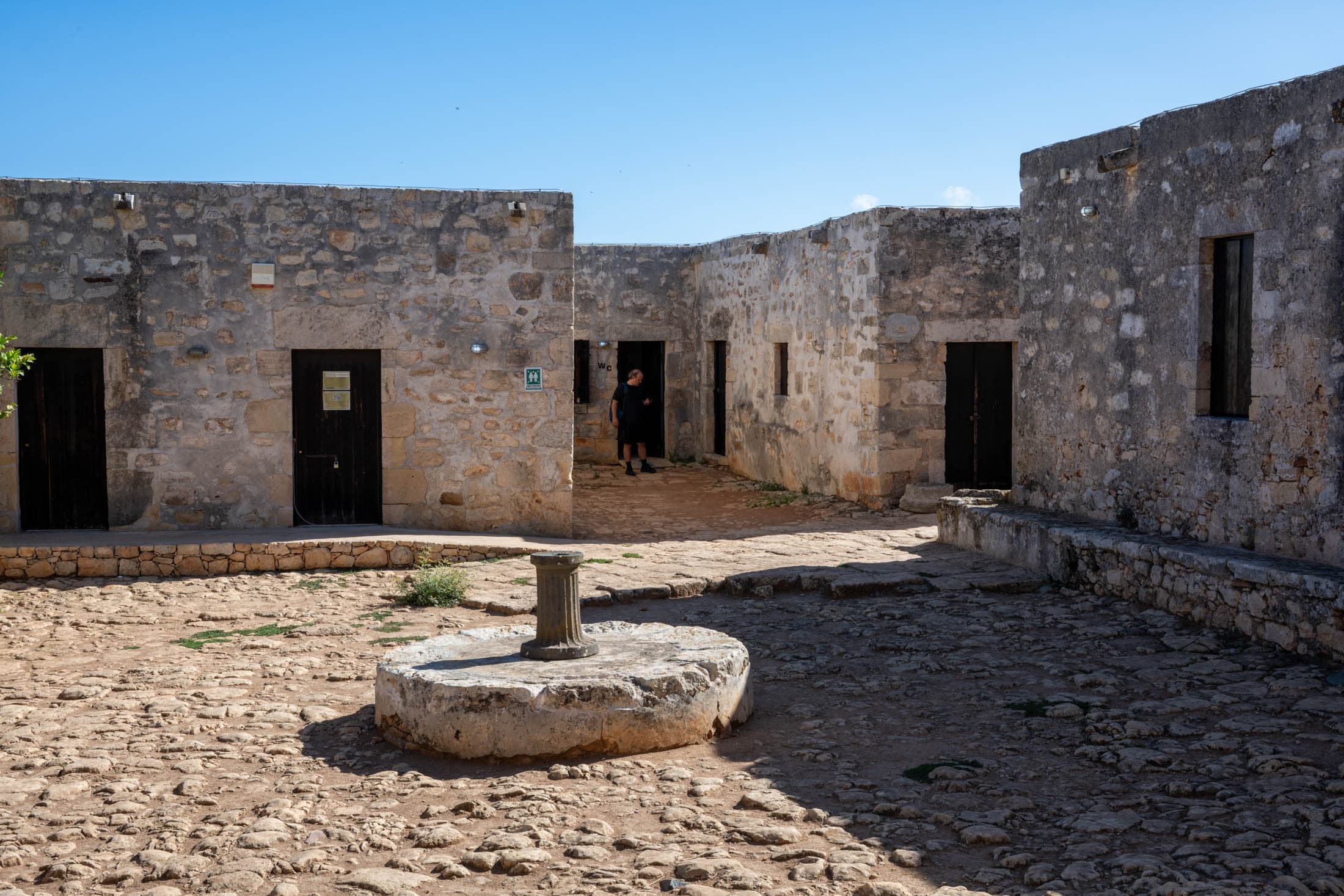
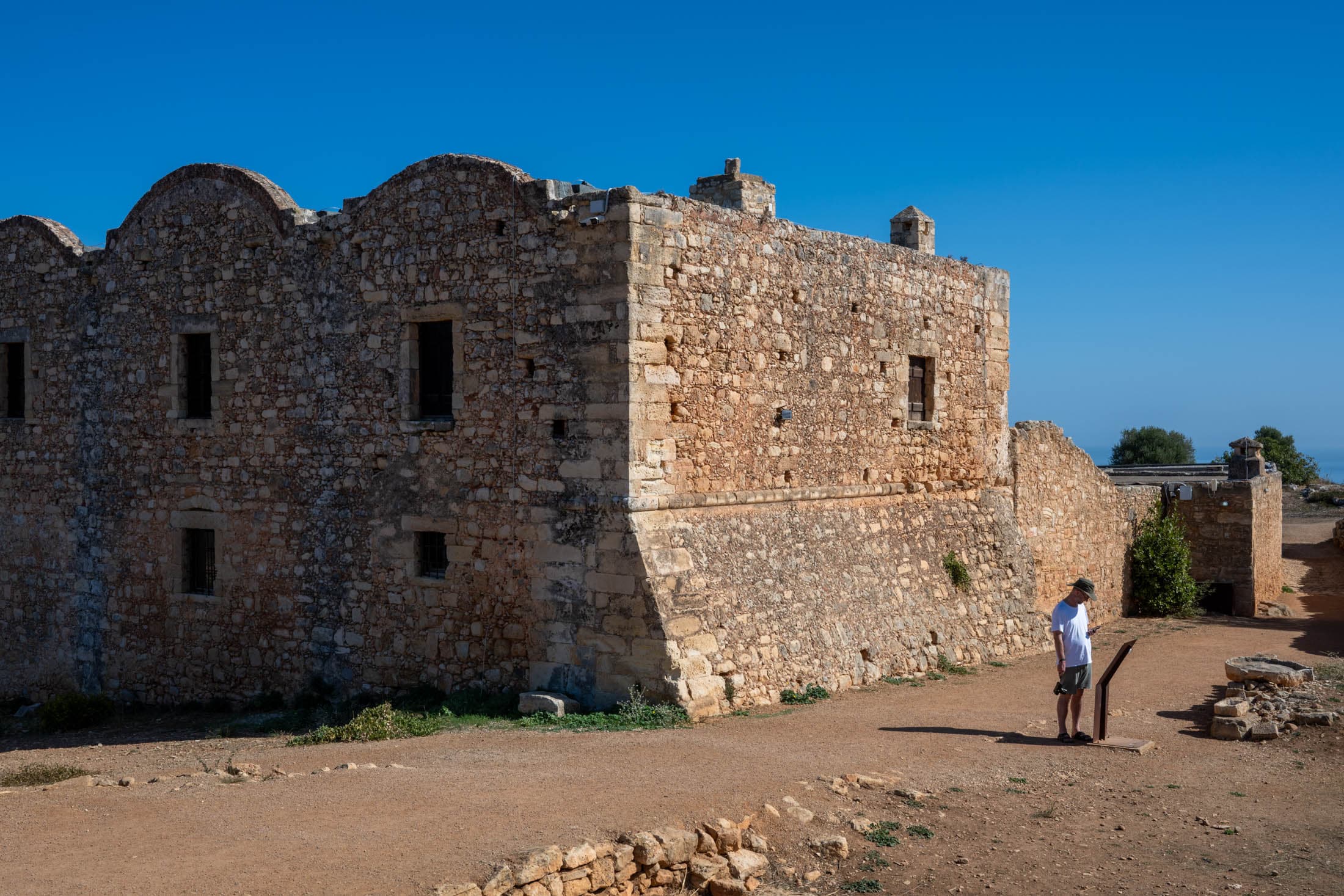
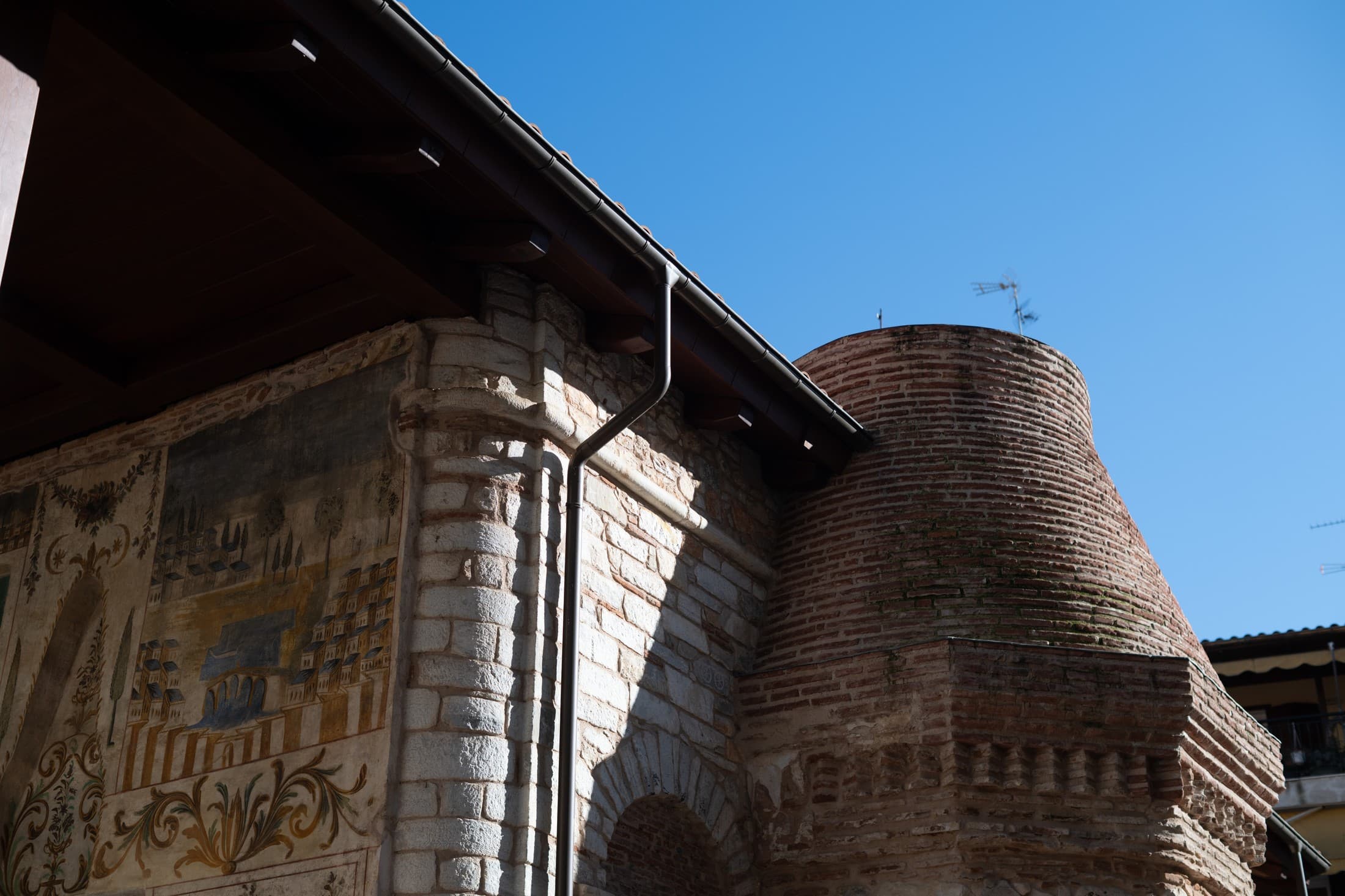
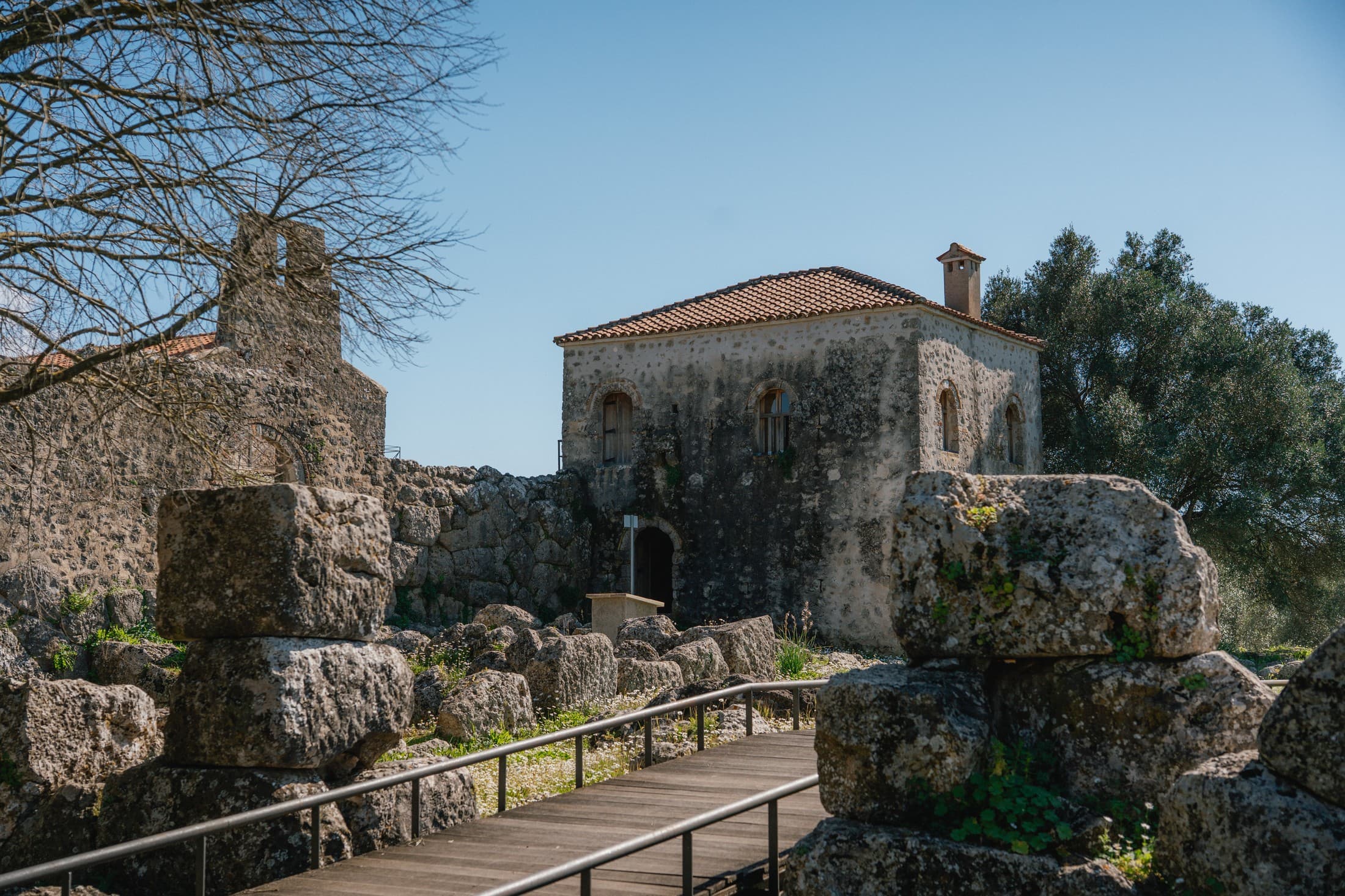
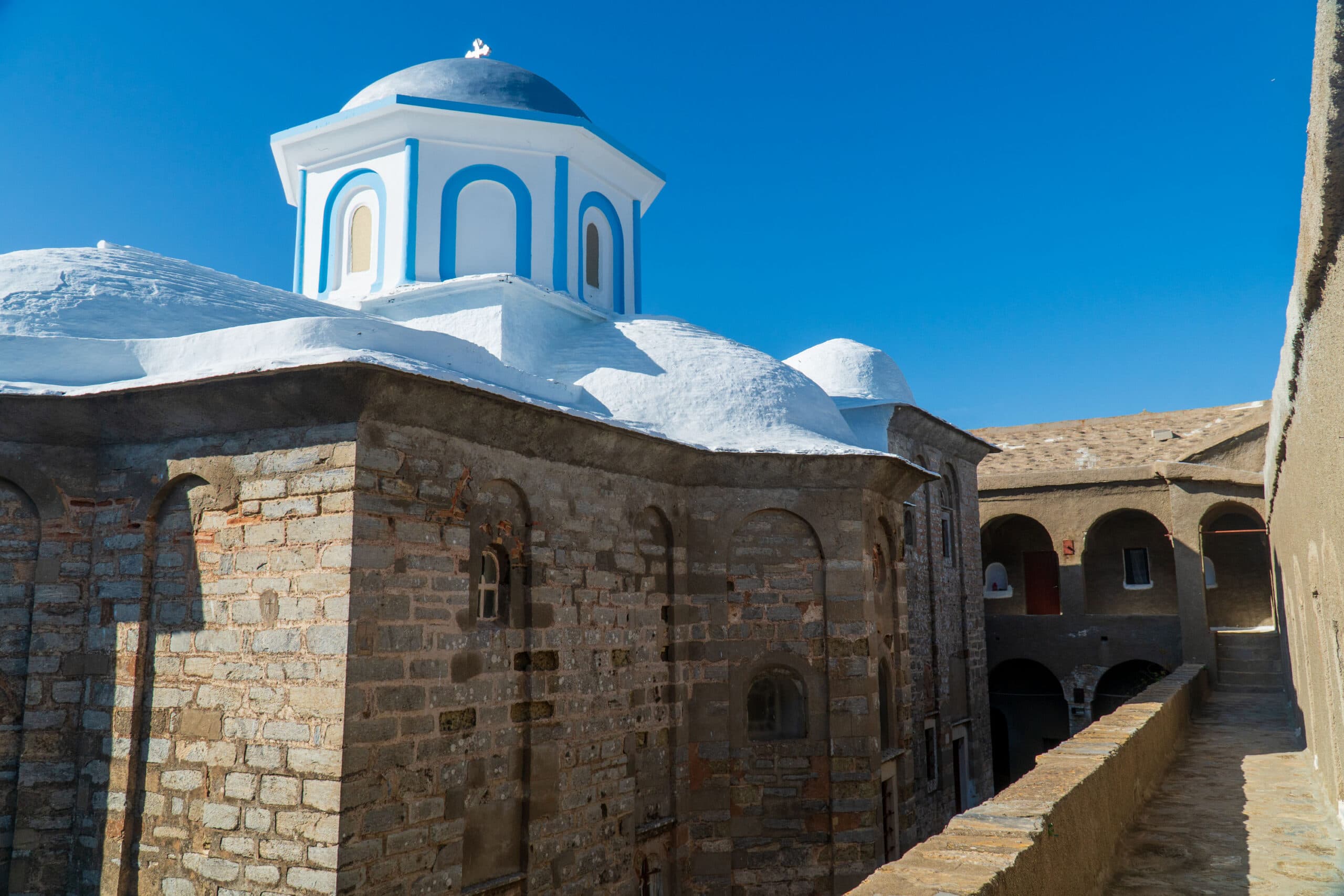
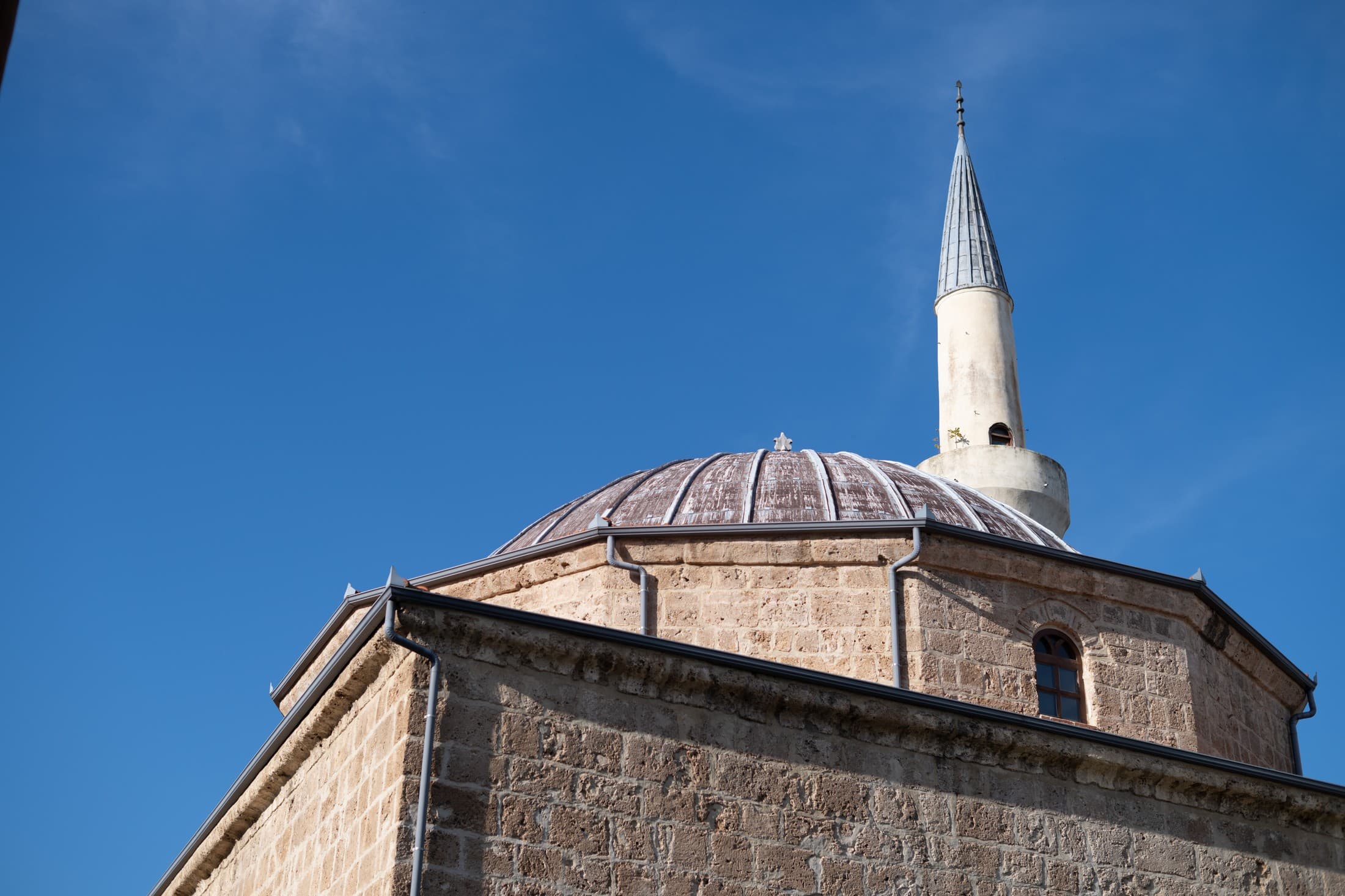
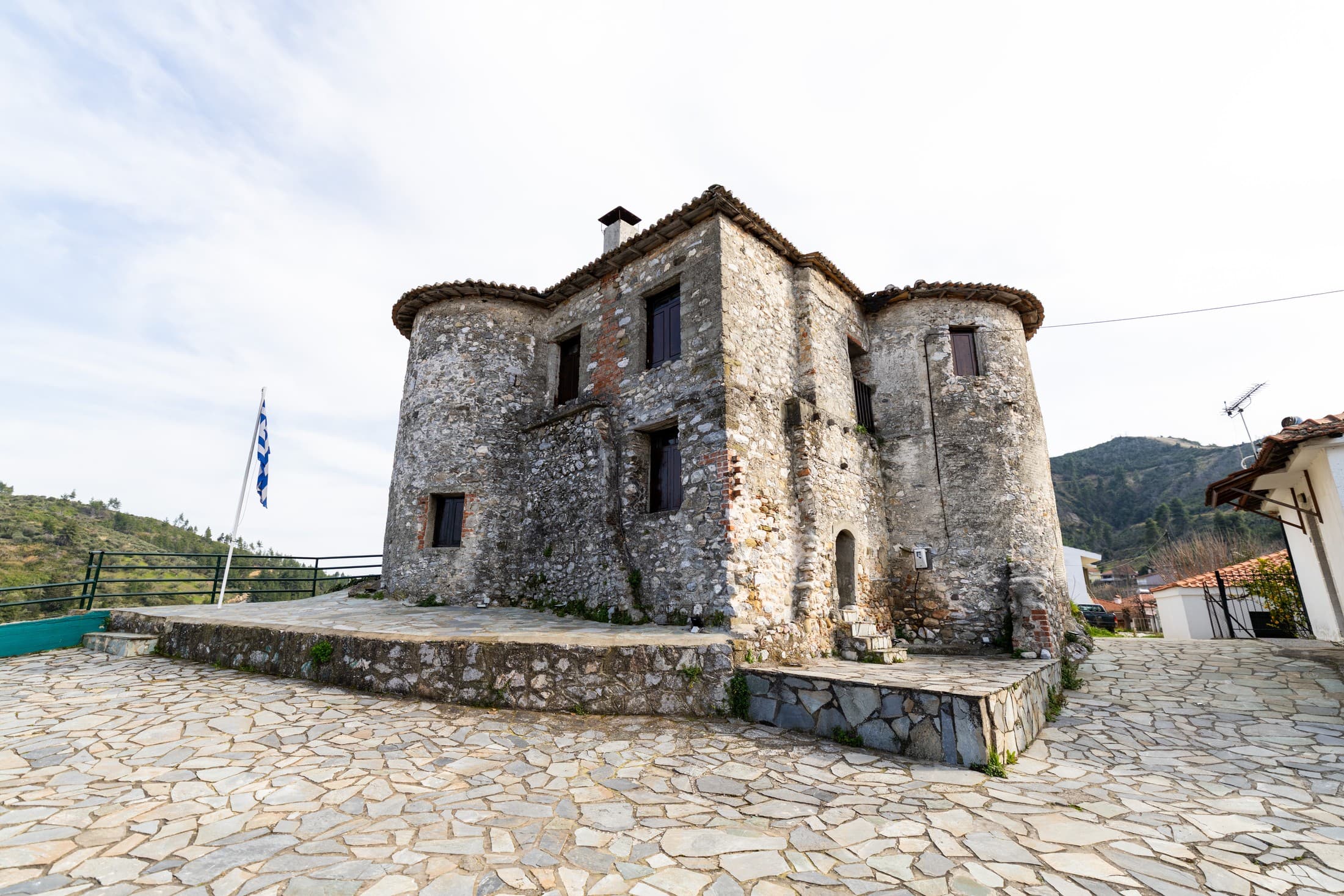
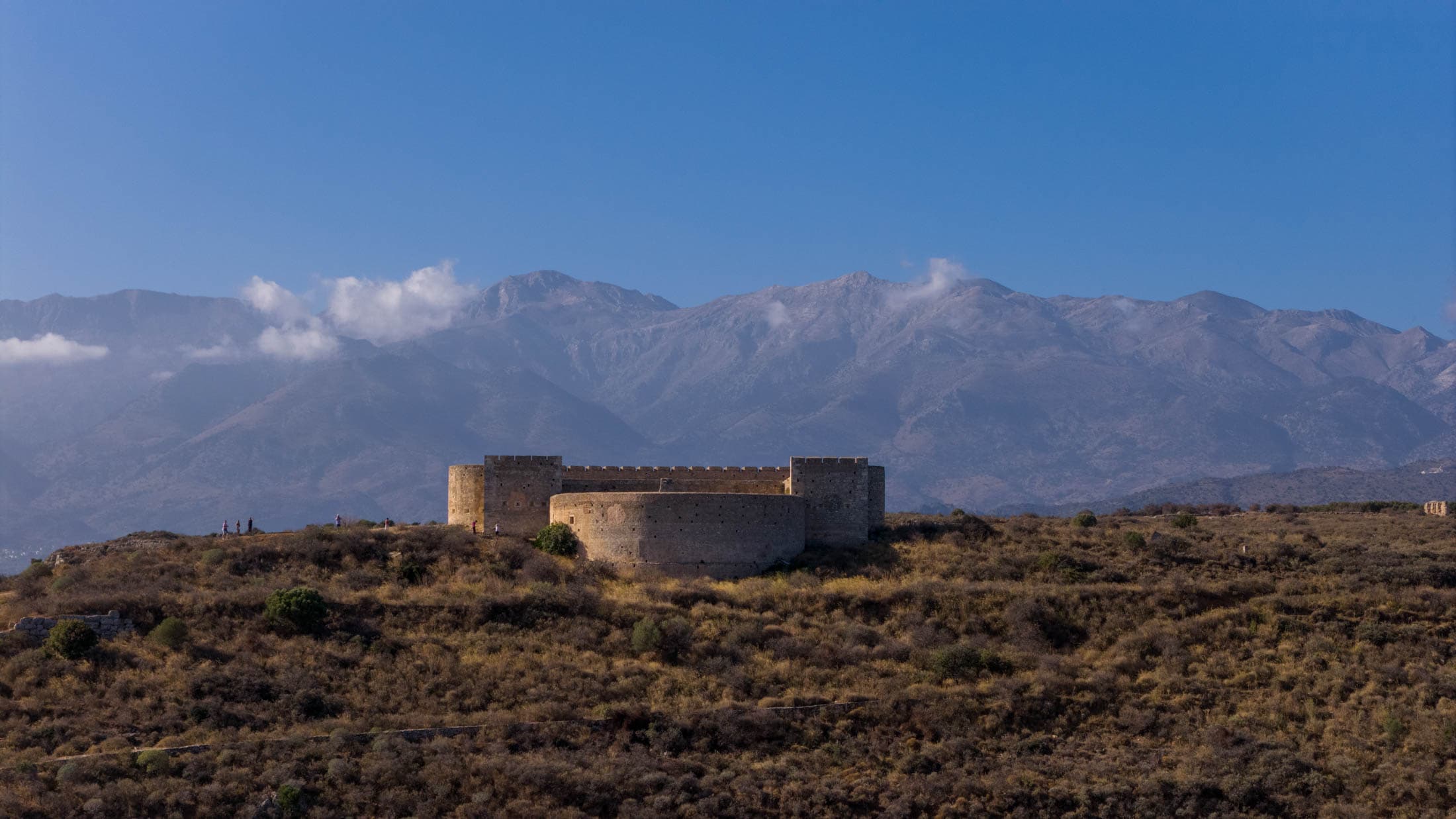
Within the site lies the Monastery of Saint John the Theologian, built using materials from the ancient city. The area is also dominated by two Ottoman-era fortresses: Paleokastro (Koules) and the Izzeddin Fortress.
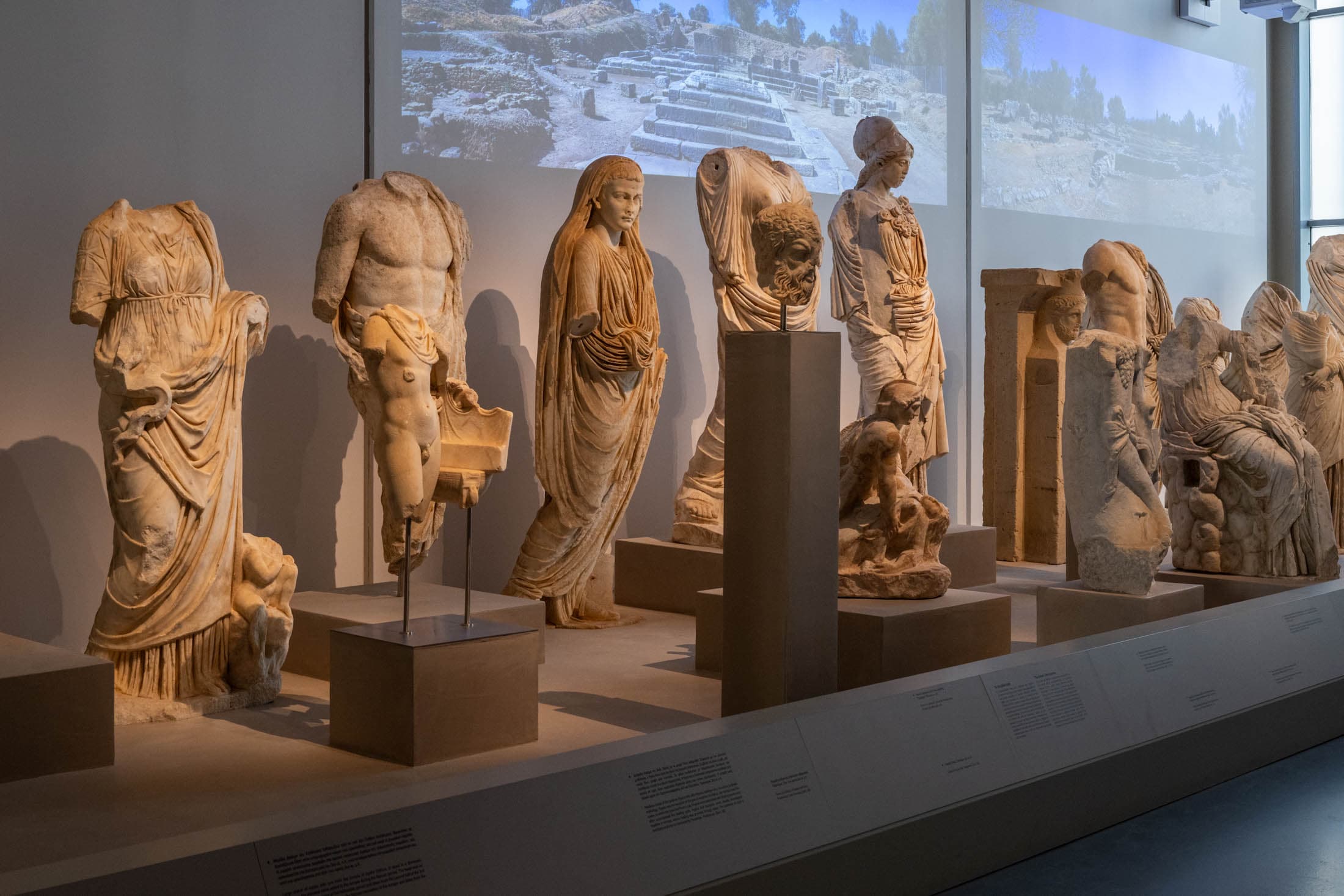
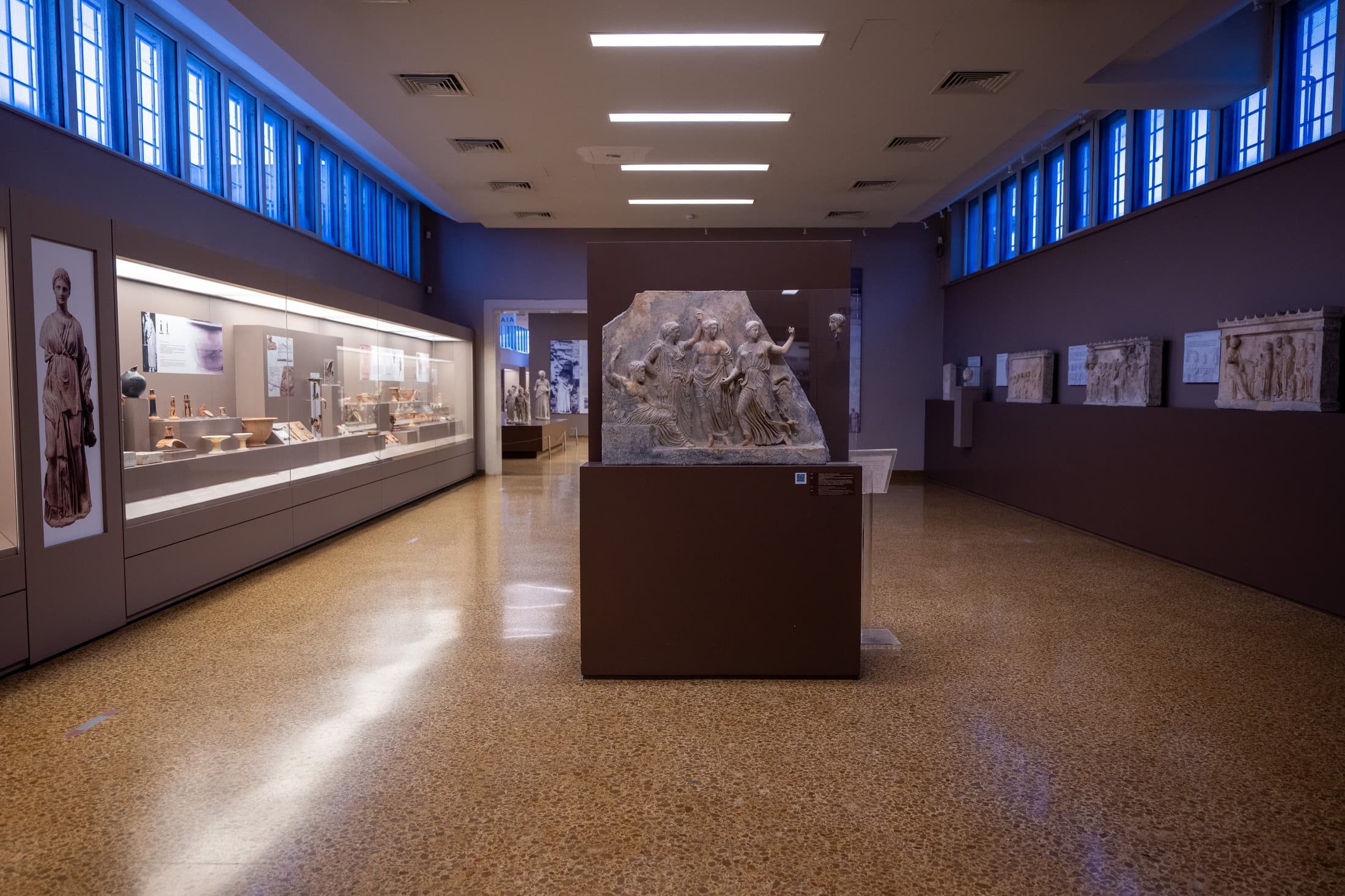
Numerous finds—pottery, sculptures, and coins—are displayed at the Archaeological Museum of Chania. A visit to Aptera is a truly captivating experience, combining archaeological insight with the unmatched natural beauty of the Cretan landscape.