Monuments and memories of a city that marked Macedonia
Amphipolis, one of the most important cities of ancient Macedonia, is a place that narrates history at almost every step you take. The Archaeological Park and the Archaeological Museum of Amphipolis compose an integrated cultural destination, presenting the evolution of the city from the time of the Athenian colonists to the Roman and early Christian period.
The Museum, built near the archaeological site, showcases the finds from the excavations that have been carried out in the area since the early 20th century. Among them stand out impressive sculptures, inscriptions, vases, household utensils, as well as finds that testify to the prosperity of the city in the years of Philip II and Alexander the Great. The exhibits from the early Christian basilicas of the area are extremely important. They reveal the transformation of Amphipolis into a centre of worship and trade in the first centuries AD.
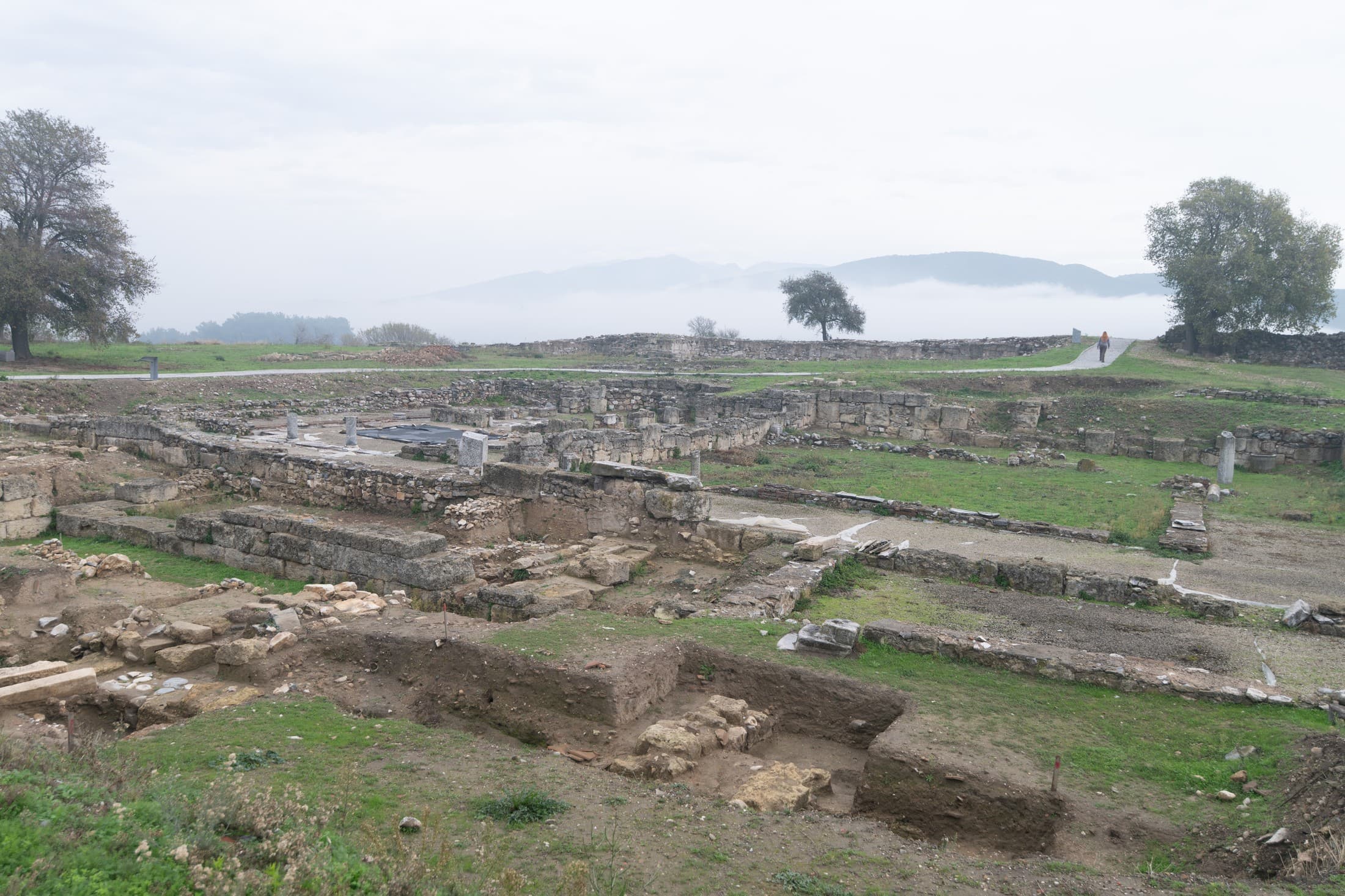
The Archaeological Park includes the ancient city wall, parts of the acropolis, houses, burial complexes and monuments of the Hellenistic and Roman period. Wander across the site where decisive moments of Macedonian and Athenian history took place, from the Battle of Brasidas to the Roman reorganisation of the city. The natural environment, with the Strymonas River flowing a short distance away, makes the experience even more atmospheric, while the connection of the park with the museum offers a complete, meticulous narrative journey to the past.
The visit to Amphipolis will undoubtedly move you. Each part of it is charged with historical moments, while each exhibit complements the narrative of life in the ancient city, from its political and military power to its everyday life and art.
The Museum, built near the archaeological site, showcases the finds from the excavations that have been carried out in the area since the early 20th century. Among them stand out impressive sculptures, inscriptions, vases, household utensils, as well as finds that testify to the prosperity of the city in the years of Philip II and Alexander the Great. The exhibits from the early Christian basilicas of the area are extremely important. They reveal the transformation of Amphipolis into a centre of worship and trade in the first centuries AD.
The Archaeological Park includes the ancient city wall, parts of the acropolis, houses, burial complexes and monuments of the Hellenistic and Roman period. Wander across the site where decisive moments of Macedonian and Athenian history took place, from the Battle of Brasidas to the Roman reorganisation of the city. The natural environment, with the Strymonas River flowing a short distance away, makes the experience even more atmospheric, while the connection of the park with the museum offers a complete, meticulous narrative journey to the past.
The visit to Amphipolis will undoubtedly move you. Each part of it is charged with historical moments, while each exhibit complements the narrative of life in the ancient city, from its political and military power to its everyday life and art.