A Fortification History of the Sacred Rock
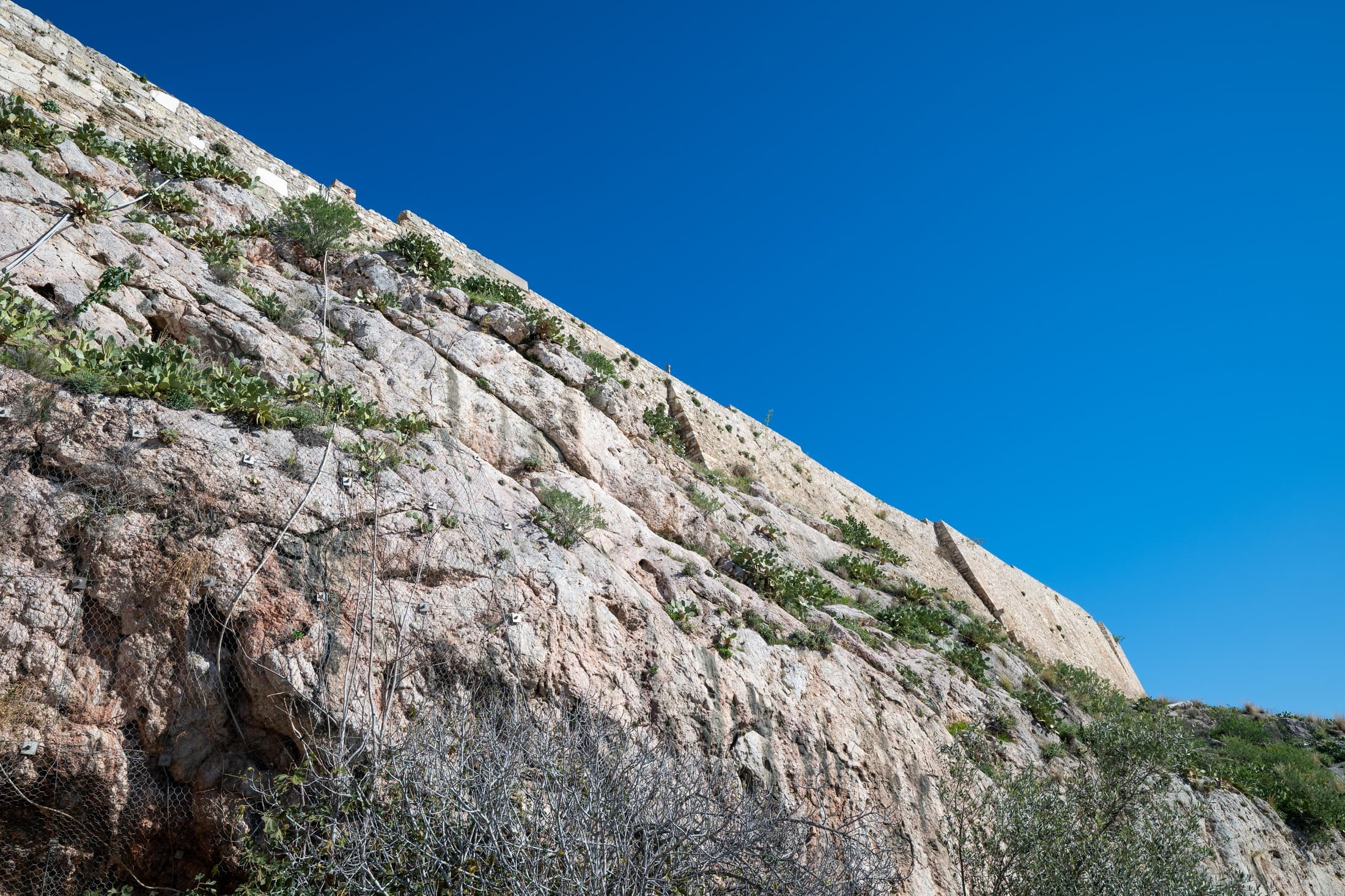
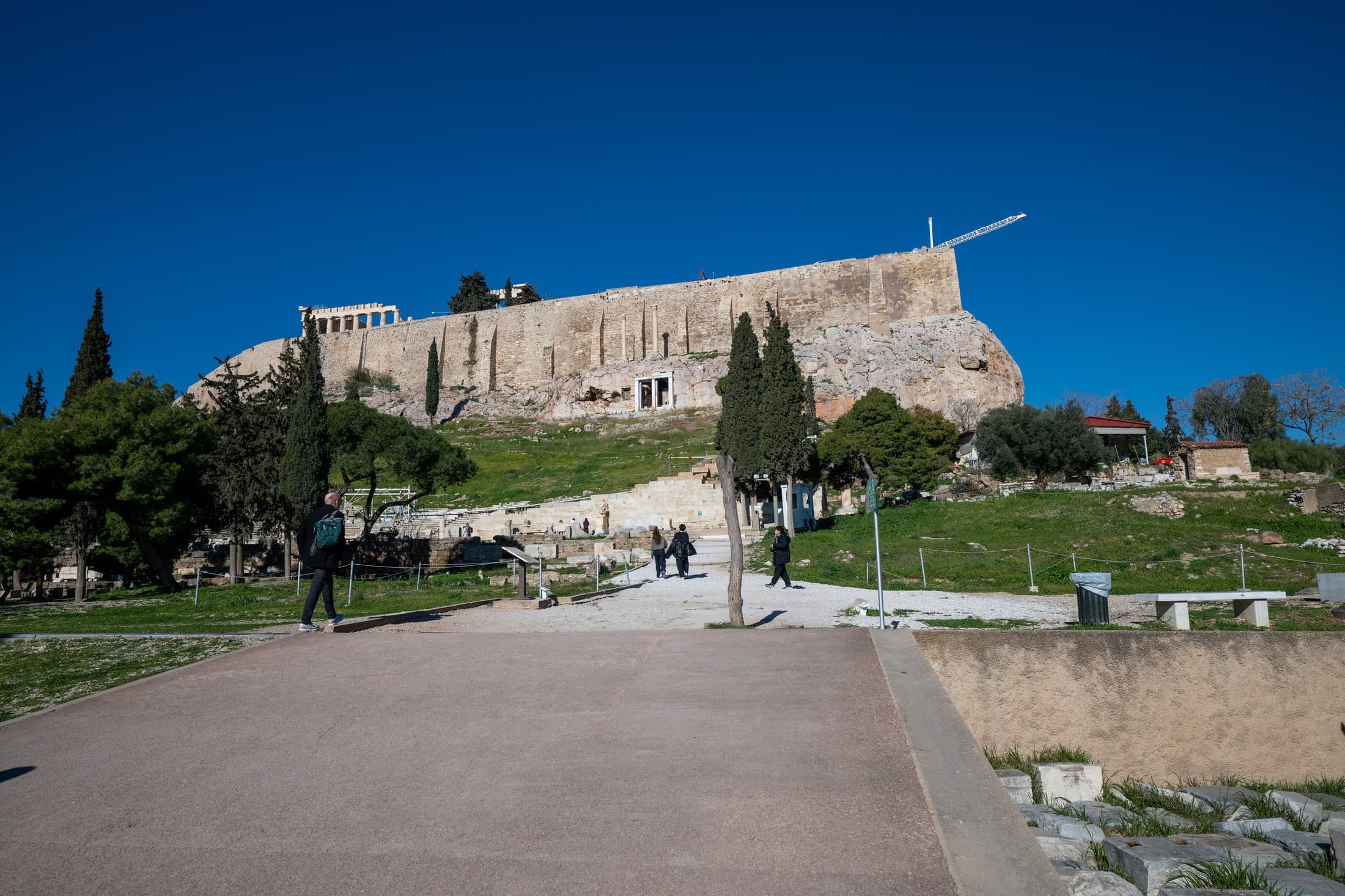
Due to its geographical location, the Acropolis served as a refuge since prehistoric times. Its history as a fortified site began around 1200 BC with the Cyclopean wall. Traces of this Mycenaean fortification are visible in the south-east of the Propylaea, while the main entrance was already located on the western side, reinforced with a tower at the location of the present-day Temple of Athena Nike.
From the Persian Wars to the Golden Age
The Mycenaean wall protected the hill until 480 BC, when it suffered severe damage during the Persian invasion. After the Persians withdrew, a monumental reconstruction project began. The Northern (Themistoclean) wall was the first one built, incorporating material from the damaged monuments. Today, visitors can discern the marble remains of the Pre-Parthenon and sections of the ancient temple of Athena north of the Erechtheion.
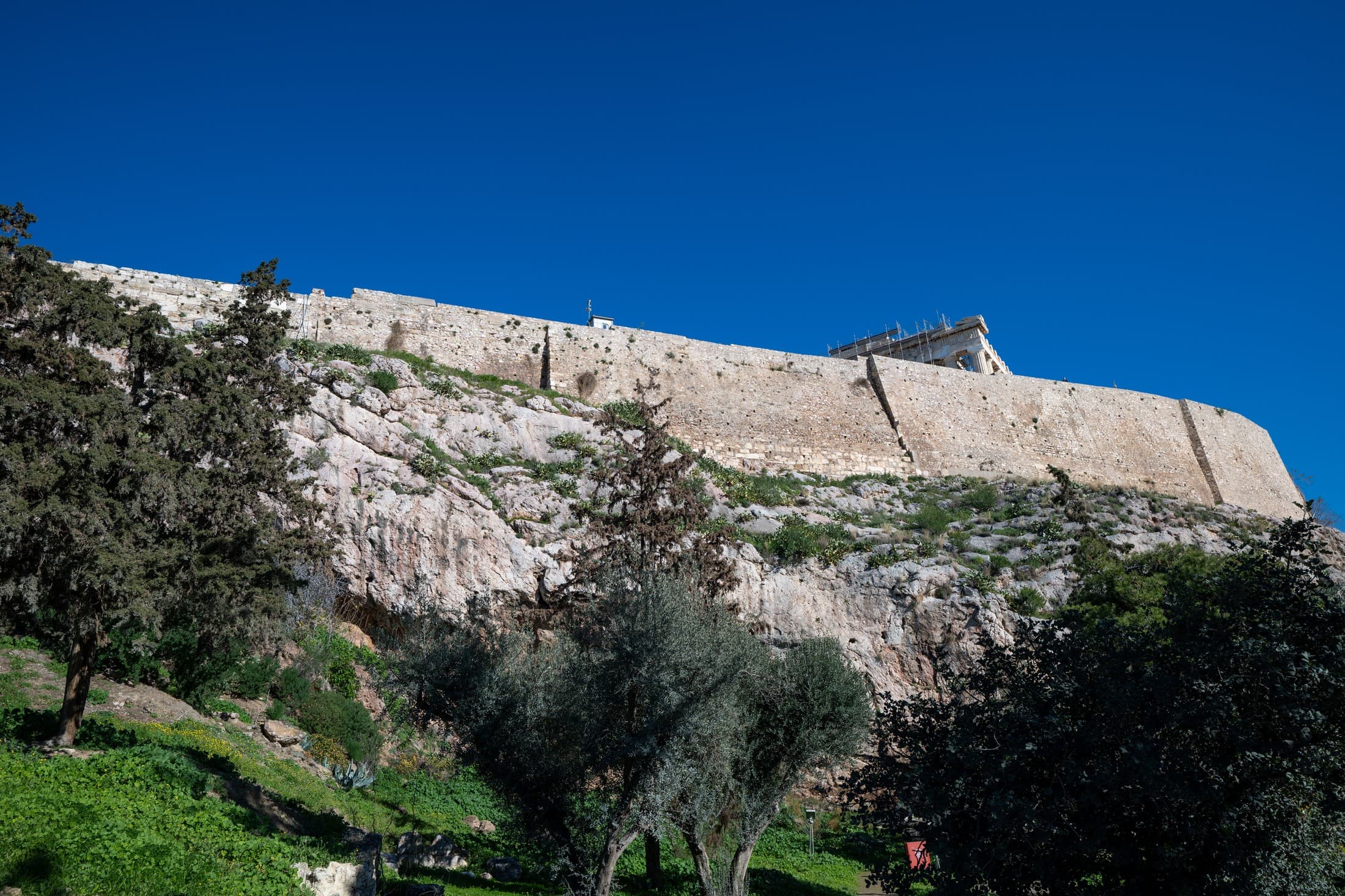
Shortly later, after 467 BC, Kimon built the South (Kimonion) wall. Its construction required the creation of an artificial terrace to expand the surface area of the rock. In this instance as well, building materials from older structures were repurposed.
Later Additions and Fortifications
In the 3rd century AD, fearing incursions by the Eruli, a supplementary fortification was constructed below the Propylaea, with the western Beulé Gate being the best known. Since then, the Acropolis maintained its fortified character until the 19th century. During the medieval period (13th century), the southern wall was repaired, and towers were added, such as the Kulas tower and the one located at the site of the current Belvedere.
The most recent major repairs to the wall were carried out on the south-eastern corner after the Second World War. The walls of the Acropolis are not merely boundaries, but a living chronicle that incorporates the history of the destruction and regeneration of Athens.
From the Persian Wars to the Golden Age
The Mycenaean wall protected the hill until 480 BC, when it suffered severe damage during the Persian invasion. After the Persians withdrew, a monumental reconstruction project began. The Northern (Themistoclean) wall was the first one built, incorporating material from the damaged monuments. Today, visitors can discern the marble remains of the Pre-Parthenon and sections of the ancient temple of Athena north of the Erechtheion.
Shortly later, after 467 BC, Kimon built the South (Kimonion) wall. Its construction required the creation of an artificial terrace to expand the surface area of the rock. In this instance as well, building materials from older structures were repurposed.
Later Additions and Fortifications
In the 3rd century AD, fearing incursions by the Eruli, a supplementary fortification was constructed below the Propylaea, with the western Beulé Gate being the best known. Since then, the Acropolis maintained its fortified character until the 19th century. During the medieval period (13th century), the southern wall was repaired, and towers were added, such as the Kulas tower and the one located at the site of the current Belvedere.
The most recent major repairs to the wall were carried out on the south-eastern corner after the Second World War. The walls of the Acropolis are not merely boundaries, but a living chronicle that incorporates the history of the destruction and regeneration of Athens.