The
Hellenic Society for the Protection of Nature has announced that, out of a long list of
52 countries, Greece ranked
second this year in the
Blue Flag programme awards, as
623 beaches, 17 marinas and
17 eco-friendly boats have earned the world’s most recognised eco-label. Greece received 15% of beach awards worldwide, the country’s top names on that list being the
Region of Crete (153 flags) and
Halkidiki Regional Unit (93 flags). The International Committee presented the label to
4.302 beaches,
736 marinas and
158 eco-friendly boats across the globe. For more information, click
here.
What is the Blue Flag Programme?
The Blue Flag is a large-scale programme of environmental awareness and protection, which is implemented every year, in European countries and in other parts of the world by the
Foundation for Environmental Education (FEE). The
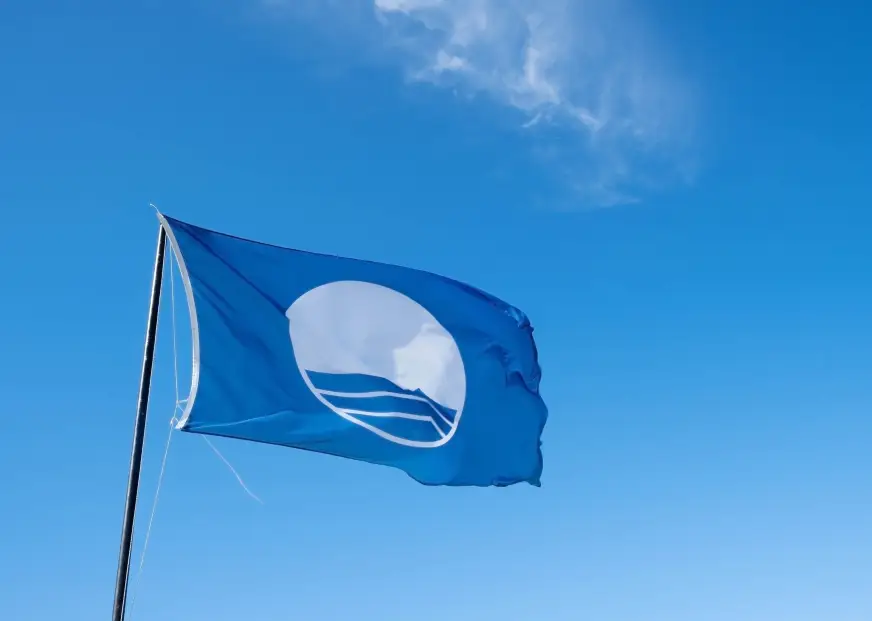
Blue Flag label is an international symbol of quality and is one of the best-known environmental labels worldwide. It has been awarded since 1987 to beaches and marinas, and since 2017 to eco-friendly boats that meet the strict requirements of the programme for sustainable boating tourism operators. It is aimed at making beaches, marinas and boats better and safer, while at the same time protecting the natural environment. The
Hellenic Society for the Protection of Nature is the programme coordinator for Greece. It is the oldest conservation organisation in the country and it has been active in environmental education and the protection of nature since 1951.
Did you know that...
In order to receive a Blue Flag eco-label, a beach must not only be found to have an excellent water quality, it must comply with 33 criteria (38 for marinas and 51 for boat operators),
concerning cleanliness,
environmental management and
awareness,
various amenities and
services,
information,
visitor safety and
protection of the coastal area.